 (954) 249-2314
- Sort by Featured
- Sort by Best Selling
- Sort by Alphabetically, A-Z
- Sort by Alphabetically, Z-A
- Sort by Price, low to high
- Sort by Price, high to low
- Sort by Date, new to old
- Sort by Date, old to new
Nature's Generators




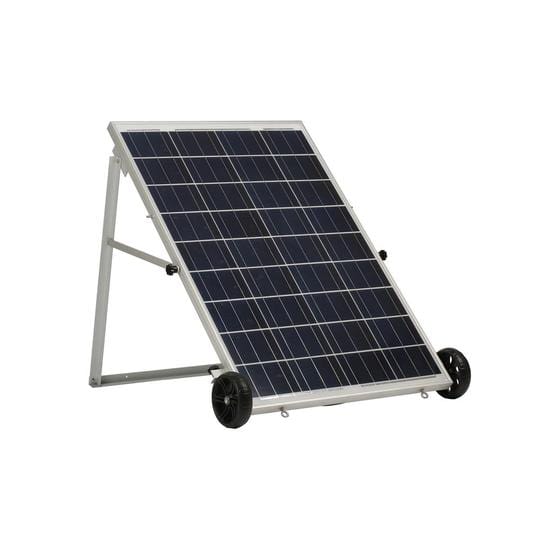
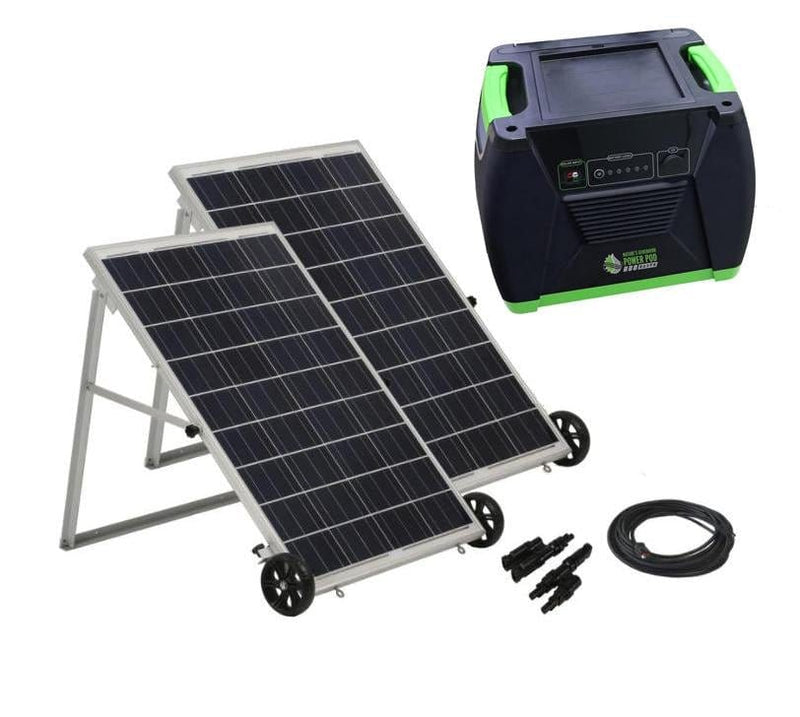
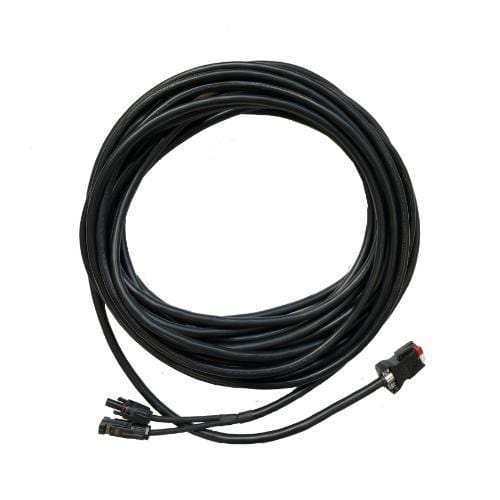
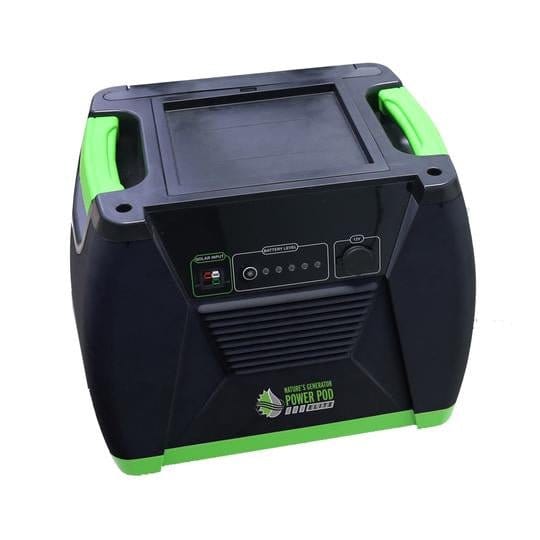
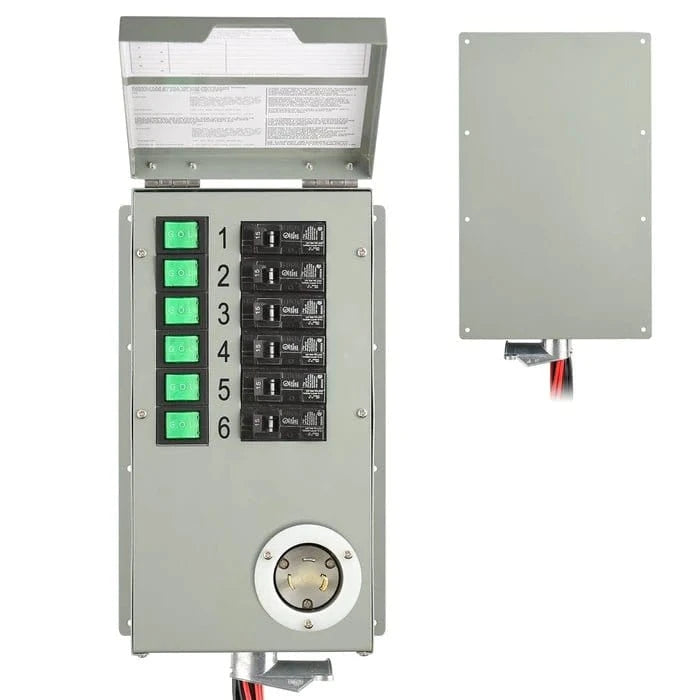
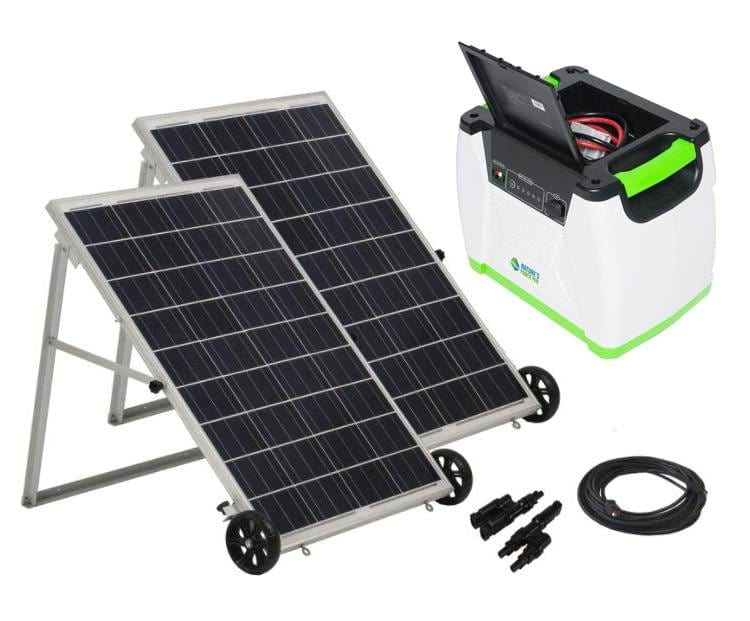
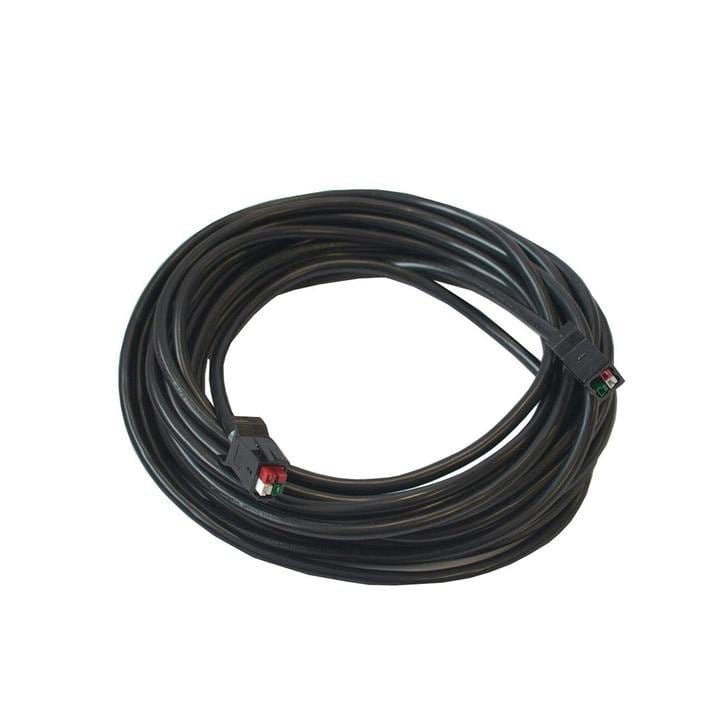
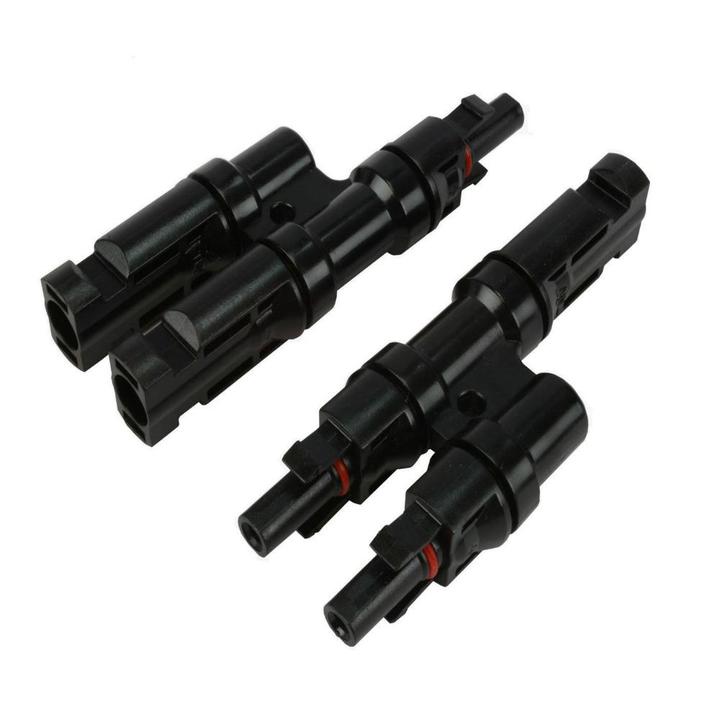

Nature's Generator: Solar and Wind-Powered Backup Power
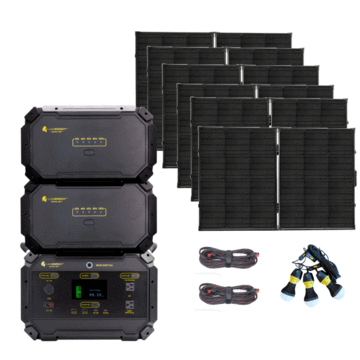
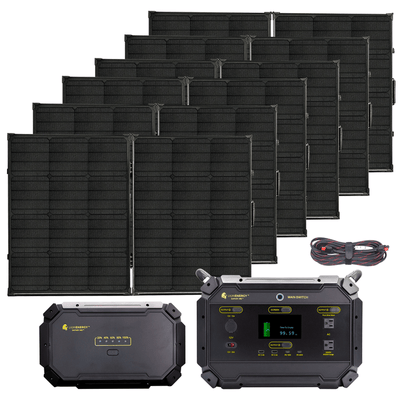
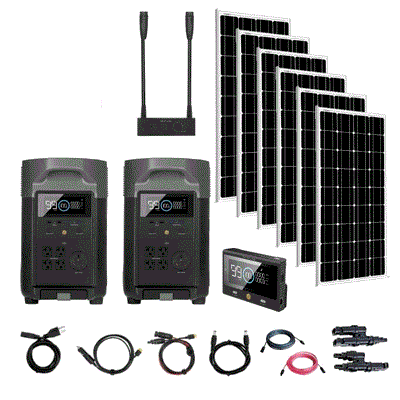
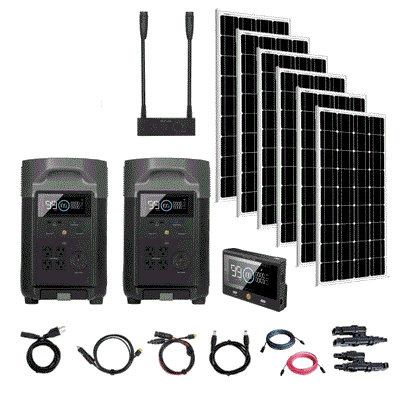
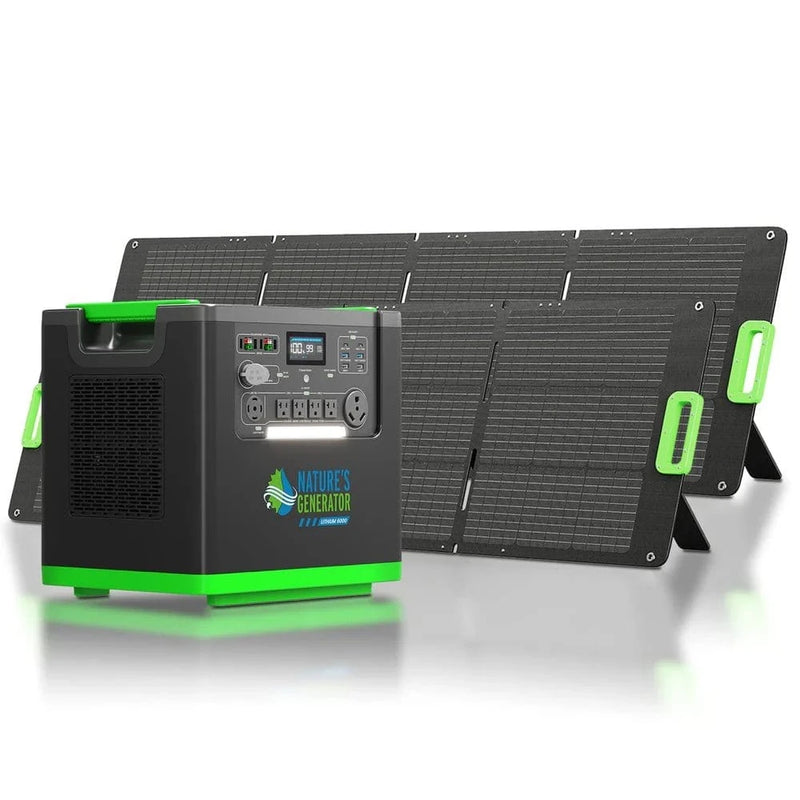
Nature's Generator has been a trusted name in solar-powered backup since we started carrying it in early 2019, and it remains one of the best-selling solar generators we offer. Unlike fuel-powered units, a Nature's generator runs entirely on stored battery power recharged through solar panels or an included wind turbine, meaning you never have to buy fuel again. The lineup spans several battery sizes, including the Lithium 3600 and 1800 systems, along with the newer MyGrid 10K or Lithium 6000 units for buyers who need higher continuous output.
Built to Expand as Your Power Needs Grow
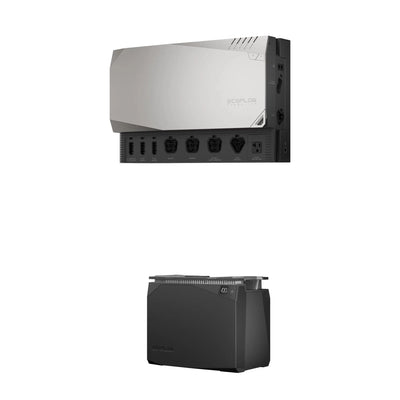
One of the standout features of Nature's generator system is that it's designed to expand rather than lock you into a fixed capacity. Power pods, essentially additional battery units, can be added to any base generator to increase total stored capacity as your needs change. Solar panels can be added the same way, letting you scale up recharging capability without replacing the entire system. This makes Nature's generators a practical long-term investment, since a smaller starter unit today doesn't rule out expanding to whole-home capacity later.
Choosing the Right Unit for Your Home
The single most common question we get about this product line is which unit can actually run a refrigerator continuously. The Lithium 6000 is the unit we recommend for that specific use case, since a refrigerator's continuous power draw requires the additional battery capacity this model provides. A base unit will run a refrigerator briefly, but sustained use over hours or days calls for the extra stored power the Lithium 6000 is built to handle. For lighter use, such as charging devices or running lights during a short outage, the smaller Lithium 1800 or 3600 units are generally sufficient.
Frequently Asked Questions
Which Nature's Generator model do I need to run a refrigerator continuously?
The Lithium 6000 is the model we recommend specifically for refrigerator use, since keeping a refrigerator running continuously requires more sustained battery capacity than lighter, intermittent loads. A smaller unit like the Lithium 1800 can technically power a refrigerator for a short period, but the draw will deplete its battery considerably faster than a unit built with the extra capacity in mind. If a refrigerator is part of your planned load, sizing up to the Lithium 6000 or adding power pods to a smaller unit is generally the safer choice.
How do power pods actually work, and do I need them right away?
Power pods are additional battery units that connect to your base generator to increase total stored capacity, and they can be added at the time of purchase or later as your needs change. You don't need to buy pods upfront if your current power needs are modest; the base unit will run fine on its own for lighter use. The advantage of the pod system is that it lets you start with a smaller investment and scale up later without replacing the entire generator.
What's the difference between the solar and wind charging options?
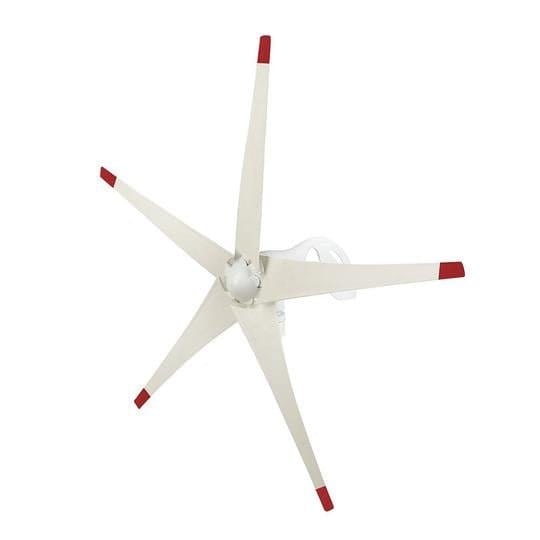
Solar panels recharge the unit using sunlight and are the more common choice for most buyers, since they're simple to set up and don't require a specific location. A wind turbine, included or available with select bundles, adds a second charging source that can keep the battery topped up even during overcast weather or at night, when solar panels aren't producing power. Using both together generally provides more consistent recharging than relying on solar alone, particularly in regions with less reliable sun exposure.
How is Nature's Generator different from other solar generator brands?
Nature's Generator was one of the earliest companies to bring solar generators to market, starting with lead-acid battery models before expanding into the lithium units sold today. The biggest differentiator is the expandable pod system, which lets owners add battery capacity and solar panels incrementally rather than committing to a fixed-capacity unit upfront. That flexibility is less common among competing brands, which more often sell fixed-capacity units without a straightforward expansion path.