 (954) 249-2314
- Sort by Featured
- Sort by Best Selling
- Sort by Alphabetically, A-Z
- Sort by Alphabetically, Z-A
- Sort by Price, low to high
- Sort by Price, high to low
- Sort by Date, new to old
- Sort by Date, old to new
Commercial Solar Generators




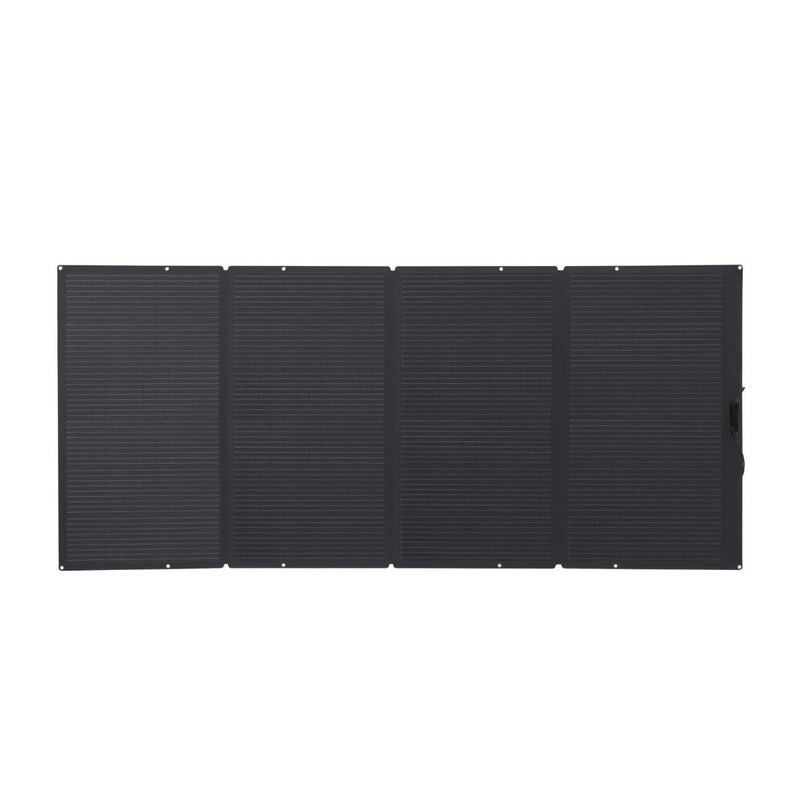
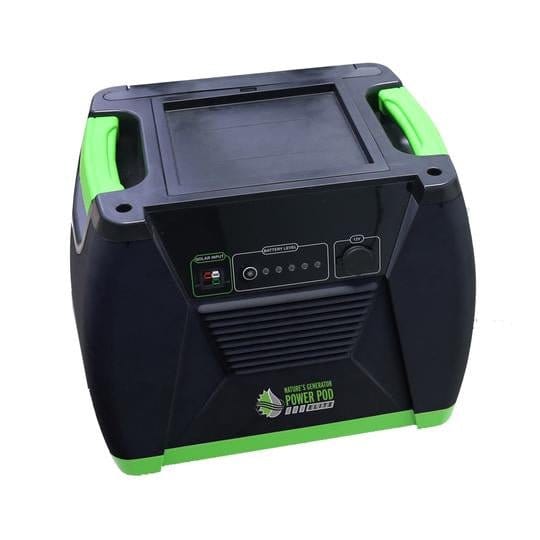
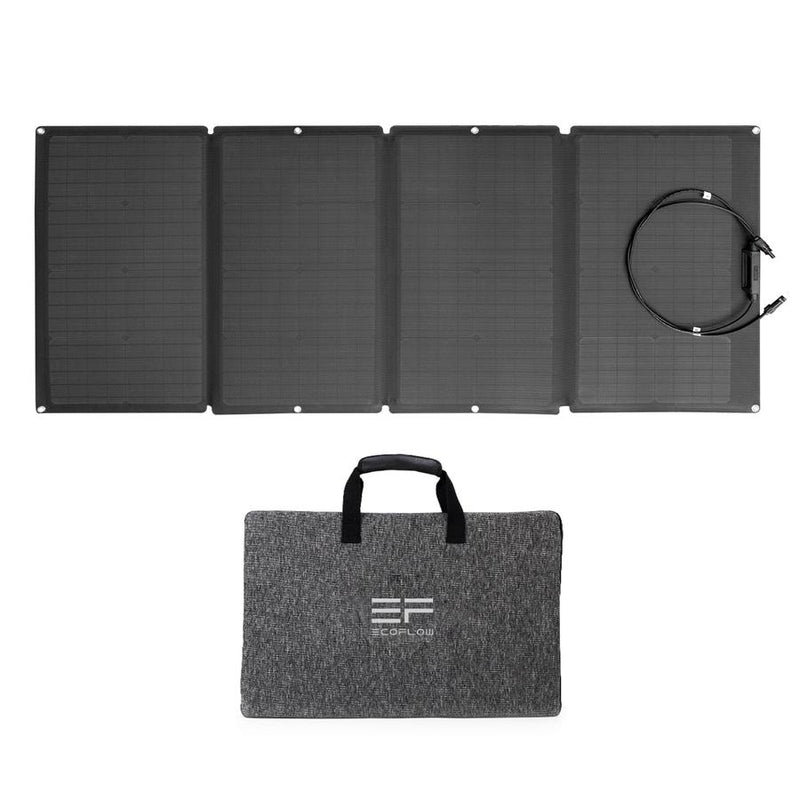
Commercial Solar Generators for Businesses That Never Want to Lose Power
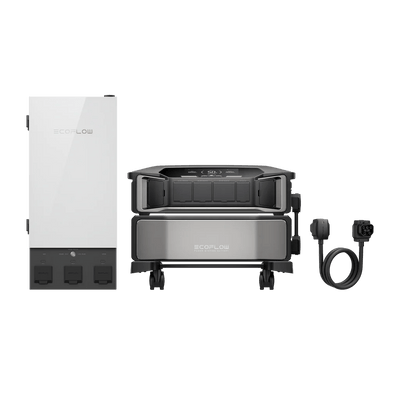
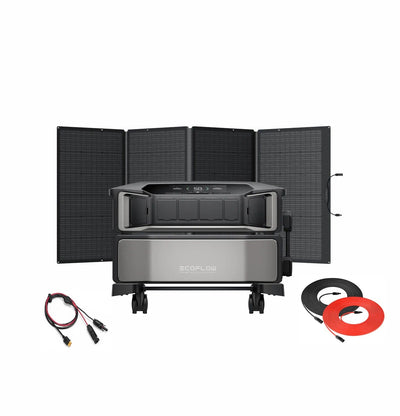
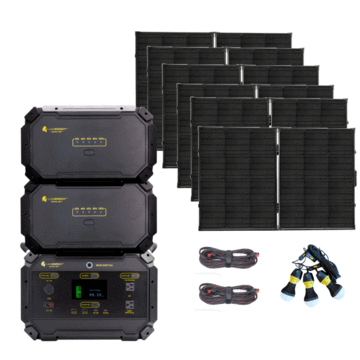
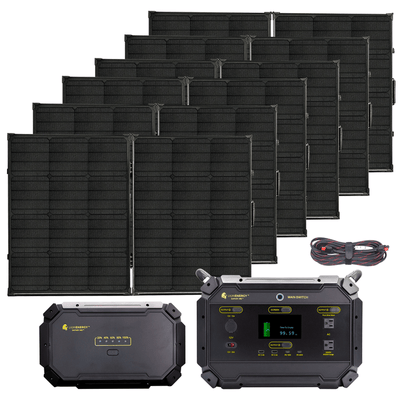
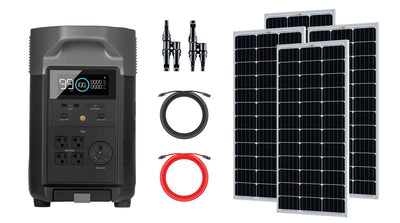
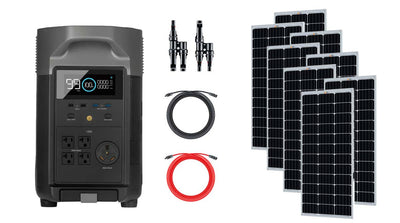
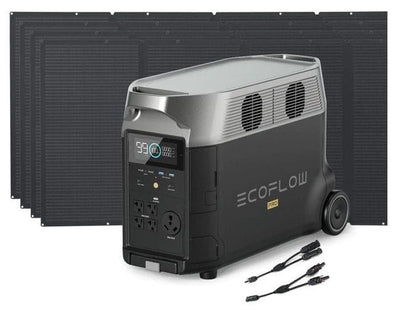
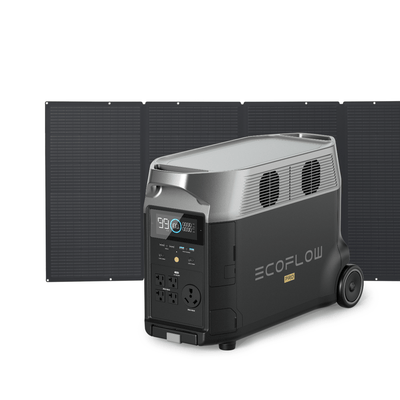
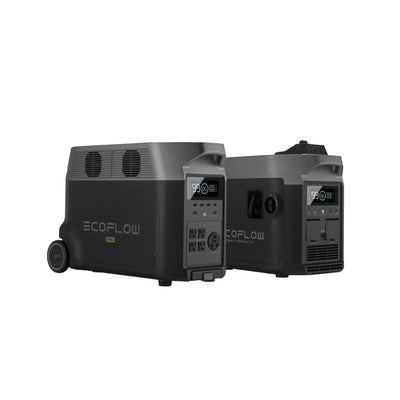
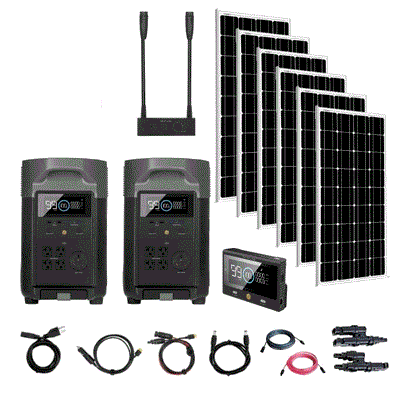
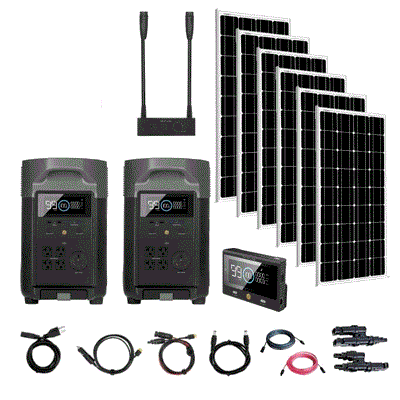
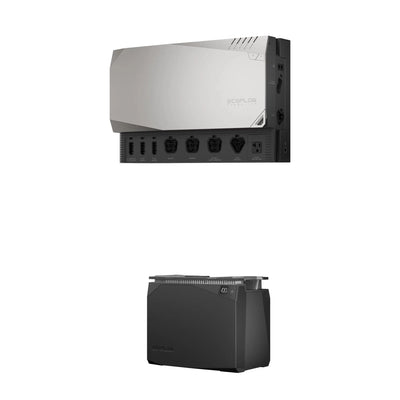
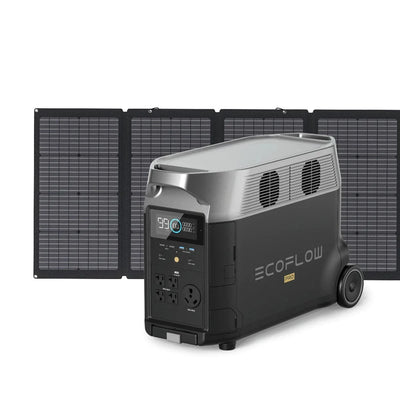
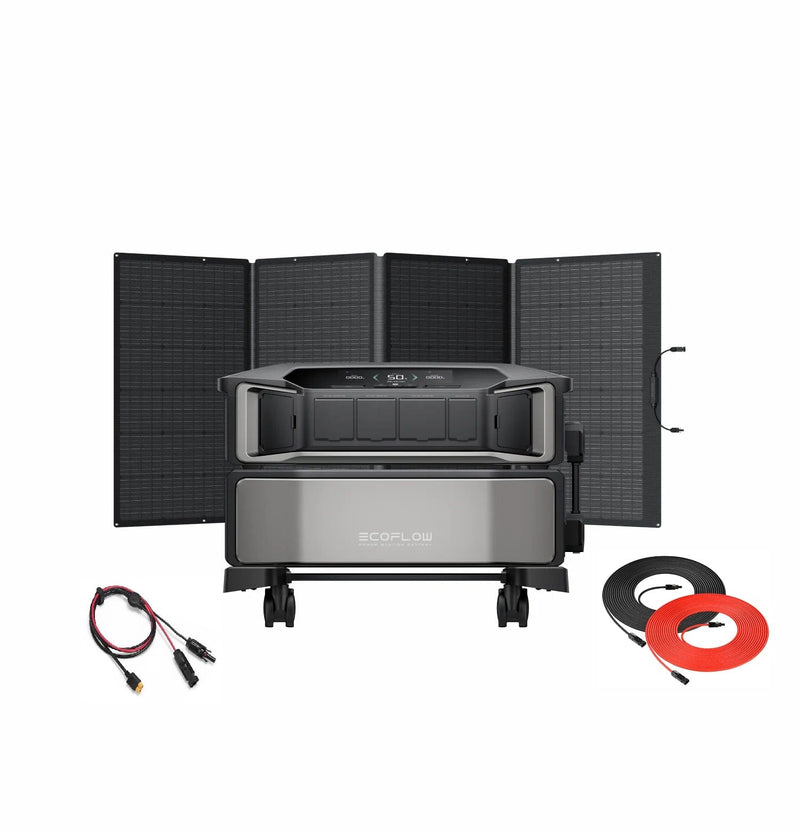
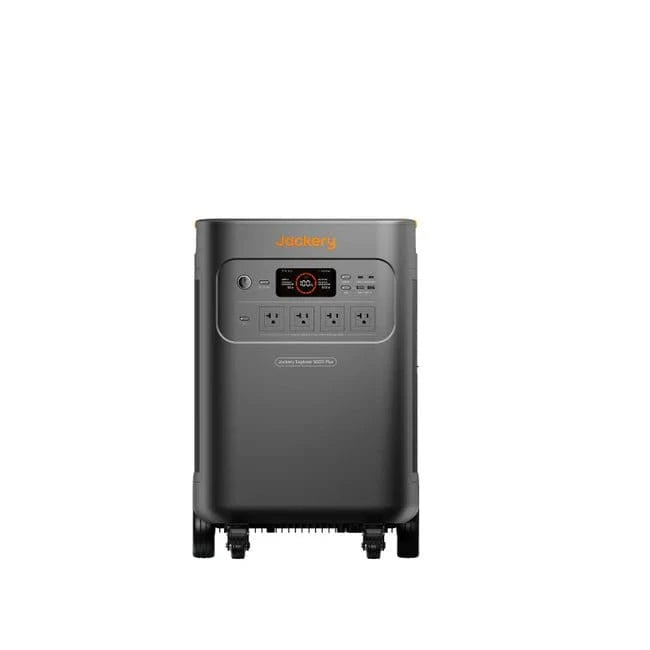
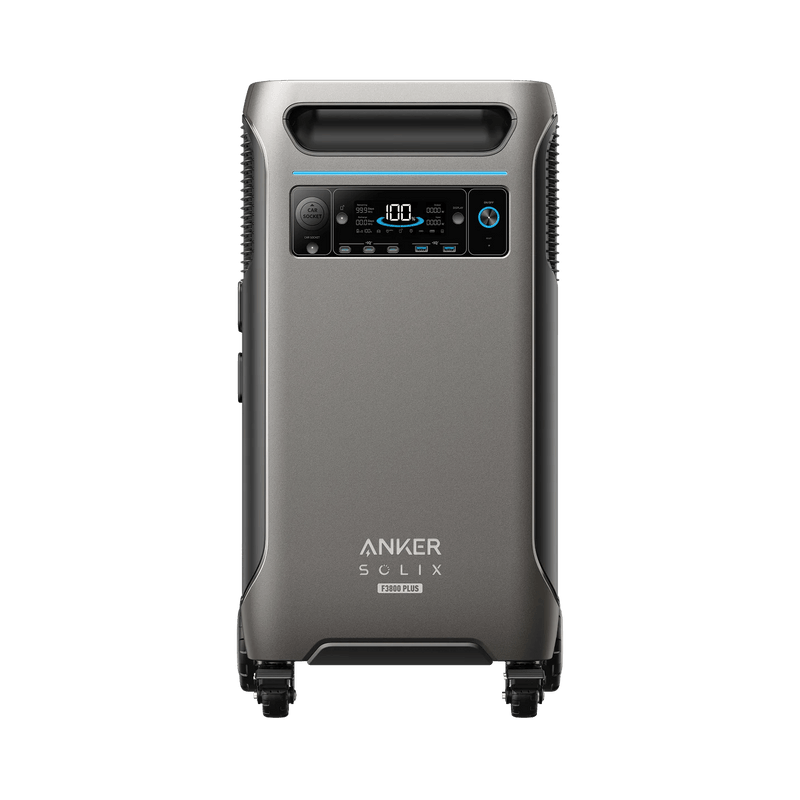
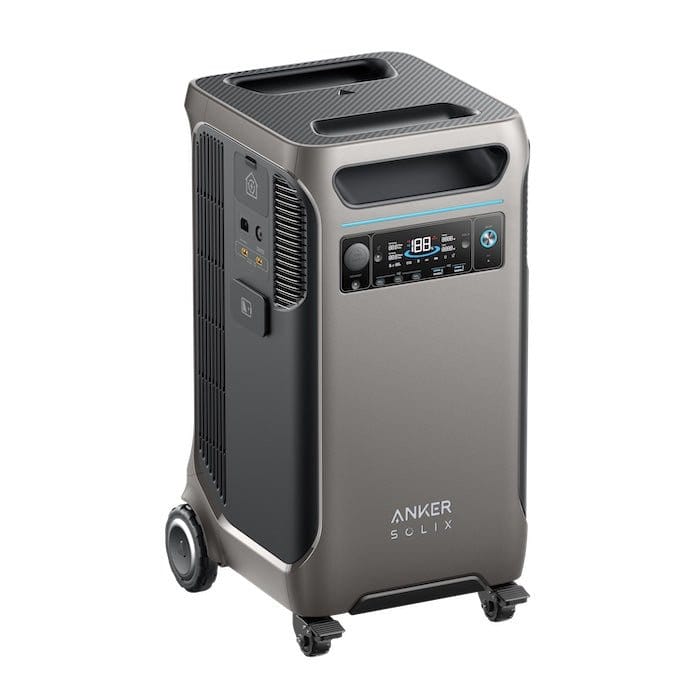
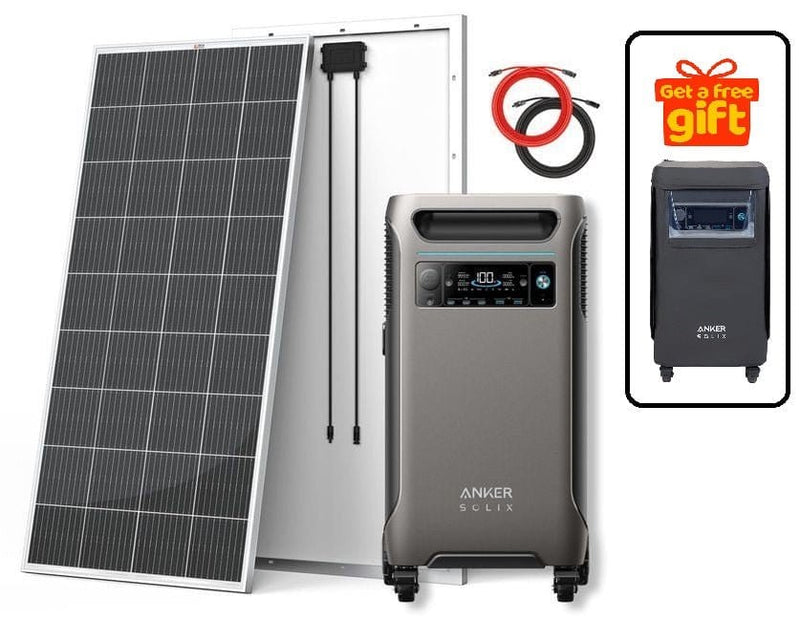
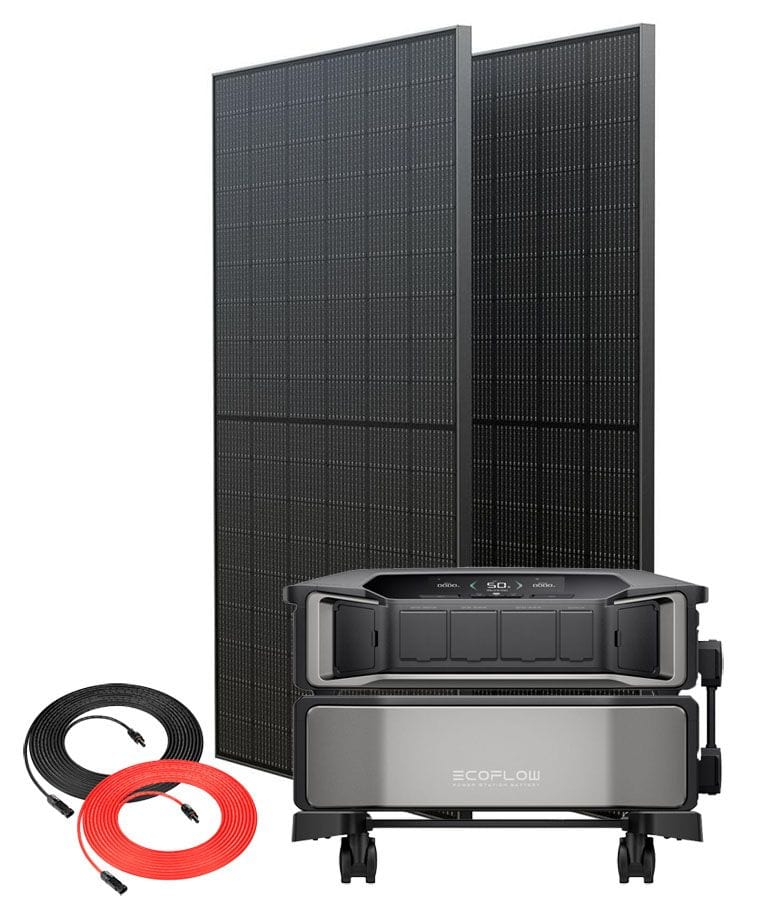
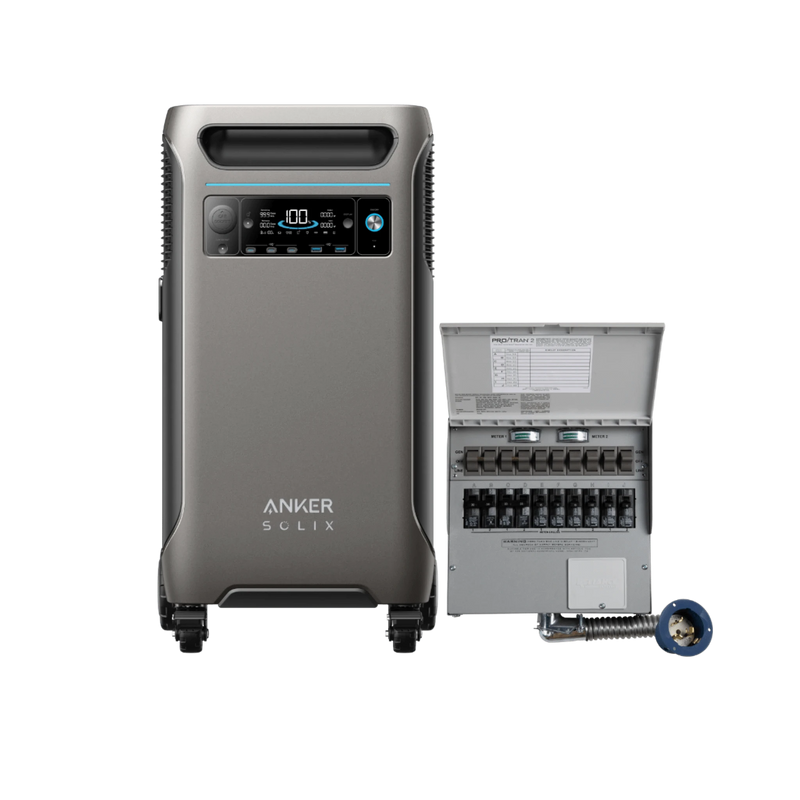
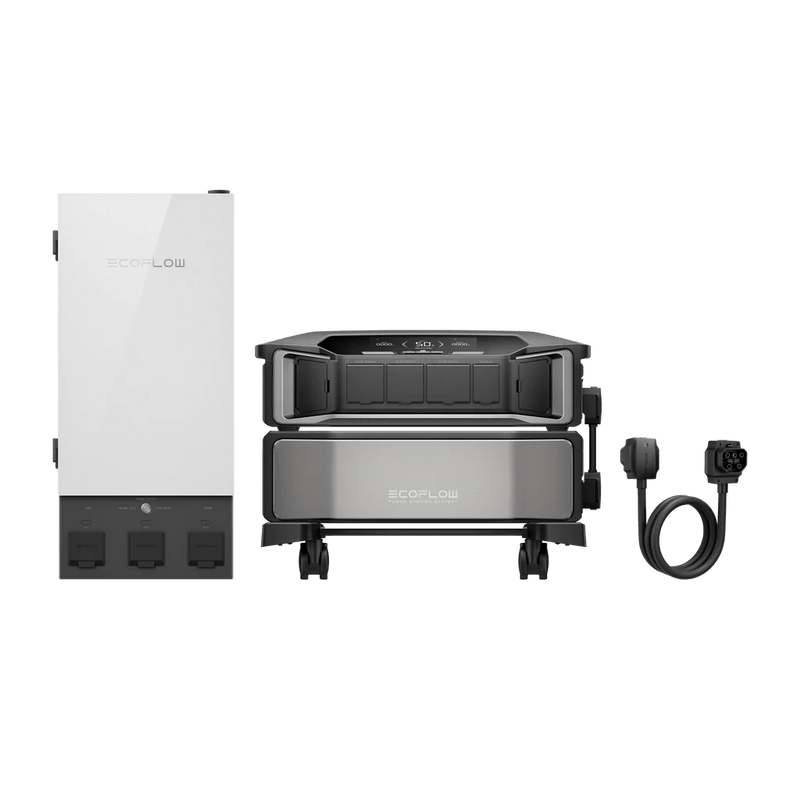
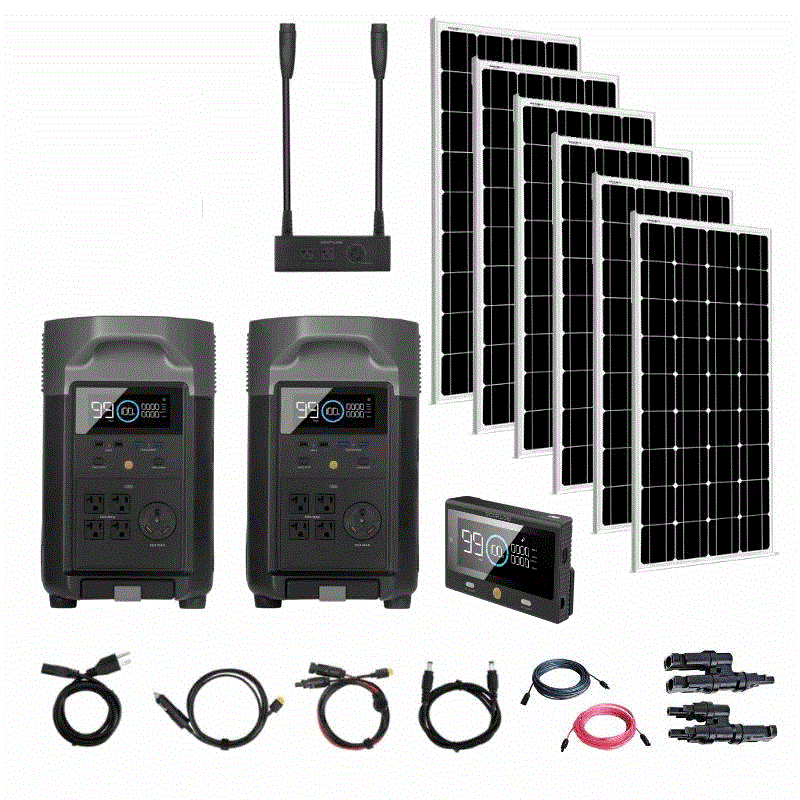
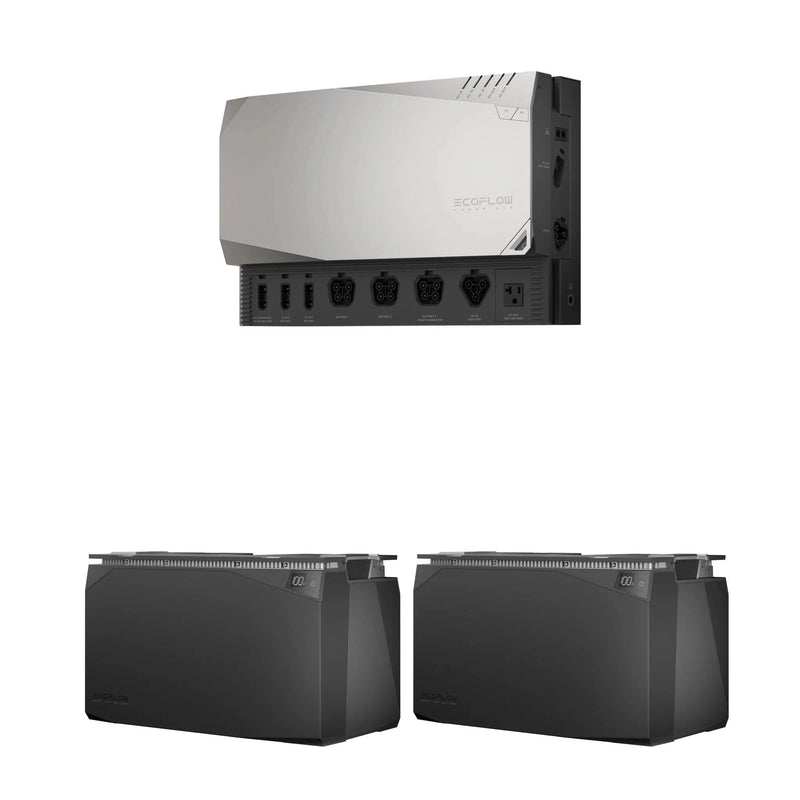
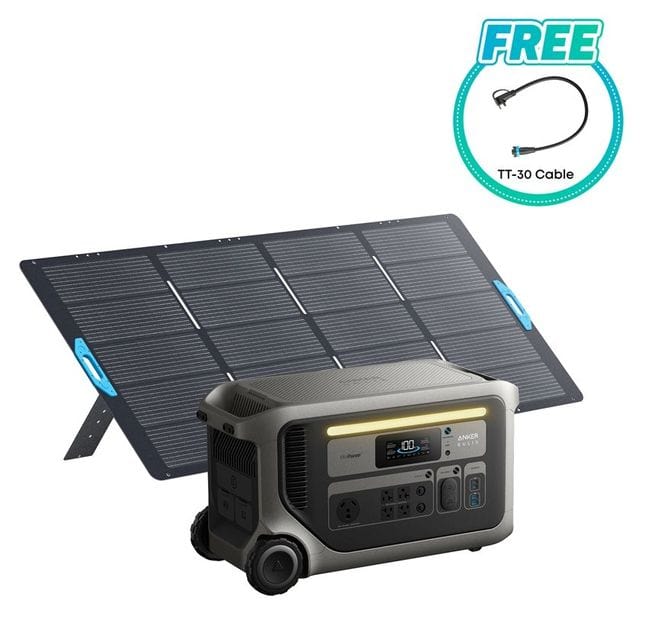
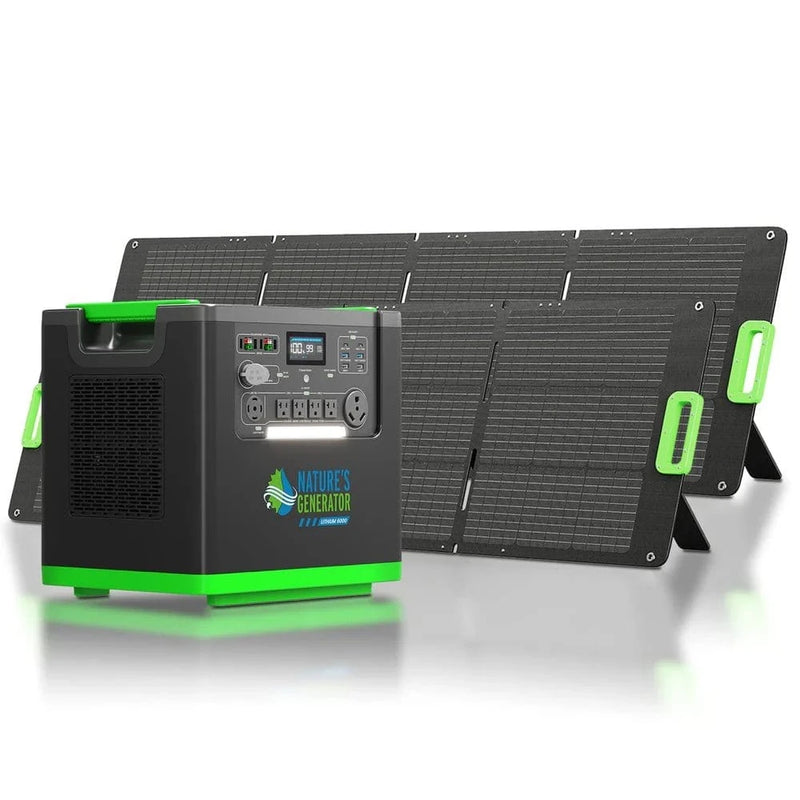
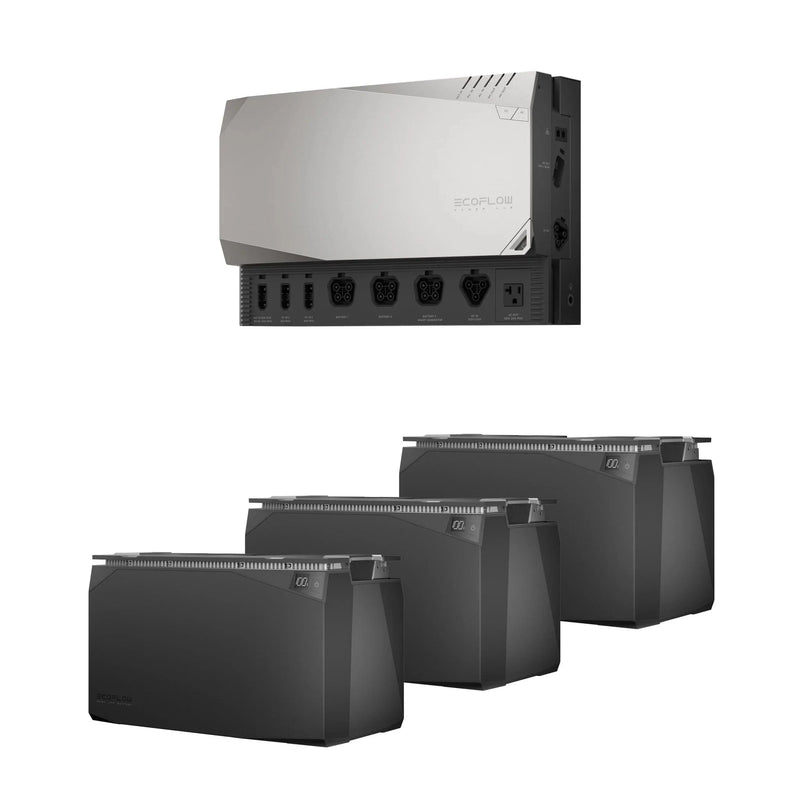
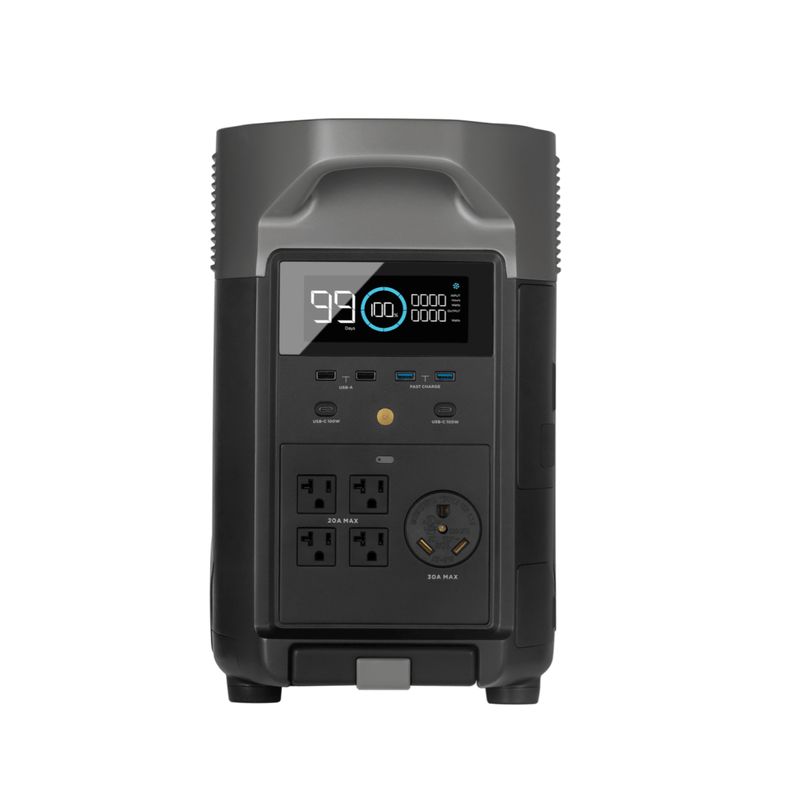
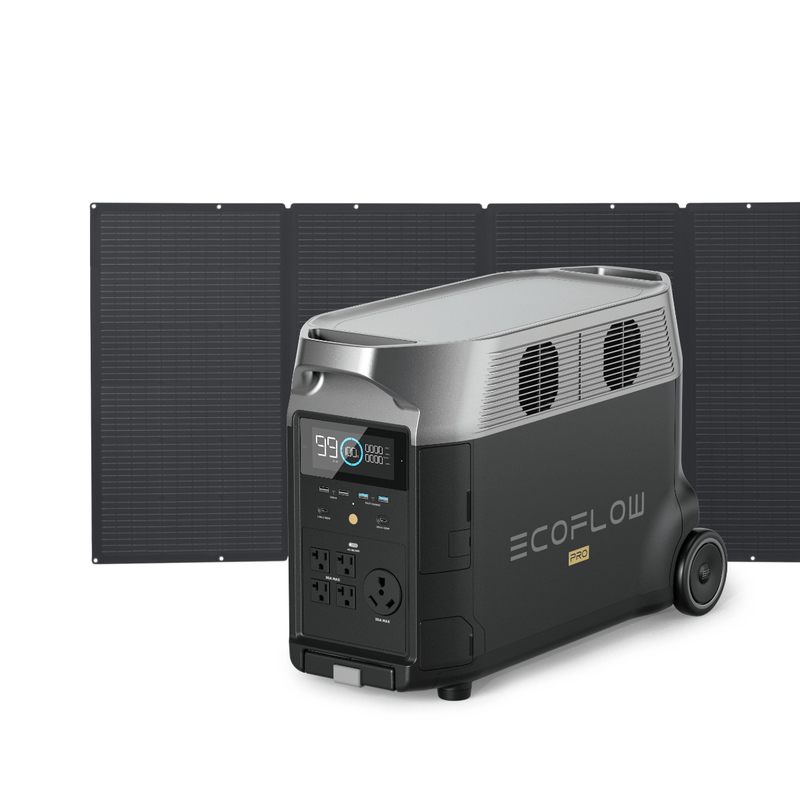
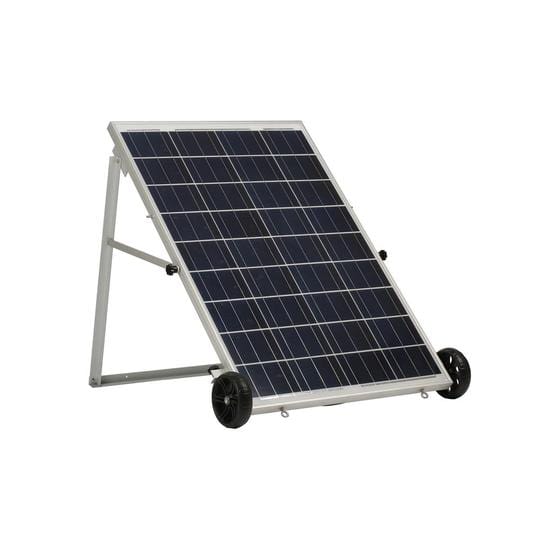
A commercial solar generator replaces the ongoing cost and risk of grid dependency with stored solar power that recharges daily and never runs out of fuel, never needs a fill-up, and never adds to a monthly power bill once it's installed. Our commercial lineup includes EcoFlow's DELTA Pro Ultra and Pro X2 systems, Anker's SOLIX F3800 platform, Jackery's HP3600 Plus and 5000 Plus, Natures Generator PowerHouse and MyGrid Series, Anker E10, LionESS Vault, Cabinet and Container Series, covering a range of capacities suited to businesses, off-grid commercial sites, and properties that need dependable power without a fuel-based generator running in the background.
Why Businesses Choose Solar Over Fuel-Based Backup
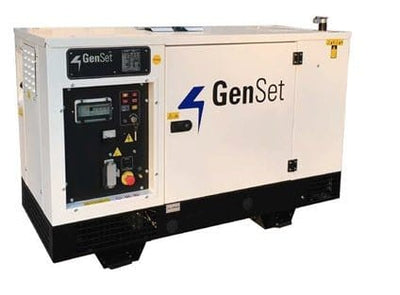
Unlike a gas or diesel commercial generator, a commercial solar power generator has no ongoing fuel cost, no refueling logistics, and no engine maintenance schedule to manage. The tradeoff is a higher upfront investment compared to fuel-powered equivalents, but that cost is offset over time by eliminated fuel expenses and, in many cases, reduced utility bills if the system is sized to offset daily grid usage rather than serving purely as backup. For a full breakdown of how that payback works out over time, our cost savings and break-even analysis walks through the numbers in detail.
Sizing for Continuous Business Operation
Commercial applications typically demand more sustained capacity than residential backup, since a business may be drawing power throughout the day rather than only during occasional outages. Larger systems like the EcoFlow DELTA Pro X2 and Nature's Generator's Powerhouse Platinum Plus are built with that kind of continuous daily cycling in mind, while smaller commercial applications, a remote job site office or a small off-grid retail location, may be well served by a mid-range unit like the Jackery HP3600 Plus or Anker SOLIX F3800.
Financing Available for Commercial Purchases
Given the upfront investment involved, we now offer commercial financing through Navitas Credit Corp, making it easier for businesses to spread the cost of a solar generator system across manageable payments rather than a single large purchase. For details on financing options and terms, reach out directly to discuss what fits your business's budget and equipment needs.
Frequently Asked Questions
How long does it actually take for a commercial solar generator to pay for itself?
This depends on your current fuel or utility costs, how heavily the system is used, and its total capacity, but the general principle is that a solar generator begins offsetting costs the day it's put into use, with the payback period shortening the more consistently it replaces fuel expenses or grid usage. Our break-even analysis page walks through the specific math so you can estimate a realistic payback timeline based on your business's actual usage patterns rather than a generic industry average.
Is a commercial solar generator different from a residential one, or just bigger?
The core technology is largely the same, battery storage recharged by solar, but commercial applications often call for higher continuous capacity and more robust expansion options, since a business may be drawing power throughout the workday rather than only during an occasional outage. Systems like the DELTA Pro X2 or Powerhouse Platinum Plus are positioned for that heavier, more continuous demand, whereas smaller residential-focused units may not have the sustained output commercial use requires.
Does financing require a down payment, or can the full cost be financed?
Financing terms through Navitas Credit Corp vary based on the specific equipment and your business's qualifications, so the most accurate answer comes from speaking directly with our commercial financing contact rather than assuming a standard down payment structure applies universally. Reaching out before finalizing your equipment selection lets you factor financing terms into which system size makes the most financial sense for your business.