 (954) 249-2314
- Sort by Featured
- Sort by Best Selling
- Sort by Alphabetically, A-Z
- Sort by Alphabetically, Z-A
- Sort by Price, low to high
- Sort by Price, high to low
- Sort by Date, new to old
- Sort by Date, old to new
Dual Fuel Hybrid Generators
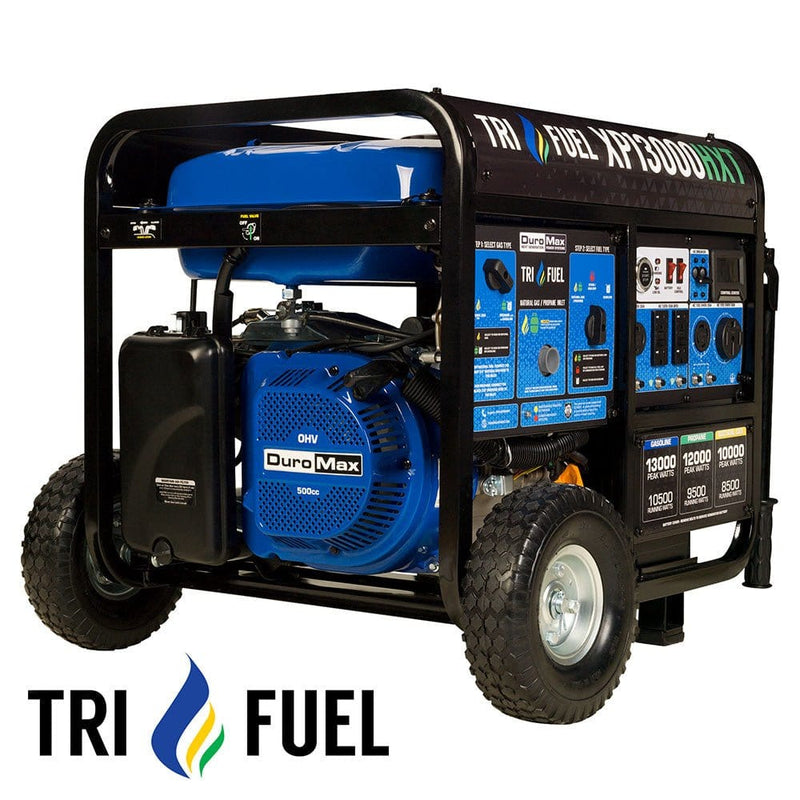
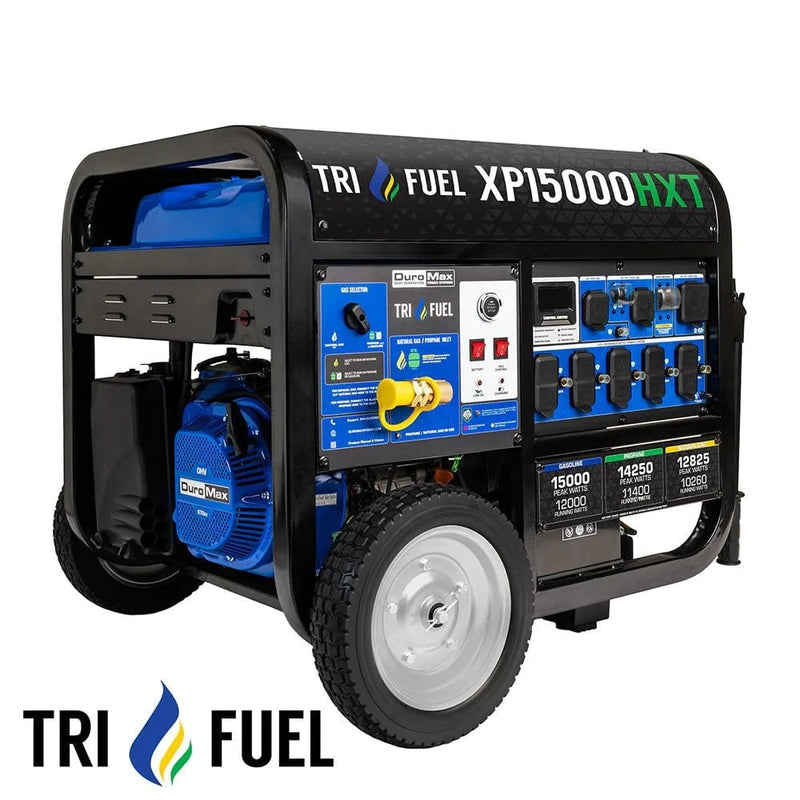
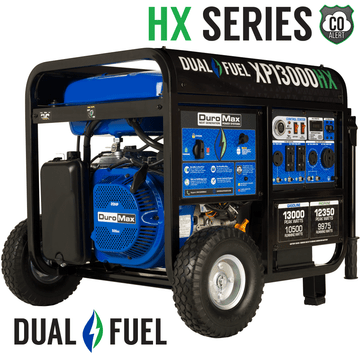
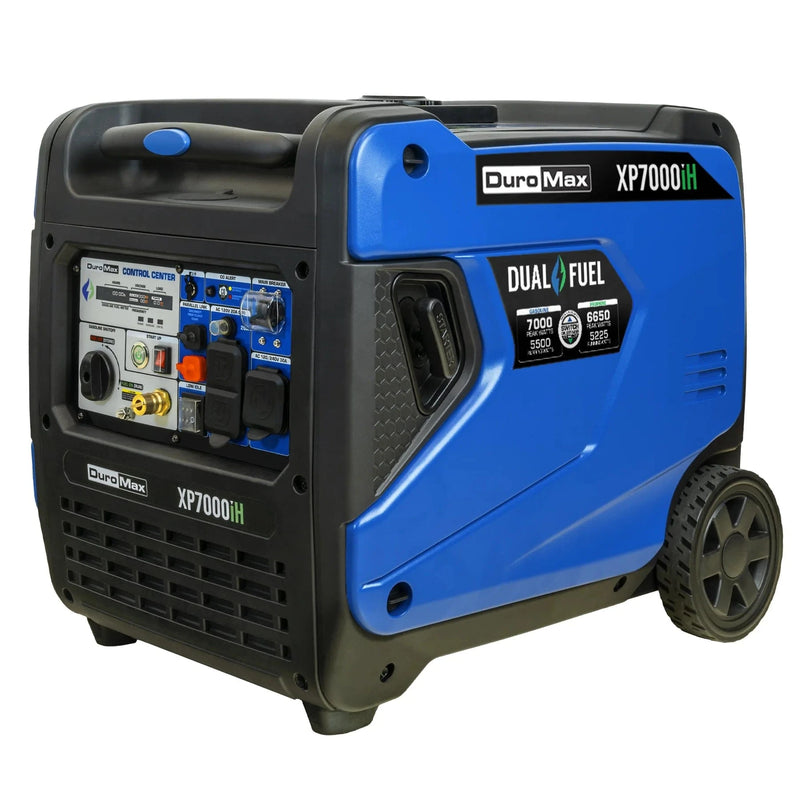

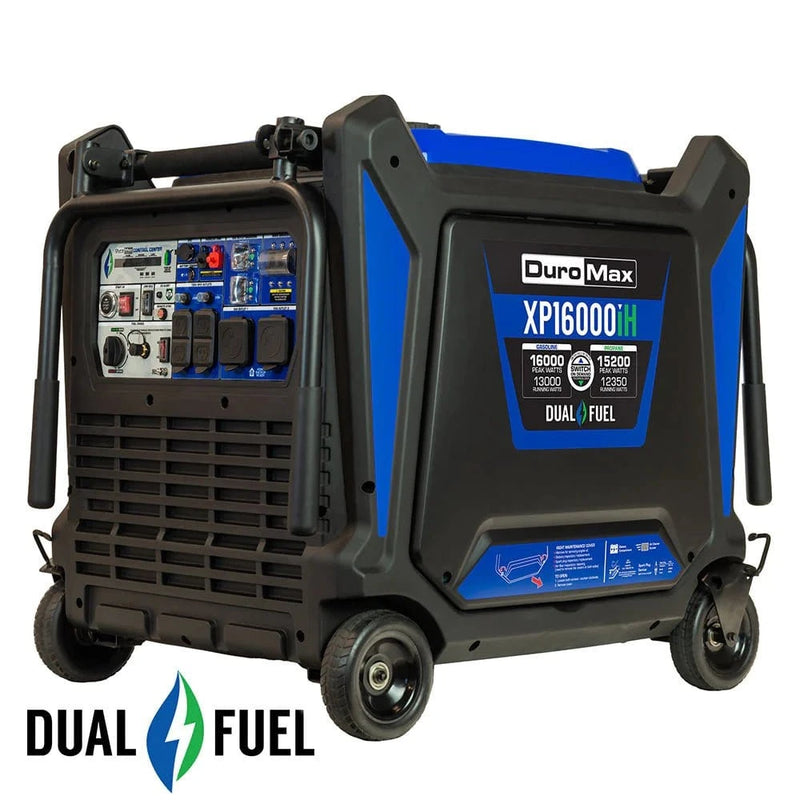
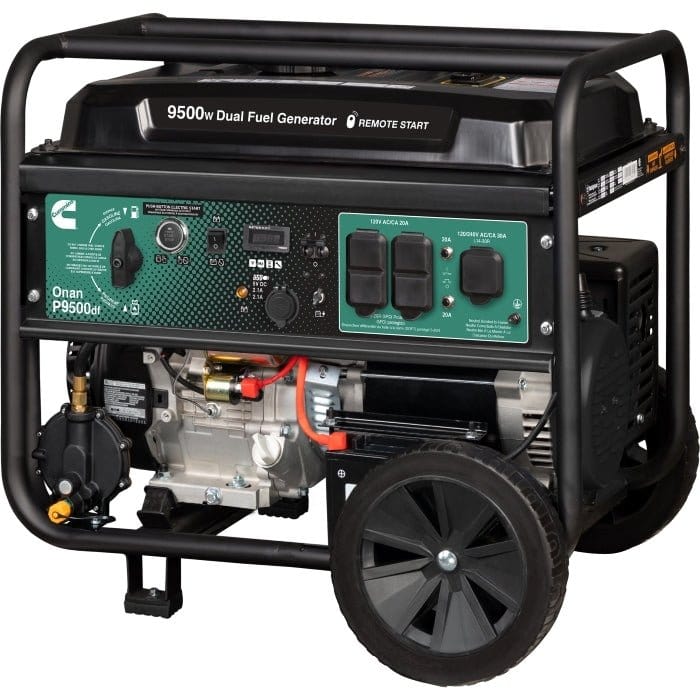
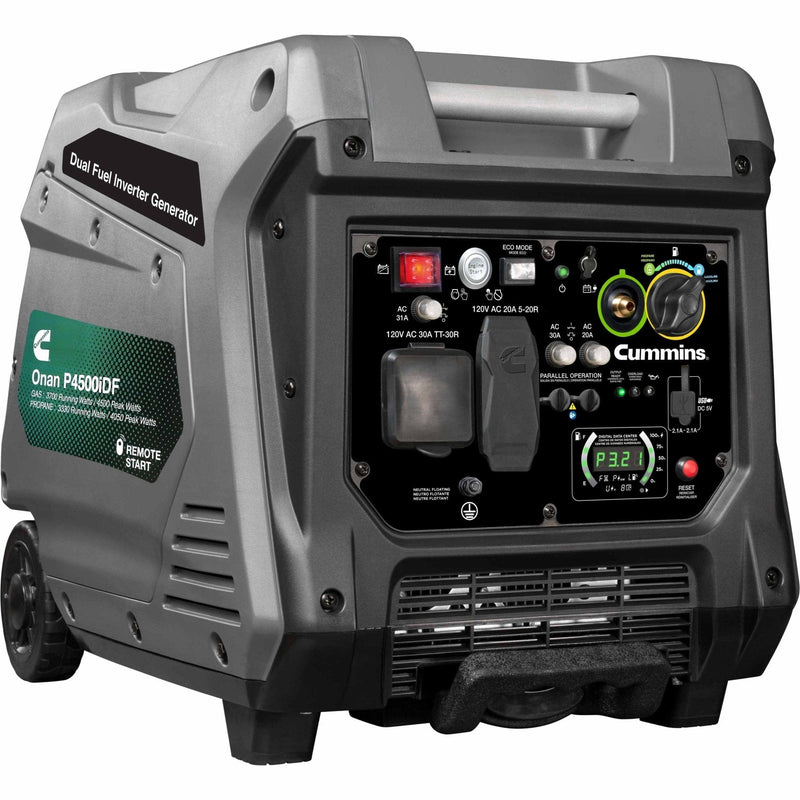
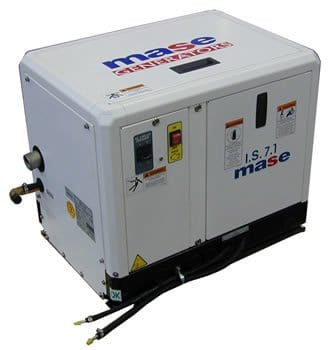
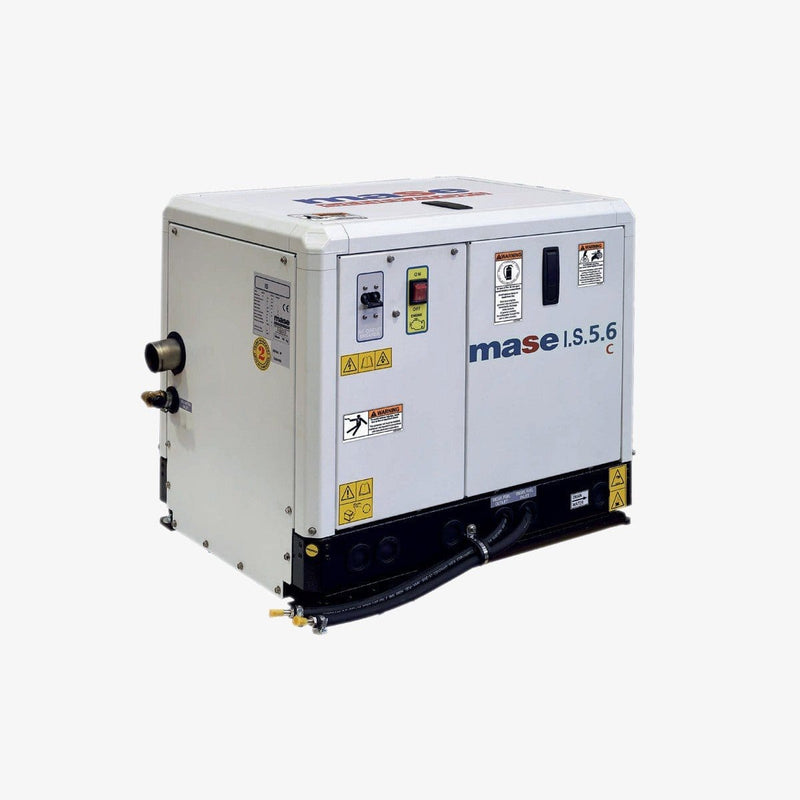
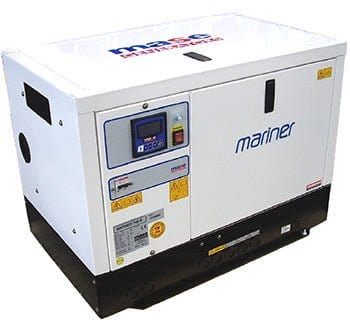
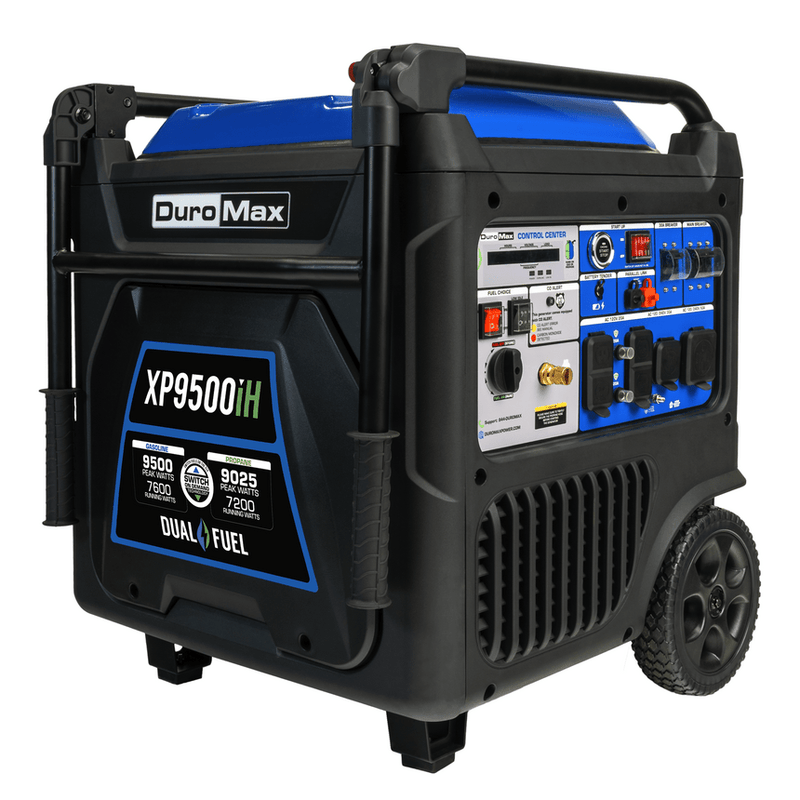
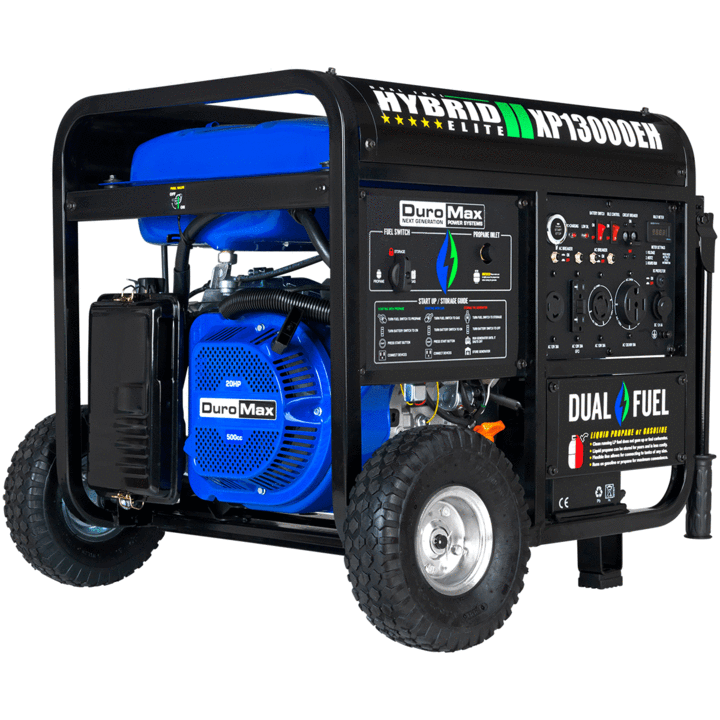
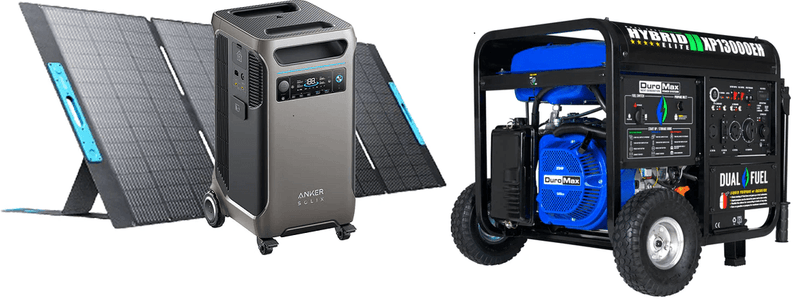
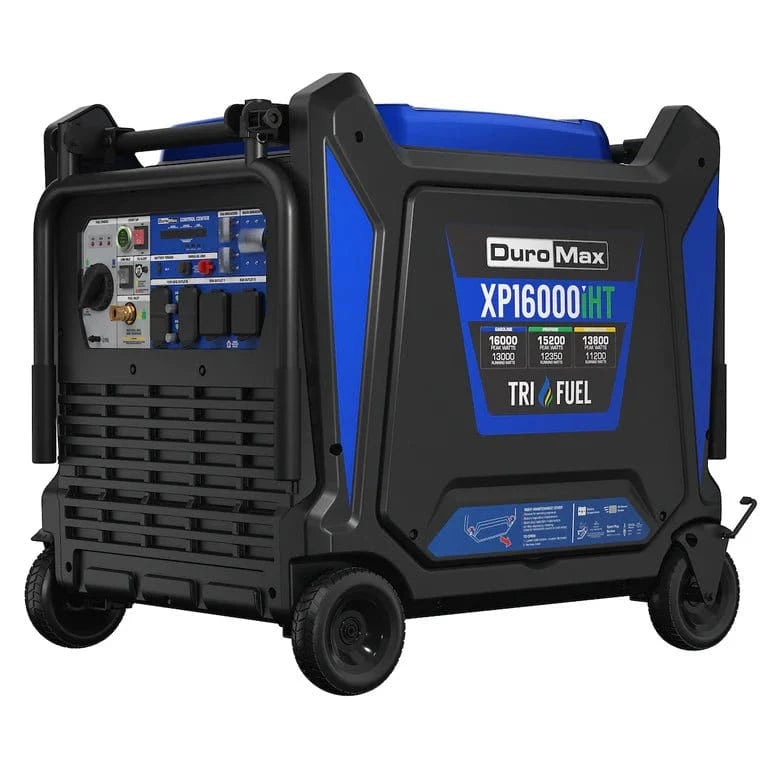
Dual Fuel Generators That Run on Gas or Propane
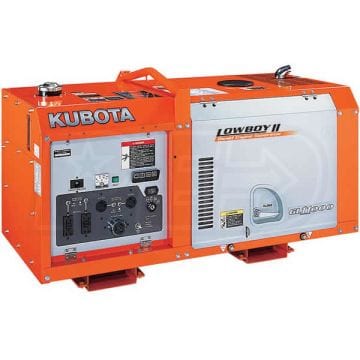
A dual fuel generator gives you the option to run on either gasoline or propane, switching between the two depending on what's on hand during an outage. That flexibility solves a common problem: gas stations selling out in the days after a storm, or a propane tank running dry with no easy way to refill it. Running low on one fuel doesn't mean losing power entirely when a dual-fuel generator is in the mix, since you can simply switch to the other source and keep going.
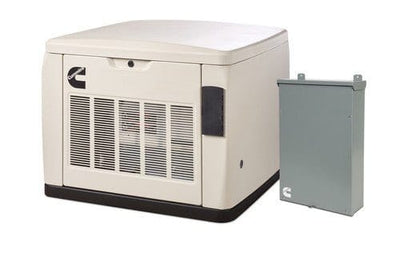
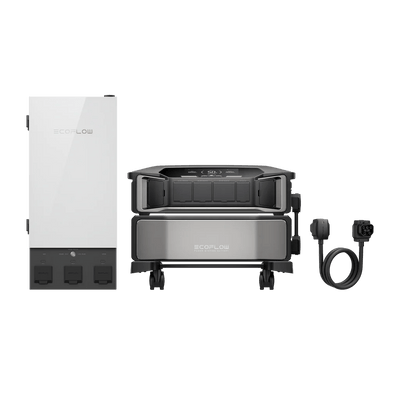
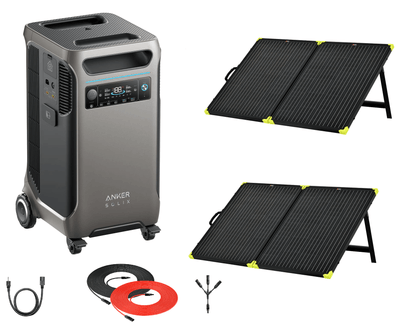
We carry dual fuel generators from several established manufacturers, including DuroMax, Cummins, and Anker, each suited to slightly different use cases depending on whether you need portable backup, whole-home standby power, or a battery-based hybrid setup.
Dual Fuel vs Tri Fuel: Which One Do You Need?
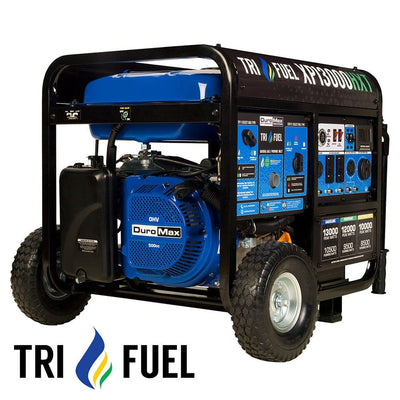
If you have a natural gas line at your home or business, it's worth considering a tri fuel model instead, like the DuroMax 13,000 watt tri fuel generator, which adds natural gas as a third fuel option alongside gas and propane. A generator dual fuel setup covers most situations well on its own, particularly for buyers without a natural gas hookup, but the tri fuel option is worth the extra cost if unlimited fuel supply matters more than upfront price.
Sizing a Dual Fuel Generator for Your Situation
Home backup typically calls for at least 8,000 watts to cover essential appliances, while job sites often do fine with something closer to 4,000 watts. Because a dual fuel generator is frequently used as primary backup during extended outages rather than occasional use, sizing up rather than cutting it close gives you more margin if you add appliances or equipment later. It's also worth noting that output on propane typically runs somewhat lower than on gasoline, so a unit rated near its maximum on gas may deliver less once switched to propane.
Frequently Asked Questions
How do I switch a dual fuel generator between gas and propane?
Most dual fuel units have a selector switch that lets you manually choose the active fuel source, and the process is generally simple enough to handle without any technical background. The main thing to get right is making sure the engine isn't drawing from both fuel lines at once; fully shutting off or exhausting one source before switching to the other keeps the engine running cleanly. Your specific model's manual will lay out the exact switching steps, since the process can vary slightly between manufacturers.
Is a dual fuel generator different from a standard gas-only generator?
A dual fuel generator has an added fuel system and selector switch that lets it run on propane in addition to gasoline, while a standard unit is built to run on gas alone. The dual fuel version typically costs somewhat more upfront, but that added cost buys real flexibility during extended outages when gasoline supply becomes unpredictable. For anyone who's dealt with running low on fuel mid-storm before, that flexibility tends to be worth the price difference.
Do I need to store both gasoline and propane to actually use a dual fuel generator?
Not necessarily; the generator will run fine on just one fuel type if that's all you have available. That said, the main advantage of owning a dual fuel unit is having both options ready, so most owners do keep a stored propane tank on hand alongside whatever gasoline they'd normally have for a single-fuel generator. Propane has the added benefit of not degrading in storage the way gasoline does, so it's a reliable backup to keep on standby even if it rarely gets used.
Will a dual fuel generator be ready in time if I order right before a storm?
Overnight shipping isn't realistic for generators of this size, since most manufacturers don't offer expedited freight and rush shipping costs can run several times the price of the unit itself. Ordering as soon as a storm system starts forming in the Atlantic gives the generator time to arrive, get set up, and be tested on both fuel types before you actually need it. Waiting until landfall is imminent is one of the most common mistakes we see from buyers during hurricane season.