 (954) 249-2314
- Sort by Featured
- Sort by Best Selling
- Sort by Alphabetically, A-Z
- Sort by Alphabetically, Z-A
- Sort by Price, low to high
- Sort by Price, high to low
- Sort by Date, new to old
- Sort by Date, old to new
Automatic Generator Transfer Switches


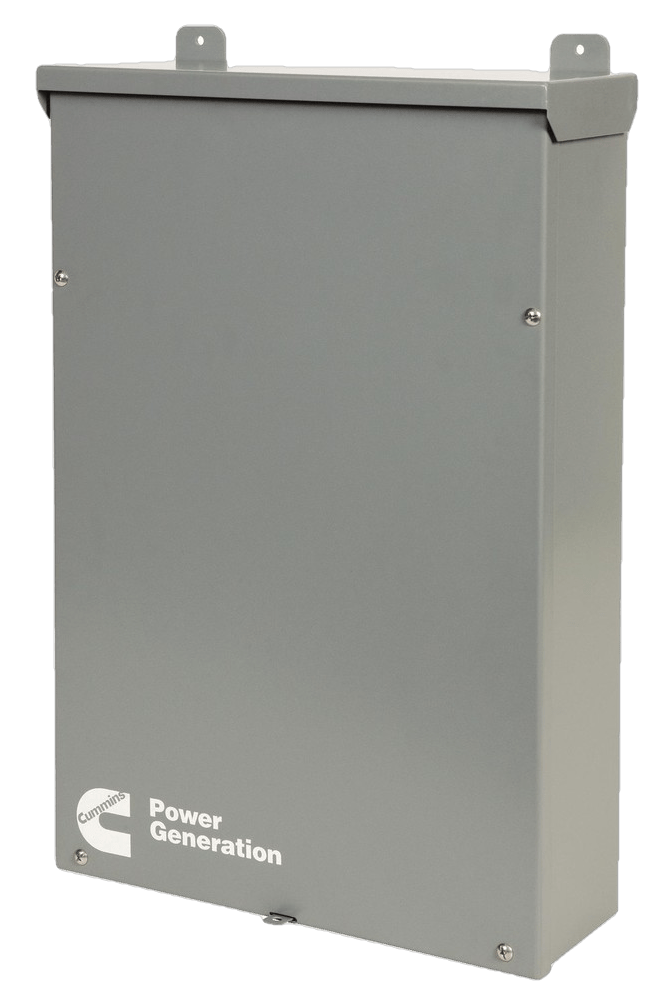


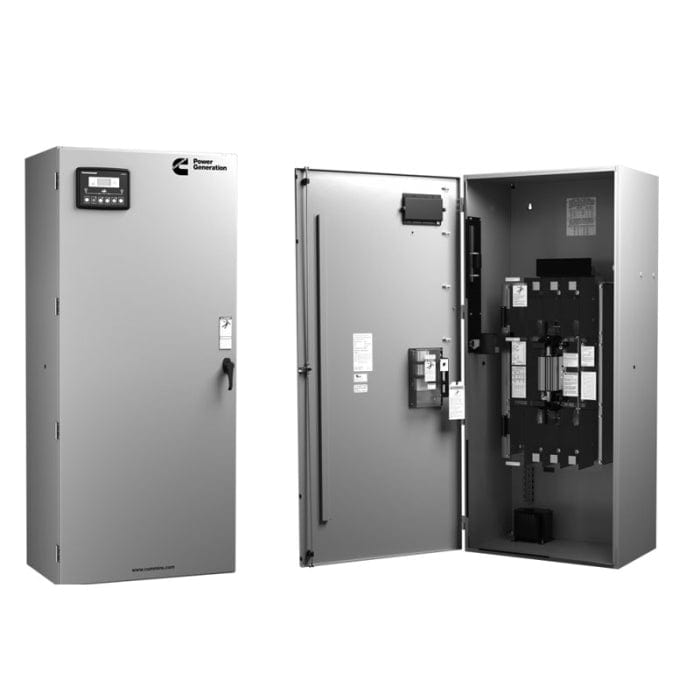
Automatic Generator Transfer Switches for Hands-Free Backup
An automatic generator transfer switch detects a power outage and switches your home over to backup power within seconds, without anyone needing to be present to flip a switch or start a generator manually. This collection covers automatic switching hardware for both fuel-based standby systems, Cummins' 100-Amp and 400 Amp models, and battery-based whole-home systems, Nature's Generator's 50A and 125A switches and Anker's SOLIX Power Dock for the E10 system.
How Automatic Switching Actually Works
An automatic transfer switch for generator setups continuously monitors incoming utility power, and the moment it detects an outage, it signals the paired generator or battery system to start or activate, then safely disconnects your home from the grid and connects it to backup power instead. Once utility power returns, the switch reverses the process automatically, reconnecting to the grid and shutting down the backup source. This entire sequence typically completes within seconds, which is the core advantage over a manual switch that requires you to be home and available to act during the outage.
Matching Amperage to Your System
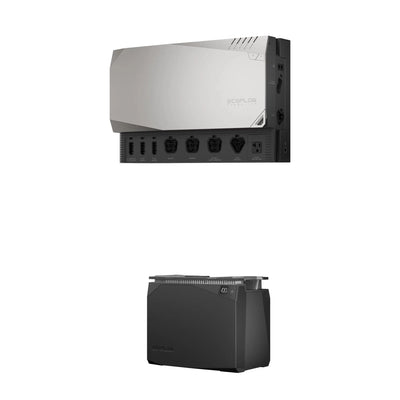
Cummins' 100-Amp RA-100-NSE pairs with smaller RS and RX series standby generators, while the 400 Amp model scales up for larger standby installations. On the battery side, Nature's Generator's 50A switch covers up to 24 circuits, and the 125A model extends to 24-48 circuits for larger whole-home battery backup, matching systems like the MyGrid 10K. Anker's SOLIX Power Dock is purpose-built specifically for the E10 Whole-Home Backup System, rated across its full 6-90kWh range, so it isn't interchangeable with switches designed for other brands' systems.
Frequently Asked Questions
How quickly does an automatic transfer switch actually restore power?
Most automatic switches complete the full detection-and-switch sequence within about 10 to 30 seconds of an outage starting, which accounts for the switch confirming the outage isn't momentary, signaling the generator or battery system to activate, and then completing the actual circuit switch. This is fast enough that most sensitive electronics with battery backup, like a computer's UPS, bridge the gap without any disruption, though devices without their own backup power will experience a brief interruption during that window.
Does an automatic transfer switch work the same way with a battery system as it does with a fuel generator?
The core function is similar, detecting an outage and switching your circuits to backup power, but battery-based switches like Anker's SOLIX Power Dock or Nature's Generator's automatic models don't need to trigger an engine start sequence, since the battery system is typically already charged and ready to discharge instantly. This can make battery-based automatic switching even faster in practice, since there's no engine cranking or warm-up time involved before backup power is available.
Can I install an automatic transfer switch myself, or do I need an electrician?
Installation involves connecting the switch to your home's main electrical panel and to your generator or battery system, which requires working with your home's primary electrical supply and generally requires a licensed electrician to meet local code and ensure a safe, correct installation. Most areas also require a permit and inspection for this type of electrical work, so this isn't typically a project suited to DIY installation regardless of how straightforward the switch itself seems.