 (954) 249-2314
- Sort by Featured
- Sort by Best Selling
- Sort by Alphabetically, A-Z
- Sort by Alphabetically, Z-A
- Sort by Price, low to high
- Sort by Price, high to low
- Sort by Date, new to old
- Sort by Date, old to new
EcoFlow Whole House Backup



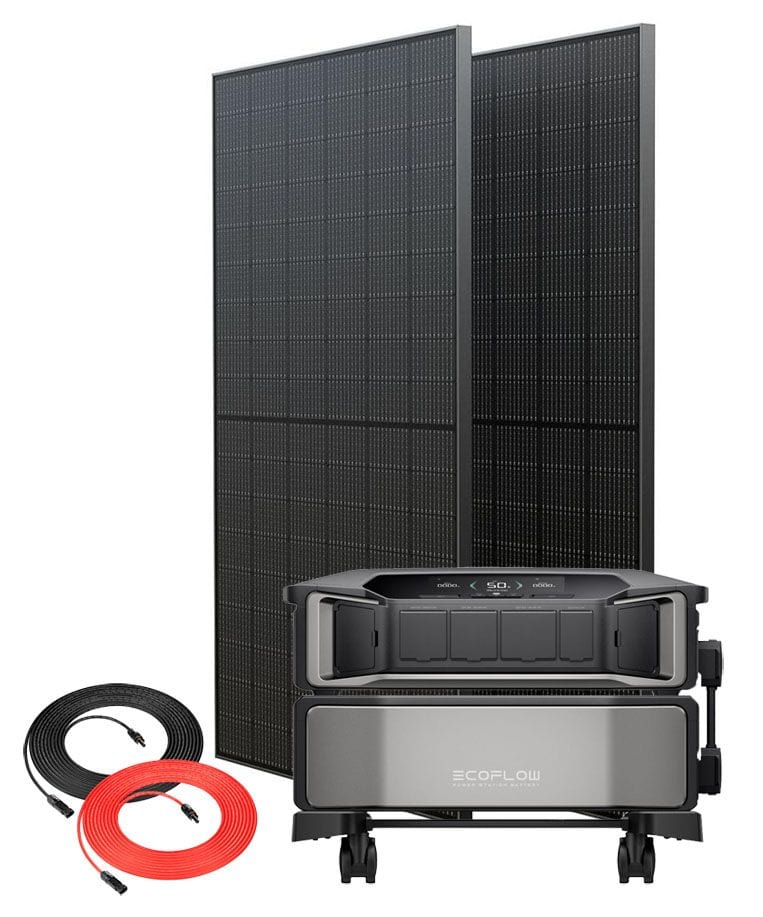


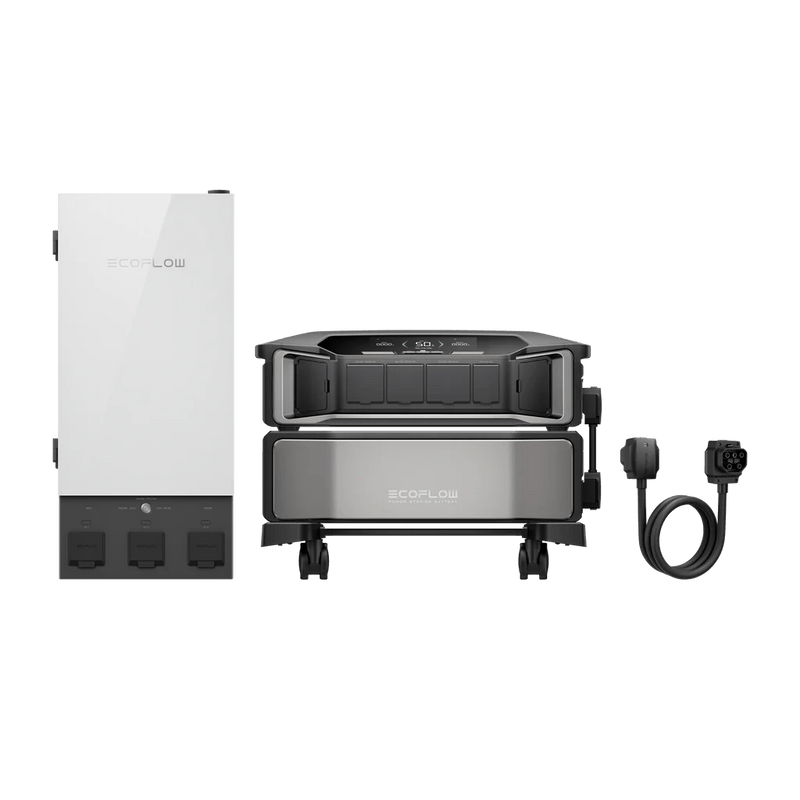


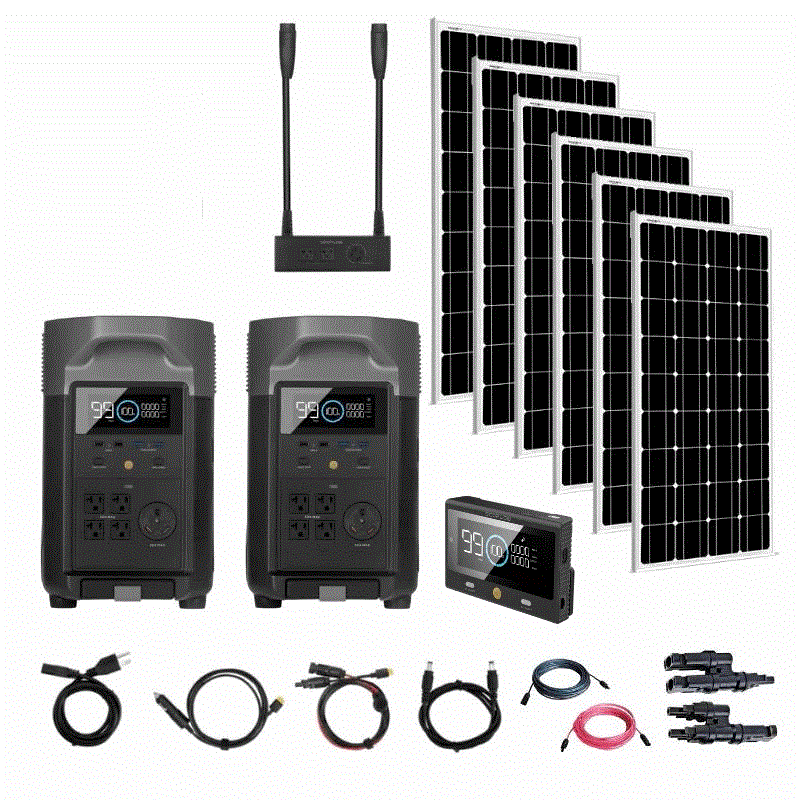


EcoFlow Home Backup Systems for Every Size of House
Power outages are getting longer. The U.S. Energy Information Administration reports that the average American electricity customer lost power for about 11 hours in 2024, nearly twice the yearly average of the previous decade, with hurricanes and other major weather events driving most of that time. An EcoFlow home backup system keeps your refrigerator, lights, WiFi, and HVAC running through those hours without a gas can in sight. This collection brings together EcoFlow's battery stations, solar bundles, smart panels, and fuel-based chargers, from compact DELTA 3 units to expandable multi-battery installations.
Choosing a Tier for EcoFlow Whole Home Backup
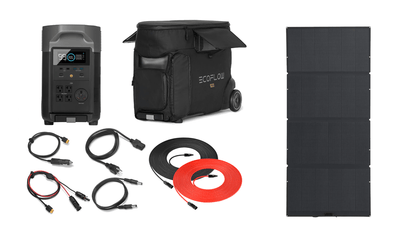
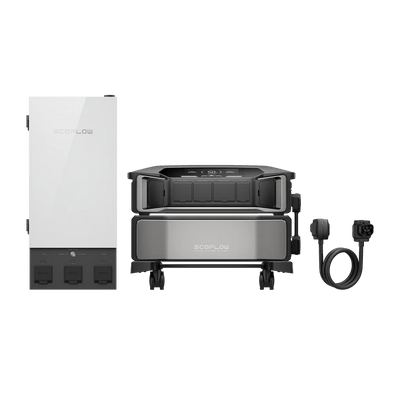
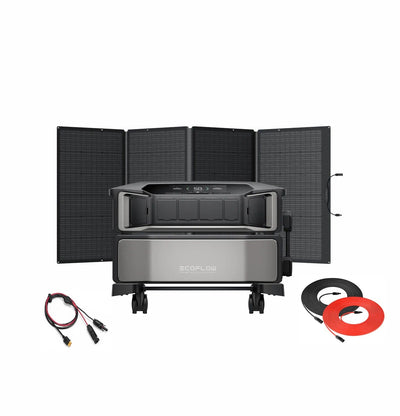
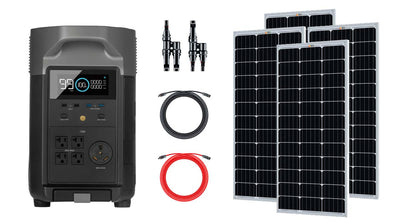
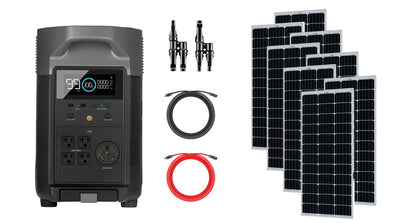
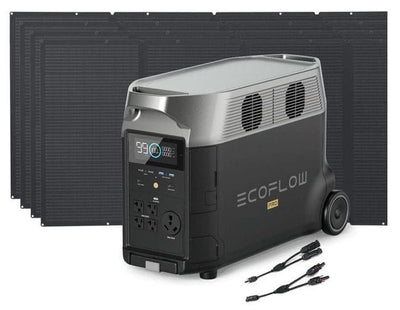
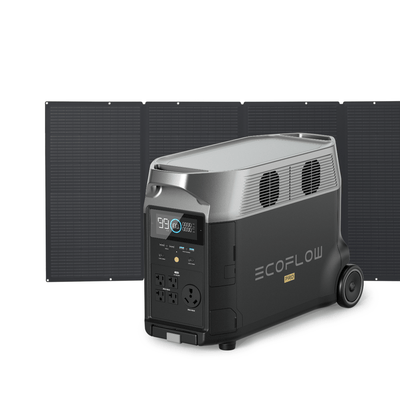
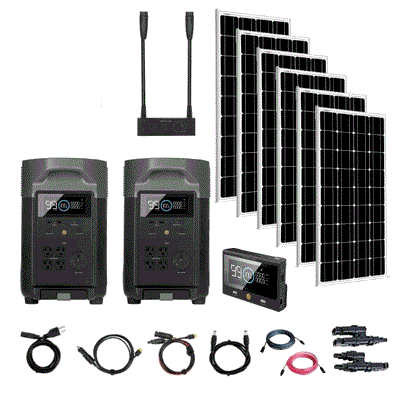
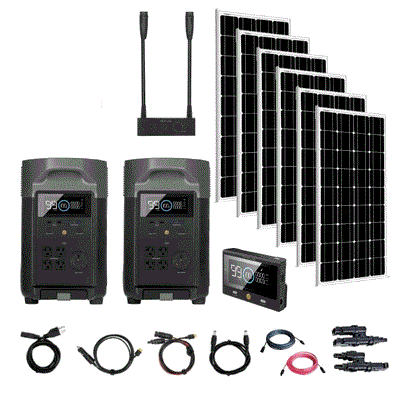
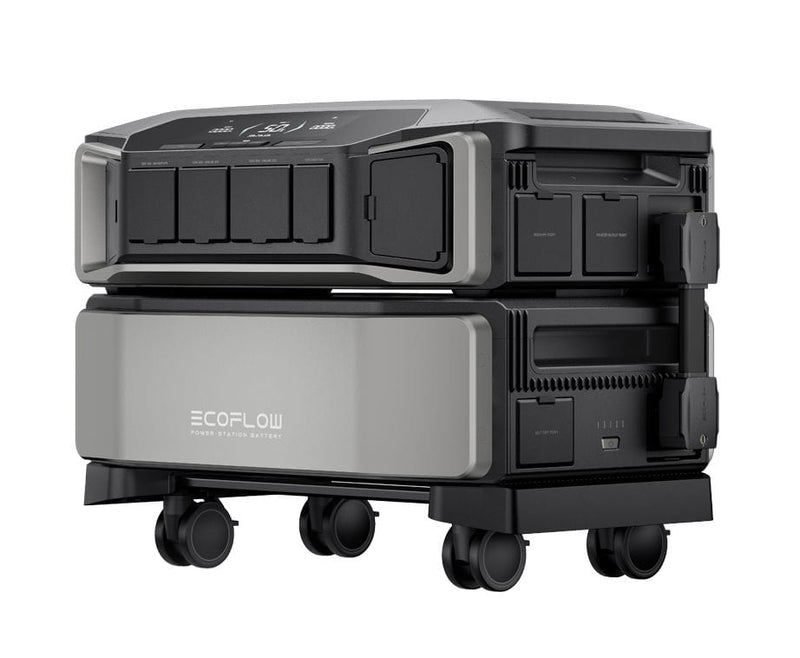
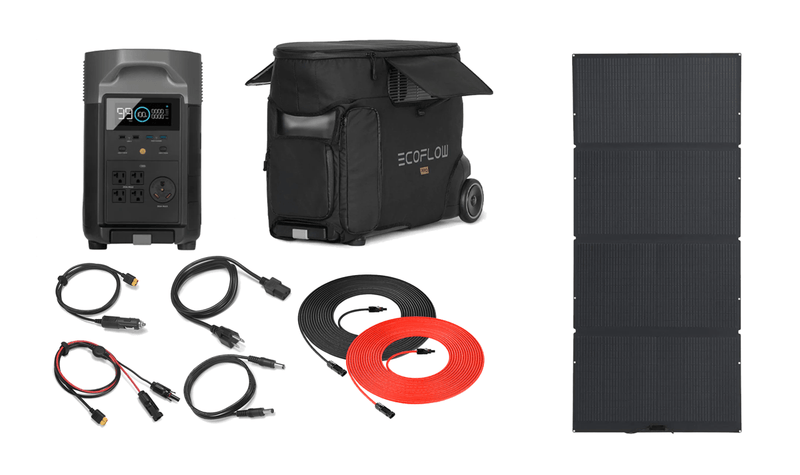
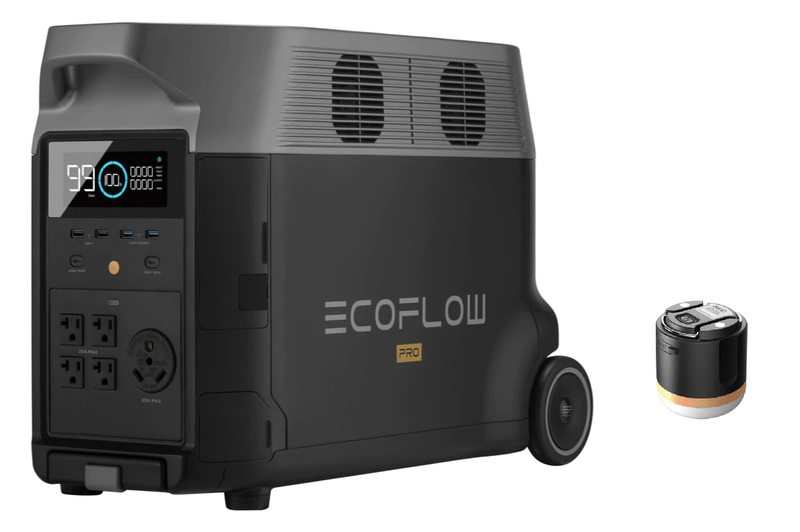
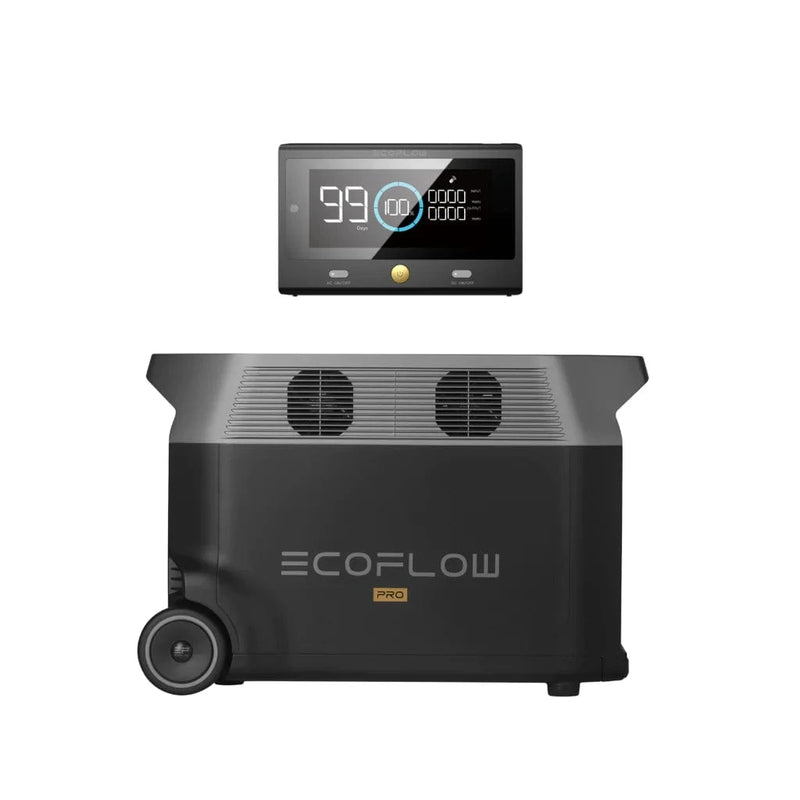
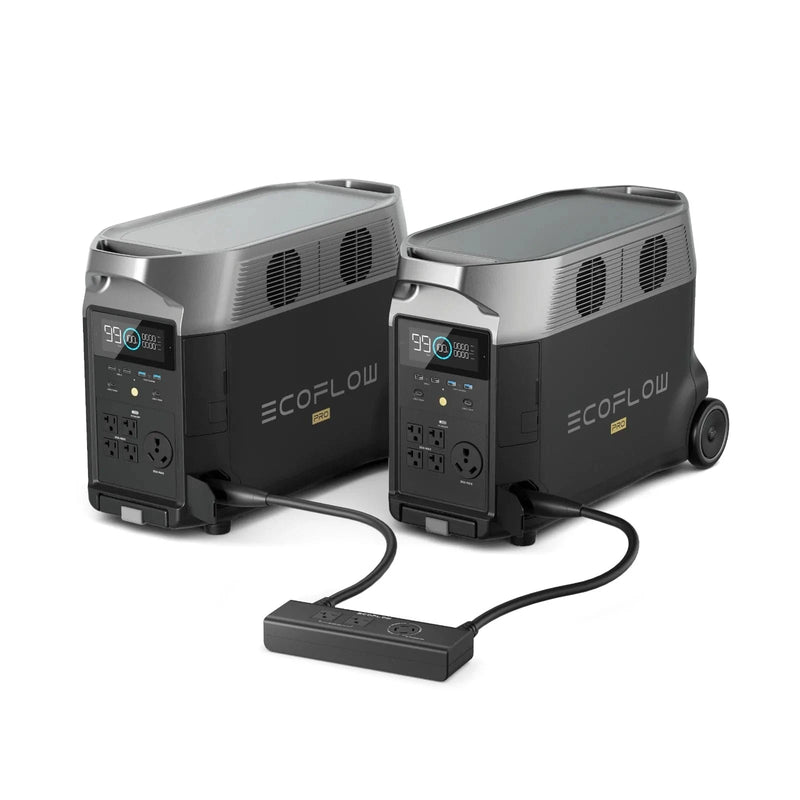
The DELTA 3 Plus, Max, Max Plus, Ultra, and Ultra Plus cover essential circuits and smaller homes, while the DELTA Pro adds 3,600Wh of storage with solar bundles from 220W up to 1,600W. Stepping up, the DELTA Pro Ultra delivers 7,200Wh and pairs with the Smart Home Panel 2 for circuit-level control. The modular DELTA Pro Ultra X scales from 12.3kWh to 24.6kWh as you add batteries, and the DELTA Pro X2 kits push capacity higher still for large properties. The TITAN 5000, rated from 5 to 30kWh, also appears here, though it is currently sold out. If cooling is a priority, the Wave 3 portable air conditioner is listed alongside the batteries.
Smart Panels and Solar for EcoFlow Whole House Backup
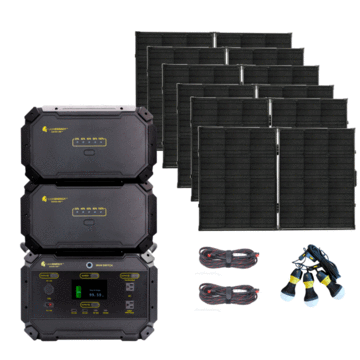
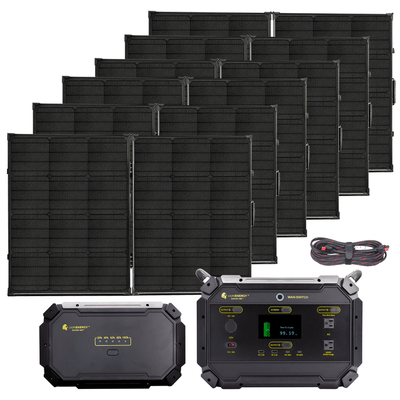
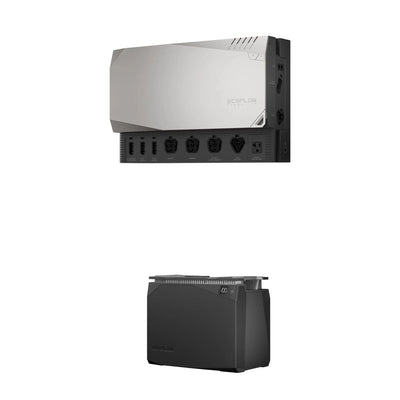
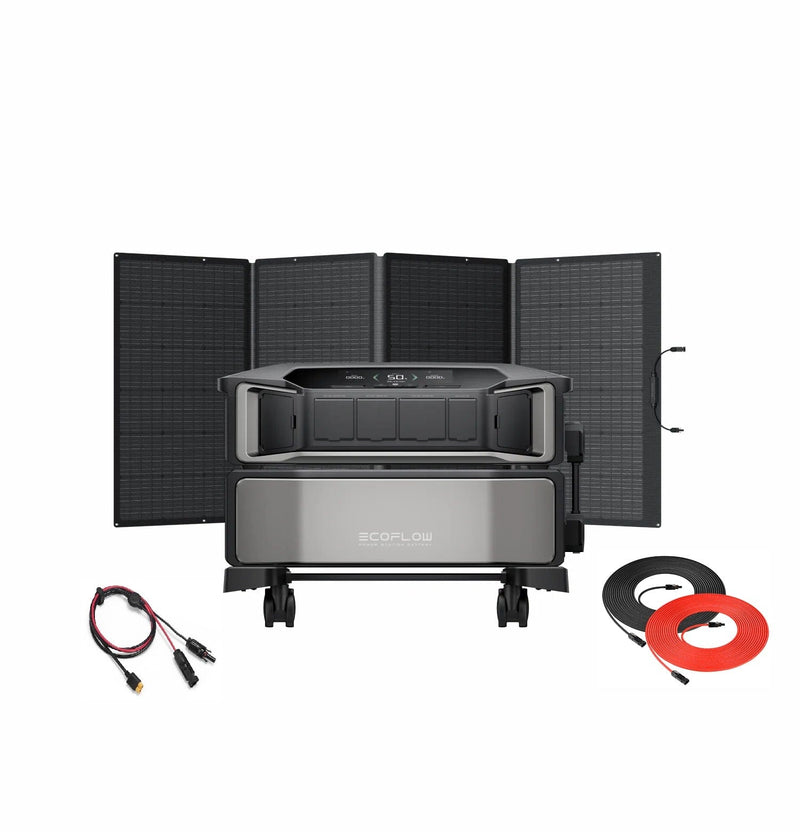
A battery alone powers whatever you plug into it, but a Smart Home Panel connects the system to your breaker box and decides which circuits stay live during an outage. The Smart Home Panel 3 ships inside the larger Ultra X bundles, and several of them include a free PowerInsight 2 energy monitor so you can see exactly where your power goes. Rigid and portable solar panels recharge the system between outages, and some bundles add accessories such as the FlowMaster generator rectifier or the TRAIL 200 DC.
Adding Fuel to Your EcoFlow Home Backup Setup
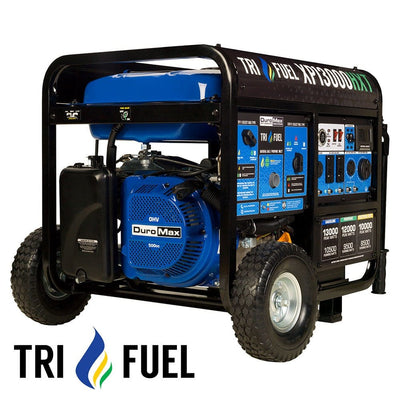
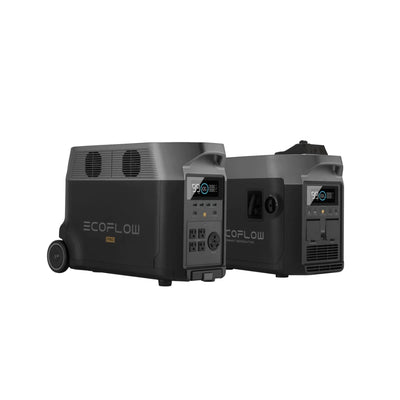
Batteries can run low when storms stall overhead. South Carolina customers averaged nearly 53 hours without power in 2024, according to the same EIA report, which is why many buyers pair their battery with a fuel-based charger. The Smart Generator 3000 and 4000 run on gas or propane and recharge a DELTA system automatically. For the most resilient setup, the DELTA Pro Ultra X bundle combines a 12kW inverter, a DuroMax XP13000HXT tri-fuel generator, and 1,600W of solar. We ship fast from our USA-based warehouses, and our team can help you match the right system to your home.
Frequently Asked Questions
How do I know how much battery capacity my house actually needs?
Start by listing the appliances you must keep running, such as the refrigerator, furnace fan, well pump, and lights, and add up their running wattage. Multiply that load by the number of hours you want to cover, then add a safety margin of 20 to 30 percent. If the total lands near the limit of a single unit, choose a modular system like the DELTA Pro Ultra X so you can add batteries later instead of replacing the whole system.
Will a battery system run my central air conditioner and well pump?
Large motors draw several times their running wattage for a moment at startup, so surge capacity matters as much as battery size. Central air conditioners and many well pumps also need 240V power, so look for systems that list 120/240V output, such as the DELTA Pro X2 kits. Check your equipment's startup wattage before you buy, and our experts can help you confirm the match.
Do I need an electrician to install a Smart Home Panel?
Yes, a Smart Home Panel connects to your main electrical panel, so a licensed electrician should handle the installation to meet local code. Many areas also require a permit and inspection for this type of work. Plugging appliances directly into the battery station needs no installation, which makes it a simple option if you only want to cover a few devices.
Is an EcoFlow system better than a standby generator for whole-house backup?
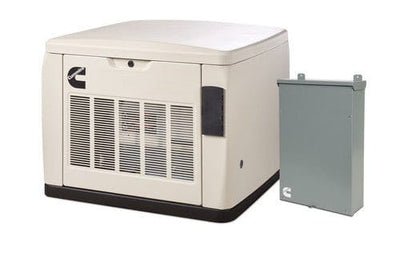
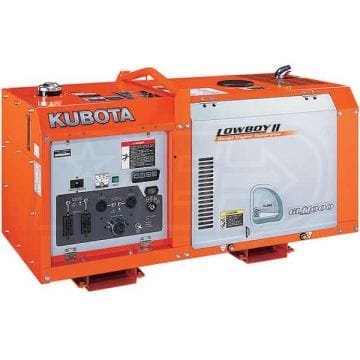
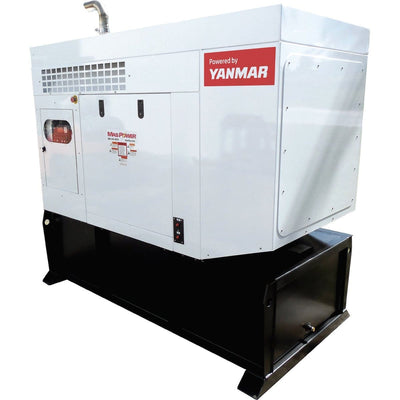
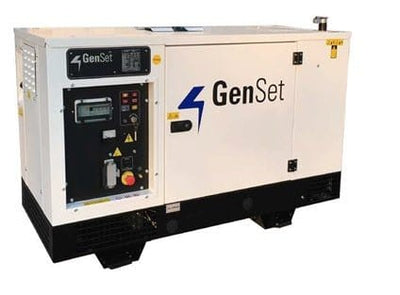
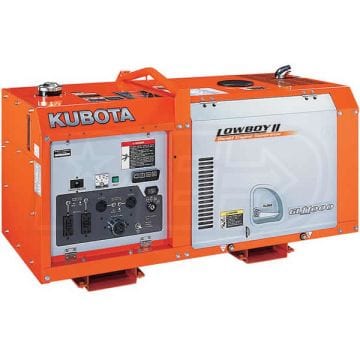
It depends on how you weigh noise, maintenance, and outage length. A battery system runs silently, has no exhaust, and needs no fuel storage, so it suits most short to medium outages and can sit indoors or in a garage. A permanent standby generator can run as long as fuel is available, which can still matter during multi-day events, and many buyers combine the two approaches for full coverage.
Can I order a system the week a storm is forecast and still get it in time?
Overnight delivery is not realistic for large battery systems, since most manufacturers do not offer expedited freight and rush shipping can cost several times the price of the unit. Order as soon as a storm starts forming so your system has time to arrive, get set up, and be tested before the weather hits. Waiting until landfall is close is the most common mistake we see during hurricane season.