 (954) 249-2314
- Sort by Featured
- Sort by Best Selling
- Sort by Alphabetically, A-Z
- Sort by Alphabetically, Z-A
- Sort by Price, low to high
- Sort by Price, high to low
- Sort by Date, new to old
- Sort by Date, old to new
Quiet Generators




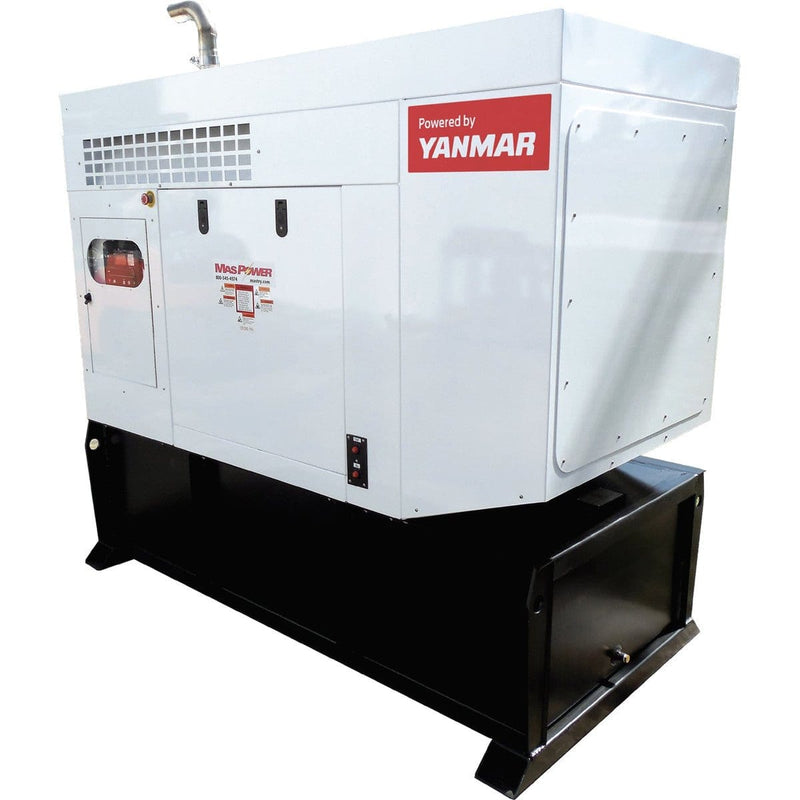
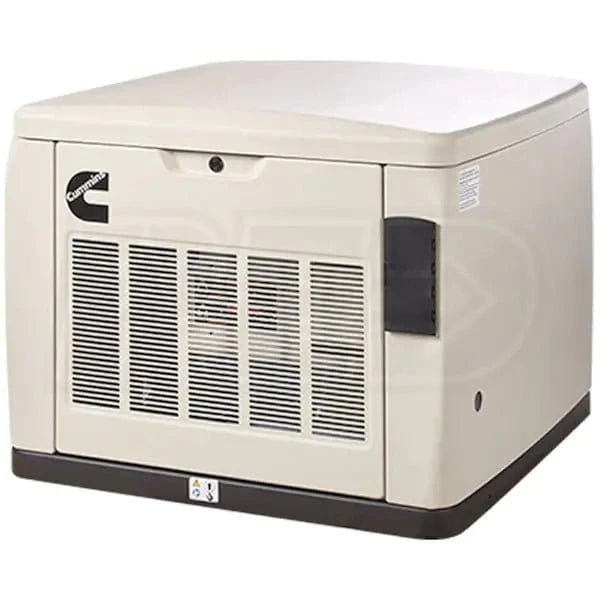

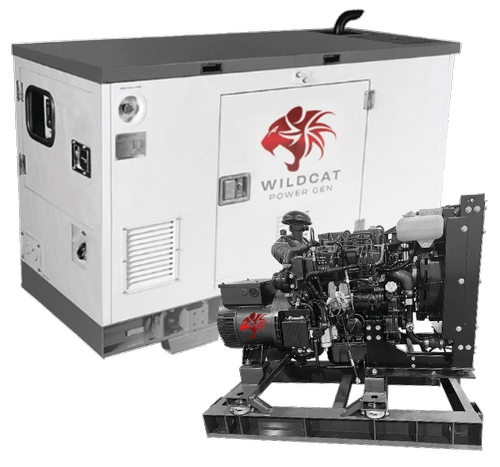
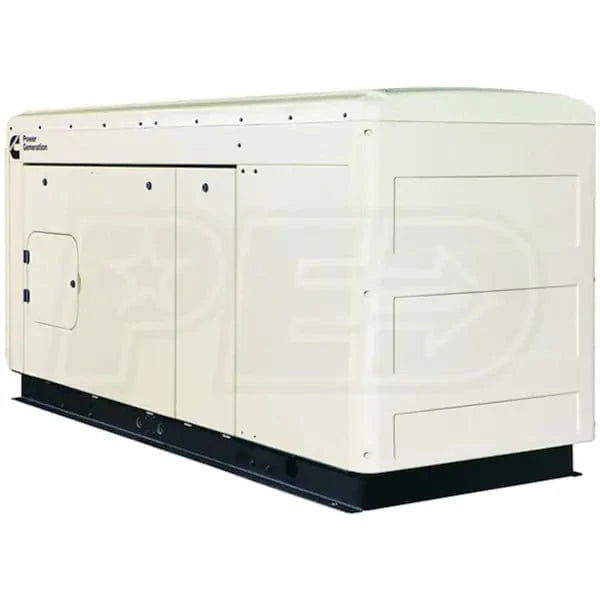
Quiet Generators for Homes, Campsites, and Noise-Sensitive Areas
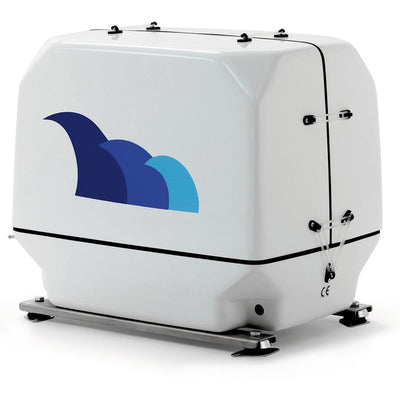
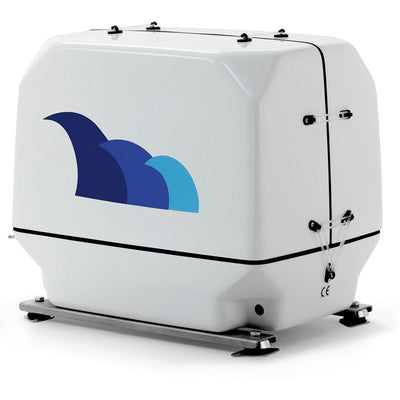
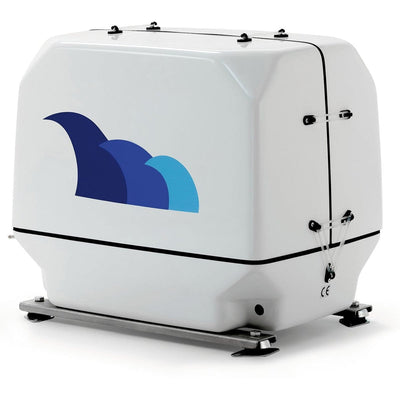
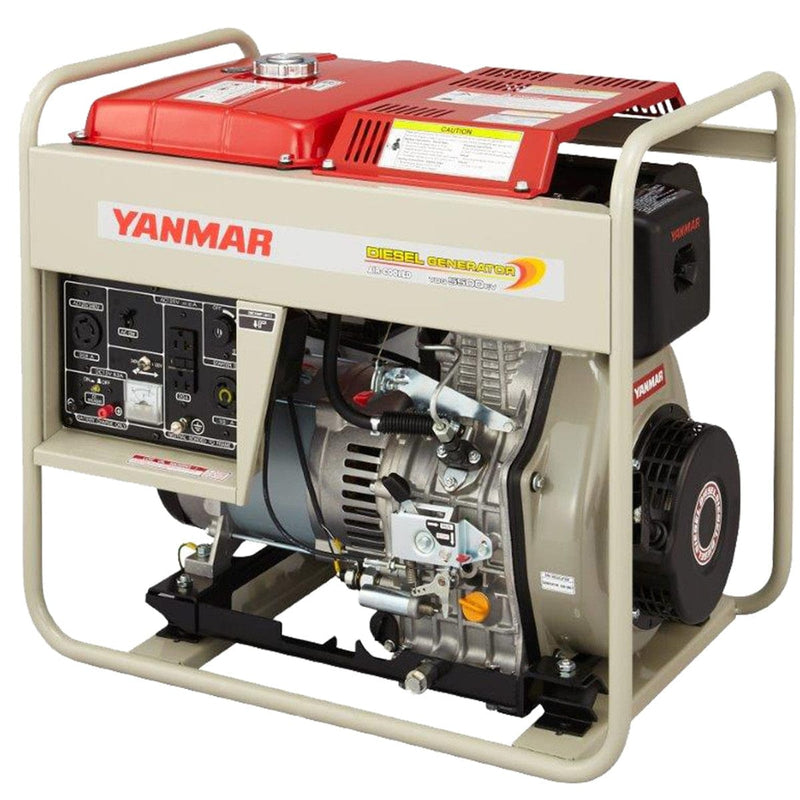
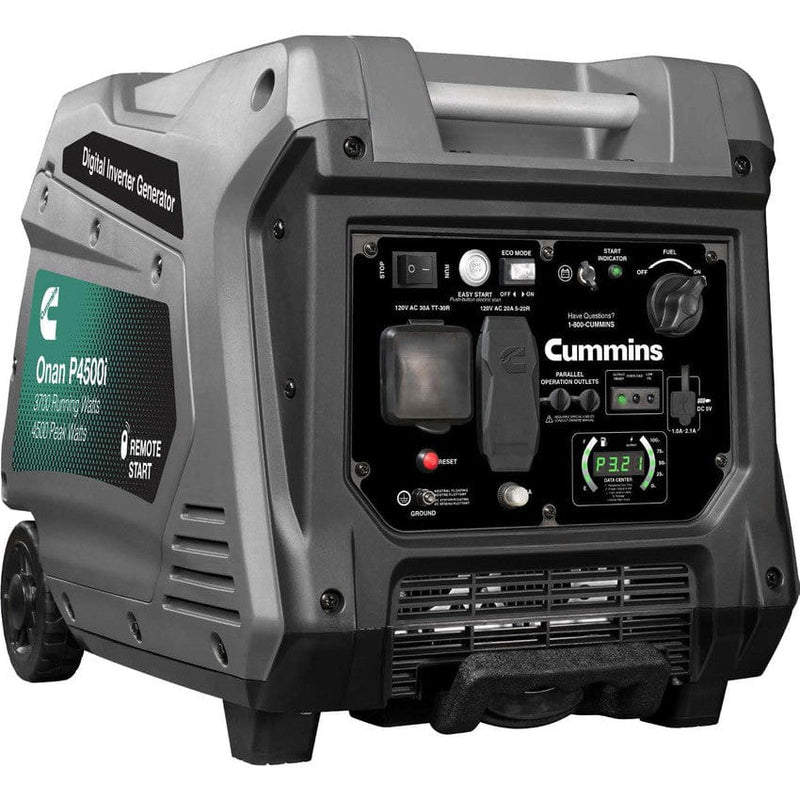
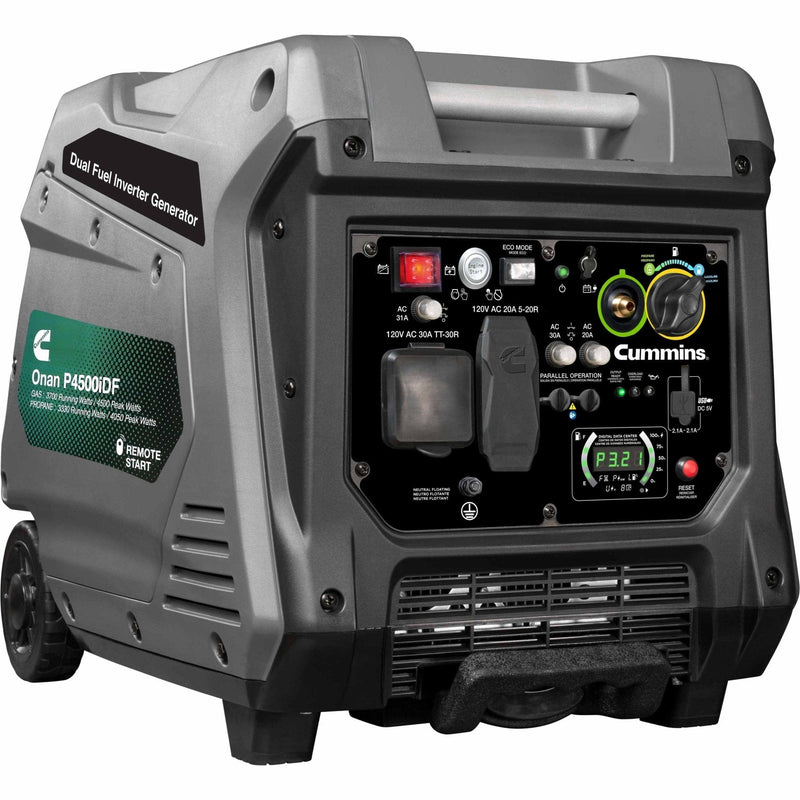
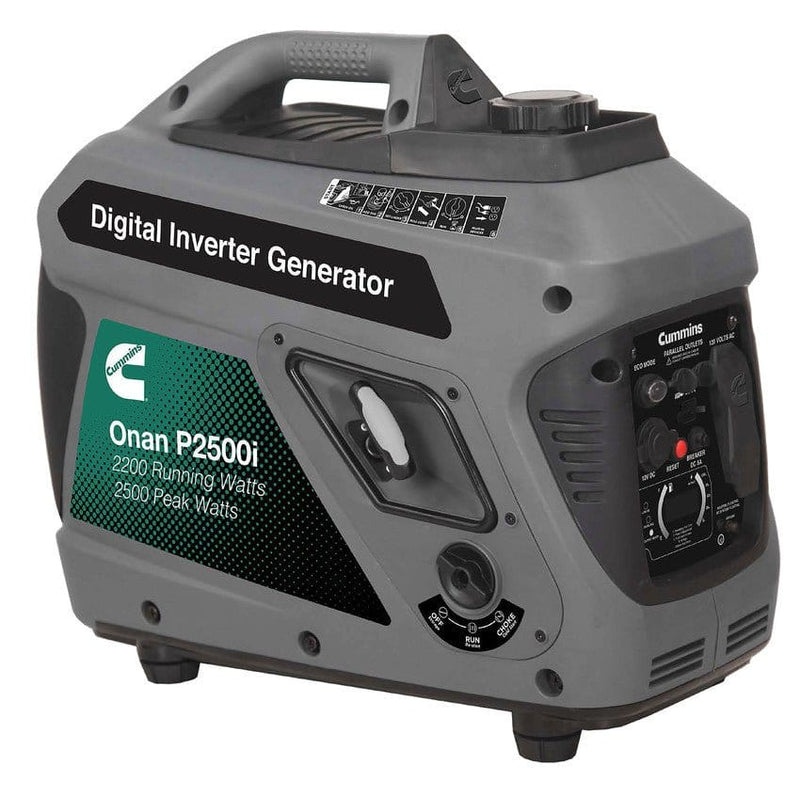
A quiet generator solves a problem that standard units create: noise loud enough to bother neighbors, drown out conversation, or violate campground and HOA rules. Whether the goal is running essential appliances during a storm without waking the block or keeping a campsite peaceful, a quiet generator gets the job done without the constant drone associated with older, uninsulated models. Battery-based power stations are inherently silent since there's no engine involved, while inverter generators like the DuroMax XP2300iH and Cummins Onan P4500i use sound-dampened enclosures and variable engine speed to run far quieter than conventional generators of similar output.
What Actually Makes a Generator Quiet
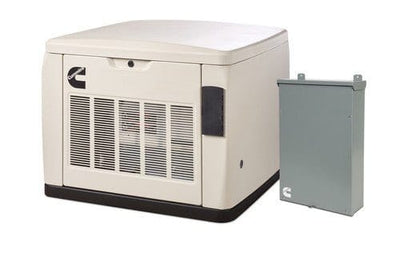
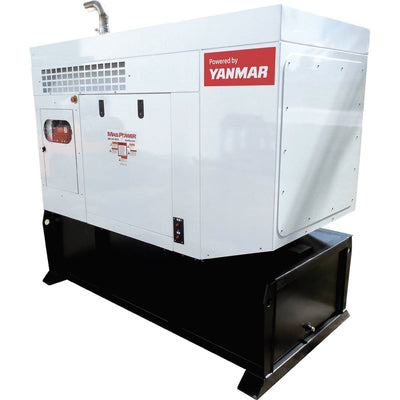
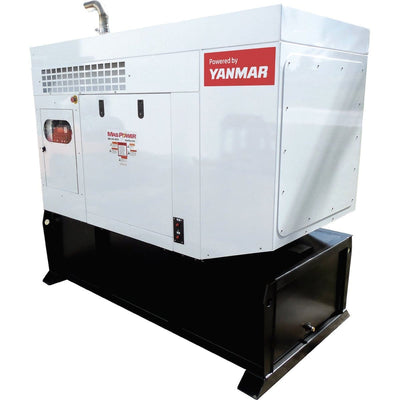
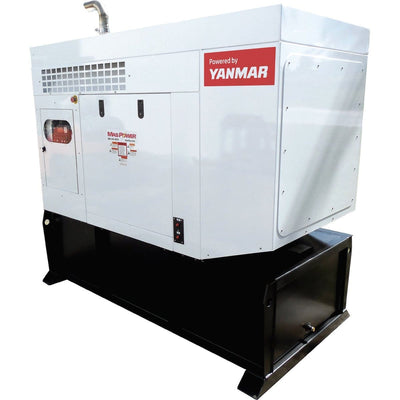
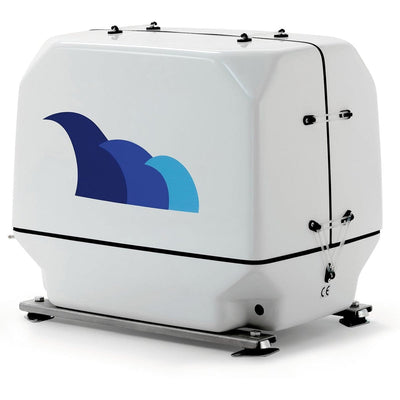
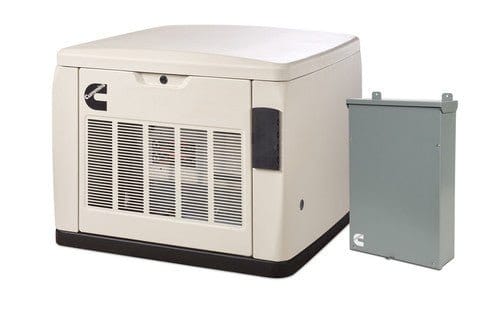
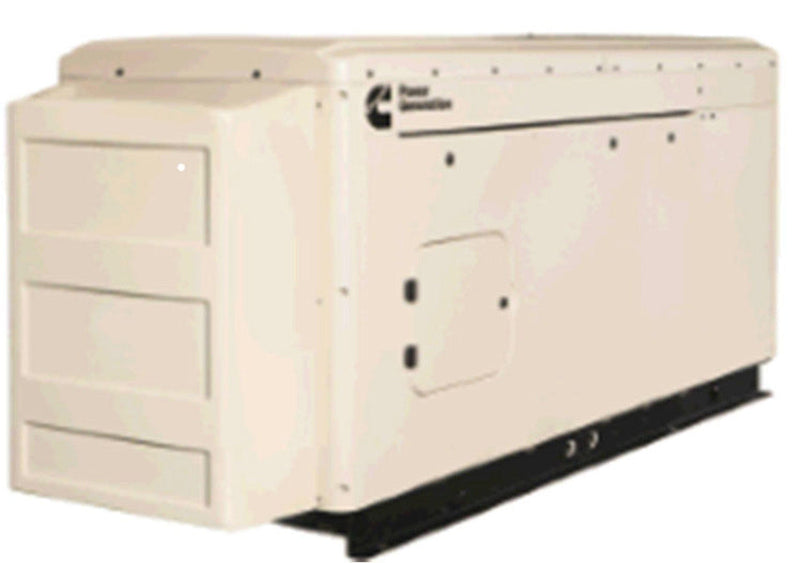
Noise reduction in a silent generator comes down to a few design factors working together. Inverter technology allows the engine to adjust its speed based on actual load rather than running at a constant high RPM, which cuts noise significantly during lighter use. Sound-dampening enclosures, mufflers designed specifically for decibel reduction, and lower overall engine displacement all contribute as well. Cummins Quiet Connect standby units, like the RS17A and RS20AC, are built specifically around this goal for whole-home backup, engineered to run at a fraction of the noise level of a comparably sized open-frame generator.
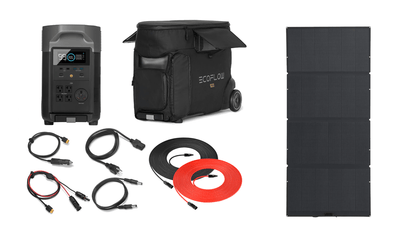
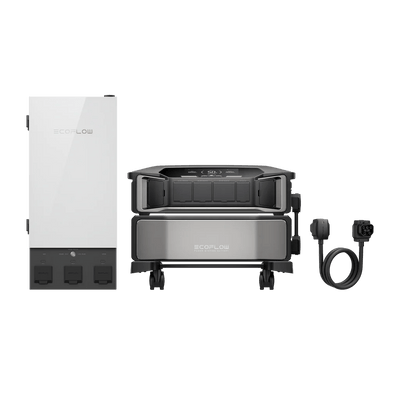
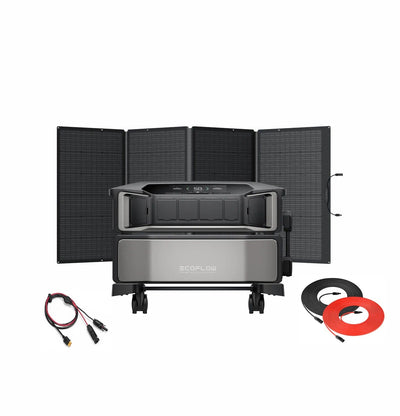
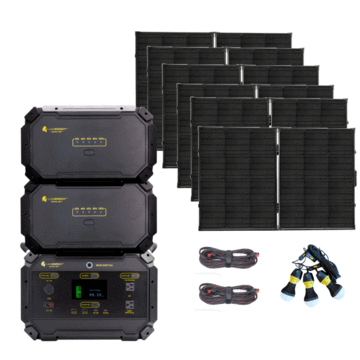
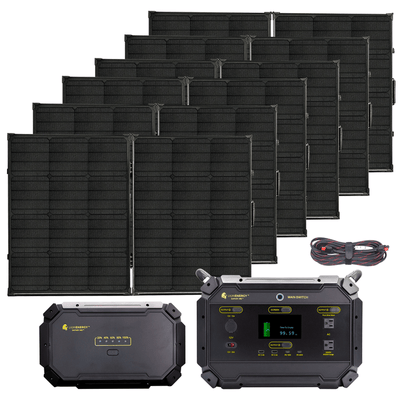
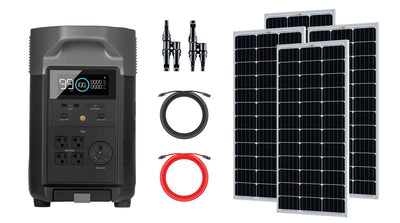
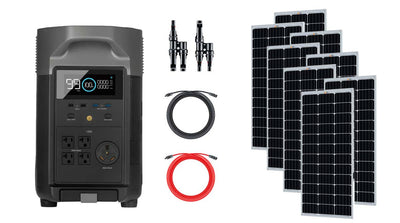
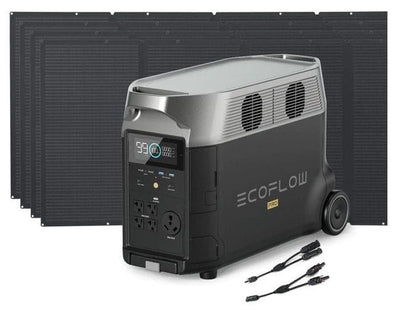
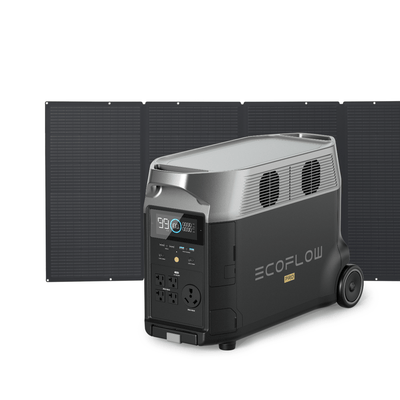
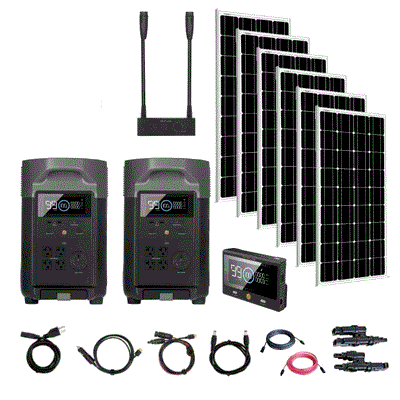
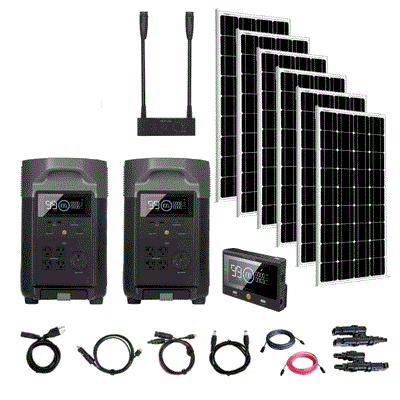
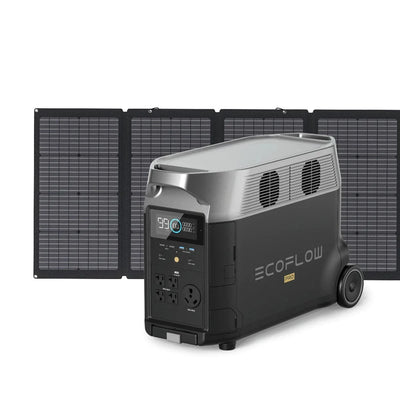
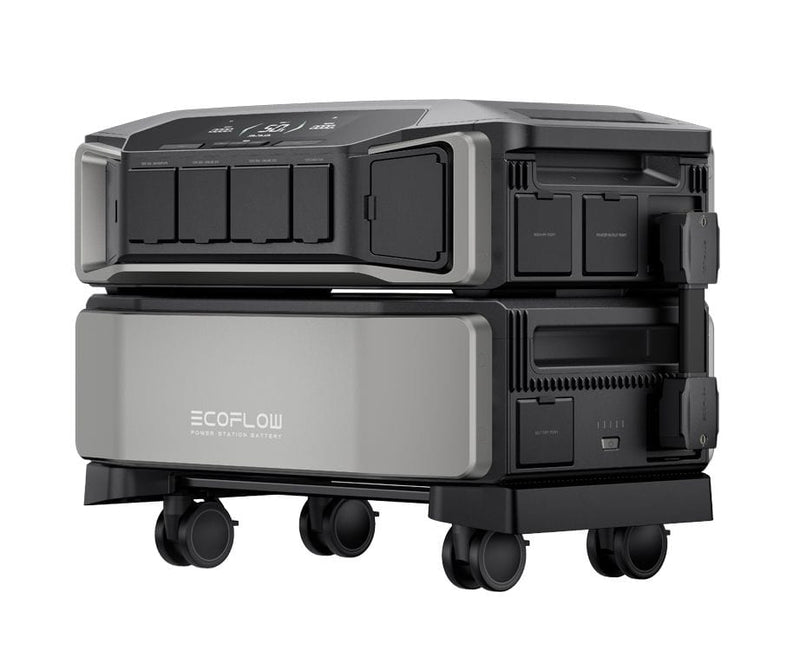
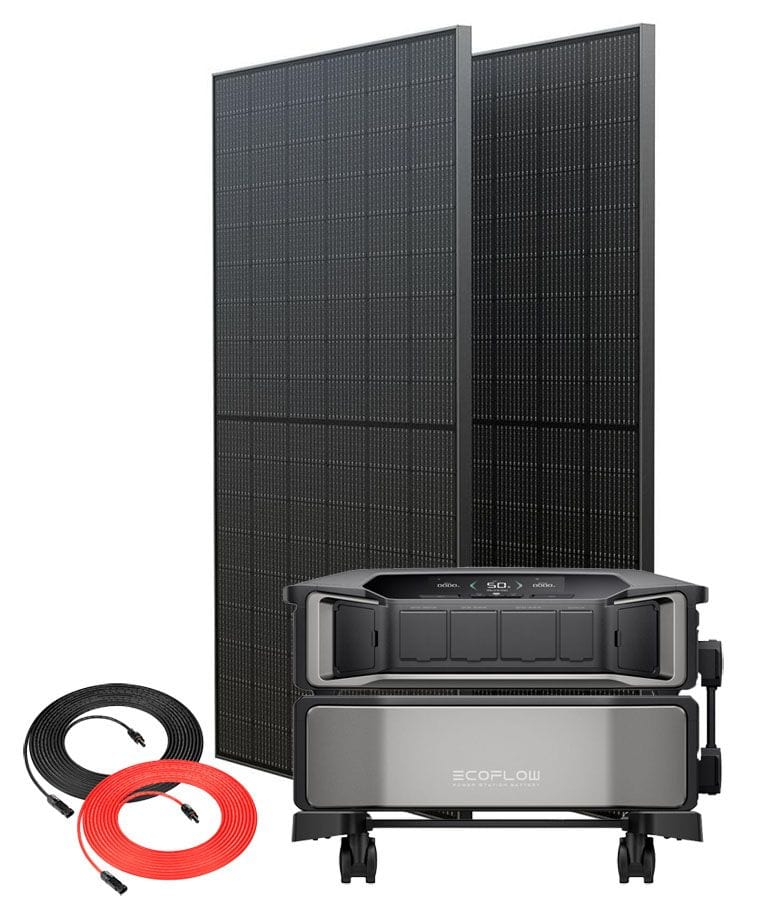
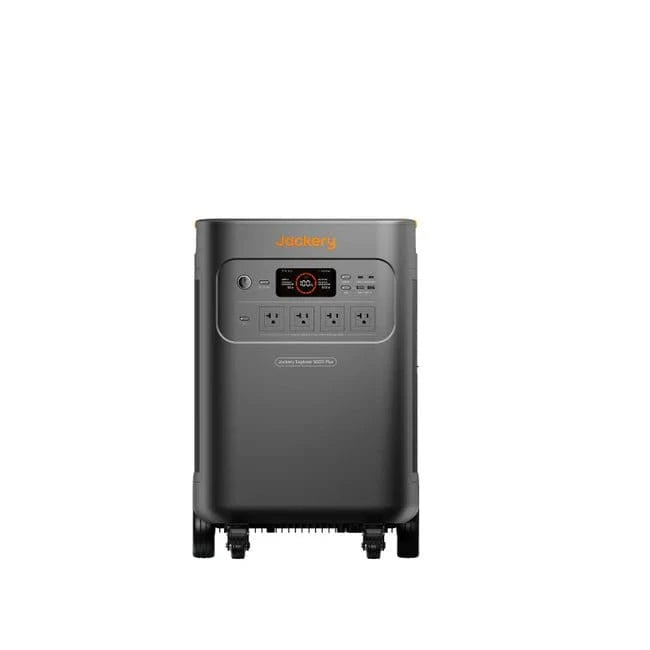
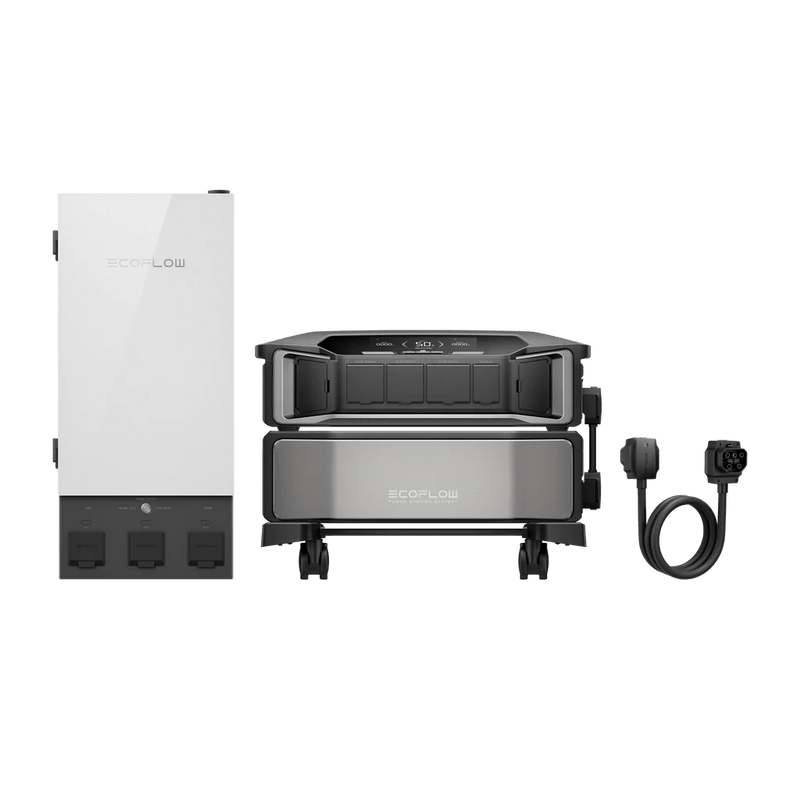
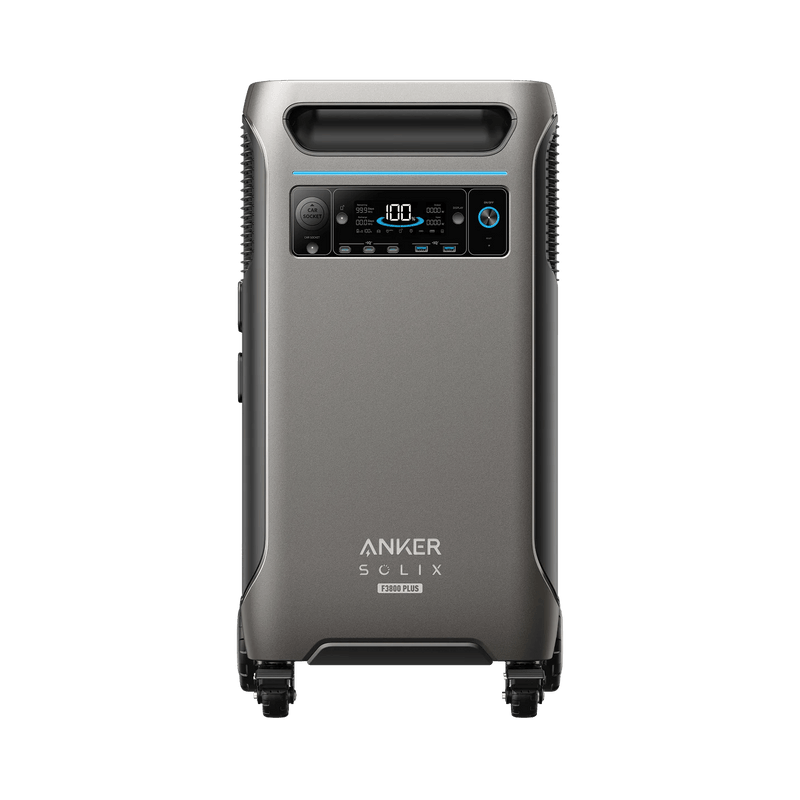
For buyers who want zero engine noise at all, a battery power station is the quietest option available, since there's no combustion involved whatsoever. Options like the EcoFlow Delta Pro 3, Jackery Explorer 5000 Plus, and Nature's Generator Lithium 3600 fall into this category, running silently regardless of load.
Matching Noise Level to Where You'll Use It
How quiet you actually need a generator to be depends heavily on the setting. A campground or RV park with posted quiet hours calls for a genuinely low-decibel unit, which usually points toward a smaller inverter generator or a power station rather than a large standby unit. A home backup setup situated near neighboring properties benefits most from a super quiet generator like the Cummins Quiet Connect series, which is engineered for exactly that scenario. Job sites are typically more forgiving on noise, so buyers there often prioritize output and runtime over decibel rating.
Frequently Asked Questions
How many decibels counts as "quiet" for a generator?
Most units marketed as quiet fall somewhere in the 50 to 65 decibel range at a standard distance, which is roughly comparable to normal conversation or a running refrigerator, versus 70 to 90+ decibels for a conventional open-frame generator. Manufacturer decibel ratings are usually measured at 23 feet under a moderate load, so actual noise up close or under heavy load will be somewhat higher. If quiet operation is a top priority, checking the specific decibel rating at rated load, not just at idle, gives a more accurate picture of real-world noise.
Is a quiet generator less powerful than a standard one?
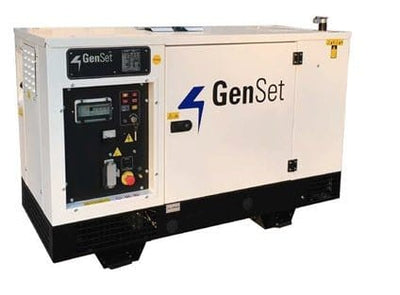
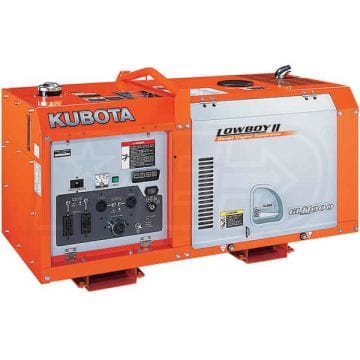
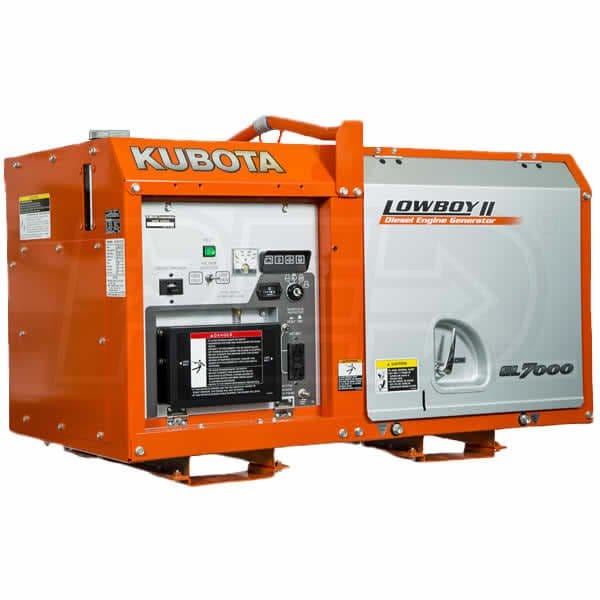
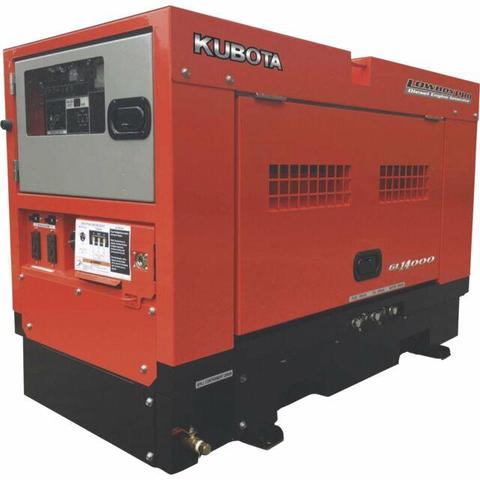
Not necessarily. Quiet operation comes from engineering, sound dampening, inverter technology, better mufflers, not from a smaller engine or reduced output. Units like the Cummins Quiet Connect 20kW standby generator deliver full home backup power while running significantly quieter than older standby models of the same size. That said, very large industrial diesel units are harder to fully quiet regardless of engineering, so if silent operation is the top priority at higher wattages, a battery power station is often the better fit.
Will running a quiet generator overnight actually disturb my neighbors?
A well-rated quiet generator running at a moderate load is unlikely to be a significant disturbance at typical residential distances, but placement still matters. Positioning the unit away from bedroom windows, using any included sound-dampening accessories, and setting it on a stable, vibration-absorbing surface all help reduce perceived noise further. If you're in a densely packed neighborhood or under strict noise ordinances, a battery power station eliminates the concern entirely since there's no engine noise to manage.