 (954) 249-2314
- Sort by Featured
- Sort by Best Selling
- Sort by Alphabetically, A-Z
- Sort by Alphabetically, Z-A
- Sort by Price, low to high
- Sort by Price, high to low
- Sort by Date, new to old
- Sort by Date, old to new
Power Stations
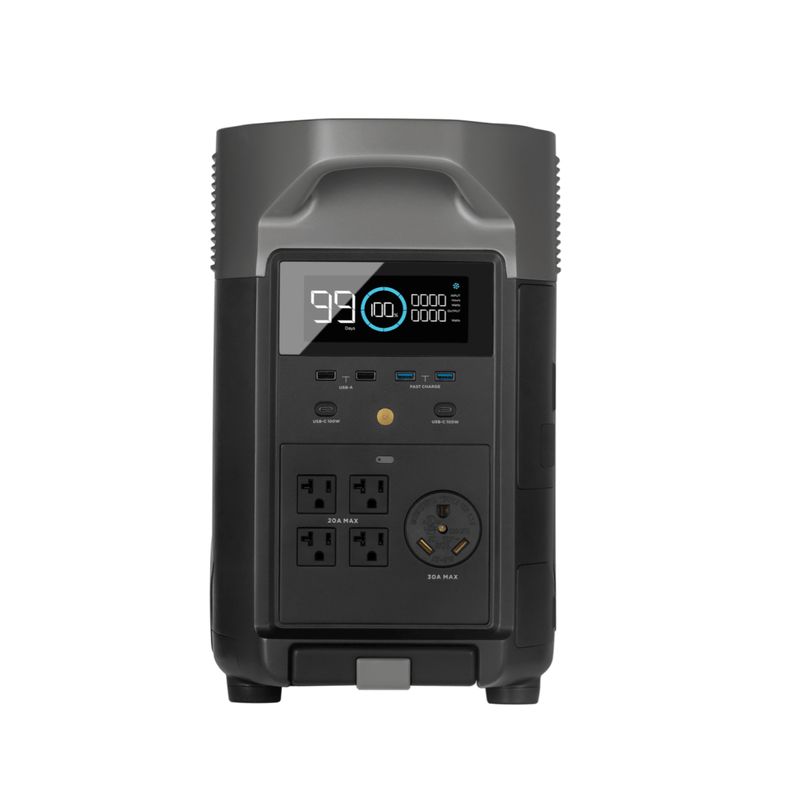
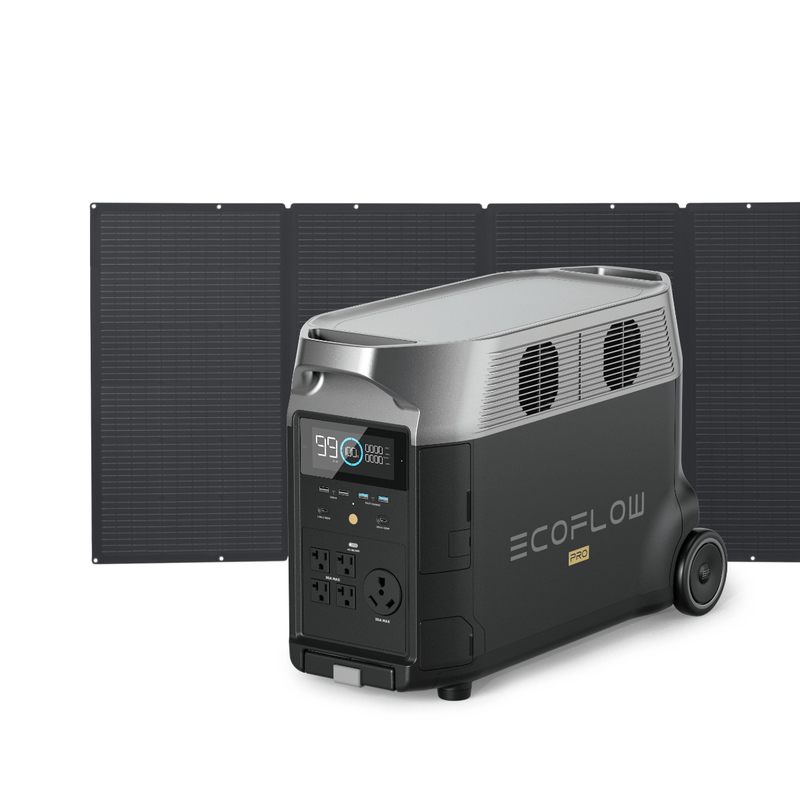
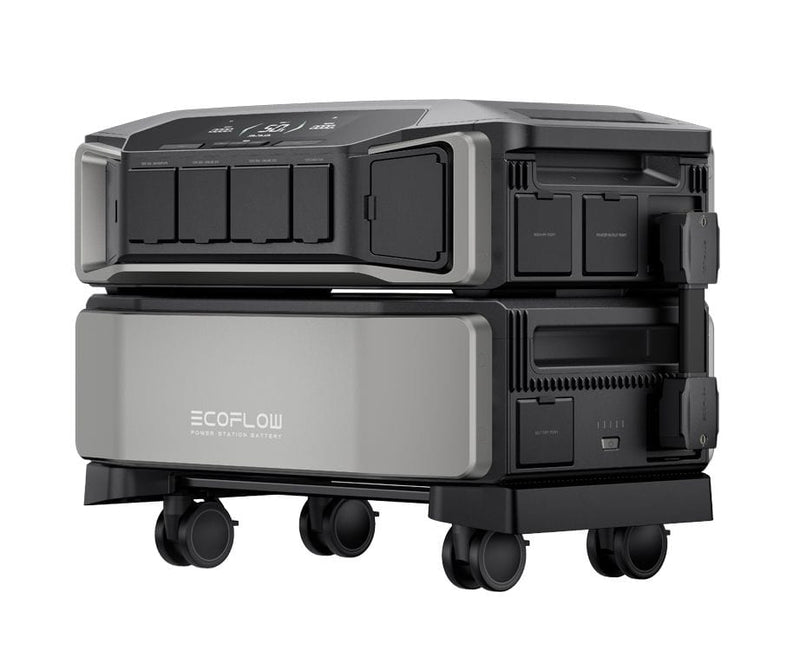
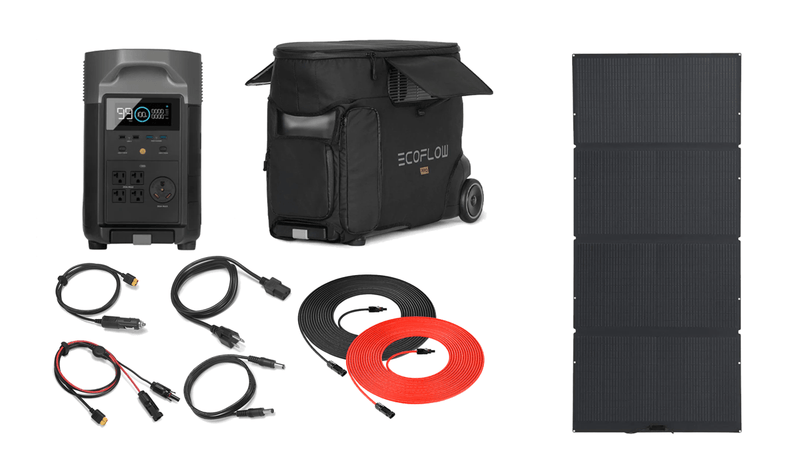
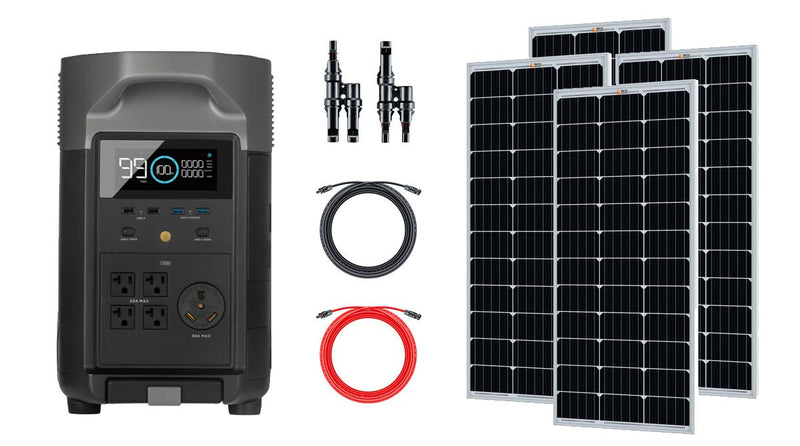
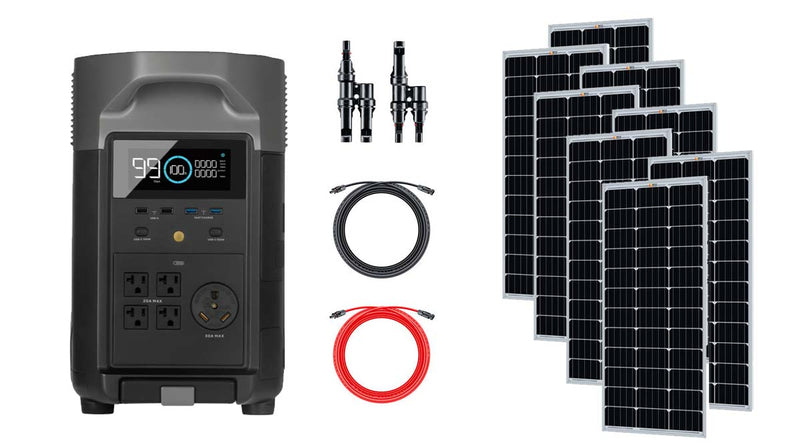

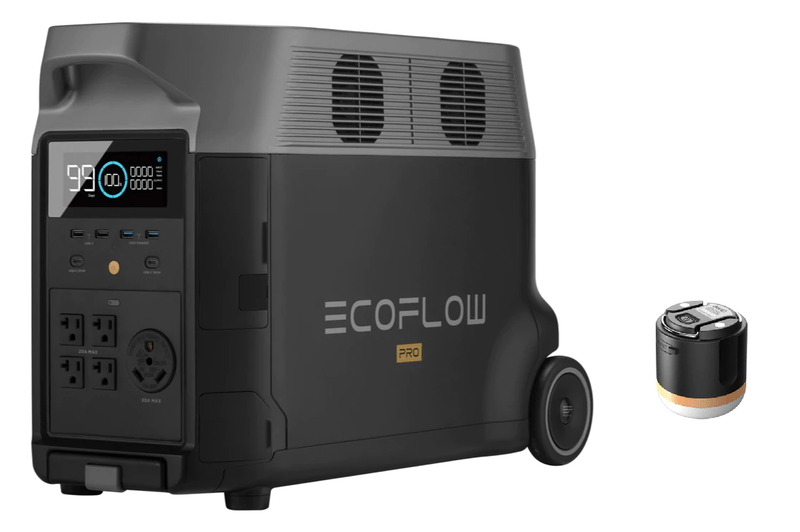
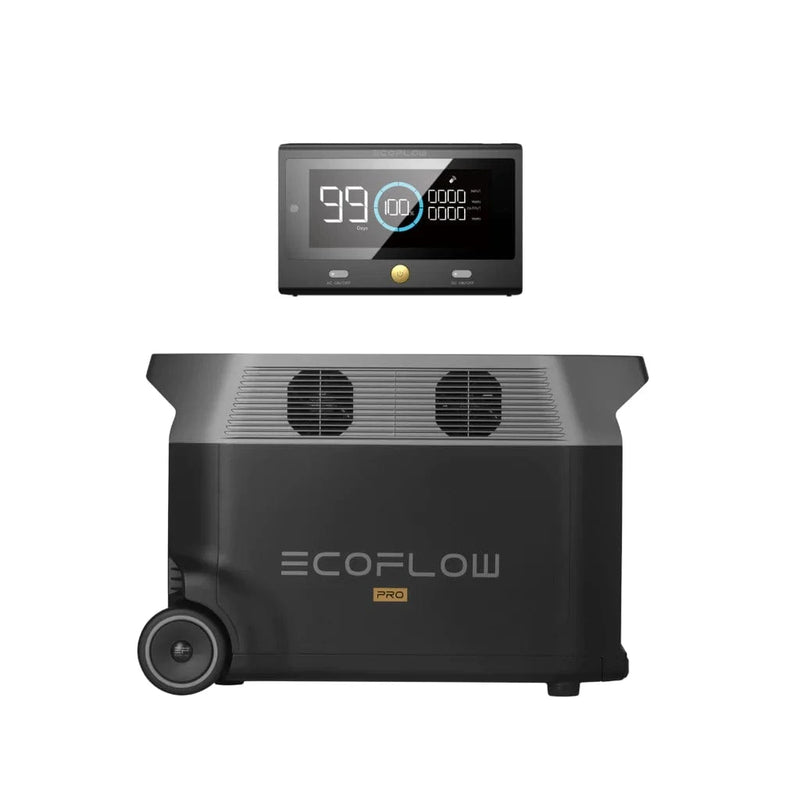

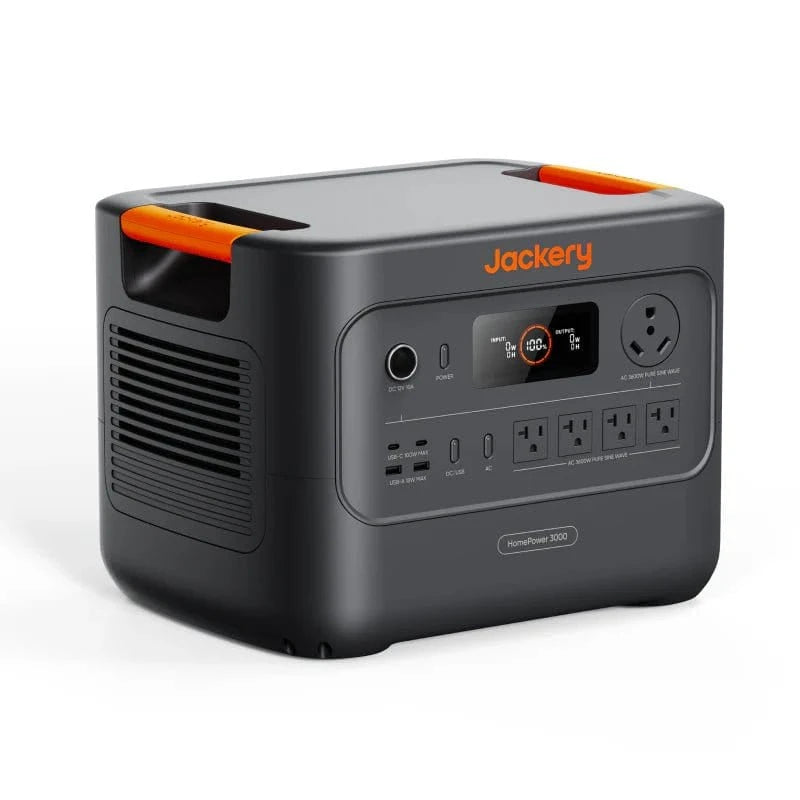
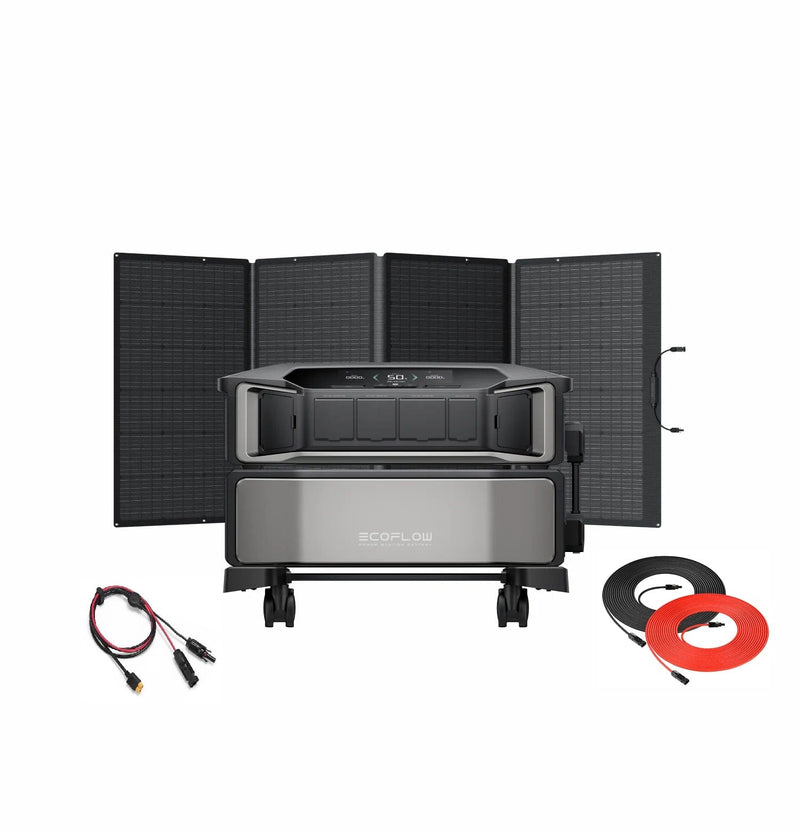






Power Stations for Backup, Camping, and Off-Grid Power
A power station is a portable battery unit that stores electricity and delivers it on demand, whether that's running a refrigerator during an outage, charging devices at a campsite, or keeping essential equipment running at a remote job site. Unlike a fuel-burning generator, a battery power station has no engine, no exhaust, and nothing to refill; you charge it from a wall outlet, a vehicle, or solar panels, then draw from it whenever power is needed. That simplicity is a big part of why demand for power stations has grown so quickly among homeowners who want a quiet, low-maintenance backup option.
What Actually Counts as a Power Station?
The term covers a wide range of products, from small units meant to charge a phone and a laptop through an afternoon outage, to large-capacity models capable of running a refrigerator, a few lights, and a well pump for days at a time. What they share is the core design: a rechargeable battery, an inverter that converts stored energy into usable AC power, and a set of outlets or ports for connecting devices directly. A power station battery is typically lithium-based, which allows for faster recharging and a longer usable lifespan than the older lead-acid designs still found in some budget units.
Brands We Carry
Our lineup spans several of the most established names in the category, each with a different strength depending on what you're prioritizing:
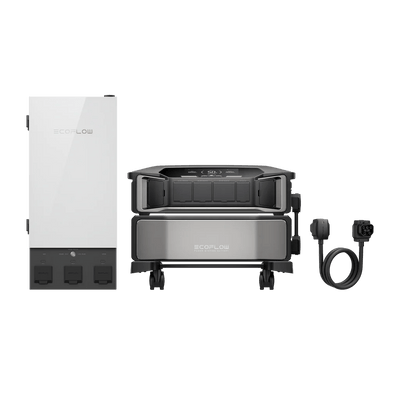
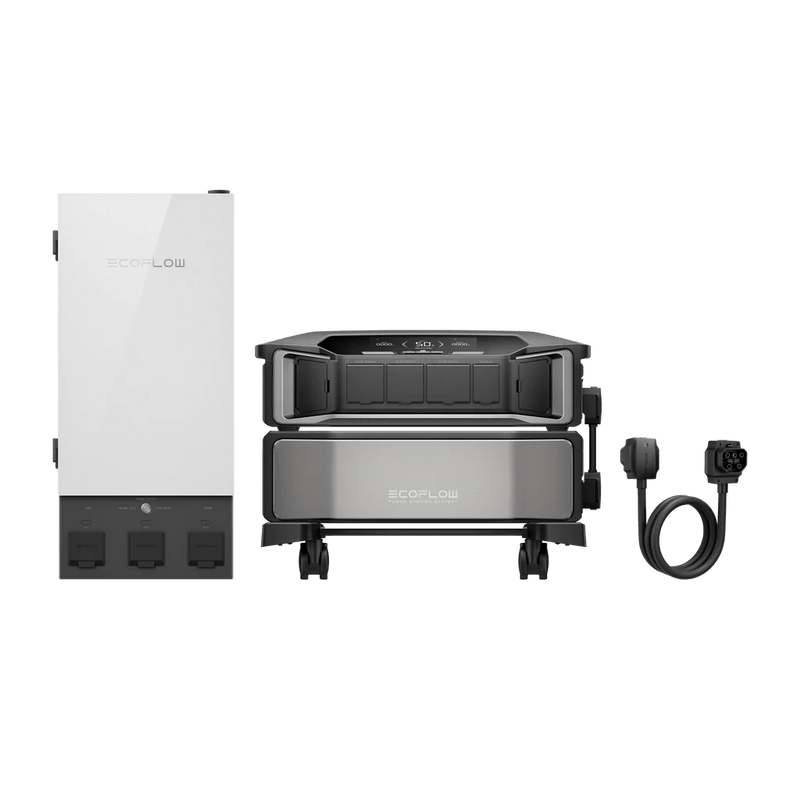
- EcoFlow - the Delta Pro Ultra, Delta Pro 3, and Delta Max 2 are known for fast recharge speeds and strong continuous output for home backup.
- Anker - the Solix F3800 and Solix E10 offer expandable capacity that grows with your power needs over time.
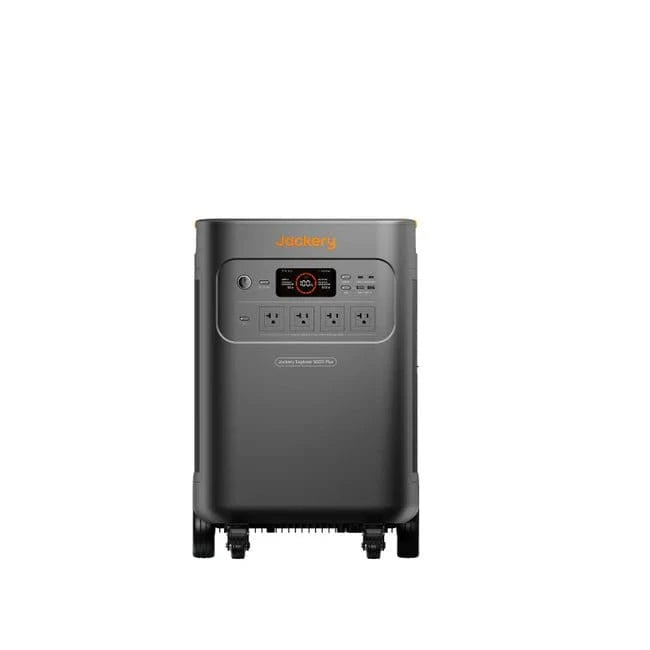
- Jackery - a longtime favorite for camping and lighter backup use, with models from the Explorer 2000 up to the 5000 Plus.
- Nature's Generator - one of the original manufacturers in this space, now offering lithium units like the MyGrid 10K alongside their classic lead-acid lineup.
- Bluetti, Pecron, and Oscal - additional options for buyers comparing capacity and price across a wider range of the market.
Choosing the Right Capacity
Sizing a power station comes down to two numbers: how many watts your devices draw at once, and how many watt-hours of stored capacity you need to run them for as long as you expect. For a weekend of camping or a short outage covering phones, lights, and a laptop, a smaller unit is often sufficient. For whole-home backup covering a refrigerator, medical equipment, or HVAC components, most customers do better with a significantly larger capacity, often in the 8,000 watt range or higher. Undersizing is the most common mistake first-time buyers make, since it's easy to underestimate how much a refrigerator or well pump actually draws once it's running continuously.
Frequently Asked Questions
How is a power station different from a traditional gas generator?
A power station stores energy in a battery rather than burning fuel, which means it runs silently, produces no exhaust, and can be used safely indoors, something a gas generator can't do. The tradeoff is that a power station's runtime is limited to its stored capacity, so once the battery is drained, you need to recharge it via wall power, a vehicle, or solar panels rather than simply adding more fuel. For short-to-moderate outages and indoor use, a power station is usually the more practical choice; for extended, high-draw situations, a fuel-powered generator can still have an edge.
Can I recharge a power station using solar panels?
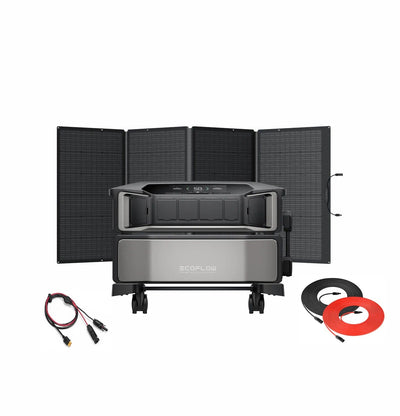
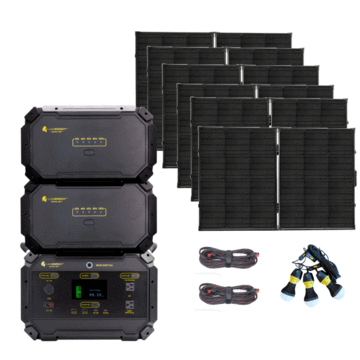
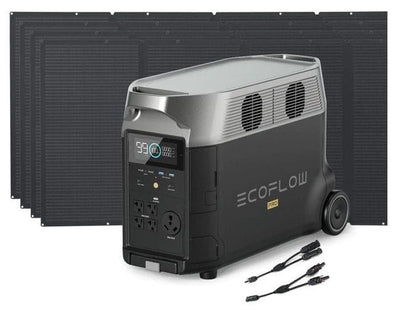
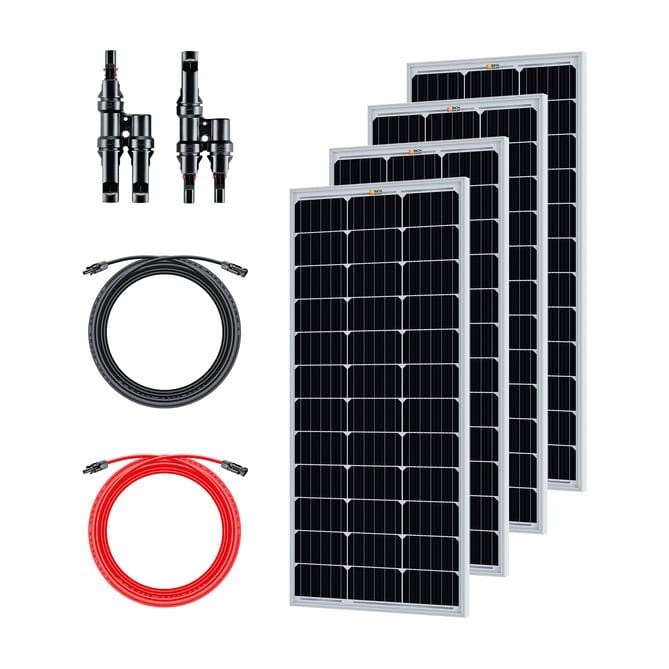
Most modern power stations support solar charging, though the panels are often sold separately unless you buy a specific bundle that includes them. Charging speed depends on the wattage of the panels you pair with the unit, so a mismatched setup, panels too small for the battery's charging capacity, will recharge much more slowly than expected. If solar charging is a priority rather than an occasional backup option, it's worth confirming panel compatibility and recommended wattage before buying.
How long will the battery in a power station actually hold up over time?
Most lithium-based units are rated for well over 2,000 charge cycles before capacity starts to noticeably decline, which for typical household use often translates to a decade or more of service. Runtime on any single charge depends heavily on what you're powering; a unit running a full-size refrigerator and lighting circuit will drain considerably faster than one just keeping phones and laptops charged. Checking a unit's watt-hour rating against your expected load is the most reliable way to estimate real runtime before you buy.
Is a power station worth it if I already own a gas generator?
It depends on what gap you're trying to fill. A power station is quieter, safe for indoor use, and requires no fuel storage, which makes it a good complement for shorter outages, nighttime use, or powering sensitive electronics without engine noise. A gas generator still has the edge for extended, high-draw situations where recharging isn't practical. Many customers end up running both: a power station for everyday convenience and quiet backup, and a fuel generator held in reserve for longer outages.
Do power stations lose capacity or wear out if I don't use them often?
Lithium batteries do experience some capacity loss simply from sitting unused for long periods, though modern power stations are built to self-discharge slowly and most manufacturers recommend a top-up charge every three to six months if the unit isn't in regular use. Storing the unit at a moderate temperature, avoiding extreme heat or cold, also helps preserve battery health over time. A power station left fully charged and forgotten in a hot garage for a year will degrade faster than one given occasional attention.