 (954) 249-2314
- Sort by Featured
- Sort by Best Selling
- Sort by Alphabetically, A-Z
- Sort by Alphabetically, Z-A
- Sort by Price, low to high
- Sort by Price, high to low
- Sort by Date, new to old
- Sort by Date, old to new
Portable Generators
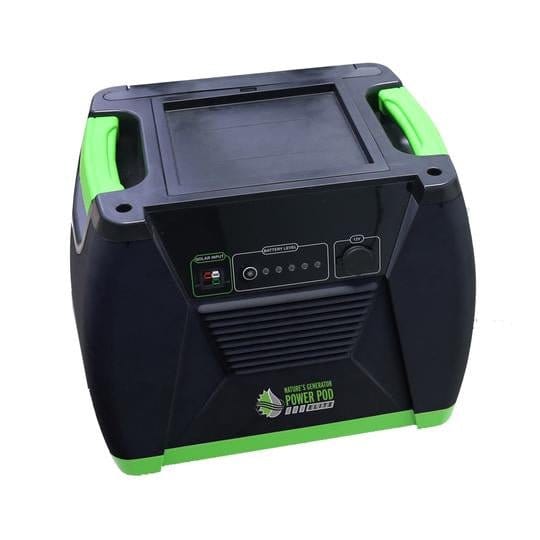
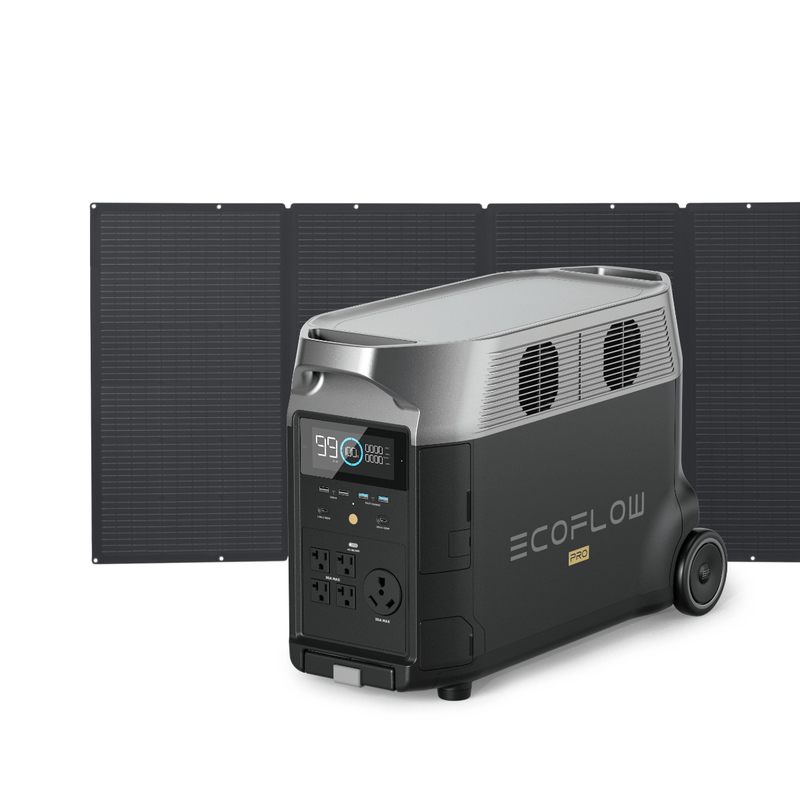
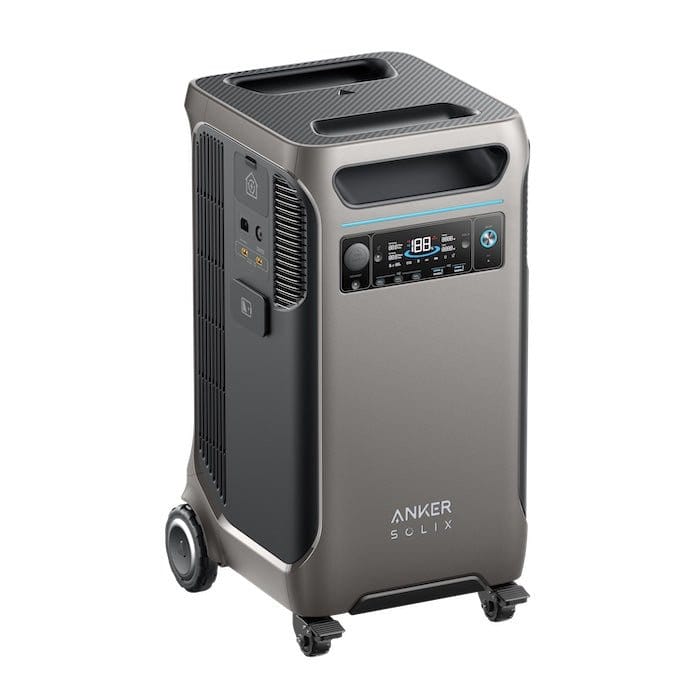

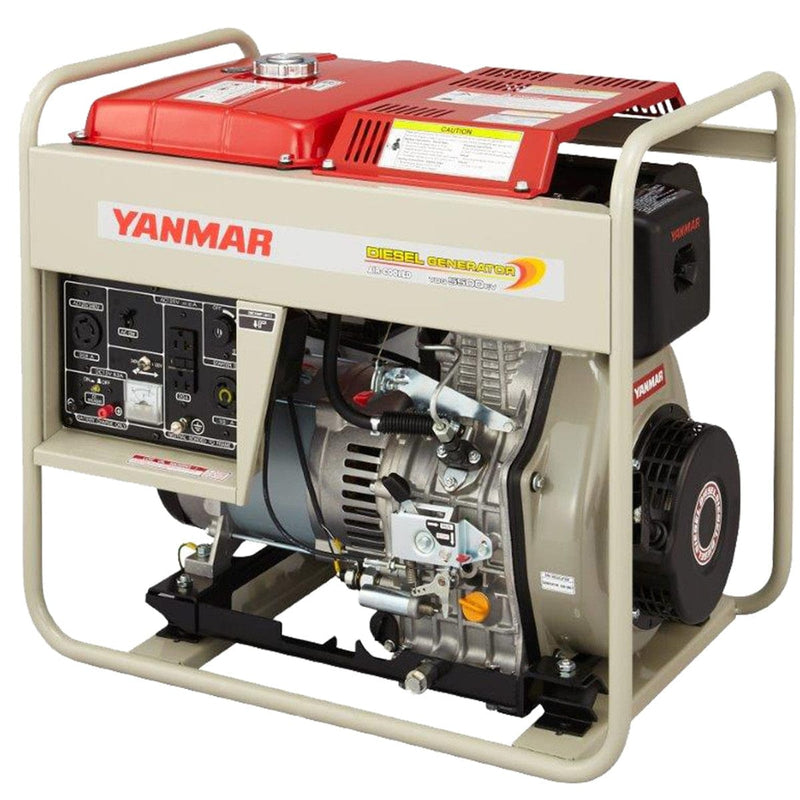
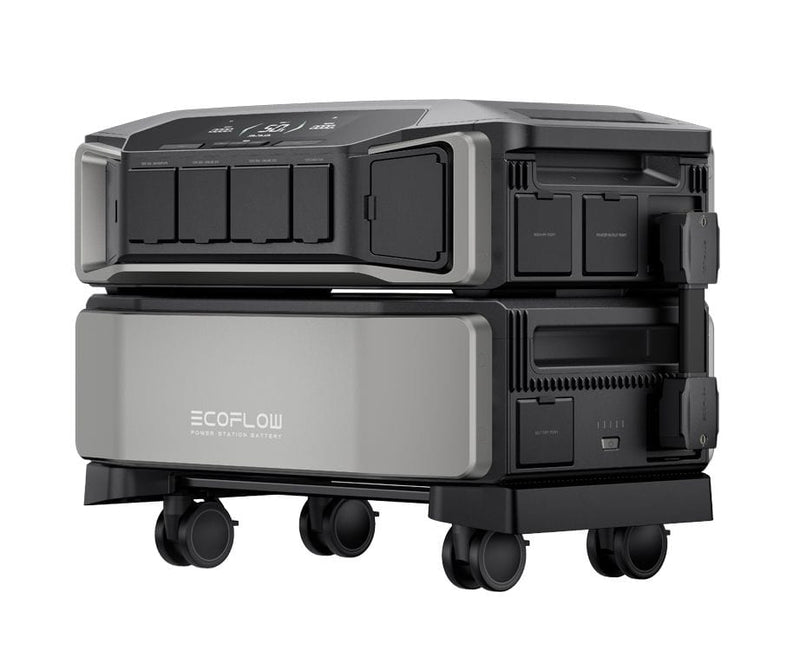
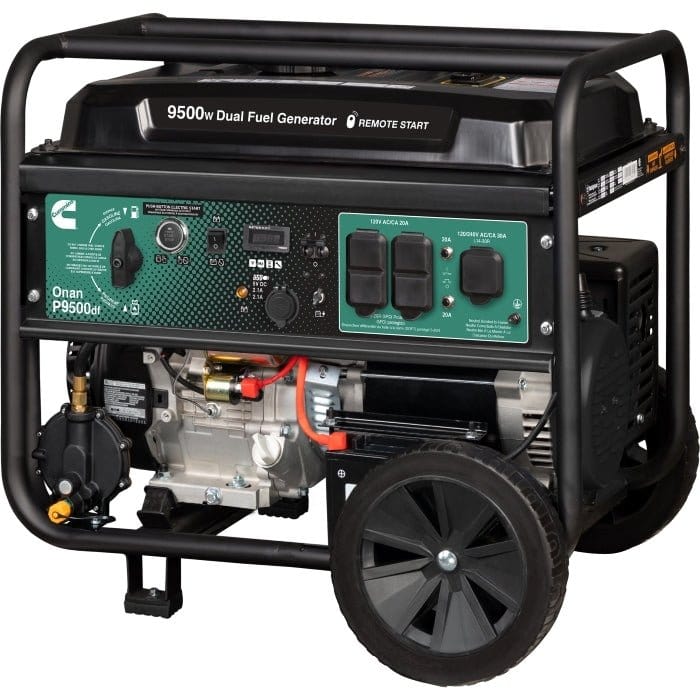
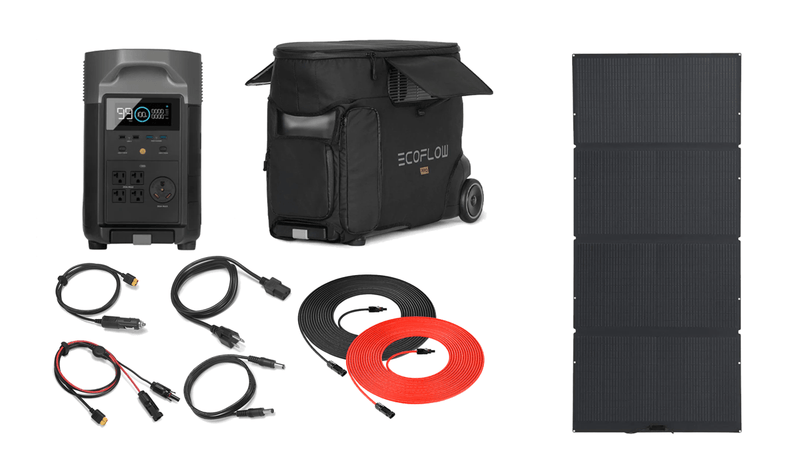

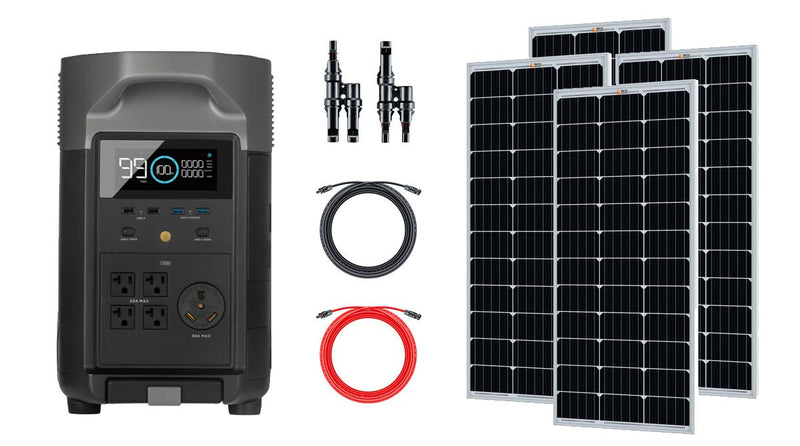





Portable Generators for Home, Camping, and Job Site Use
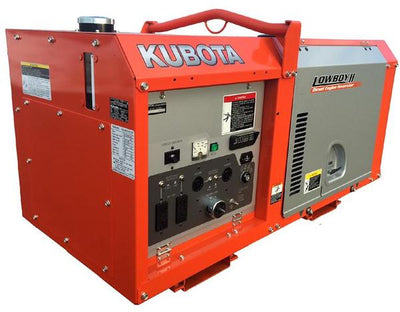
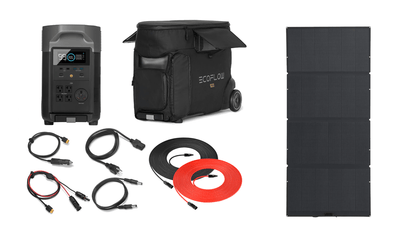
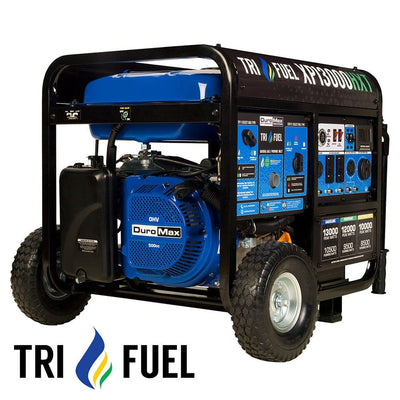
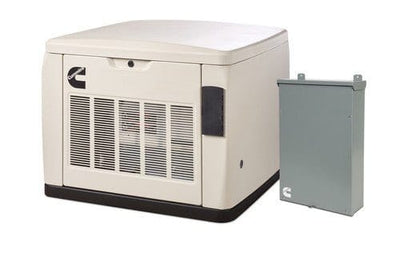
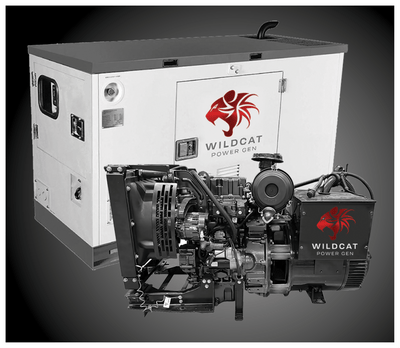
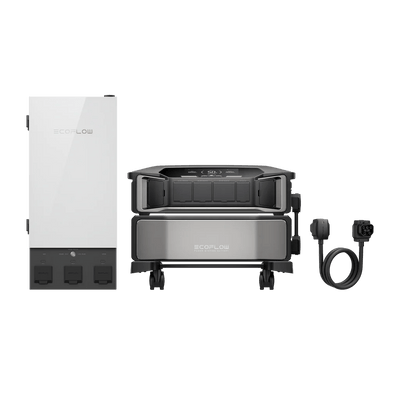
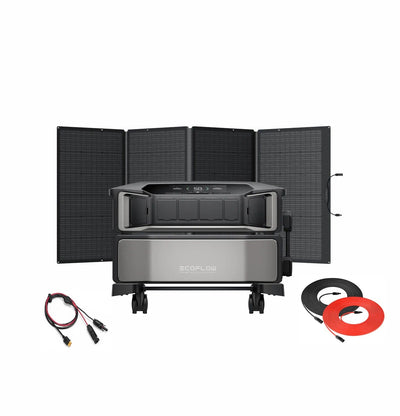
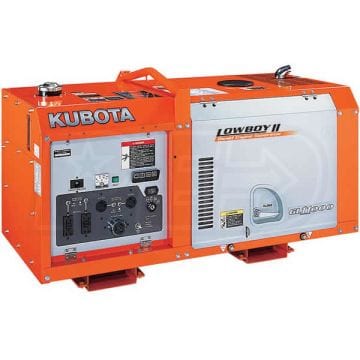
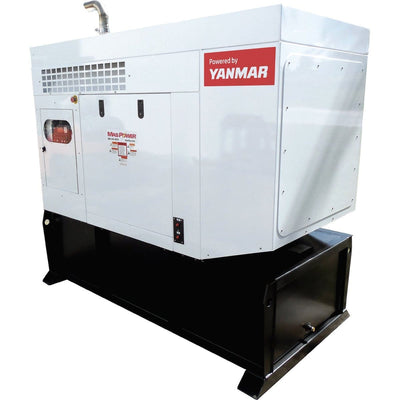
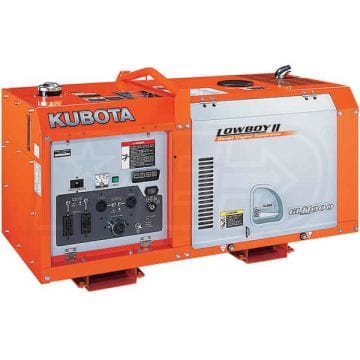
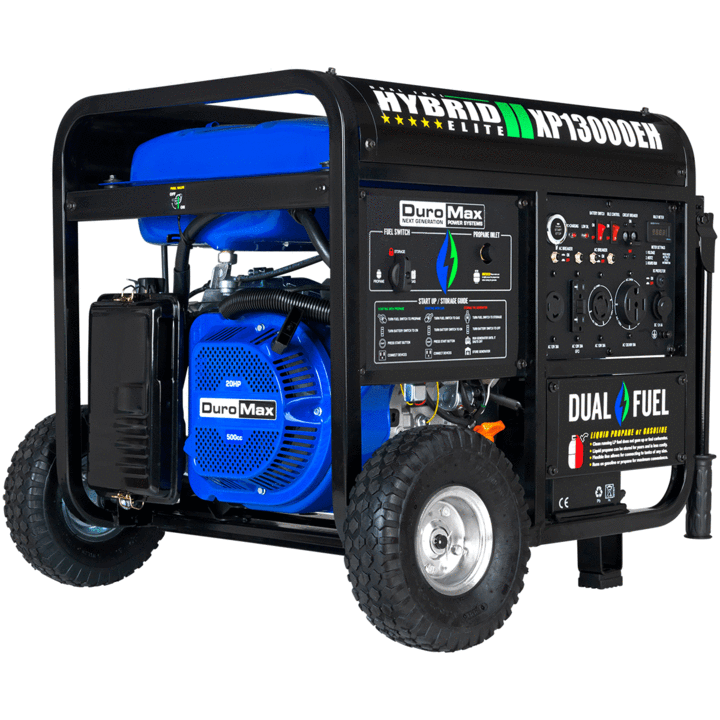
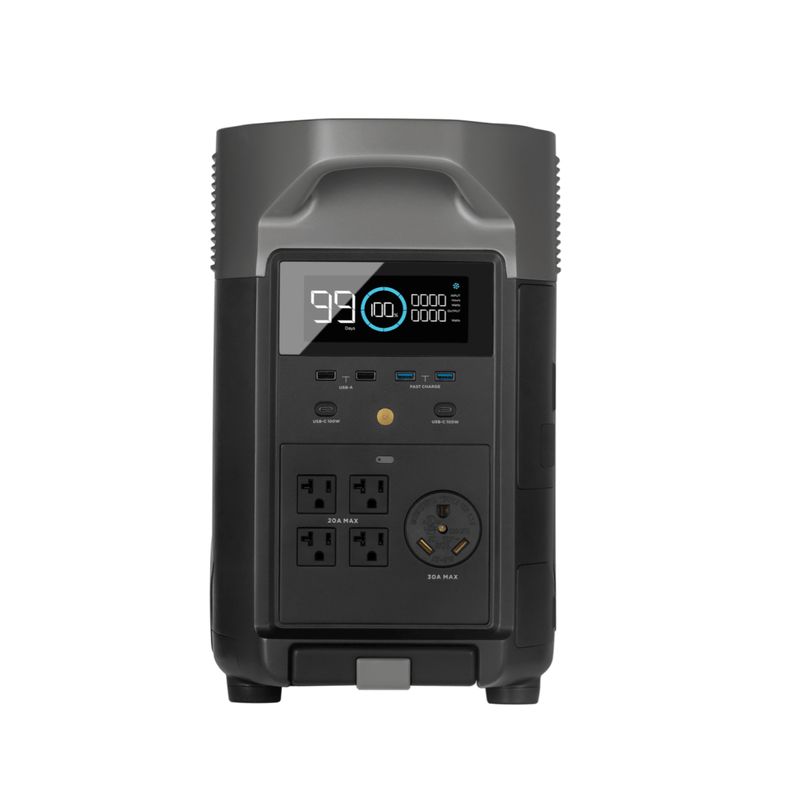
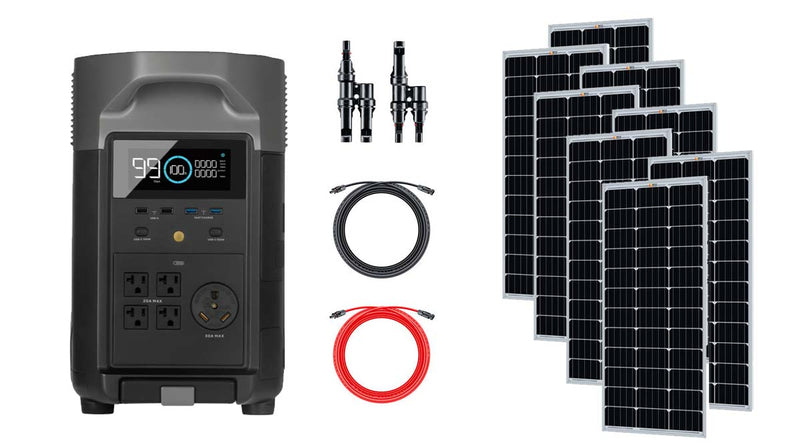
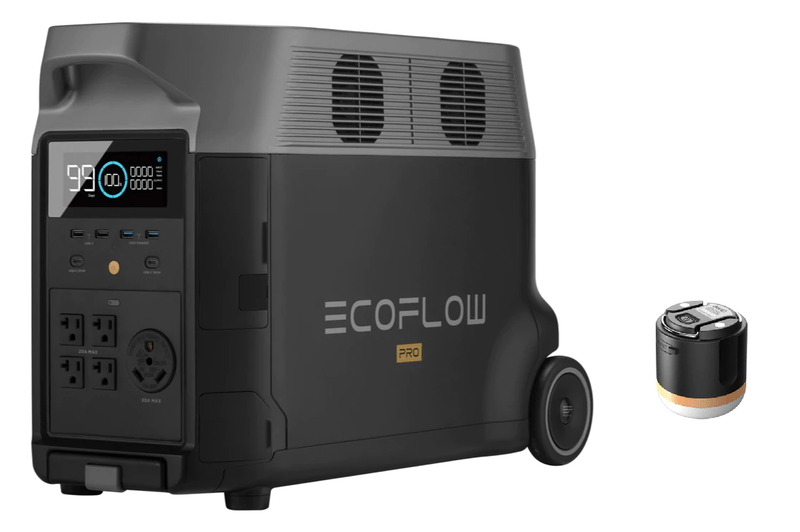
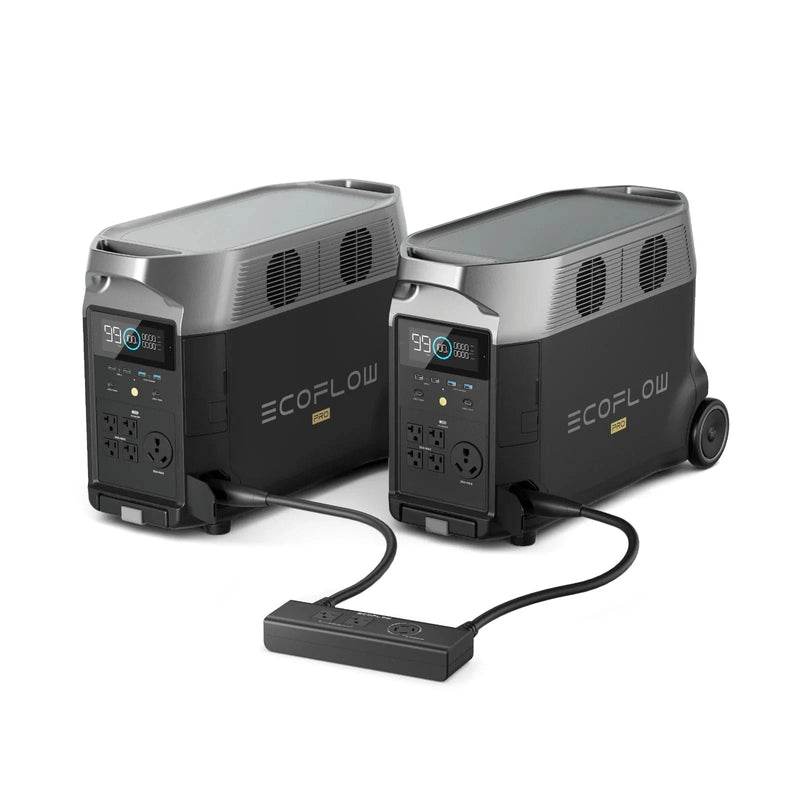
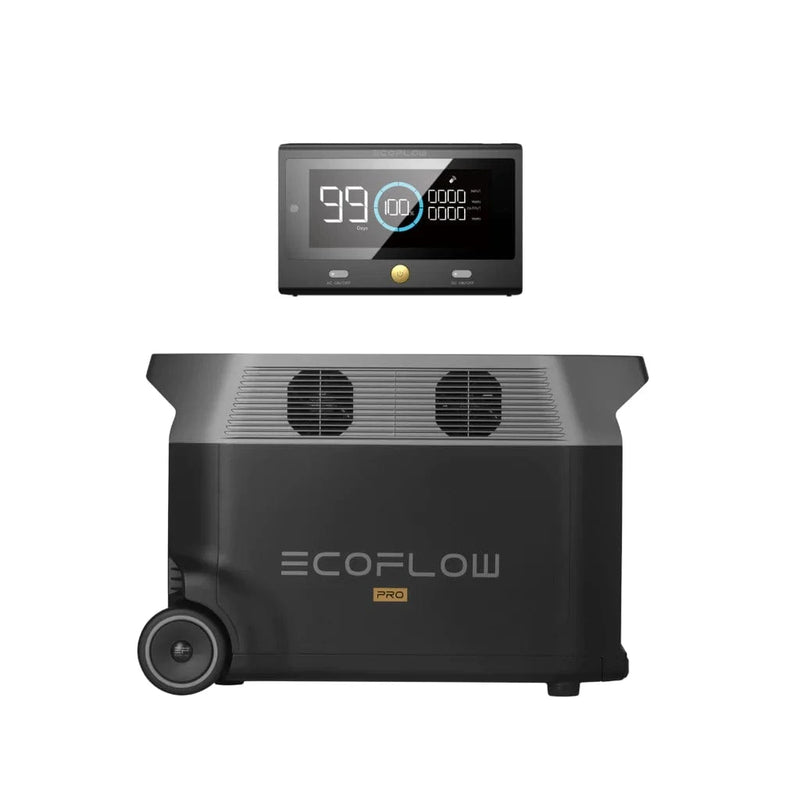
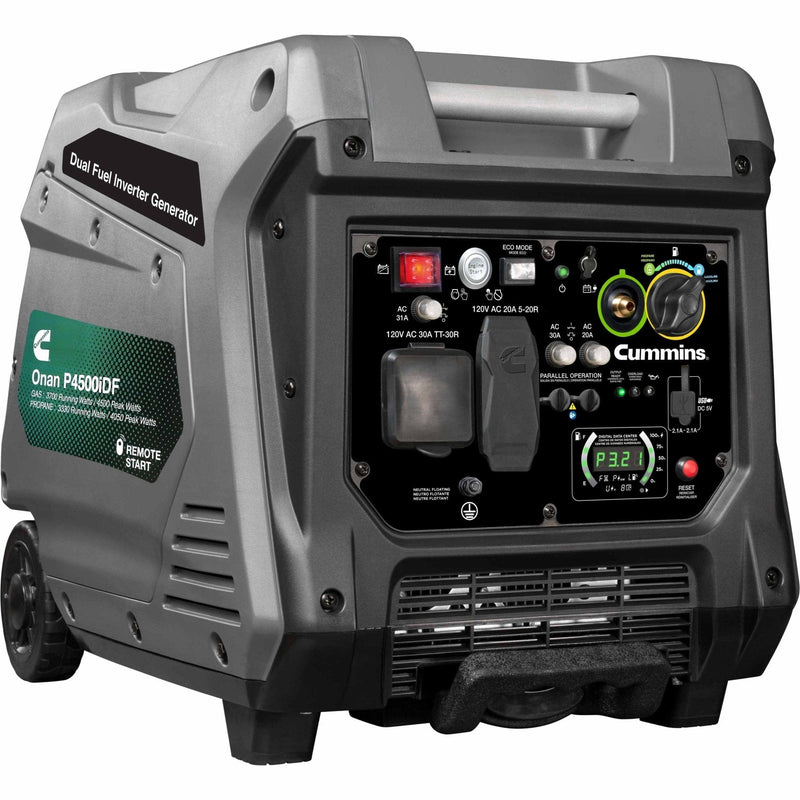
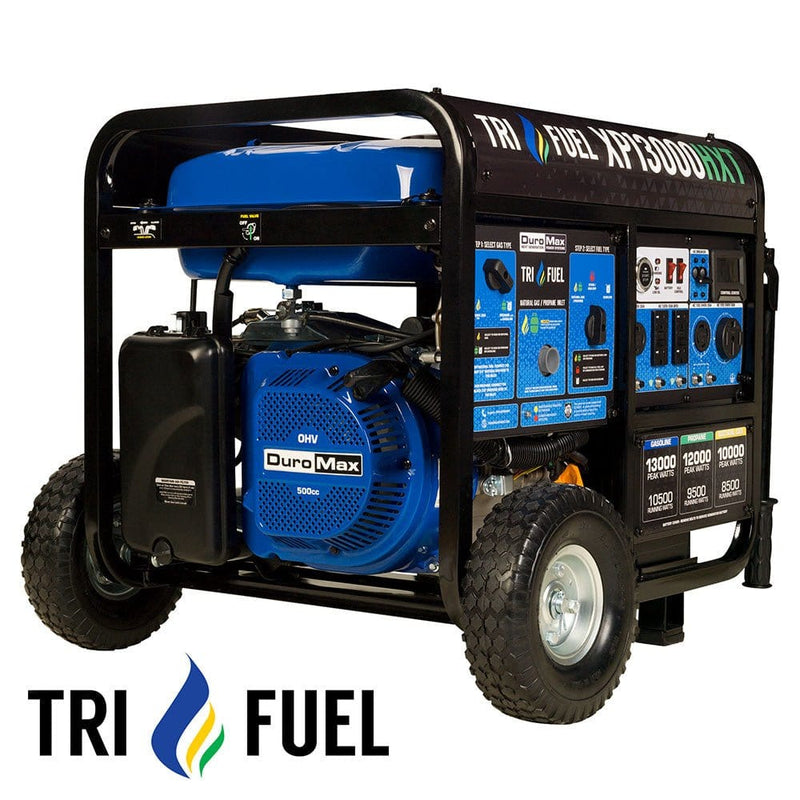
"Portable generator" covers a wide range of products, everything from small battery power stations that fit in a backpack to wheeled 15,000 watt gas units built for whole-home backup. Whatever the specific need, a portable generator gives you power that isn't tied to a fixed installation, meaning you can move it between a garage, a campsite, or a job site as needed. Our selection spans fuel-powered units from DuroMax, Cummins Onan, Kubota, Yanmar, and Wildcat, alongside battery-based power stations from EcoFlow, Anker, Jackery, Bluetti, Pecron, Nature's Generator, and others.
Fuel-Powered vs Battery Power Stations
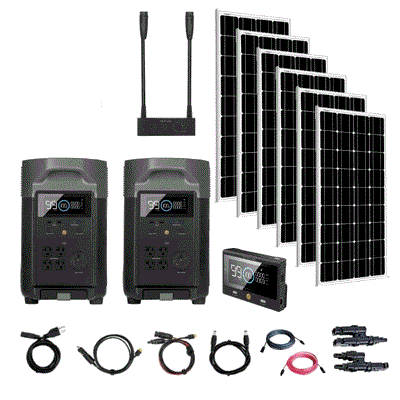
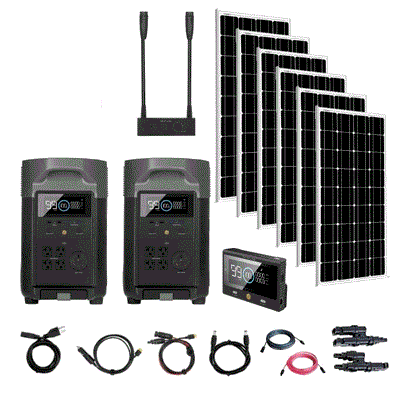
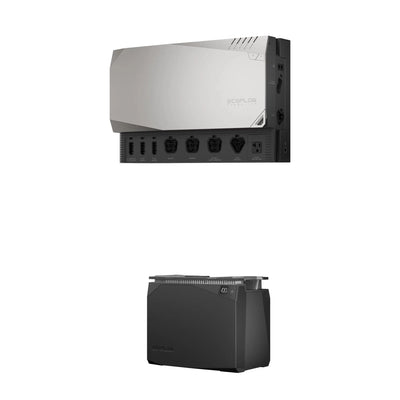
Gas, propane, dual fuel, and diesel units, like those from DuroMax, Cummins, and Yanmar, offer unlimited runtime as long as you have fuel on hand, along with higher continuous output for demanding loads. Battery power stations, including EcoFlow, Anker SOLIX, and Jackery units, run silently with zero exhaust, making them viable for indoor use and quieter environments, but their runtime is capped by stored battery capacity until recharged. Neither category is universally better; the right choice depends on whether unlimited runtime or quiet, fuel-free operation matters more for your specific situation.
Small and Mini Generators for Light-Duty Use
Not every situation calls for a large unit. A small generator or mini generator in the 1,000 to 3,000 watt range is often enough for camping, tailgating, charging devices, or running a few lights during a brief outage. Compact inverter models and smaller power stations fall into this category, prioritizing portability and quiet operation over maximum output. For anyone whose power needs are genuinely light, buying a larger unit than necessary just adds cost and bulk without a real benefit.
Sizing Up for Home Backup or Heavier Loads
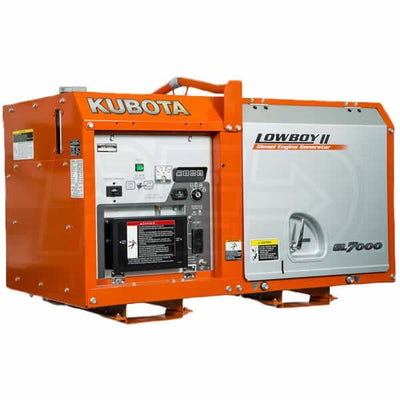
Home backup covering a refrigerator, some lighting, and other essentials typically calls for at least 8,000 watts, while job sites running power tools often do well in the 4,000 to 7,000 watt range. Larger diesel units from Kubota and Yanmar, or high-capacity DuroMax tri fuel models, extend well beyond that for buyers needing near whole-home or continuous industrial-grade output. Matching wattage to your actual expected load, adding up what you'd run simultaneously rather than guessing, is the most reliable way to avoid buying something under or oversized for the job.
Frequently Asked Questions
Should I buy a fuel generator or a battery power station?
If you need extended runtime during a multi-day outage or plan to run high-draw appliances continuously, a fuel-powered unit generally has the edge since you can keep refueling indefinitely. If quiet, indoor-safe operation matters more, or your outages tend to be shorter, a battery power station covers that need without exhaust or engine noise. Many buyers with serious backup needs end up owning both: a power station for everyday convenience and a fuel generator in reserve for longer outages.
What size portable generator do I actually need?
Start by adding up the wattage of everything you'd want to run at once, then compare that total against a unit's continuous output rating rather than its peak rating. Light use, camping, phones, a few lights, is often covered by 1,000 to 3,000 watts. Home backup covering a refrigerator and other essentials usually needs 8,000 watts or more. If you're between two sizes, sizing up generally leaves more room than sizing down.
How do I choose between all the different brands in this category?
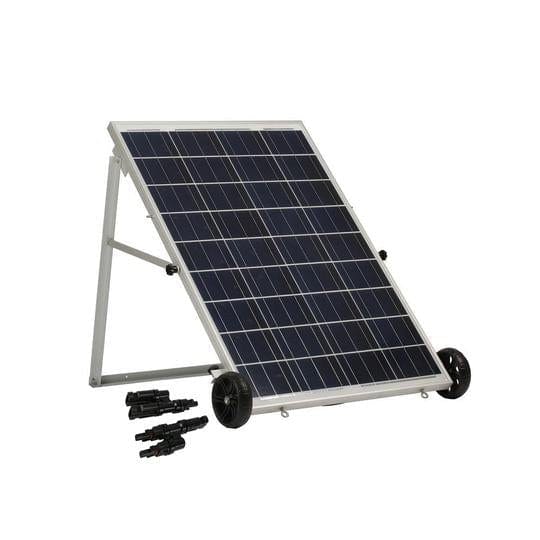
Brand choice often comes down to what you're prioritizing: DuroMax and Cummins are strong choices for fuel-powered reliability and output, while EcoFlow, Anker, and Jackery lead in battery power station capacity and solar integration. Yanmar and Kubota are worth considering specifically for diesel durability in heavier-duty applications. Rather than picking a brand first, it's usually more effective to decide on fuel type and wattage needs first, then compare specific models across brands that fit those requirements.
Is a "portable" generator actually easy to move by one person?
This varies enormously across the category. Smaller inverter generators and compact power stations, often under 50 pounds, are genuinely easy for one person to carry or wheel around. Larger units in the 10,000 watt-plus range can weigh well over 200 pounds and typically require a wheel kit and still benefit from two people to move comfortably, even though they're still classified as portable rather than a fixed standby installation. If ease of moving matters as much as output, checking the specific weight and included wheel kit is worth doing before buying.
Do portable generators require much maintenance?
Fuel-powered units need periodic oil changes, air filter checks, and occasional test runs to keep the engine in good working order, along with fuel stabilizer if the unit sits unused for extended periods. Battery power stations require essentially no mechanical maintenance, though it's worth giving them a top-up charge every few months if they're not in regular use to preserve battery health. Overall, battery units are the lower-maintenance option, while fuel generators demand more routine upkeep in exchange for unlimited runtime.