 (954) 249-2314
- Sort by Featured
- Sort by Best Selling
- Sort by Alphabetically, A-Z
- Sort by Alphabetically, Z-A
- Sort by Price, low to high
- Sort by Price, high to low
- Sort by Date, new to old
- Sort by Date, old to new
Whole House Gas Generators





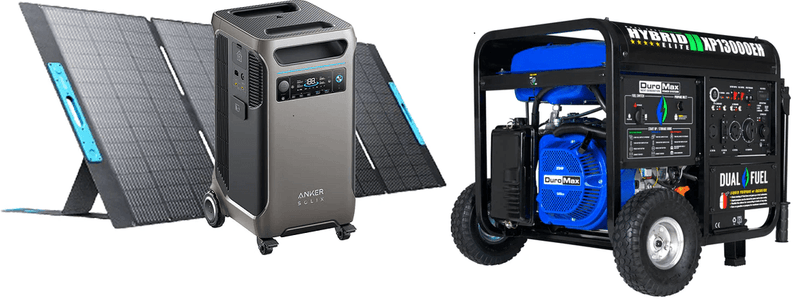
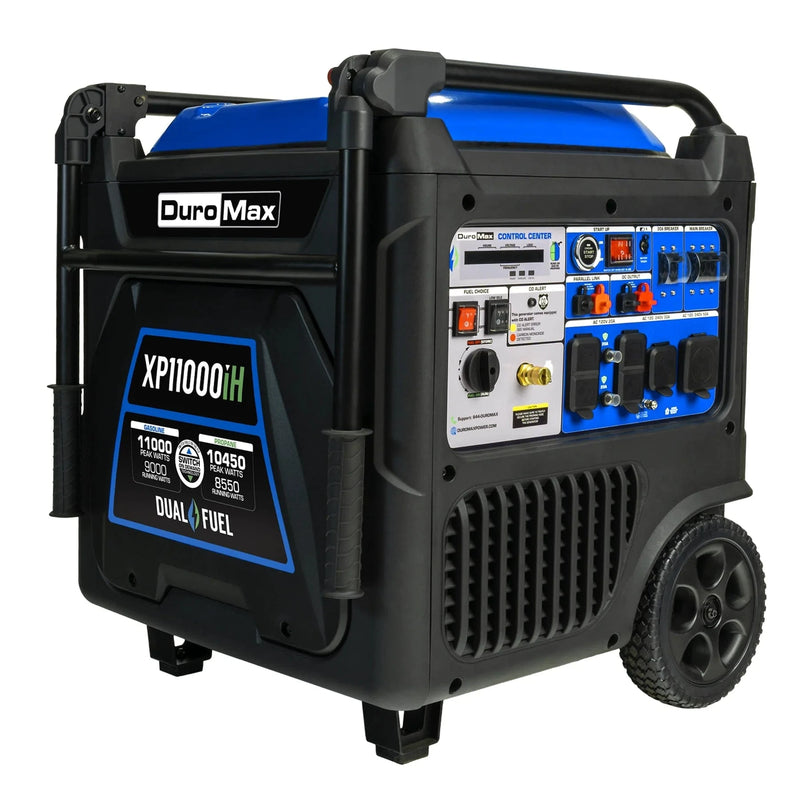
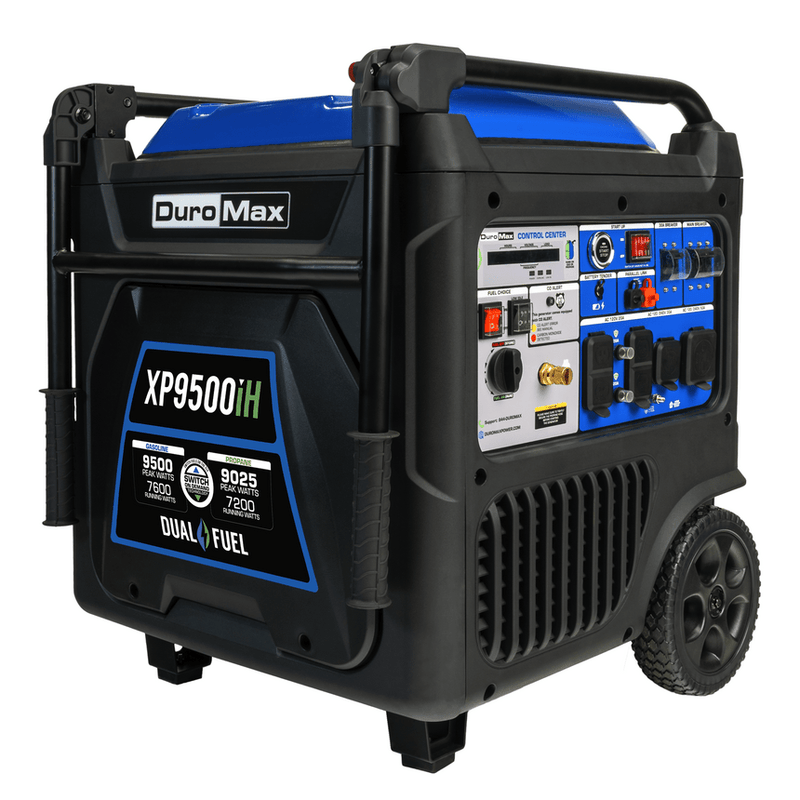


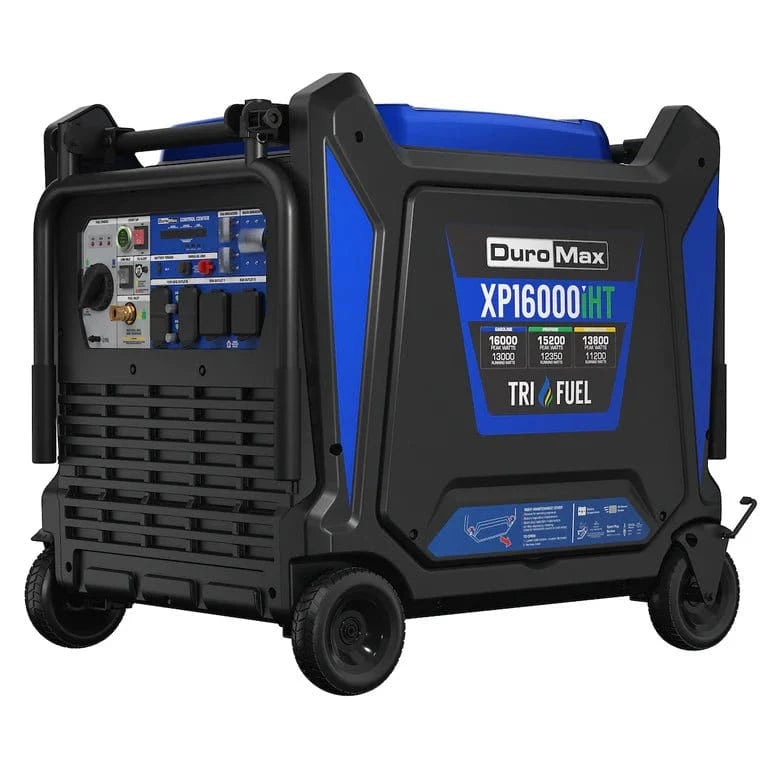
Whole House Gas Generators for Full Home Backup
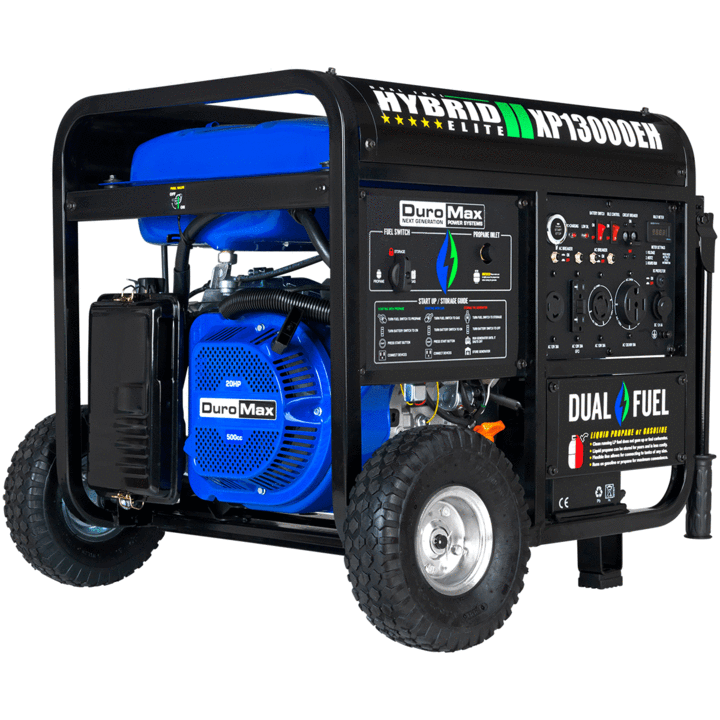
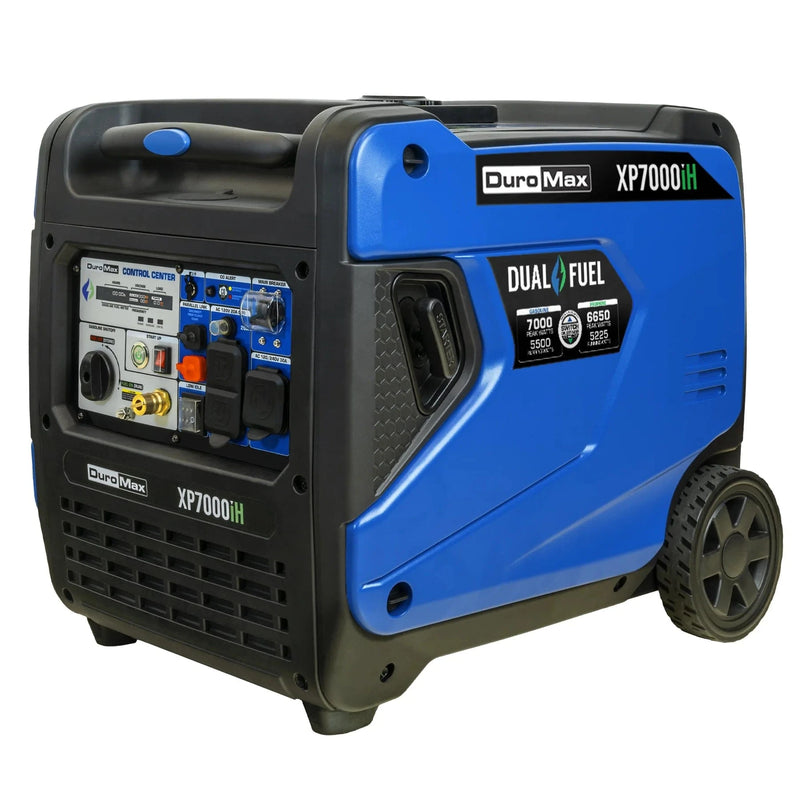
A gas generator for home use in this collection means portable, gasoline-capable units substantial enough to cover a home's full electrical load, HVAC, refrigeration, well pumps, and lighting all running at once, rather than a permanent standby installation. This DuroMax and Cummins Onan lineup spans from 5,000 watts up through the DuroMax XP28000IH at 28,000 watts, with most models offering dual or tri fuel flexibility alongside standard gasoline operation.
Sizing for Whole-House Coverage
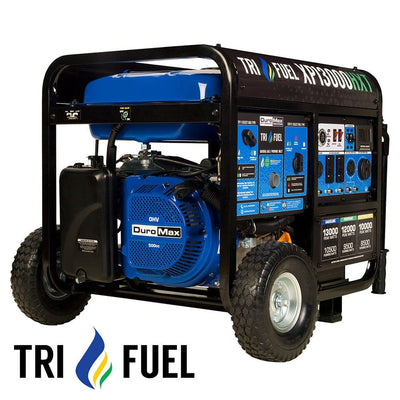
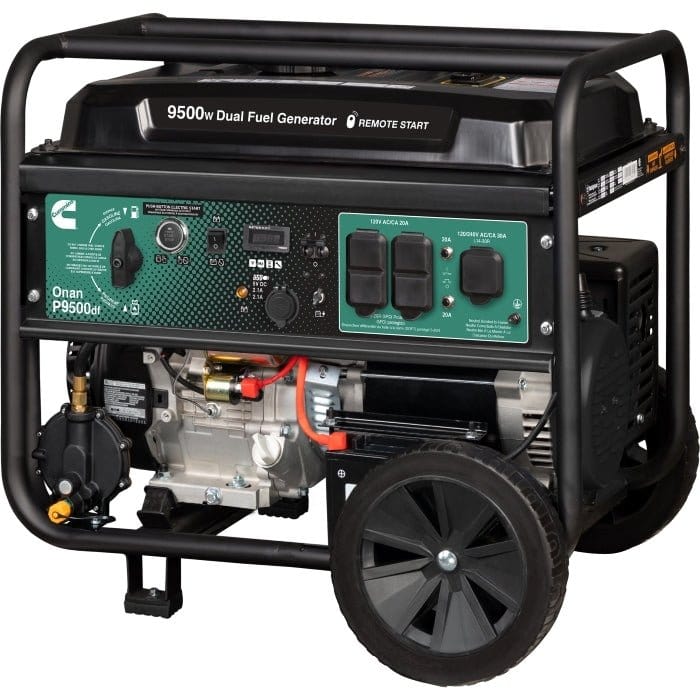
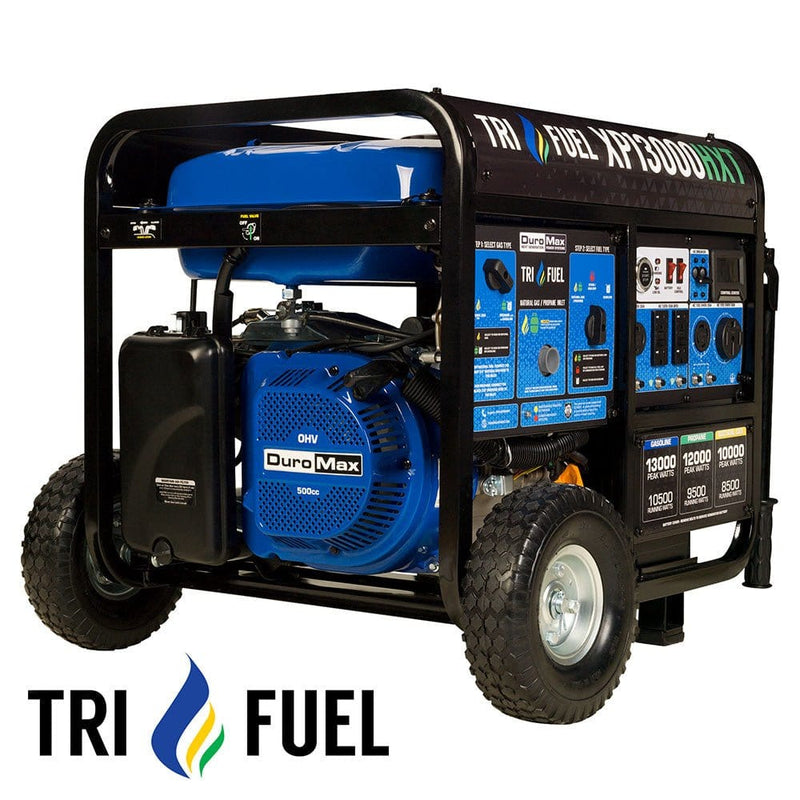
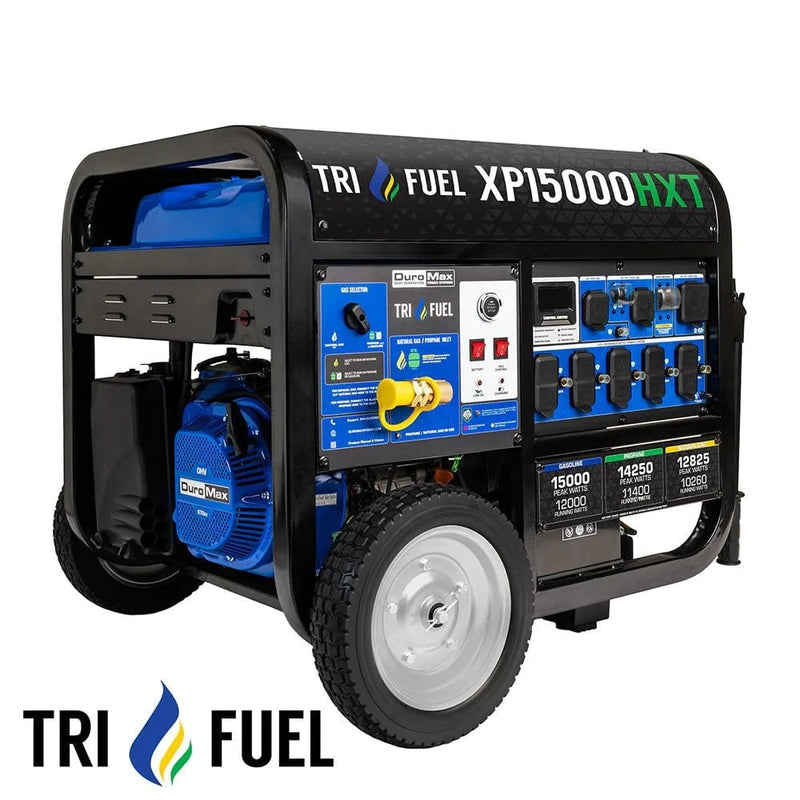
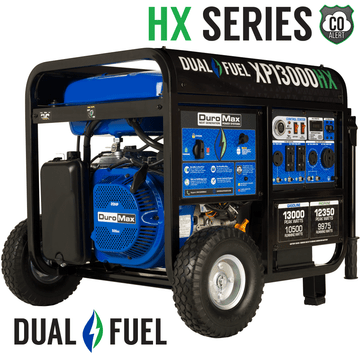
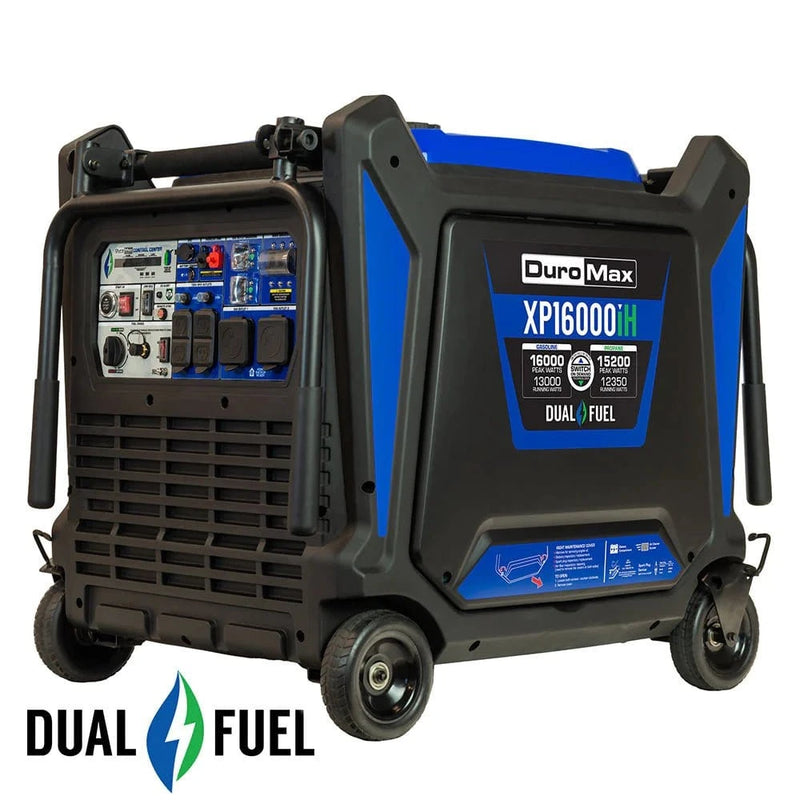
Genuine whole-house coverage typically starts around 9,000 to 13,000 watts, where models like the Cummins Onan 9500DF, DuroMax XP13000HX, and DuroStar DS13000MX sit, covering most homes' simultaneous appliance load. For larger homes or those wanting extra headroom for future additions, the DuroMax XP15000HX, XP16000iHT, and XP28000IH extend well beyond typical residential demand, giving more margin for central AC, electric water heating, or other significant loads running together.
Dual Fuel and Tri Fuel Flexibility
Nearly every unit in this collection offers more than pure gasoline operation. Dual fuel models like the DuroMax XP15000HX and XP28000IH add propane as a backup fuel source, while tri fuel units like the XP7000iHT, XP11000iHT, XP13000HXT, and XP16000iHT extend that to natural gas as well, useful if you have a gas line and want that added fuel security during extended outages when gasoline supply becomes unpredictable. Cummins Onan's P5000iDF and P9500DF add remote start on top of dual fuel capability, letting you start the generator without going outside during a storm.
Frequently Asked Questions
What size home gas generator do I actually need for whole-house coverage?
Most mid-size homes achieve genuine whole-house coverage somewhere in the 9,000 to 13,000 watt range, covering HVAC, refrigeration, and major appliances running simultaneously. Larger homes with multiple HVAC zones, electric water heating, or higher overall demand may need to size up toward 15,000 to 28,000 watts to avoid rationing circuits during an outage. Calculating your home's actual simultaneous wattage need, rather than estimating from square footage, is the most reliable way to land in the right range.
Should I choose a dual fuel or tri fuel model for whole-house backup?
If you don't have a natural gas line at your home, tri fuel capability doesn't add practical value beyond what dual fuel already covers, since you'd only ever use the gas and propane options either way. If you do have natural gas service, a tri fuel unit like the XP13000HXT gives you an effectively unlimited fuel supply as long as utility gas service continues, which is worth the added cost specifically for buyers with that hookup available.
Is remote start worth paying more for on the Cummins Onan models?
Remote start lets you start the generator from inside your home rather than walking out to it during a storm, a genuine convenience during severe weather when going outside isn't ideal. For buyers who prioritize that convenience, it's worth the added cost; for buyers focused purely on maximizing wattage per dollar, a comparable DuroMax unit without remote start often delivers similar or higher output at a lower price point.