 (954) 249-2314
- Sort by Featured
- Sort by Best Selling
- Sort by Alphabetically, A-Z
- Sort by Alphabetically, Z-A
- Sort by Price, low to high
- Sort by Price, high to low
- Sort by Date, new to old
- Sort by Date, old to new
Generator Transfer Switches





Generator Transfer Switches for Safe, Automatic Backup
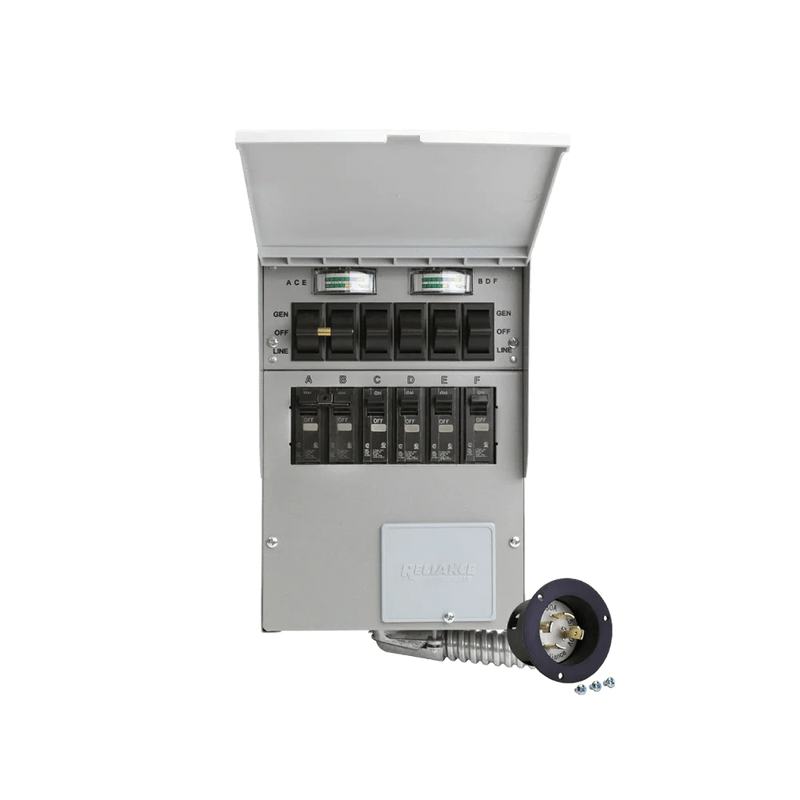
A generator transfer switch is the component that safely connects a generator, fuel-based or battery, to your home's electrical panel, switching your circuits between utility power and generator power without the risk of backfeeding electricity into the grid, which can be dangerous for utility workers and illegal to do without one. Our selection spans automatic switches from Cummins and Briggs & Stratton built for standby generators, along with switches designed specifically for battery systems from EcoFlow, Anker, and Nature's Generator.
Automatic vs Non-Automatic Transfer Switches
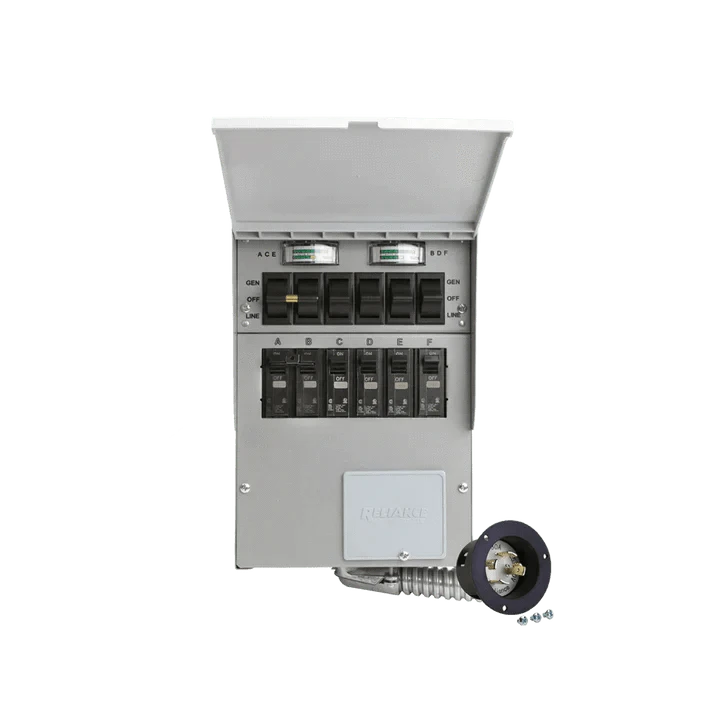
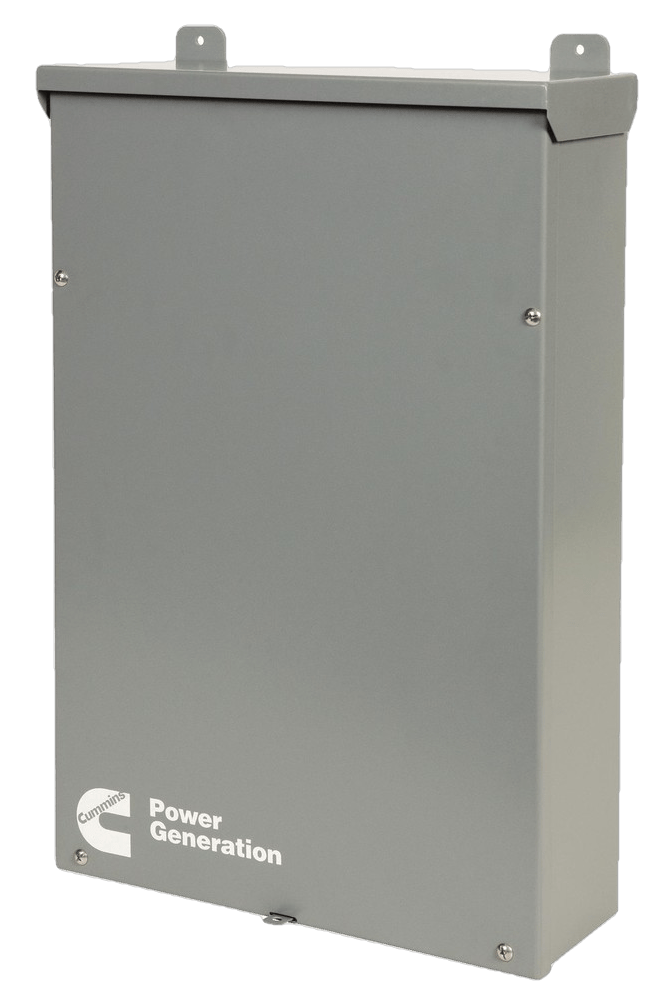
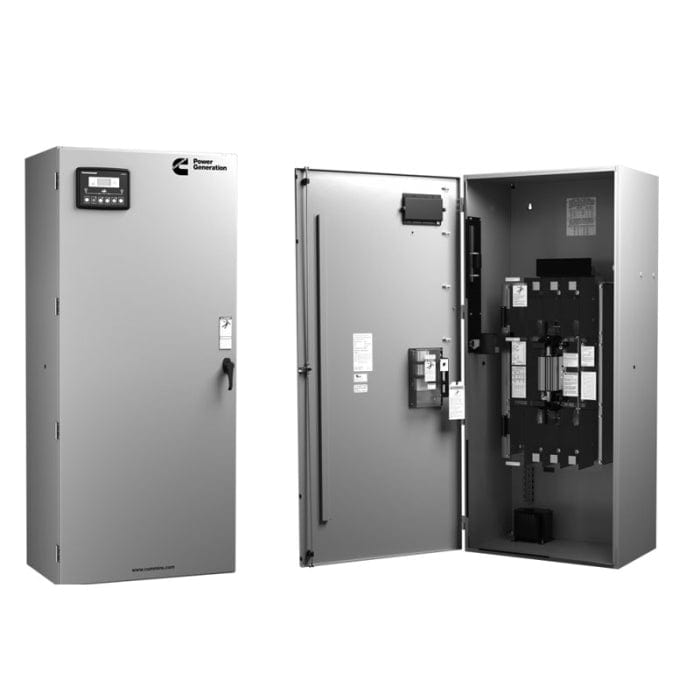
An automatic transfer switch for generator setups, like the Cummins RA-100-NSE or the Briggs & Stratton 200A model, detects a power outage and switches your home to generator power within seconds, without anyone needing to flip anything manually, which is standard for standby systems that also start automatically. Nature's Generator also offers a 30A non-automatic switch for buyers using a portable generator manually, where you connect the switch and select your circuits yourself once the generator is running, a more affordable option for anyone not pairing the switch with an automatic-start system.
Matching Amperage to Your Generator's Output
Transfer switch amperage needs to match or exceed your generator's output capacity: Nature's Generator's 30A and 50A switches suit smaller to mid-size systems covering up to 24 circuits, while the 125A option extends to whole-home backup covering 24 to 48 circuits. On the higher end, Cummins' 400 Amp switch and Briggs & Stratton's 200A model are sized for larger standby generators, and it's worth confirming your specific generator's rated output against the switch's amperage rating before purchasing, since an undersized switch can't safely handle a larger generator's full capacity.
Transfer Switches for Battery Power Stations
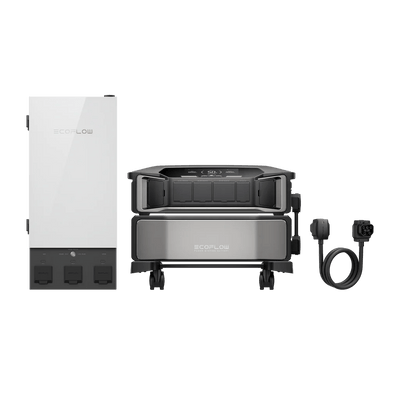
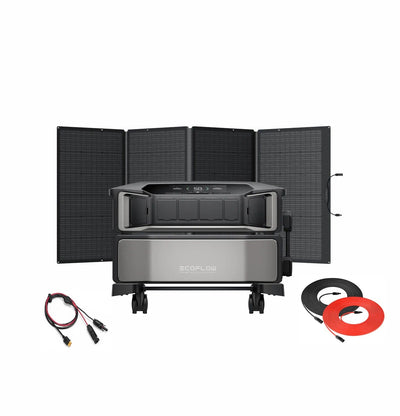
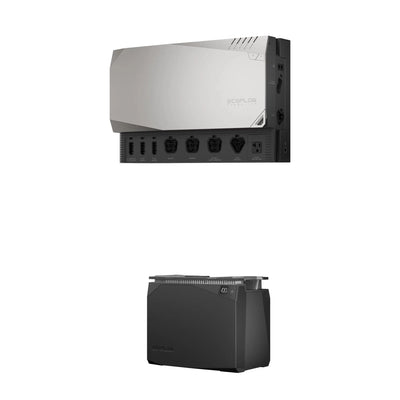
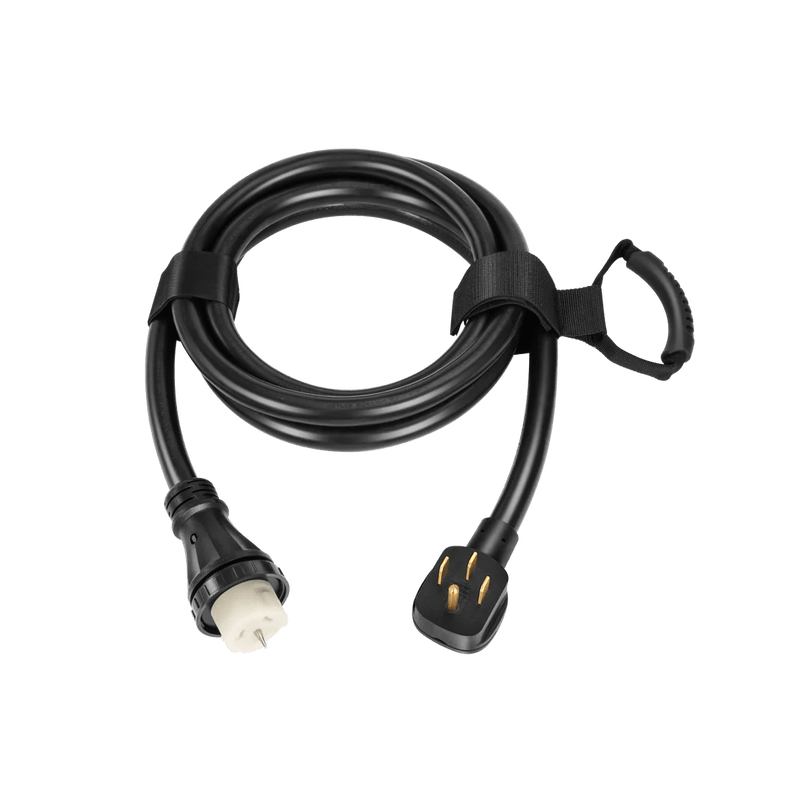
Battery-based whole-home systems need their own switching hardware, distinct from what a fuel generator uses. EcoFlow offers dedicated switches for the DELTA Pro and DELTA Pro Ultra systems, while Anker's SOLIX Power Dock serves a similar integration role for the E10 Whole-Home Backup System. These are purpose-built for their specific battery platforms rather than being interchangeable with a standard fuel-generator transfer switch, so buyers with a battery system should look specifically for the switch matched to their unit rather than a generic option.
Frequently Asked Questions
Do I legally need a transfer switch, or can I just plug my generator into an outlet?
Most jurisdictions require a transfer switch for connecting a generator to your home's electrical system beyond simply running extension cords to individual devices, since backfeeding power into your home's wiring without one can send electricity back into the utility grid, a serious safety hazard for line workers and a code violation in most areas. Beyond the legal requirement, a transfer switch is also the safer and more practical way to power your home's actual circuits rather than relying on cords run through windows or doors.
What's the difference between an automatic and non-automatic transfer switch in practice?
An automatic switch detects an outage and switches power sources on its own, which only makes sense paired with a generator that also starts automatically, like a standby system. A non-automatic switch requires you to manually flip it once your portable generator is running, which is perfectly functional and considerably less expensive, but does require you to be present and take action during the outage rather than having the whole process happen without you.
Can I use a fuel generator's transfer switch with a battery power station instead?
Generally no, battery-based whole-home systems like EcoFlow's DELTA Pro Ultra or Anker's SOLIX E10 use their own dedicated switching hardware, the EcoFlow Transfer Switch or the SOLIX Power Dock, engineered specifically for how those systems manage circuit-level power distribution. A standard generator transfer switch built for fuel-based standby units isn't designed to integrate with a battery system's software and circuit management, so it's important to buy the switch matched to your specific power source rather than assuming compatibility across brands or power types.