 (954) 249-2314
- Sort by Featured
- Sort by Best Selling
- Sort by Alphabetically, A-Z
- Sort by Alphabetically, Z-A
- Sort by Price, low to high
- Sort by Price, high to low
- Sort by Date, new to old
- Sort by Date, old to new
Natural Gas Generators



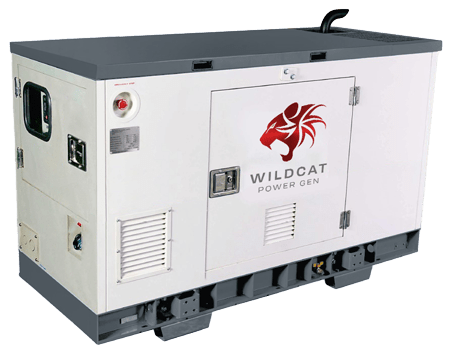
Natural Gas Generators for Uninterrupted Backup Power
A natural gas generator solves the fuel storage problem entirely: as long as your home or business has a natural gas line, the generator draws directly from it, with no tanks to refill and no fuel supply to run out mid-outage. That makes a natural gas backup generator one of the most low-maintenance options available for buyers who want power restored automatically and reliably, whether that's for a few hours during a storm or continuous operation over an extended outage.
Standby vs Portable Natural Gas Options
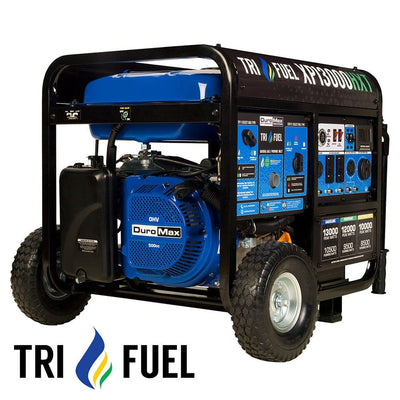
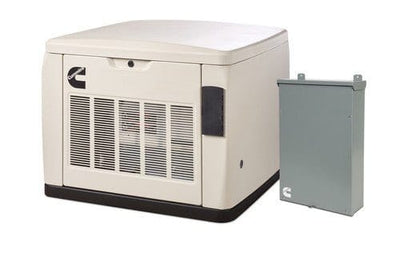
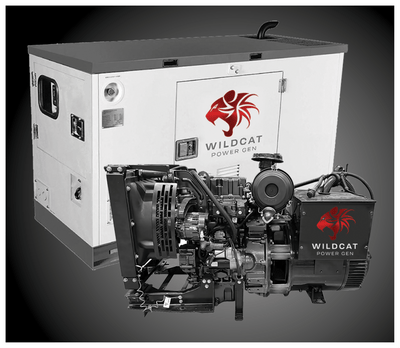
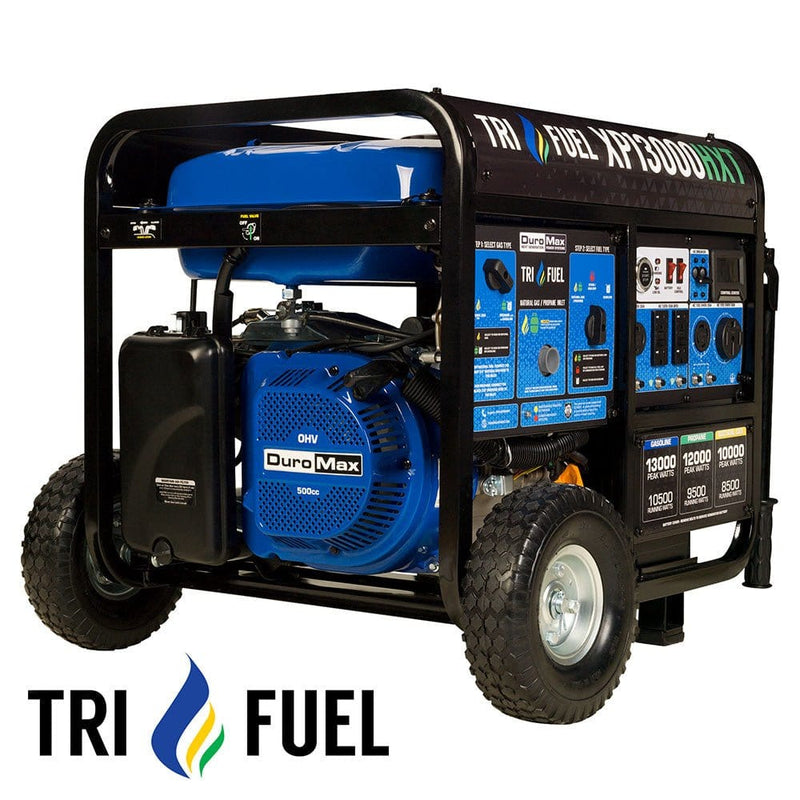
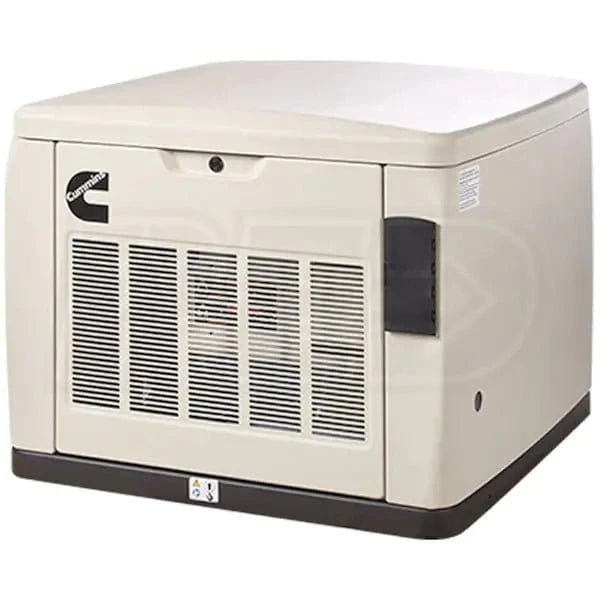
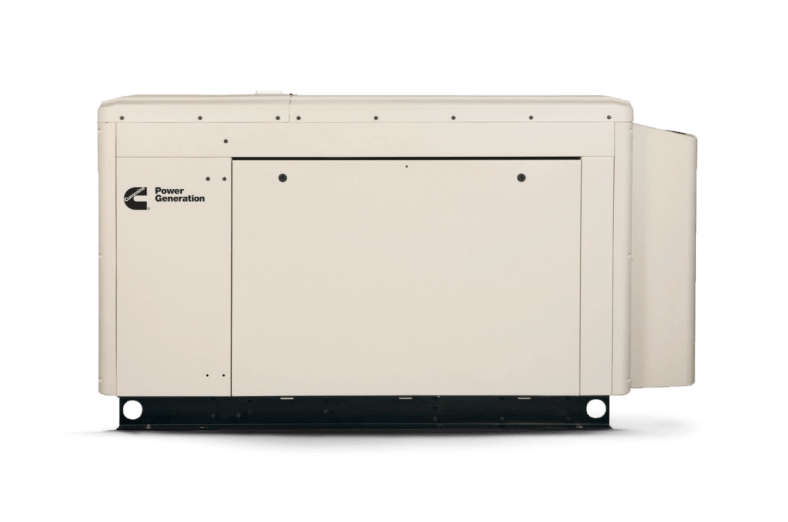
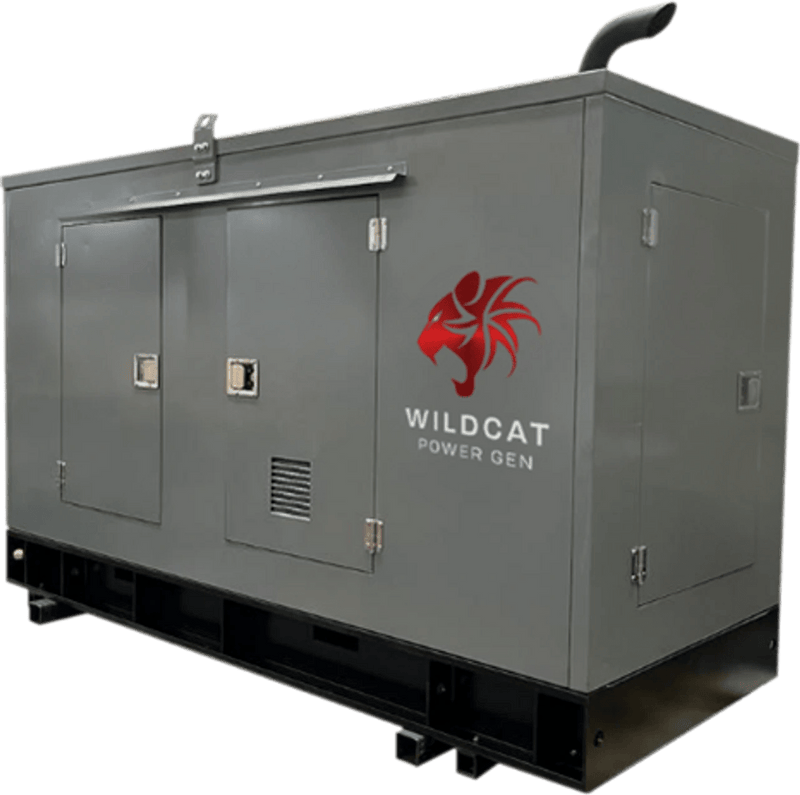
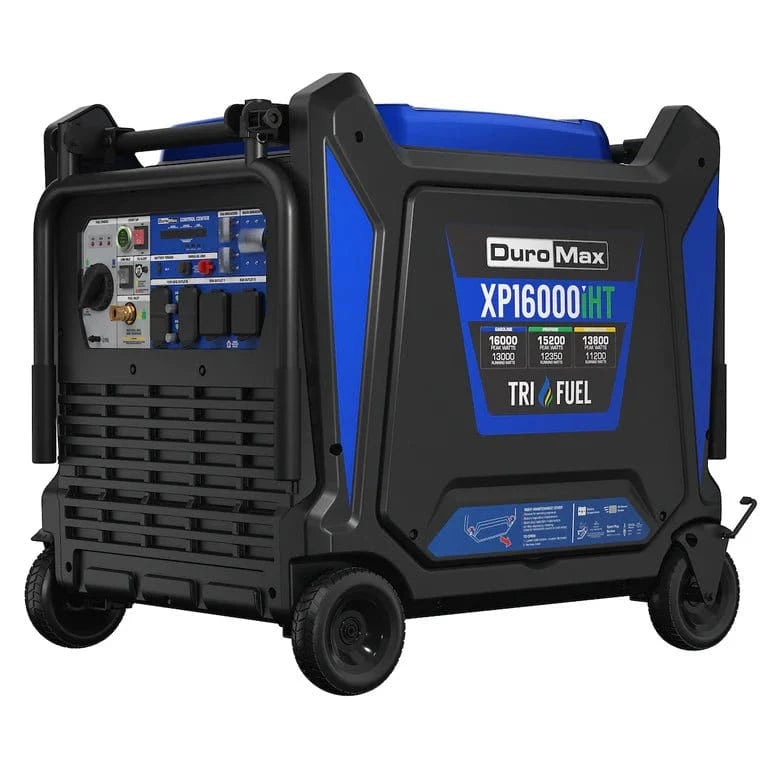
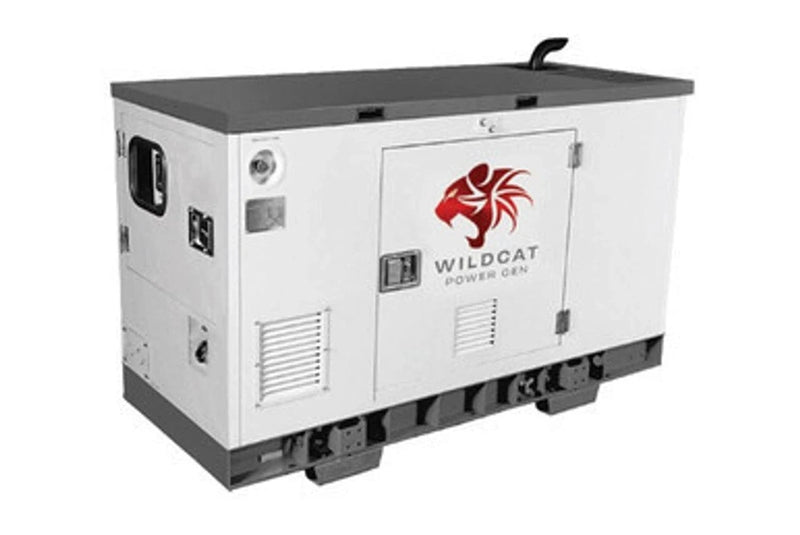
Cummins' Quiet Connect series, including the RS13A, RS17A, and RS25, represents the standby end of the category, installing permanently alongside an automatic transfer switch and starting within seconds of an outage. Wildcat offers larger natural gas and propane units like the Freedom 15kW and the Roughneck 30kW, the latter rated for prime power, meaning continuous operation rather than just emergency backup, which matters for commercial or job site applications running around the clock. On the portable side, DuroMax tri fuel models like the XP13000HXT and XP28000IHT, along with the Anker SOLIX Smart Generator 5500, let you run on natural gas without a permanent installation, switching between gas, propane, or natural gas depending on what's available.
Sizing for Home, Business, or Continuous Use
Standard home backup typically calls for at least 8,000 watts, though larger households running HVAC and multiple appliances often land closer to 13,000 to 17,000 watts on a unit like the RS17A. Commercial and industrial buyers needing prime power rather than occasional backup, like the Roughneck 30kW, should size well above their expected continuous load rather than their peak, since running a generator at its absolute maximum for extended periods shortens its usable lifespan considerably.
Frequently Asked Questions
Do I need a professional to connect a generator to my natural gas line?
Yes, connecting any generator, standby or portable, to a natural gas line typically requires a licensed professional to ensure the connection meets local code and gas safety standards. Standby units also require an automatic transfer switch installed by a qualified electrician, as the generator must integrate safely with your home's electrical panel. Portable units running on natural gas still need a proper regulator and hose connection rather than an improvised setup, so professional installation is generally the safer route regardless of unit type.
What does "prime power" mean, and do I need a generator rated for it?
Prime power refers to a generator's ability to run continuously as a primary power source rather than just for occasional emergency backup, and it's a rating that matters mainly for commercial, industrial, or off-grid applications where the generator might run for days or weeks at a stretch. The Wildcat Roughneck 30kW is built specifically for this kind of continuous duty. For typical home backup during storm outages, a standard standby rating is sufficient and you don't need to pay extra for prime power capability.
Is natural gas or propane the better fuel choice for a backup generator?
Natural gas offers the advantage of an essentially unlimited supply as long as the gas line stays active and utility service isn't disrupted, while propane requires a stored tank that needs periodic refilling but doesn't depend on any utility infrastructure at all. If your natural gas service could be affected by the same event causing your power outage, propane offers more independence. Many of the tri fuel units in this collection are built to run on either, so you're not locked into one choice at purchase.
Can a natural gas generator run my whole house, or just certain circuits?
This depends entirely on the generator's wattage relative to your home's total electrical load. Smaller standby units like the RS13A are often wired to cover essential circuits, refrigerator, some lighting, a well pump, rather than the entire panel, while larger units like the RS25 or Roughneck 30kW can be sized and installed to cover a full home's simultaneous load. An electrician can calculate your home's actual demand and recommend whether a whole-house or essential-circuits setup makes more sense for your situation.
Will a natural gas generator shut off if the gas utility itself loses service?
Yes, a natural gas generator is only as reliable as the gas line feeding it, so if the utility's gas service is disrupted, whether from damage to gas infrastructure or a utility-wide shutdown, the generator won't be able to draw fuel regardless of how well it's installed. This is a real, if less common, failure scenario compared to a stored-fuel system like propane or gasoline, which is why some buyers in high-risk areas choose a tri fuel unit that can fall back to propane if the gas line becomes unavailable.