 (954) 249-2314
- Sort by Featured
- Sort by Best Selling
- Sort by Alphabetically, A-Z
- Sort by Alphabetically, Z-A
- Sort by Price, low to high
- Sort by Price, high to low
- Sort by Date, new to old
- Sort by Date, old to new
Industrial Generators
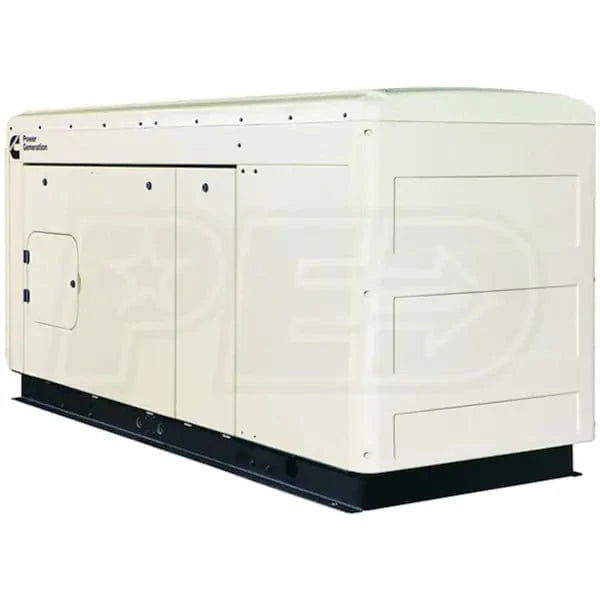
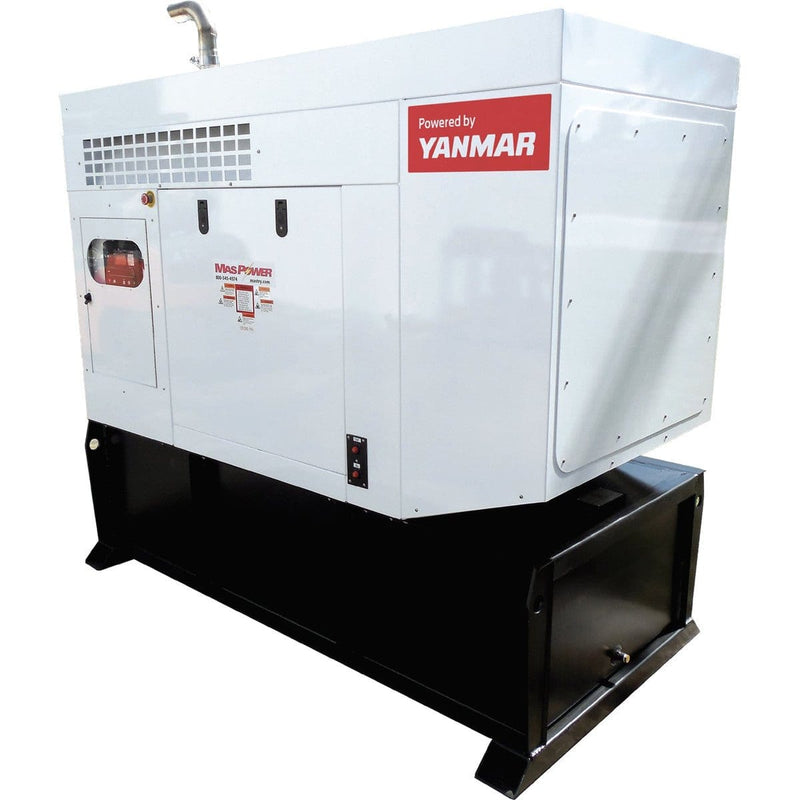


Industrial Generators Built for Continuous, Heavy-Duty Power
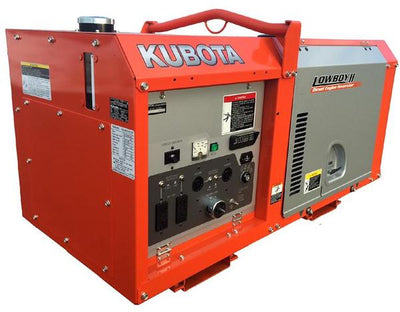
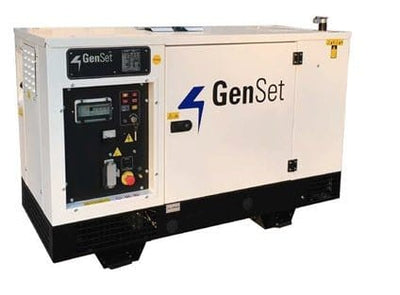
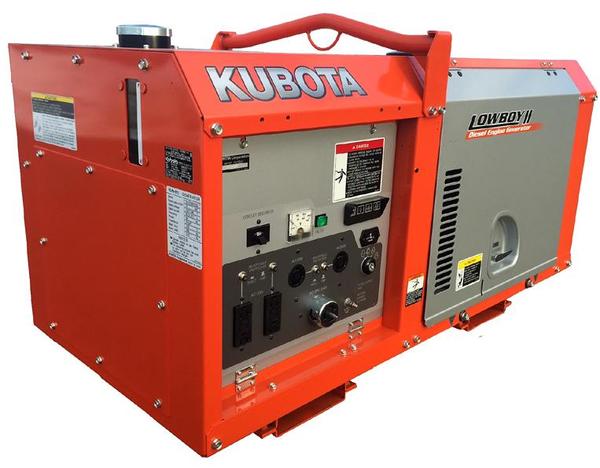
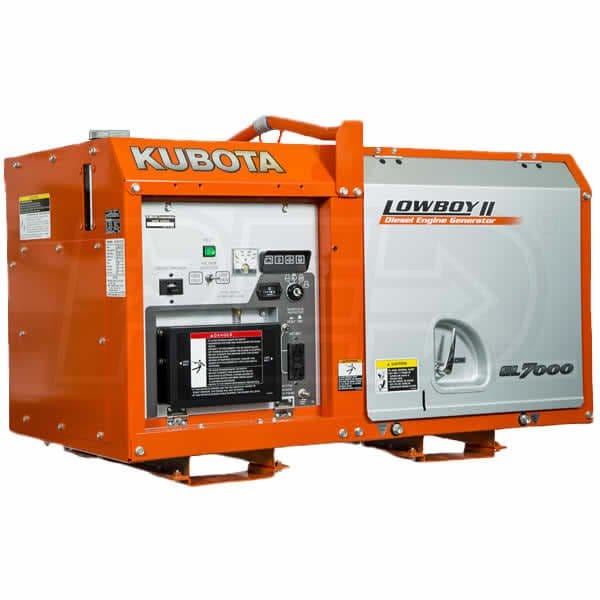
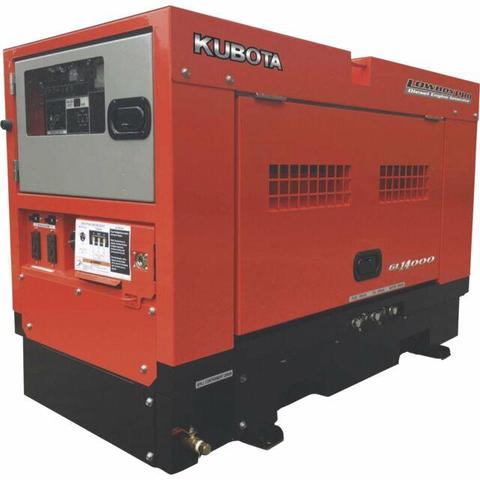
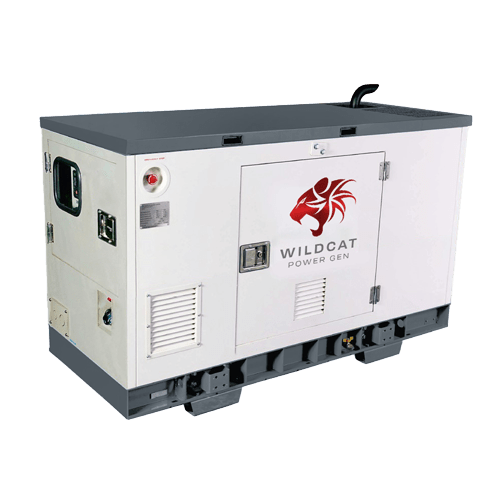
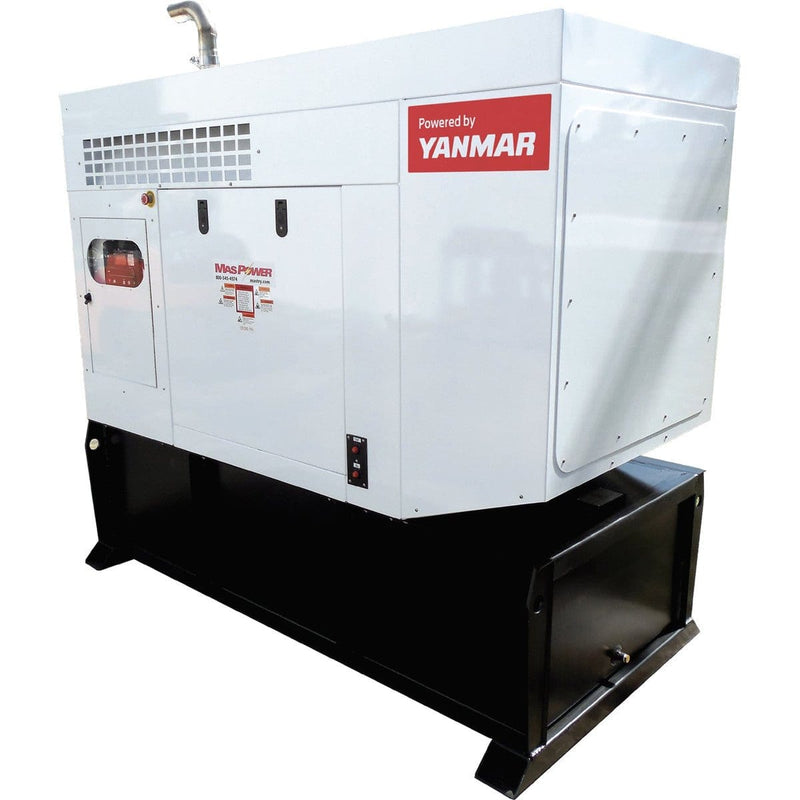
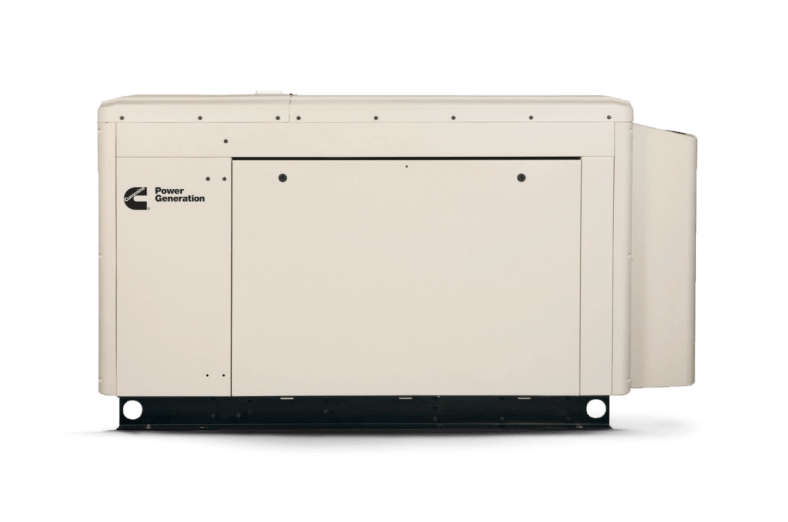
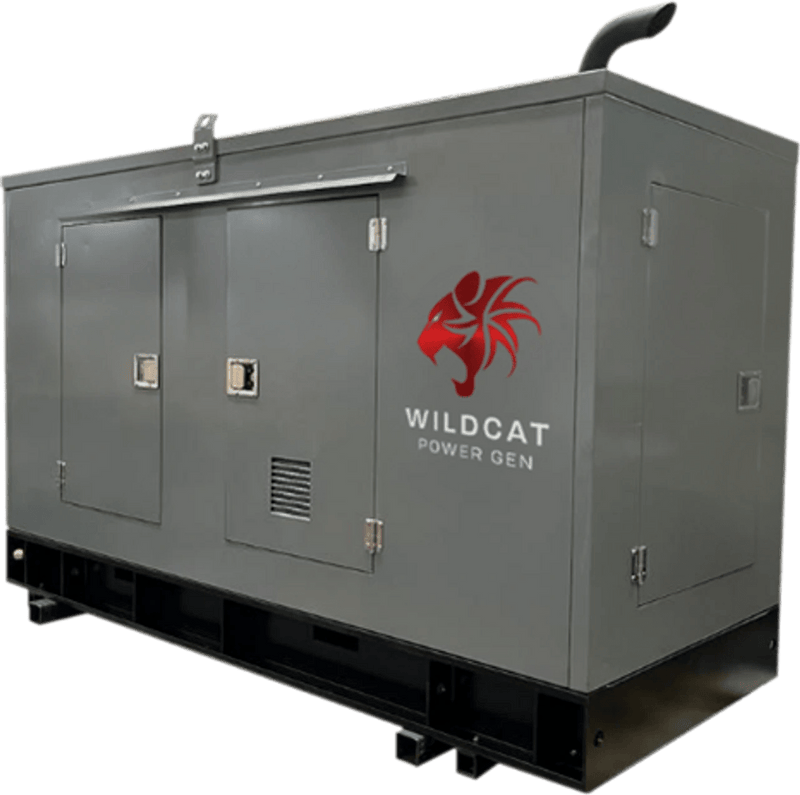
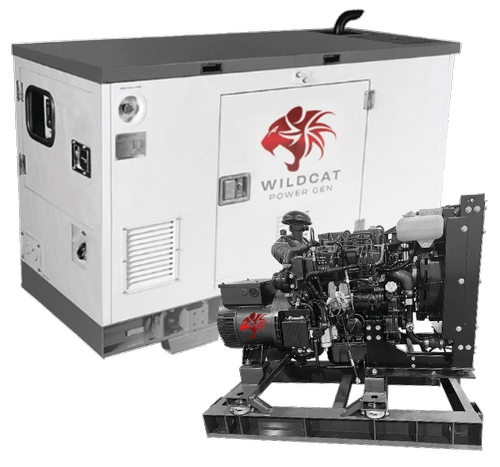
An industrial generator is engineered for sustained operation under serious load, not occasional emergency use, which is why this category leans almost entirely toward diesel power from Cummins, Kubota, Wildcat, and Yanmar-powered systems. These units are built to run for extended periods, sometimes continuously as a primary power source, in settings where reliability under constant demand matters more than portability or price.
Prime Power vs Standby Ratings
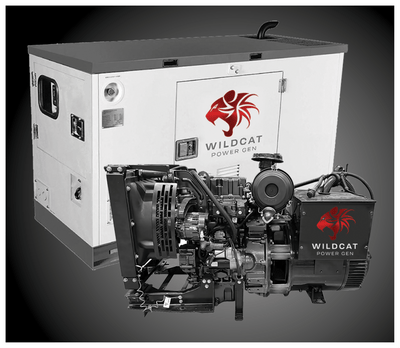
Industrial buyers need to understand the difference between prime power and standby ratings before choosing a unit. Prime power generators, like Wildcat's Roughneck series, are rated for continuous, variable-load operation as a primary power source, sometimes running for days or weeks without shutting down. Standby-rated industrial units are built for backup duty during utility outages but aren't intended for continuous, unlimited-hours operation the way prime power units are. Matching the rating to your actual use case, continuous primary power versus emergency backup, is critical to avoid running a unit outside its intended duty cycle and shortening its service life.
Scaling from 13kW to 100kW and Beyond
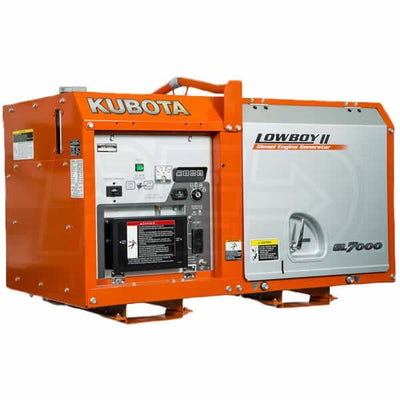
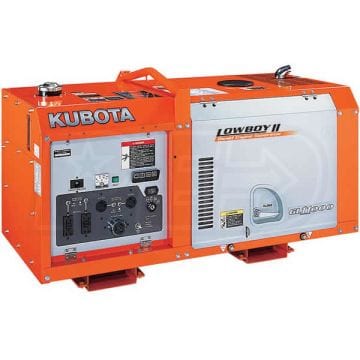
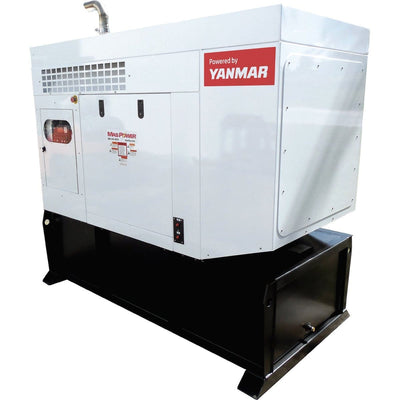
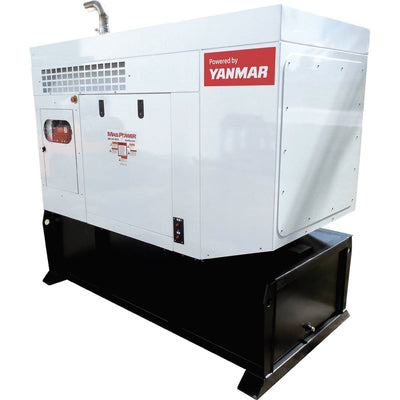
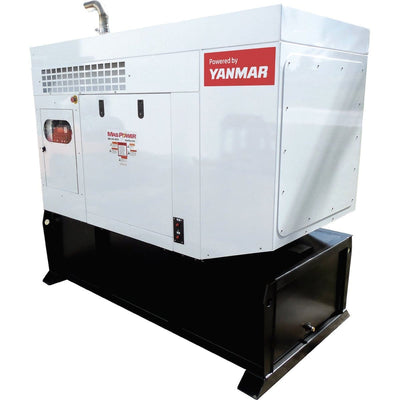
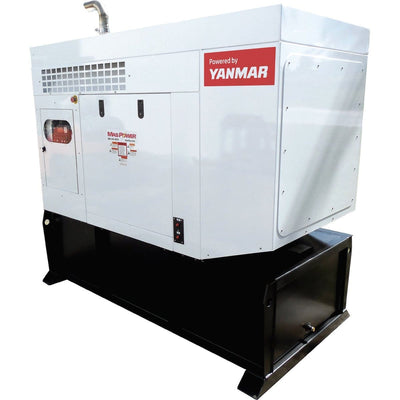
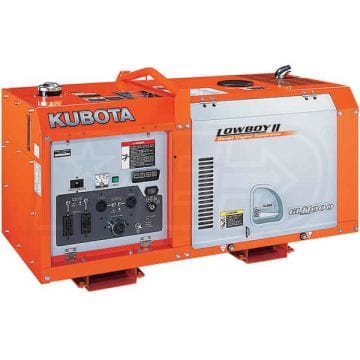
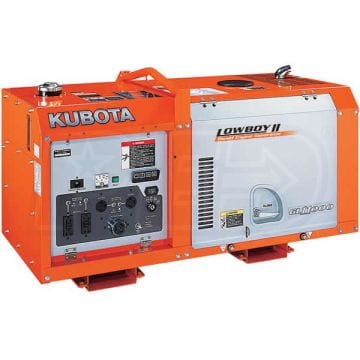
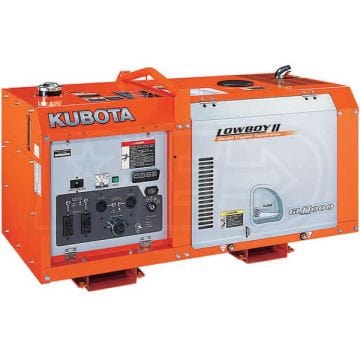
Our industrial lineup spans a wide range, from Yanmar-powered Maspower units starting around 13kW up through Wildcat's Roughneck series reaching 100kW, with Kubota's Lowboy II series covering the mid-range for job sites and smaller industrial applications. Choosing the right size means calculating actual continuous load, factoring in motor startup surges and any equipment that draws significantly more power at startup than during steady operation, rather than sizing to average daily use alone.
Frequently Asked Questions
What's the difference between prime power and standby power ratings?
Prime power generators are built for continuous, variable-load operation as a primary power source with no defined running-hour limit, while standby-rated units are designed specifically for temporary backup during utility outages and typically carry hour limitations for extended use. Running a standby-rated generator continuously as a primary power source can shorten its lifespan considerably faster than using it for its intended emergency-backup purpose.
How do I size an industrial generator correctly for continuous operation?
Beyond simply adding up equipment wattage, industrial sizing needs to account for motor startup surges, which can be several times higher than steady running wattage, and any variability in load throughout a typical operating day. Undersizing an industrial generator for continuous use risks running the unit at or above its rated capacity for extended periods, which accelerates wear considerably faster than intermittent backup use would.
Why do industrial generators cost significantly more than residential standby units?
Industrial-grade engines, alternators, and cooling systems are built to withstand continuous operation under variable load for years at a stretch, which requires more robust components than a residential standby unit designed for occasional emergency use. That durability difference is reflected directly in the price, and it's generally not worth trying to substitute a residential-grade unit for a genuine continuous-duty industrial application.