 (954) 249-2314
- Sort by Featured
- Sort by Best Selling
- Sort by Alphabetically, A-Z
- Sort by Alphabetically, Z-A
- Sort by Price, low to high
- Sort by Price, high to low
- Sort by Date, new to old
- Sort by Date, old to new
Whole House Generators







Whole House Generators: Complete Backup Power for Your Home
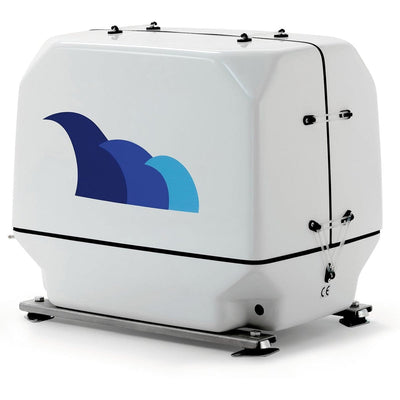
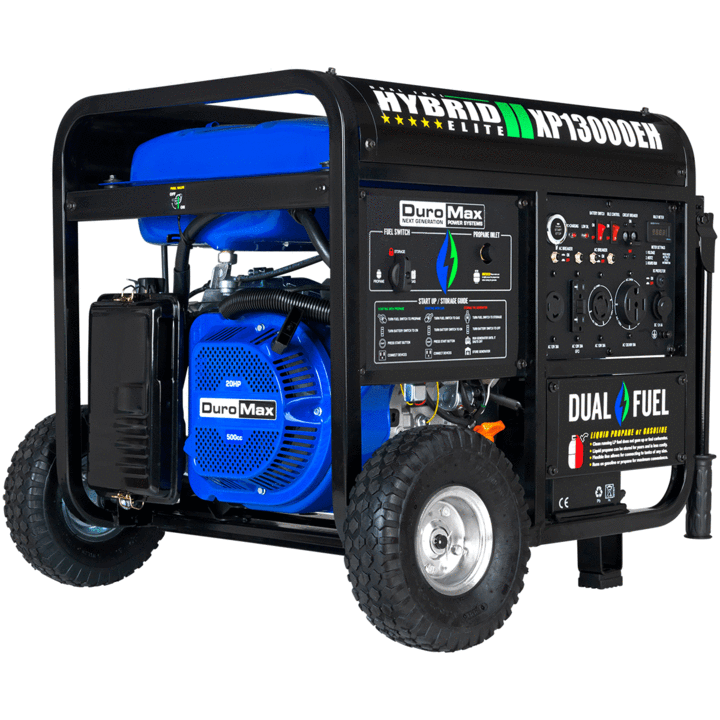
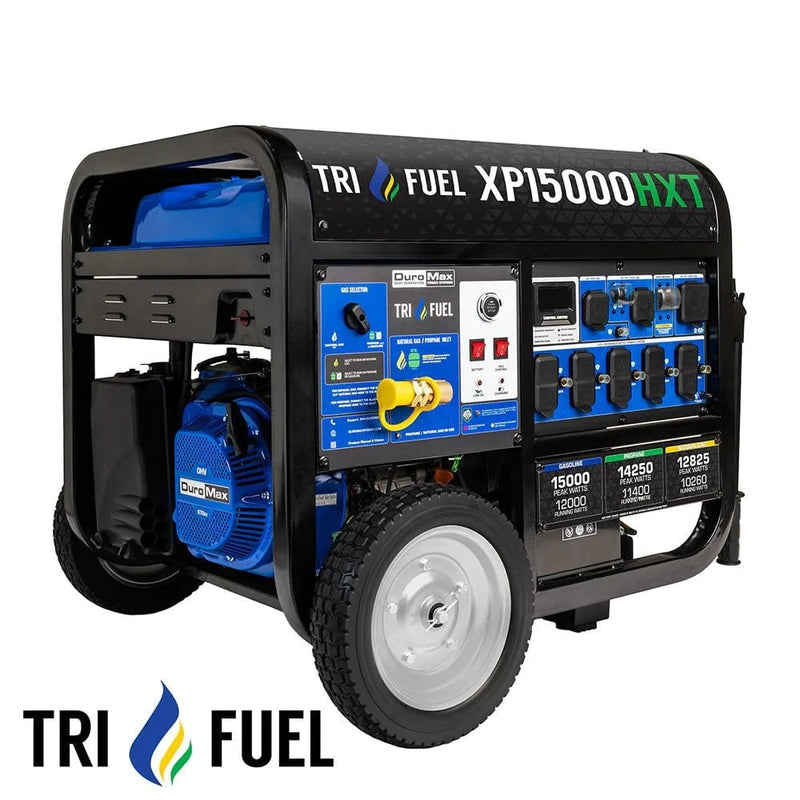
A whole house generator is built to cover your home's full electrical load during an outage, not just a handful of essential circuits, which sets it apart from smaller portable units meant for partial or occasional backup. This category spans two fundamentally different approaches: fuel-powered standby generators that install permanently and start automatically, and large-capacity battery systems that store power silently and integrate with a home's panel through a dedicated backup interface. Our lineup includes standby units from Cummins, Briggs & Stratton, and Wildcat, industrial diesel systems from Kubota and Yanmar-powered Maspower units, and battery-based whole-home systems from EcoFlow and Anker.
Fuel-Powered Standby Generators
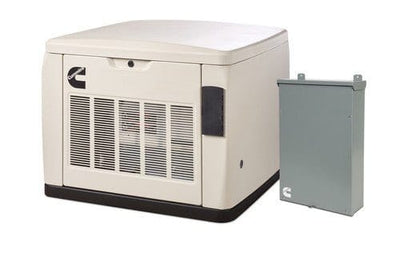
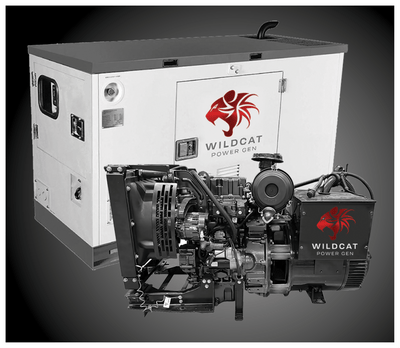
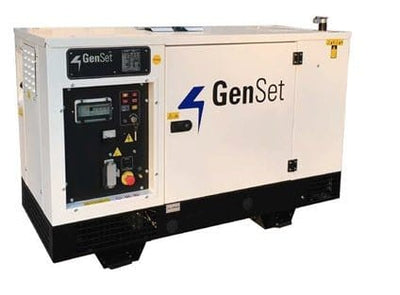
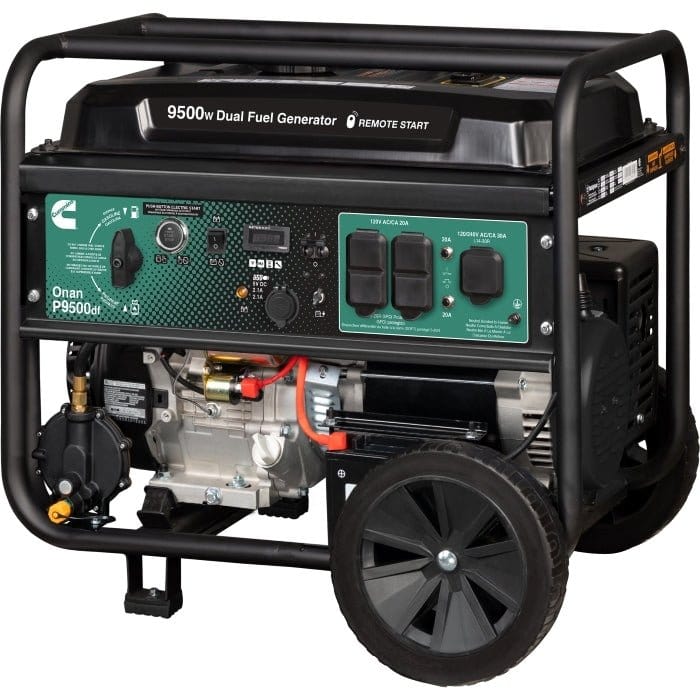
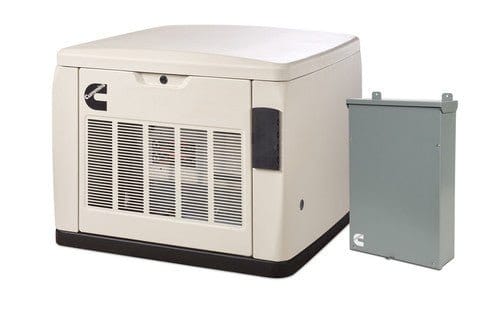
Cummins' Quiet Connect series, including the RS13A, RS17A, and RS20AC, along with the larger RS25 and RS30, covers residential standby needs from 13kW up through 30kW. Briggs & Stratton's PowerProtect DX line offers comparable 20kW, 25kW, and 26kW options. Wildcat extends further into commercial and heavy residential territory with the Freedom and Renegade series at 10 to 15kW, and the Roughneck line scaling all the way up to 100kW for larger properties or properties with substantial simultaneous load. Every unit in this category requires a matching automatic transfer switch and professional installation, since it connects directly to a home's electrical panel and fuel supply.
Industrial Diesel Options for Larger Properties
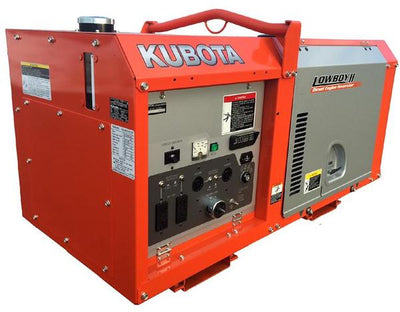
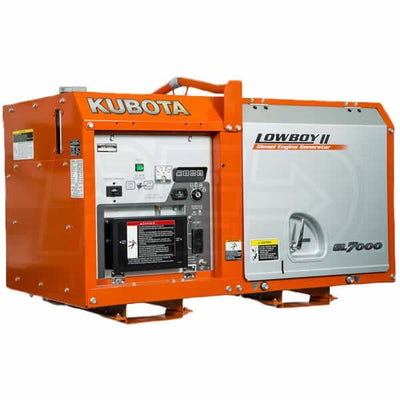
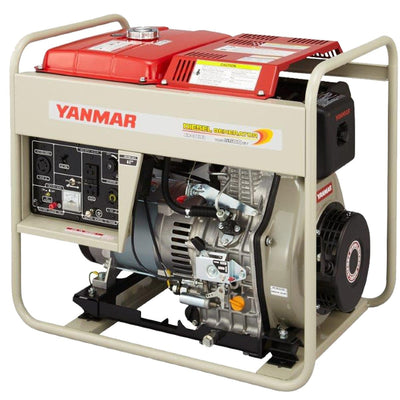
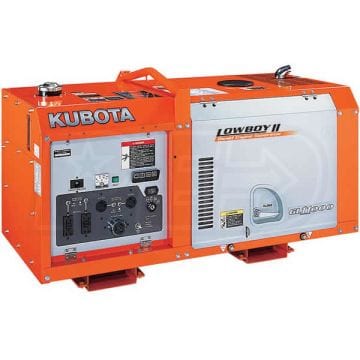
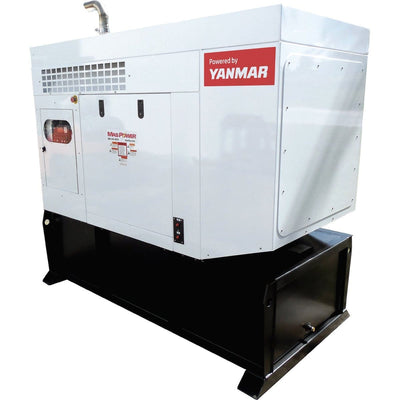
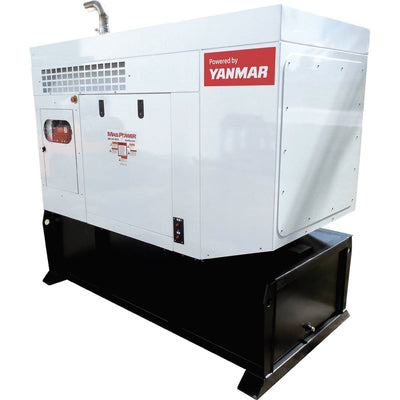
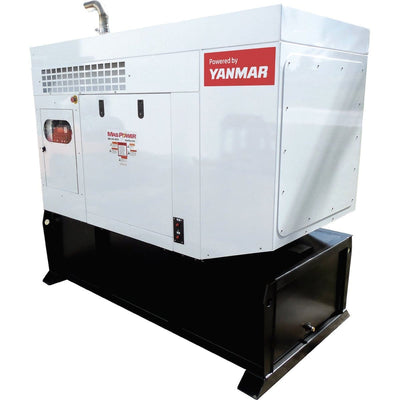
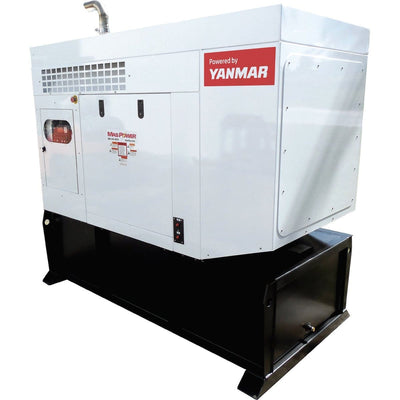
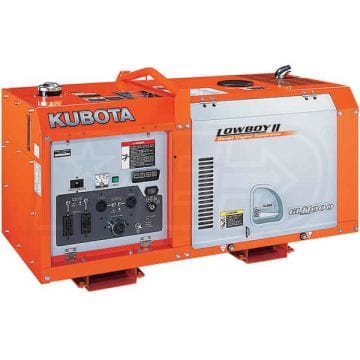
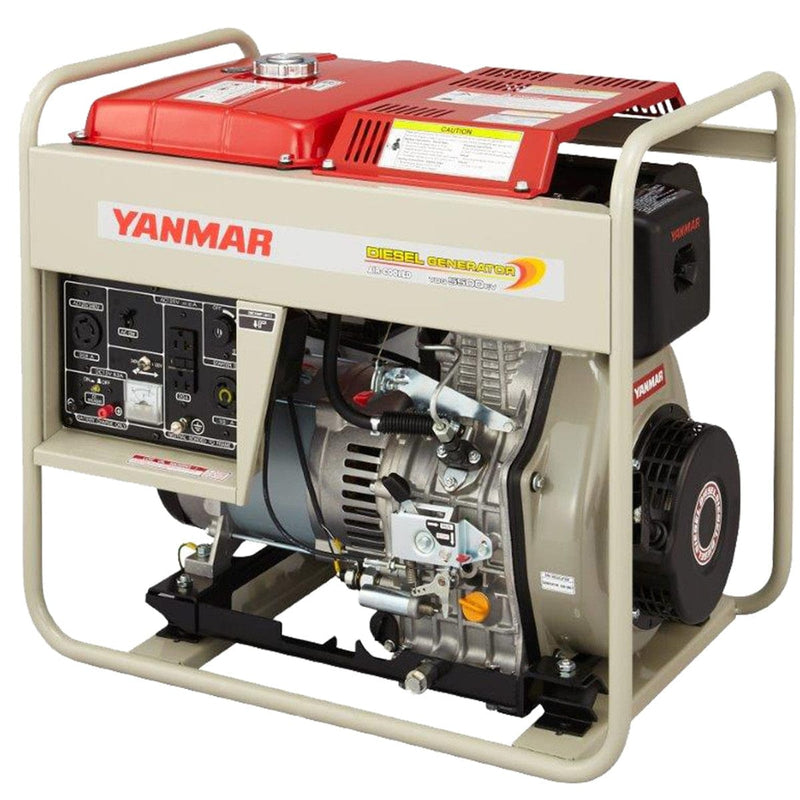
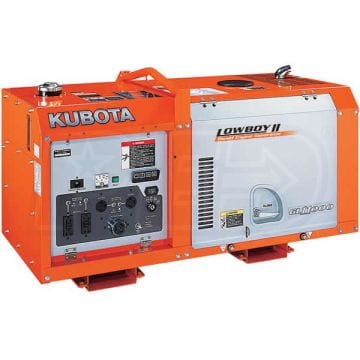
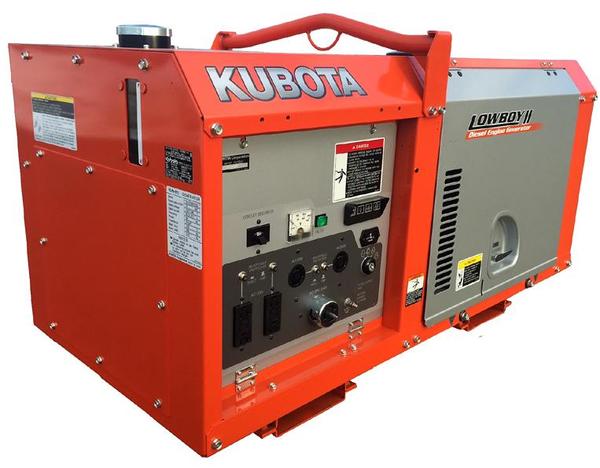
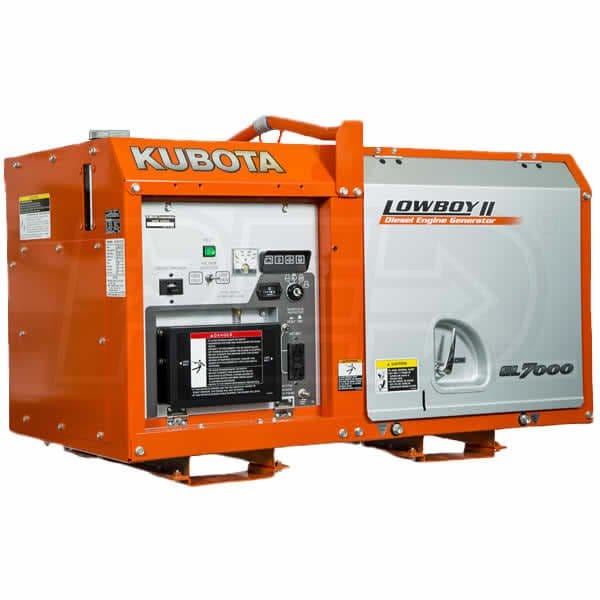
For properties needing continuous, heavy-duty output beyond typical residential standby ranges, Kubota's Lowboy II series (GL7000 through GL14000) and Yanmar-powered Maspower units (13kW up to 35kW) offer industrial-grade diesel reliability. These units are more commonly chosen for larger homes, working farms, or properties where a standard residential standby generator doesn't provide enough continuous capacity for the full electrical load.
Battery-Based Whole-Home Backup Systems
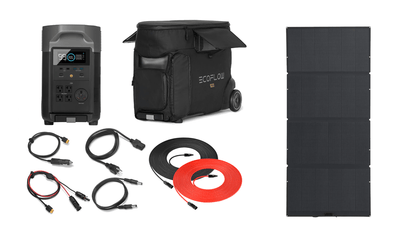
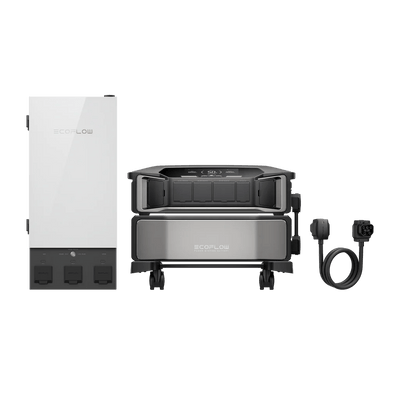
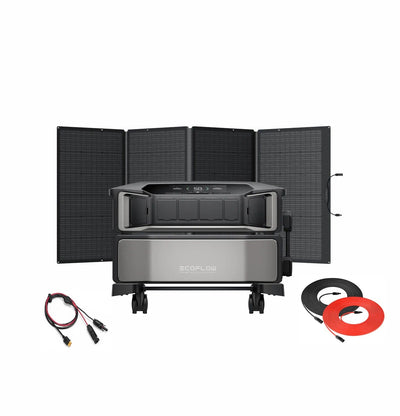
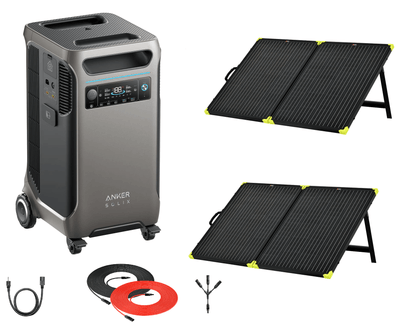
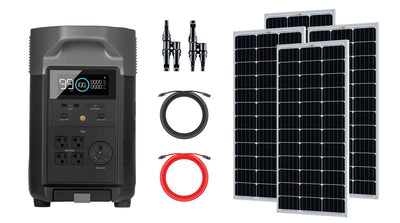
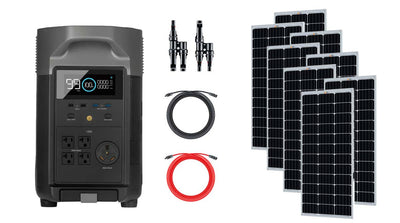
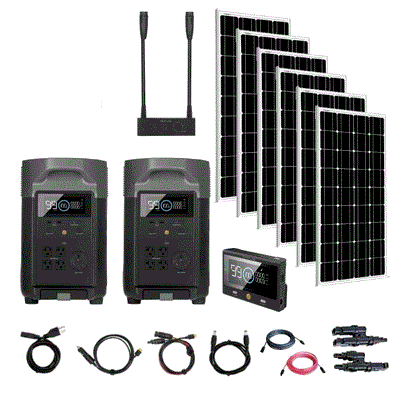
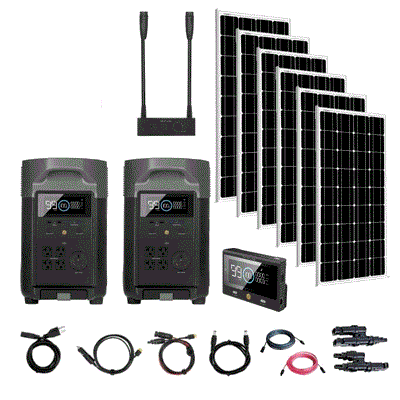
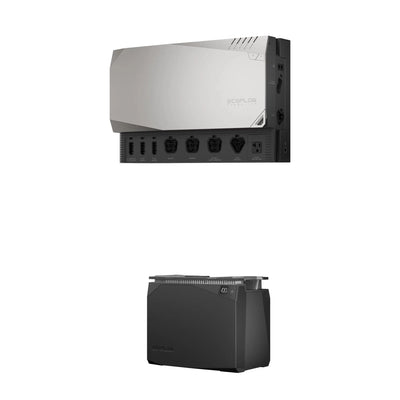
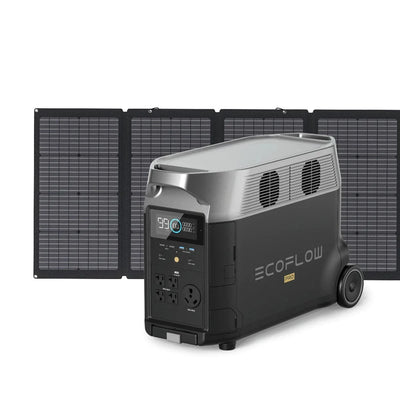
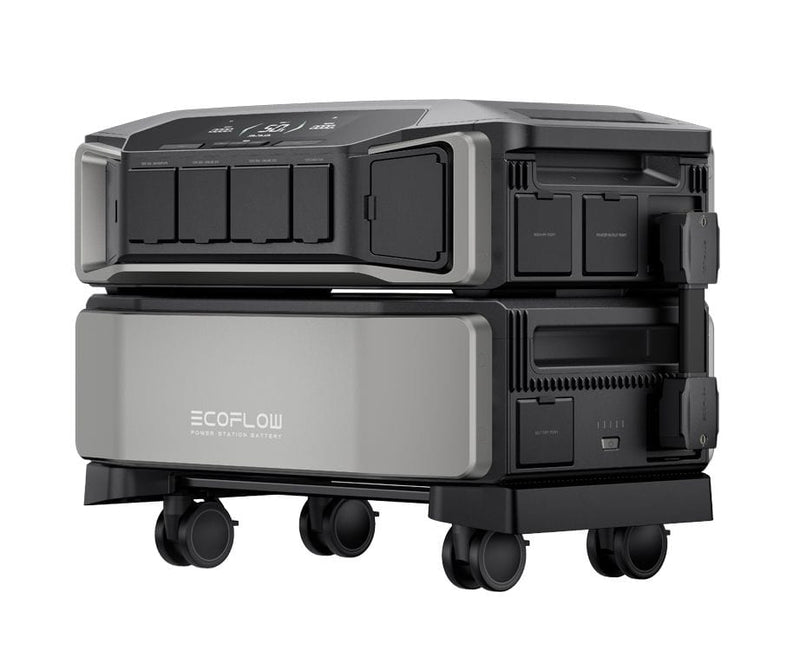
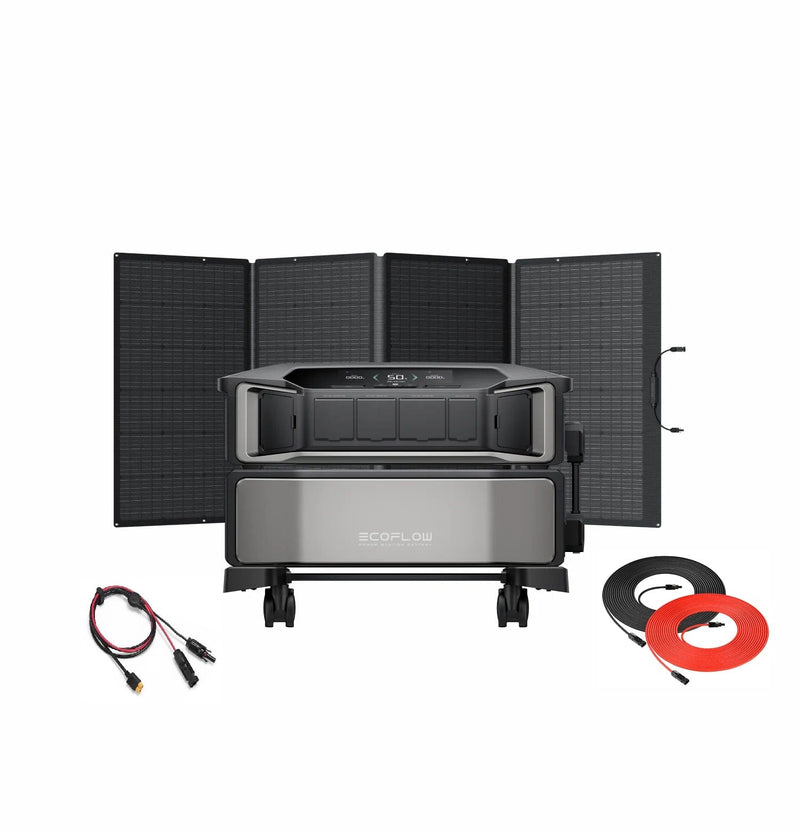
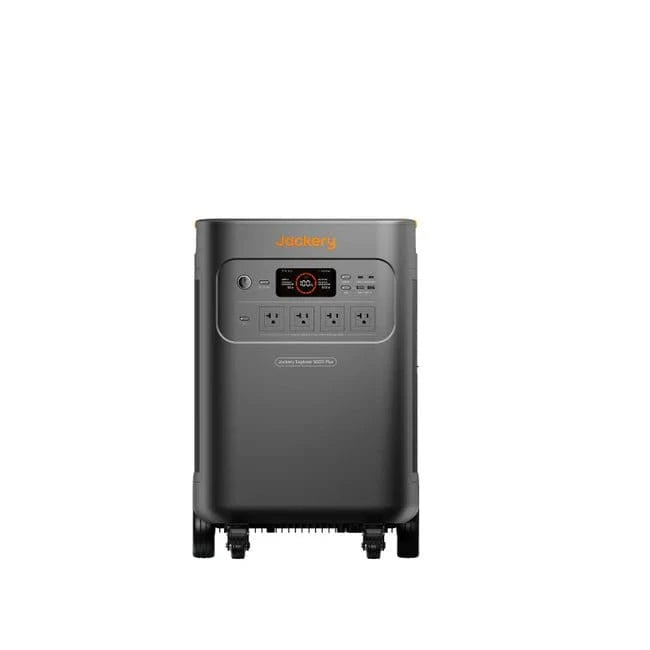
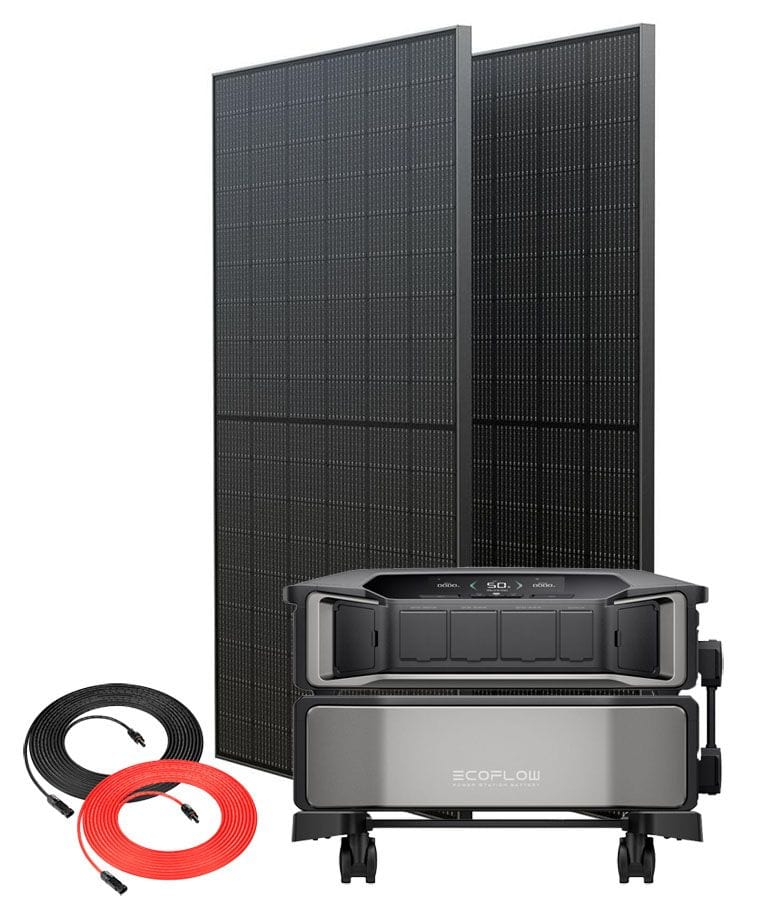
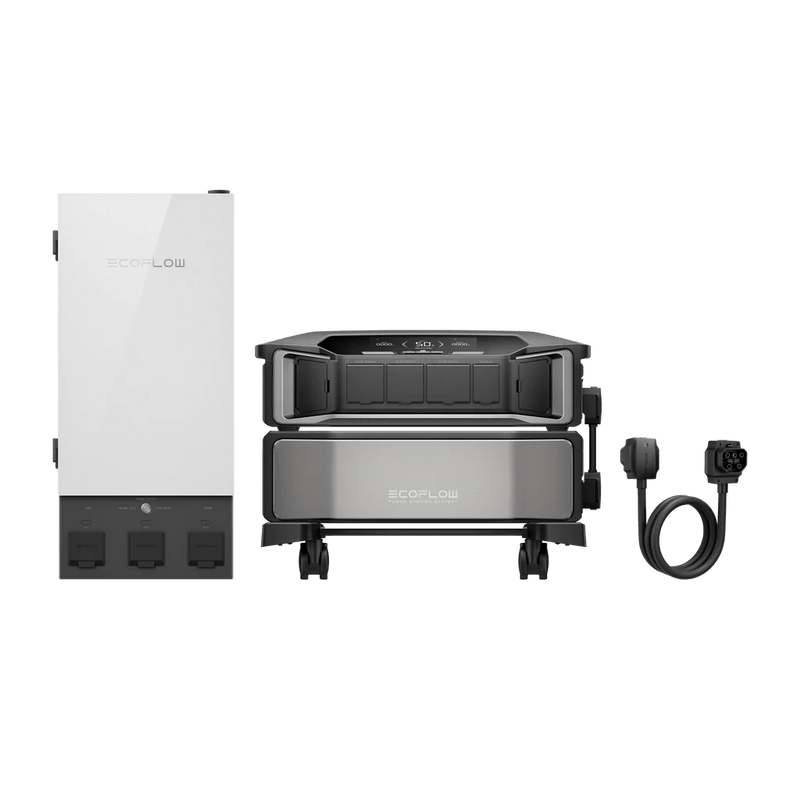
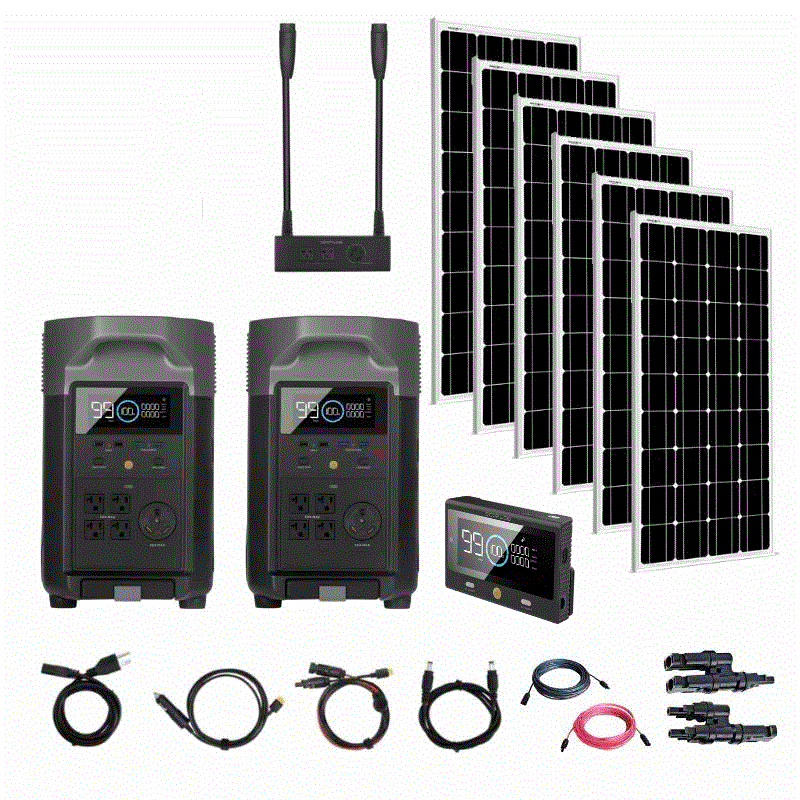
A newer alternative to fuel-based standby is the battery whole-home system, led by the EcoFlow Delta Pro Ultra paired with the Smart Home Panel 3, and the Anker SOLIX E10, rated from 6 to 90kWh and outdoor-rated for permanent installation. These systems store power rather than generating it on demand, recharging from solar panels or grid power, and integrate with a home's circuits similarly to how a fuel-based transfer switch works. The tradeoff versus a fuel generator is that runtime depends on stored capacity rather than continuous fuel supply, though pairing with solar panels can offset that during extended daylight outages.
Frequently Asked Questions
How many kW do I actually need for whole-house coverage?
A fuel-based standby generator offers unlimited runtime as long as fuel supply, natural gas, propane, or diesel, continues, which makes it the stronger choice for very long outages. A battery system like the EcoFlow Delta Pro Ultra with Smart Home Panel runs silently with no exhaust and no fuel storage, but its runtime is capped by stored capacity unless recharged via solar or grid power. Buyers prioritizing multi-week resilience often lean fuel-based, while those prioritizing quiet, low-maintenance operation for shorter outages often lean battery-based.
Should I choose a fuel-based standby generator or a battery whole-home system?
A fuel-based standby generator offers unlimited runtime as long as fuel supply, natural gas, propane, or diesel, continues, which makes it the stronger choice for very long outages. A battery system like the EcoFlow Delta Pro Ultra with Smart Home Panel runs silently with no exhaust and no fuel storage, but its runtime is capped by stored capacity unless recharged via solar or grid power. Buyers prioritizing multi-week resilience often lean fuel-based, while those prioritizing quiet, low-maintenance operation for shorter outages often lean battery-based.
Do I need a transfer switch for every type of whole house generator?
Yes, both fuel-based standby generators and battery whole-home systems require a transfer switch or equivalent panel, like the EcoFlow Smart Home Panel or Anker SOLIX Power Dock, to safely integrate with your home's electrical system and switch between utility and backup power. This isn't an optional accessory in either category; it's what allows the system to detect an outage and route power to your circuits without manually rewiring anything during an emergency.
Does installing a whole house generator require permits or inspections?
In most areas, yes. Standby generators connecting to gas lines and electrical panels typically require electrical and sometimes plumbing or gas permits, along with an inspection before the system can be legally operated. Battery whole-home systems connecting to a home's electrical panel through a smart panel generally require an electrical permit as well, even though there's no fuel line involved. Requirements vary by municipality, so checking with your local building department before installation avoids delays.
Why is there such a large price range across whole house generators?
Price scales with both capacity and technology: a 13kW Cummins standby unit costs considerably less than a 30kW model or a 60kW Wildcat Roughneck, since larger units require more robust engines, alternators, and enclosures. Battery systems like the Delta Pro Ultra with Smart Home Panel also carry a wide price range depending on how much stored capacity and how many solar panels are included in the configuration. Rather than comparing price alone, it's worth comparing price against your home's actual coverage needs, since an undersized cheaper unit may not deliver true whole-house backup.