 (954) 249-2314
- Sort by Featured
- Sort by Best Selling
- Sort by Alphabetically, A-Z
- Sort by Alphabetically, Z-A
- Sort by Price, low to high
- Sort by Price, high to low
- Sort by Date, new to old
- Sort by Date, old to new
EcoFlow LiFePO4 Batteries


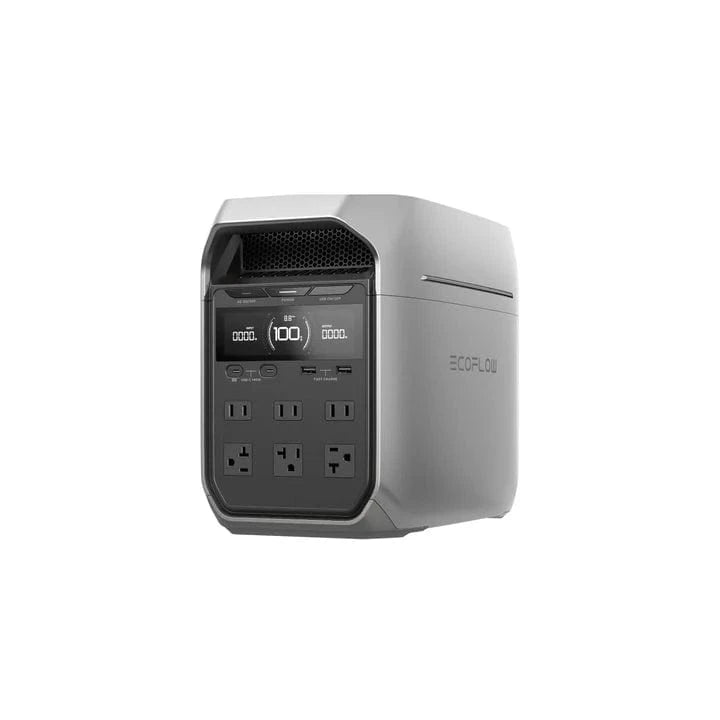


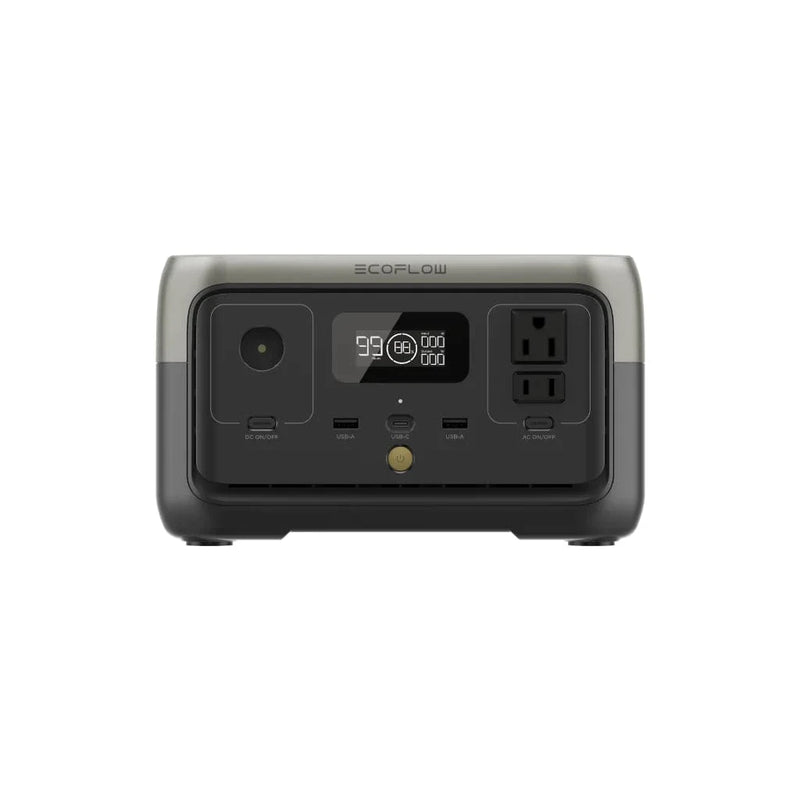
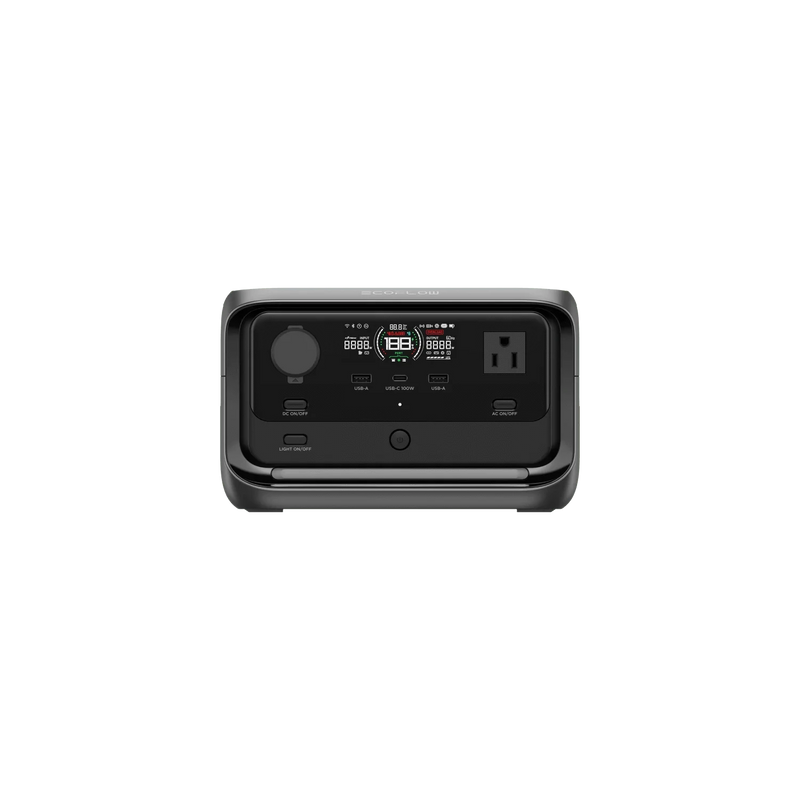
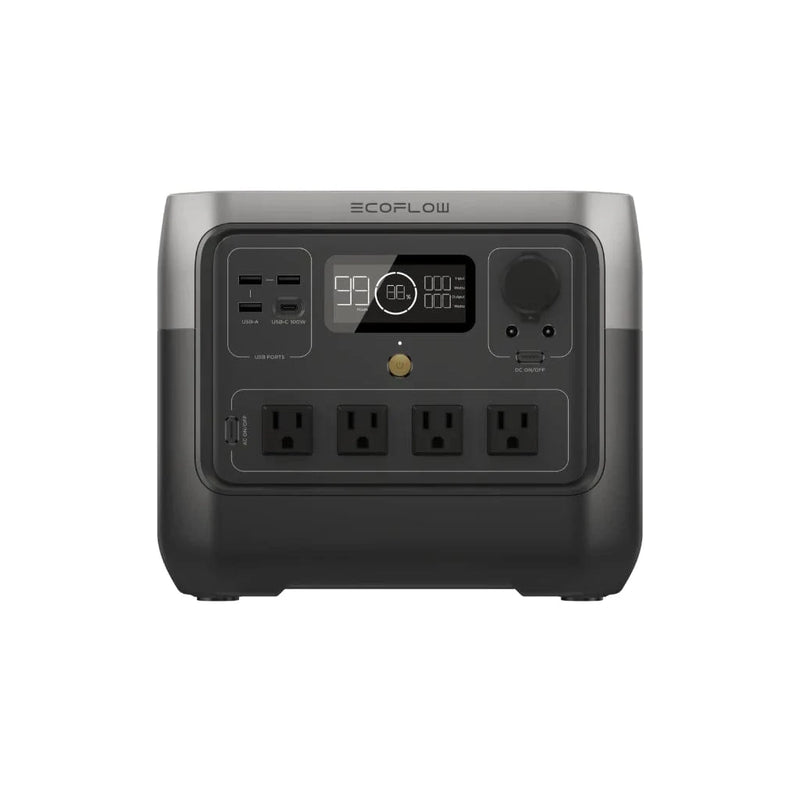


EcoFlow LiFePO4 Batteries: Longer Lifespan, Safer Chemistry
An EcoFlow LiFePO4 battery uses lithium iron phosphate chemistry rather than the standard lithium-ion found in older or budget power stations, offering meaningfully longer usable lifespan and more stable thermal performance across repeated charge cycles. This collection covers EcoFlow's RIVER and DELTA 3 lines, both built around this battery chemistry, spanning the compact RIVER 2 through the DELTA 3 Max for buyers wanting the durability benefits of LiFePO4 at a range of capacities and price points.
Why LiFePO4 Matters for Long-Term Use
Standard lithium-ion batteries typically degrade faster over repeated charge cycles and carry a higher risk of thermal issues under heavy use or storage in extreme temperatures. LiFePO4 chemistry, used across every unit in this collection, is rated for significantly more charge cycles before noticeable capacity loss, which translates to a longer service life for buyers who cycle their power station regularly rather than leaving it in storage for occasional emergency use.
RIVER vs DELTA 3: Choosing a Capacity Tier
The RIVER 2, RIVER 2 Pro, RIVER 2 Max, and RIVER 3 Plus suit lighter, portable use, phone and laptop charging, camping, short outages, all built on the same LiFePO4 foundation. The DELTA 2 Max and DELTA 3 Plus and Max step up in capacity for buyers wanting to run more devices or smaller appliances simultaneously, while still benefiting from the same battery chemistry's longevity advantages over the RIVER tier's smaller capacity.
Frequently Asked Questions
How much longer does a LiFePO4 battery actually last compared to standard lithium-ion?
LiFePO4 batteries are generally rated for several times more charge cycles before meaningful capacity degradation compared to standard lithium-ion cells, which for typical use can translate to many years of additional service life. The exact difference depends on how frequently the unit is cycled and the specific model's rated cycle life, but the chemistry itself is a well-established upgrade in longevity across the power station industry.
Is LiFePO4 chemistry actually safer, or is that just marketing?
LiFePO4 is genuinely more thermally stable than standard lithium-ion, with a lower risk of thermal runaway under heavy load or in hot storage conditions, which is a real chemical property rather than just marketing language. This is part of why manufacturers, including EcoFlow across this collection, have shifted toward LiFePO4 as the standard chemistry in newer power station models.
Should I choose a RIVER model or a DELTA 3 model if both use the same battery chemistry?
Since the LiFePO4 longevity and safety benefits apply equally across both lines, the choice comes down to capacity and output needs rather than battery chemistry. RIVER models suit lighter, portable use with smaller capacity, while DELTA 3 models offer more stored capacity and higher output for buyers wanting to run more devices or smaller appliances during an outage.