 (954) 249-2314
- Sort by Featured
- Sort by Best Selling
- Sort by Alphabetically, A-Z
- Sort by Alphabetically, Z-A
- Sort by Price, low to high
- Sort by Price, high to low
- Sort by Date, new to old
- Sort by Date, old to new
Standby Generators


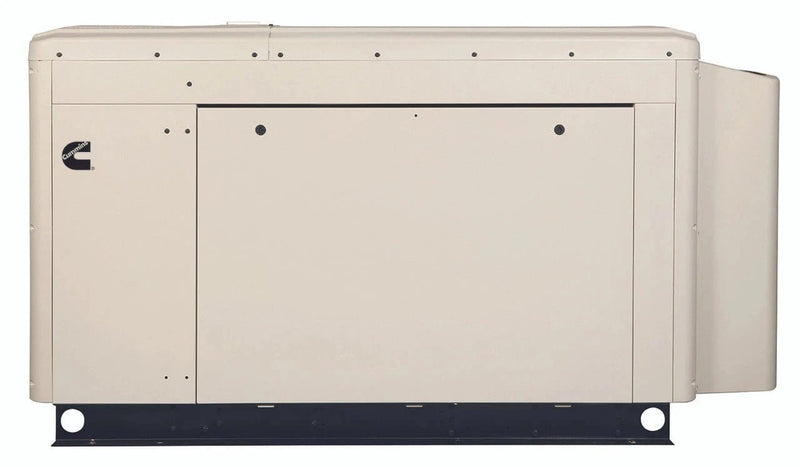




Standby Generators: Automatic Power the Moment You Need It
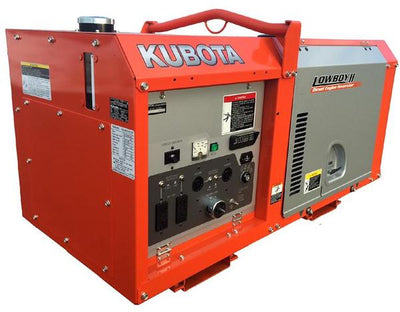
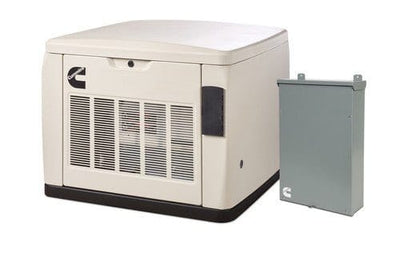
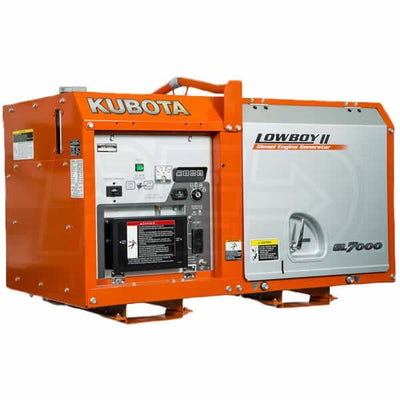
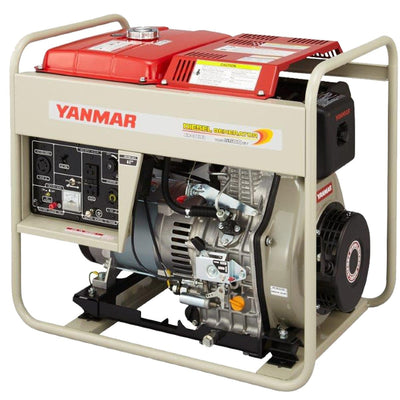
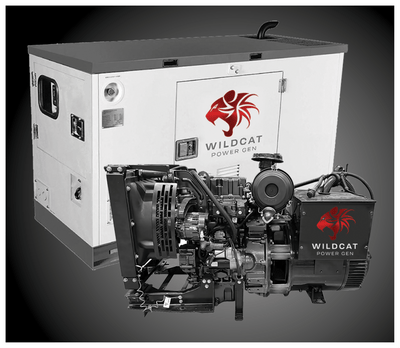
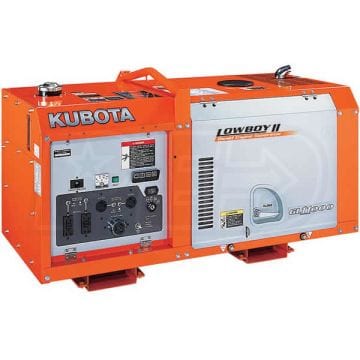
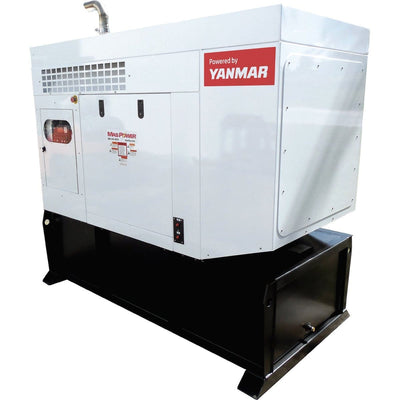
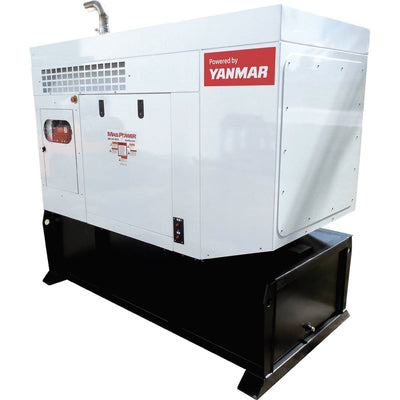
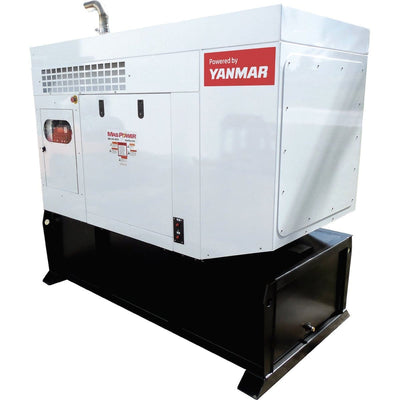
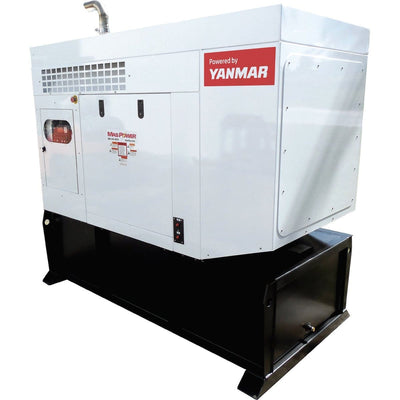
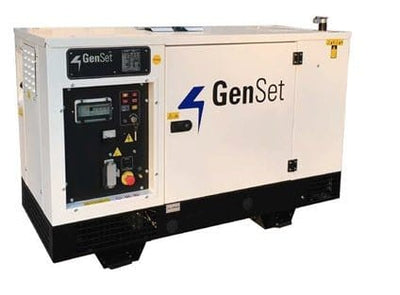
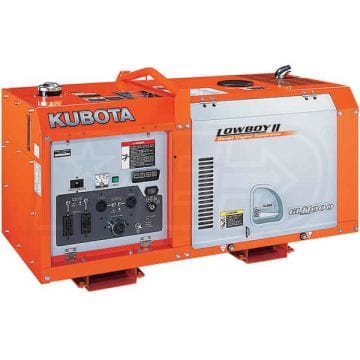
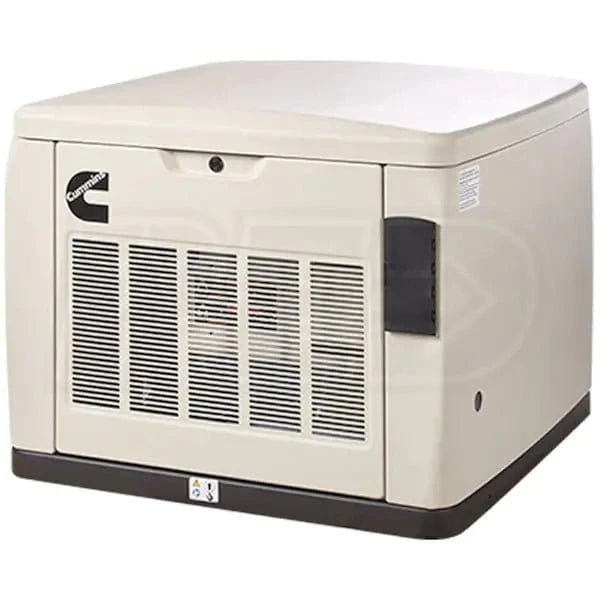
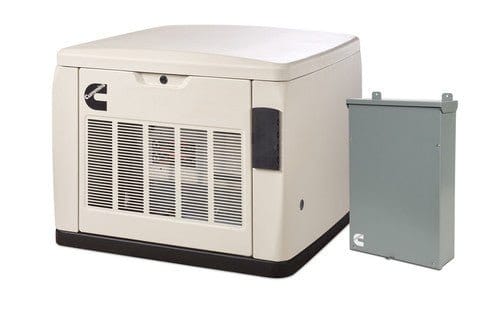
A standby generator installs permanently at your home or business and starts automatically within seconds of a power outage, without anyone needing to be present to start it. That distinguishes it from a portable unit, which requires manual setup and fueling each time. Our standby lineup includes Cummins Quiet Connect and Briggs & Stratton PowerProtect DX systems for residential use, along with Wildcat, Kubota, and Yanmar-powered units for larger properties needing higher continuous output.
How Standby Systems Actually Work
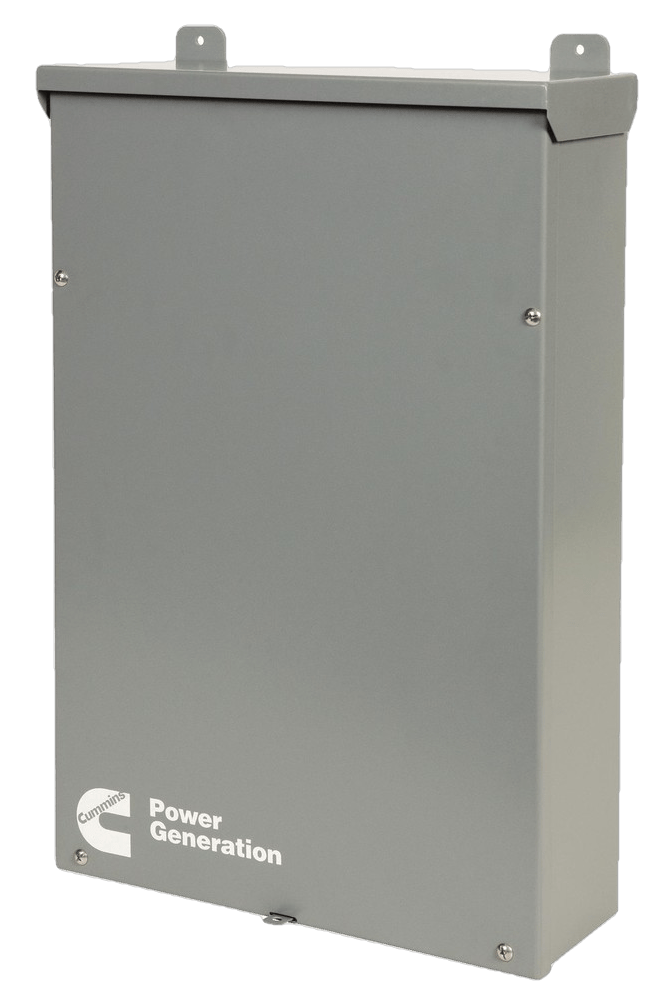
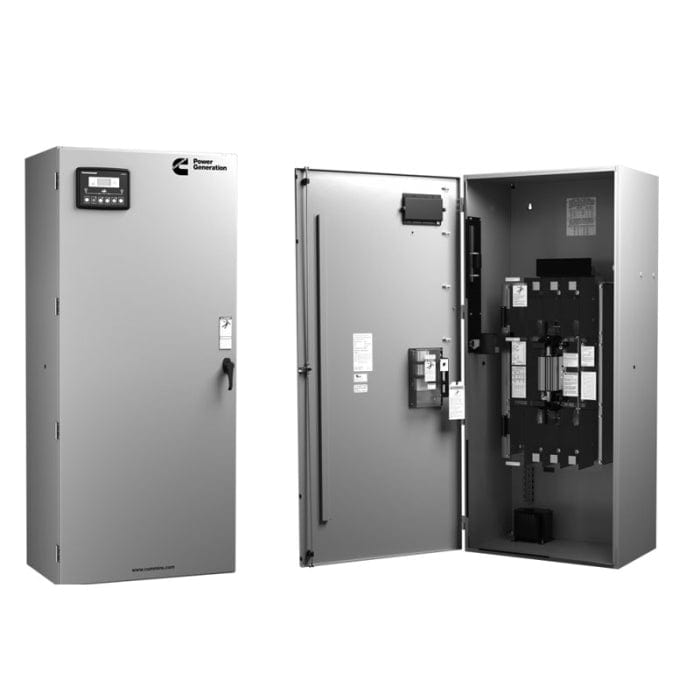
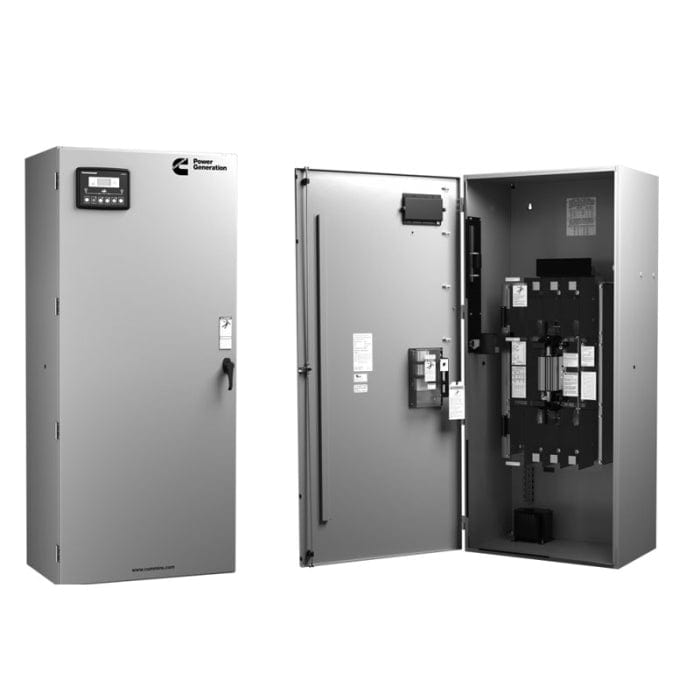
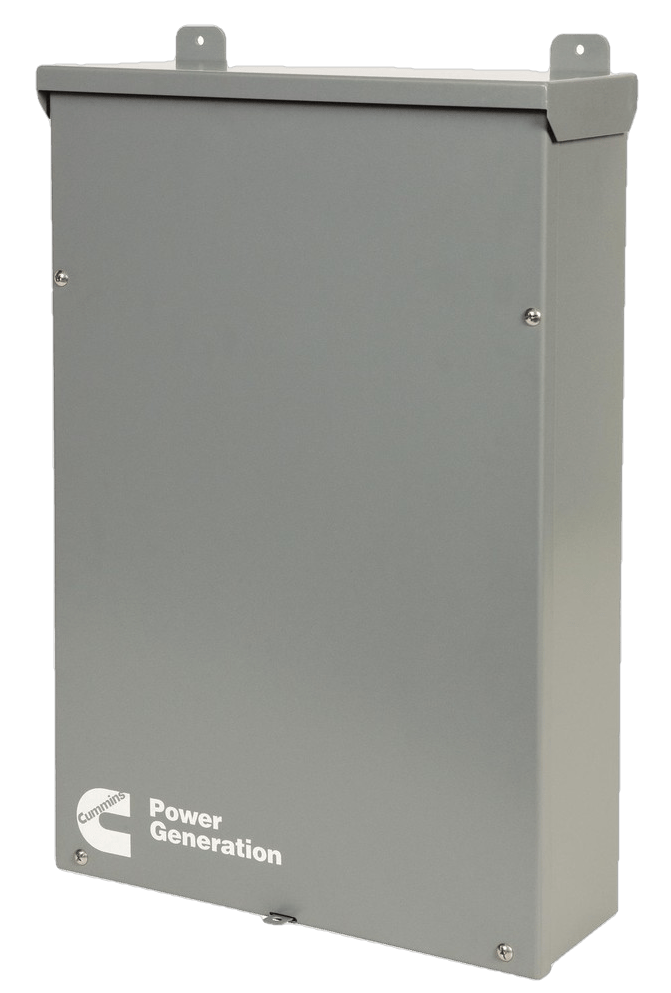
Every standby generator pairs with an automatic transfer switch, which continuously monitors utility power and signals the generator to start the moment an outage is detected. Within seconds, the switch disconnects your home or business from the grid and routes power from the generator instead, then reverses the process automatically once utility power returns. This entire sequence happens without manual intervention, which is the core appeal for buyers who travel, aren't always home, or simply want power restored without having to do anything during a stressful outage.
Sizing and Fuel Options
Residential standby units typically range from 13kW to 30kW depending on home size and simultaneous electrical demand, while larger Wildcat, Kubota, and Yanmar-powered systems extend well beyond that for commercial or high-demand properties. Most standby generators run on natural gas or propane, drawing from an existing gas line or a dedicated propane tank rather than requiring manual refueling, which is part of what makes the automatic operation possible in the first place.
Frequently Asked Questions
How often does a standby generator need to run to stay ready?
A standby generator installs permanently, connects to a fixed fuel line, and starts automatically without any action from you, while a portable generator has to be manually positioned, fueled, and started each time it's needed. Portable units are also generally limited to select circuits unless wired into a manual transfer switch, whereas standby systems are typically sized to cover a home's essential or full electrical load automatically.
Do I need a professional to install a standby generator?
Yes, installation requires a licensed electrician for the transfer switch and electrical connection, along with a gas or propane contractor for the fuel line, and most areas require a permit and inspection before the system can legally operate. This isn't a DIY project given the electrical and fuel code requirements involved.
How is a standby generator different from a portable backup generator?
Most standby systems include a self-test feature that runs the generator briefly on a scheduled basis, often weekly, to confirm it starts properly and keep the engine lubricated even without an actual outage. This automated exercise cycle is part of why standby generators tend to be more reliable when an outage actually occurs, compared to a portable unit that's only started occasionally and may have sat unused for months.