 (954) 249-2314
Best Solar Power Kits for Homes: Compare Options by Need
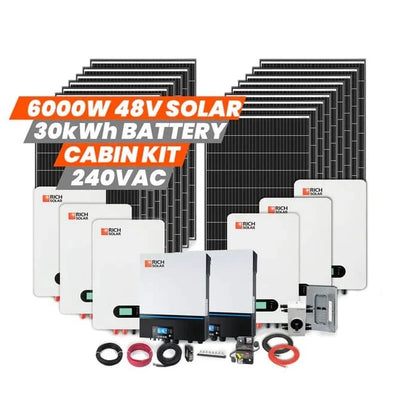
If you're after a solar setup that stays put, with panels, a battery and a way to connect it to your home, you'll find it a lot easier to buy it all as a kit than to piece it together yourself. As of 2026, our favorite home solar kit is the Nature's Generator Powerhouse Gold PE System at $4,349.99, which comes with two 410W panels and a 120V/240V transfer kit. For a full off-grid home, our second choice is the Rich Solar 6000W 48V 240V Cabin Kit, and if you mainly want a big battery bank, our honorable mention is the Lion Energy Sanctuary 2.
Just so you know going in, most home kits need an electrician for at least part of the install, so it's a good idea to get a quote alongside the kit price.
What's in the Best Solar Power Kits for Homes
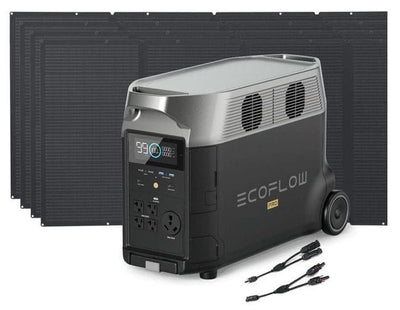
When you compare kits, the first thing we'd check is what's in the box, because some listings show panels in the photos that are sold separately. A complete home kit should come with the panels, a battery, an inverter and the wiring to connect them, and the bigger ones add breakers, a combiner box and disconnect switches too.
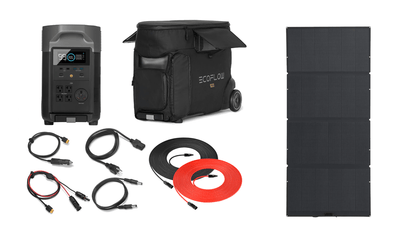
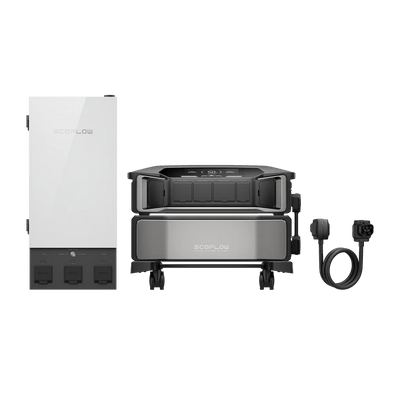
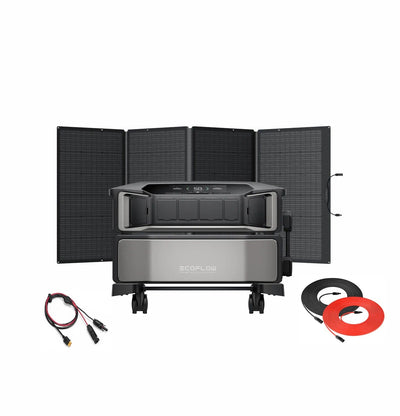
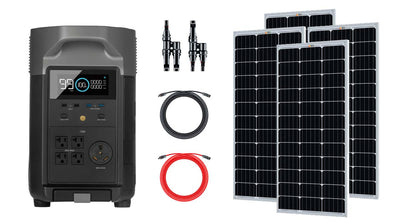
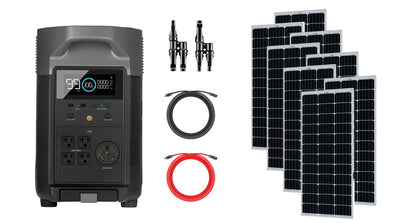
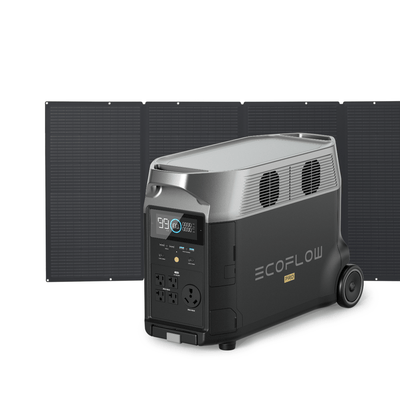
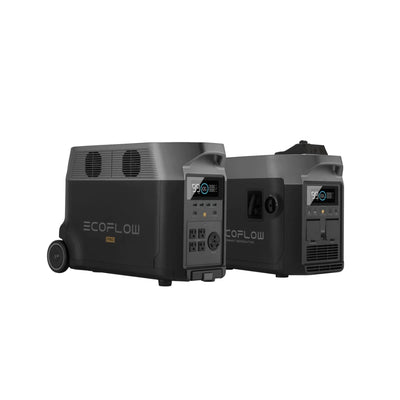
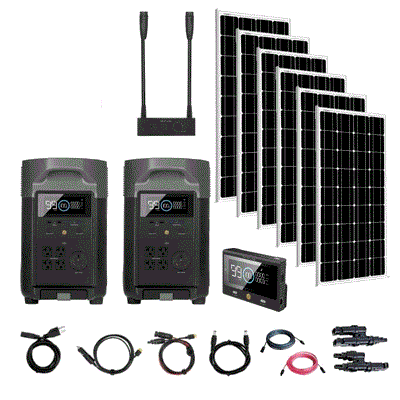
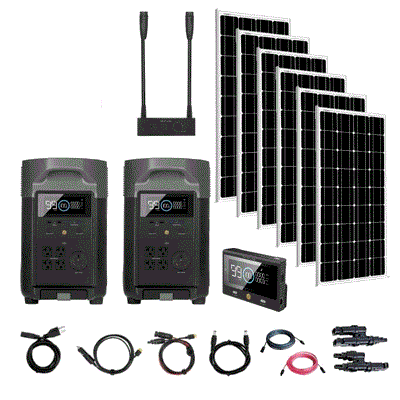
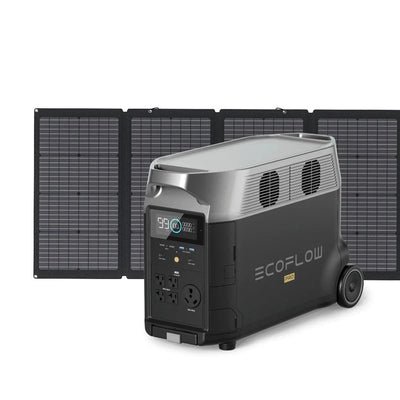
If you're kitting out an RV or a tiny home, our EcoFlow power kits are plug-and-play 48V systems, but they don't come with panels, so you'll need to add your own.

Sizing a Home Solar Kit
Once you know what's in the box, you'll want to match it to how much power your home uses, and your past electric bills are the easiest place to start, since they show how your use changes from summer to winter. If you're also wondering whether your roof suits panels, you'll find a good list of questions to start with in the Department of Energy's homeowner's guide to going solar.
That said, you don't have to cover the whole house. Plenty of people only back up the fridge, the lights, the Wi-Fi and the well pump, and if you're not sure how much you need, find out whether a solar generator can power your house first.
Our Picks for Home Solar Kits
Once you've got a rough idea of what you need, our favorite is the Nature's Generator Powerhouse Gold PE System. As of 2026, it costs $4,349.99 for a Powerhouse with a 7,200-watt inverter and a 4,800Wh battery, plus two 410W panels and a 120V/240V transfer kit, so you've got everything for your essential circuits in one box. You can add Power Pods later for more battery, and if you'd like to compare it with another brand, take a look at our Anker SOLIX home backup kits too.
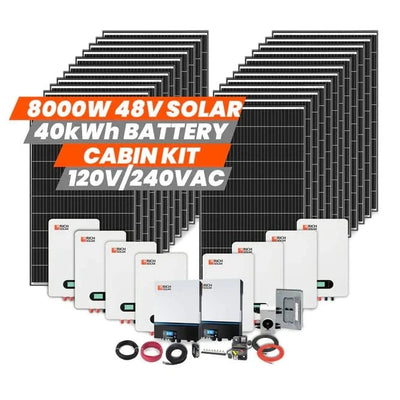
For a home that's fully off the grid, our second choice is the Rich Solar 6000W 48V 240V Cabin Kit. As of 2026, it costs $26,399 and comes with two 6,500W hybrid inverters, 18 panels at 335W each and six 5.0kWh batteries, along with the breakers and combiner box you'll need to wire it in.
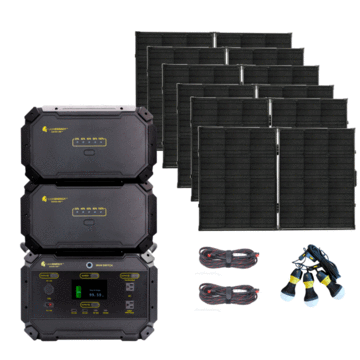
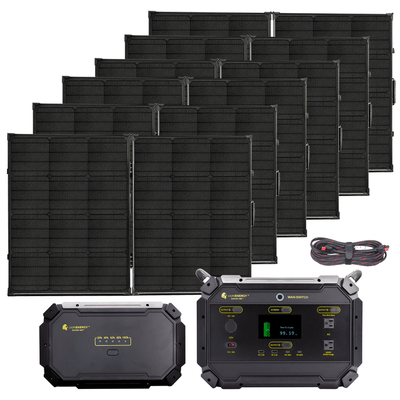
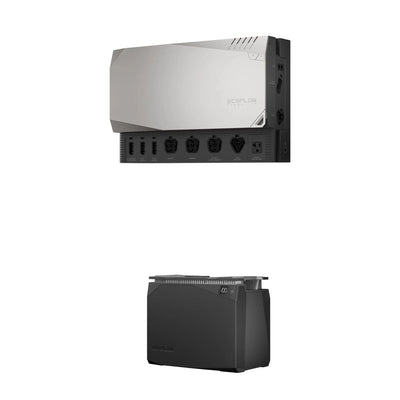
And if you mainly want a big battery bank to pair with your own panels, the Lion Energy Sanctuary 2 is our honorable mention. As of 2026, it starts at $13,698 for a 12kW inverter with one 14.3kWh battery and goes up to $39,794 for two inverters and 57.2kWh. Prices change often, so check the product page before you order, and you can compare it with our picks for the best whole house solar generator or browse our solar generators for home backup.

Installing a Home Solar Kit
Whichever kit you choose, a few things usually aren't in the box, like the racking for your panels, extra wiring and the installer's time. Do not connect a kit to your home's panel yourself, and have a licensed electrician make every permanent connection.
If your system's tied to the grid, keep in mind that it'll only keep the lights on in an outage when it's set up with a battery and the right inverter.

What a Home Solar Kit Costs
On top of the kit and the install, the federal solar tax credit ended for systems installed after December 31, 2025, so don't count on it in 2026. You can see how kit and installed prices compare in our guide to whole-house solar generator prices.
If you'd like help choosing, give us a call at (954) 249-2314, and we'll go through your bills and your list with you.
Frequently asked questions
Do I need a permit for a home solar kit?
Usually, yes, if the panels go on your roof or the kit connects to your home's wiring. Your local building department will want a permit before the install and an inspection afterward, so have your installer apply before any work starts.
Do home solar kits use lithium batteries?
Most do, but not all. The Rich Solar cabin kit and the Lion Energy Sanctuary 2 both use lithium batteries, while the Nature's Generator Powerhouse uses a sealed AGM lead-acid battery, which is a lot heavier, so check the battery type on the spec sheet before you buy.
← Older Post Newer Post →