 (954) 249-2314
Best Whole House Solar Generator: 3 Systems Compared
If you've sat through a long outage in the heat, you know it's the AC and the well pump you miss first. You can hook those up to a smaller unit, but it won't start them, because they need 240V and a big burst of power to get going. So for the whole house, you'll want a system with 240V output and enough battery to get you through the night. As of 2026, our favorite whole house solar generator is the Nature's Generator MyGrid 10K, with 10,000 watts of continuous output and a 10,496Wh battery. Our second choice is the Anker SOLIX E10, and if you'd like to start on a smaller budget, our honorable mention is the Jackery Explorer 5000 Plus.
It's a big purchase, and nobody wants to find out halfway through a storm that they went too small. Most of the time, the right size comes down to which of your appliances need 240V and how long your outages tend to last, and if you're not sure about either one yet, we'll help you work it out.
How to Choose the Best Whole House Solar Generator
To work that out, the easiest place to start is a walk around the house with a notepad. Jot down everything you'd want on during an outage, along with its watts and whether it's 120V or 240V, which you'll usually find on the label or nameplate.
Once you've got your list, you'll have a good idea of how big to go. A fridge, a few lights and your phones fit on a much smaller system, but once central air, a well pump or an EV charger makes the list, you're shopping for a whole house system. If you're still not sure that your home needs one, take a look at whether a solar generator can power your house first.
Whole House Solar Generators and 240V Appliances
If any of those big appliances made your list, the first thing you'll want to check is the voltage. A lot of well pumps, dryers and central air units are 240V, so a unit with 120V-only outlets won't power them, however big its battery is. All three of our picks put out both 120V and 240V, and you'll find more high-output options in our 5,000-watt solar generators.
On top of the voltage, you'll need enough output to start them. A well pump or AC compressor pulls a big burst of power for a second or two when it kicks on, and if that comes on top of everything else you've got going, a smaller inverter will shut off. That's why, if we were backing up a whole house, we'd look at continuous output before battery size.
Our Picks for the Best Whole House Solar Generator
Our Favorite: Nature's Generator MyGrid 10K
Since output comes first for a whole house, our favorite is the Nature's Generator MyGrid 10K, which puts out 10,000 watts continuously at 120/240V from a 10,496Wh LiFePO4 battery. As of 2026, it starts at $6,999.99, and you can grow it to 73,742Wh with expansion batteries or pair two units for 20,000 watts if your home's on the bigger side.

Second Choice: Anker SOLIX E10
If you'd rather keep your system outside, or you're short on indoor space, the Anker SOLIX E10 is our second choice. Each E10 puts out 7.68kW continuously at 120/240V and starts with a 6.144kWh battery that you can expand to about 90kWh. It's rated IP66, so it can be installed outdoors. As of 2026, the Starter Kit costs $4,299.99, and the Automatic Backup Kit, which switches your home over when the grid goes down, costs $7,799.99.

Honorable Mention: Jackery Explorer 5000 Plus
And if you'd like to start smaller and add on as you go, the Jackery Explorer 5000 Plus is our honorable mention. As of 2026, it costs $3,149 for 5,040Wh and 7,200 watts at 120/240V, and you can add 5,040Wh Battery Packs at $2,609 each whenever your budget's ready. You can compare all three with the rest of our whole-house solar generators, and since prices change often, it's a good idea to check the product page before you order.

How Much Storage a Whole House Solar Generator Needs
Once you've picked a system, you'll be wondering how much battery to put behind it, and where you live makes a big difference. In a 2024 Berkeley Lab study of modeled homes facing a three-day outage, the median home needed about 10kWh of storage in a temperate climate but 90kWh in a hot one. If you live somewhere hot, like we do here in Florida, most of that gap is air conditioning, so you'll either want a lot more battery or a plan to save the AC for the hottest hours.
The good news is that you don't have to buy it all at once. Plenty of people start with their essential circuits and add batteries after a season or two. Just keep in mind that rooftop panels will only keep working in an outage if the inverter's been set up for backup with a battery, and how much they'll produce depends on your roof's pitch, direction and shade, which an installer should spell out in your production estimate. You'll find systems already matched with panels in our solar panel generators collection, or you can compare complete home solar power kits if you'd rather have panels and storage bundled.
Before You Buy a Whole House Solar Generator
When it's time to set a budget, you'll find installed costs, transfer switches and the other extras laid out in our guide to whole-house solar generator prices, so nothing catches you off guard.
And if you'd like a second pair of eyes on your appliance list, give us a call at (954) 249-2314. We're a family-owned business in Fort Lauderdale, so we know what a long outage in the heat feels like, and we'll happily talk you through which of these systems fits your home.
Frequently asked questions
How long will a whole house solar generator last in an outage?
It depends on how much you've got switched on. Divide the battery's watt-hours by the watts you're drawing, so the MyGrid 10K's 10,496Wh would last about 26 hours at a steady 400 watts, and a little less once you allow for losses. Treat that as your best case, and plan in some margin.
What happens if my loads go over the system's output?
The inverter will shut off to protect itself, and you'll need to switch a few things off before you restart it. You can avoid that by staggering your heavy appliances, so the dryer isn't on while the well pump is starting up.
Can I recharge a whole house solar generator with a gas generator?
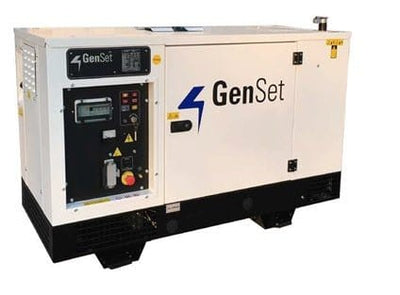
Yes, and on a long cloudy stretch, it's a good way to keep going. The MyGrid 10K can recharge from a compatible fuel generator, and Anker makes the SOLIX Smart Generator 5500, a tri-fuel generator designed to recharge the E10. Do not use a fuel generator indoors or in your garage, and keep it well away from windows and doors.
← Older Post Newer Post →