 (954) 249-2314
Solar Generator vs Power Station: Match Your Backup Needs
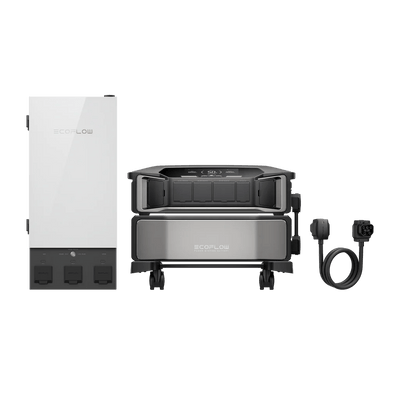
The difference between a solar generator and a portable power station comes down to one component, and that's the solar panels. At its core, a power station is a standalone rechargeable battery unit, with battery cells, an inverter, charging circuitry, and output ports for your devices.
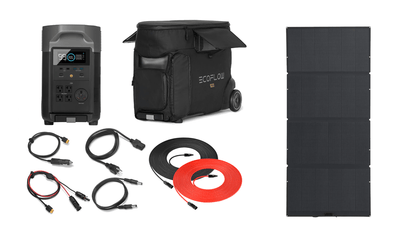
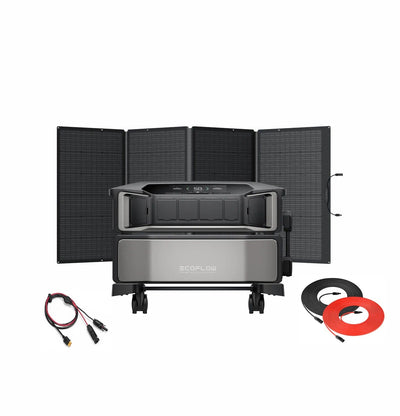
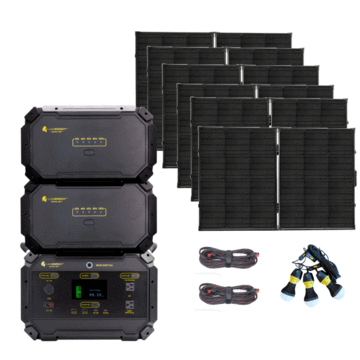
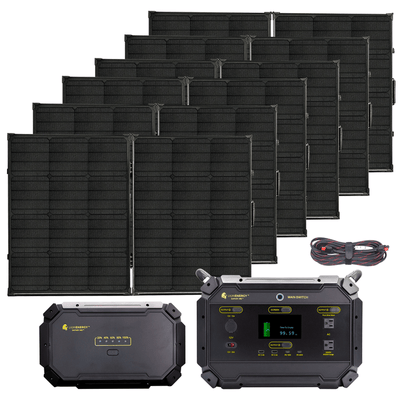
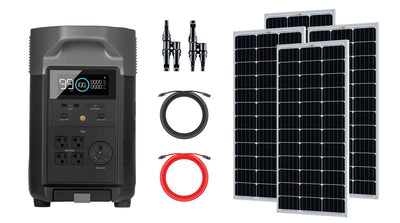
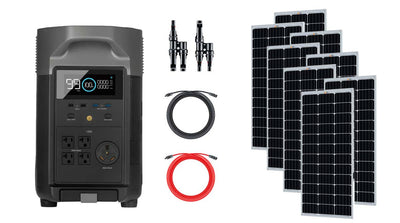
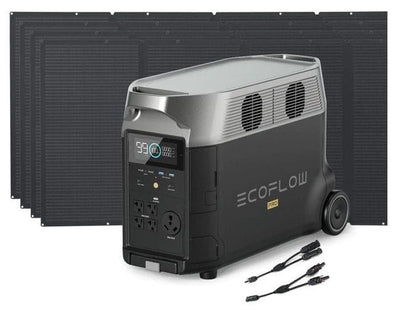
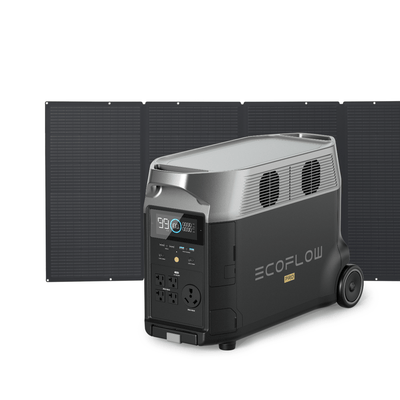
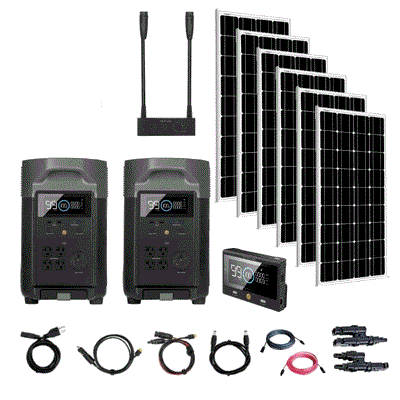
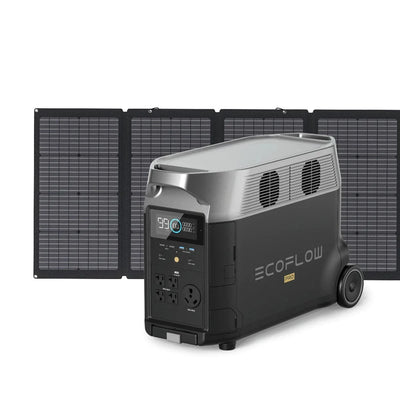
A solar generator is that exact same battery unit bundled or paired with solar panels. Once you connect panels to recharge the battery from the sun, the system functions as a generator. If you buy a unit without panels, you have a power station. If you add panels, you have a solar generator.
How Energy Storage and Solar Input Work Together
You can charge a standalone power stations from a wall outlet, a vehicle outlet, or a DC charger before an outage, and then draw down that stored power during the emergency.
The main thing you give up with a standalone station is runtime. Once the battery runs down in a long blackout, you won't have a wall outlet to recharge it from, unless you've got a vehicle or a generator. That's where solar panels come in, since they give you another way to recharge.
When you pair solar with storage, you can use stored electricity when the sun isn't shining. The charge controller regulates the voltage coming from your panels, and if your model supports charging while in use (pass-through charging), you can recharge the battery while it powers your appliances. Nature's Generator Powerhouse systems are one example, since they come as a power station sold together with solar panels.

Understanding Kilowatts and Kilowatt-Hours
Whichever you choose, you'll deal with two numbers: capacity and output. You need both to run your home equipment.
Battery capacity, in kilowatt-hours (kWh), is the total energy stored, and continuous power, in kilowatts (kW), is how fast you can draw that energy. Think of kilowatt-hours as the size of a fuel tank, and kilowatts as the width of the pipe that feeds your appliances.
Your runtime will never match the rated capacity exactly, because the inverter loses some energy when it converts battery power into household power. As a rule of thumb, plan on being able to use about 85 percent of the rated capacity.
To see how a battery bank compares with a complete kit, read our solar generators versus battery banks guide. And if you'd like to compare expandable base units, browse our Anker SOLIX power stations.

Recharging Realities During Extended Outages
With solar recharging, you won't have to deal with fuel lines or gas station queues, but you do need to plan around its limits.
Solar panel production changes with the time of day, season, passing cloud cover, ambient haze, dust, snow, and surface shading. A 400-watt solar array will rarely deliver its full rated wattage for eight straight hours.
If you experience severe weather during hurricane season, storm clouds can suppress panel output for days. With our Jackery solar generators, you get a power station bundled with solar panels, so you're not left matching parts yourself.
You can also compare specific models in our detailed solar generator comparison guide before buy anything.
Indoor Convenience Versus Fuel-Powered Alternatives
Many homeowners pick battery power stations and solar kits for one main reason. They produce no exhaust, so you can run them indoors, as long as you follow the manual's ventilation, clearance, and temperature limits.
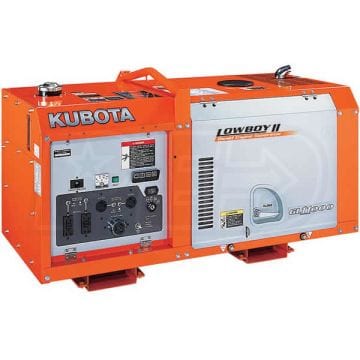
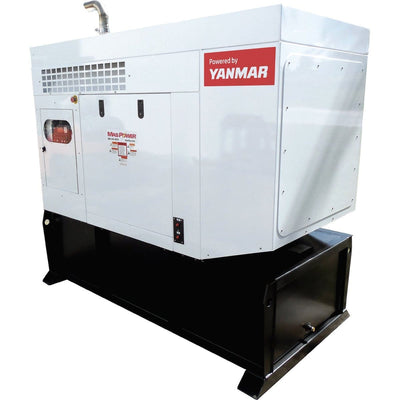
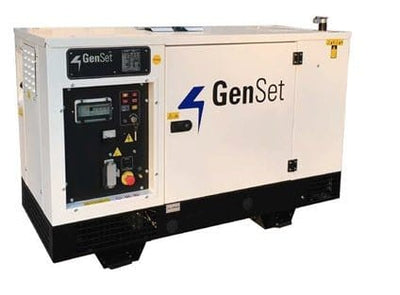
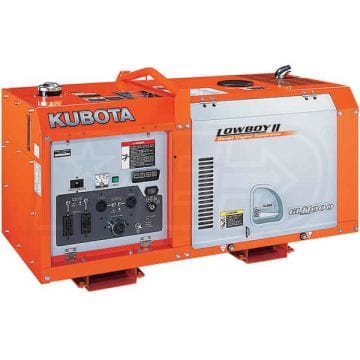
Fuel-burning generators produce toxic carbon monoxide, which makes them dangerous indoors. Keep them outdoors, at least 20 feet from your home, with the exhaust pointed away from windows and doors.
If you live in an apartment or don't have yard space that far from the house, a power station or solar kit is the practical choice for you. For a closer look at the two, you can read our our guide comparing solar generators versus gas generators.

Selecting the Right Setup for Your Backup Plan
Start by thinking about how long your outages usually last and where you'll store the unit. For short outages of twelve to twenty-four hours, a standalone power station will give you indoor power for less than a full solar generator costs.
Keep the station charged from a wall outlet, and you'll be able to run medical devices, Wi-Fi routers, lighting, and your refrigerator through a short outage.
Are you preparing for multi-day storms or off-grid living? Then choose one of our portable solar generators with matched panels, so that you have a way to recharge while the grid stays down. Our team is happy to help you pick one.
Frequently asked questions
Can I add solar panels to any power station?
No. Check the unit's maximum solar input, voltage range, current limit, and connector before buying panels. Matching wattage isn't enough to prove that the panels are compatible.
Can a solar generator run my whole house?
It can, but only when its continuous and surge output, battery capacity, and connection equipment match your home's loads. Have a qualified electrician look at the transfer equipment and circuits first.
How do I estimate the battery size I need?
Size inverter output for devices running simultaneously. Estimate battery capacity by multiplying each device's running watts by expected hours, then add margin for startup surges and conversion losses.
Should I store a power station at 100% charge?
Storage charge and temperature limits vary by model, so use the unit's specified settings rather than assuming 100% is ideal. Test it under a realistic load before storm season.
← Older Post Newer Post →