 (954) 249-2314
Solar Generator vs Gas Generator: Compare Backup Power
Choosing between a solar generator and a gas generator comes down to where you run your equipment and how long your outages last. Solar units provide silent, zero-emission power indoors. Gas units deliver high running wattage at a lower upfront cost.
I recommend starting with your essential load list. If you must keep medical equipment or refrigeration running inside your living room, choose battery power. If you need to start central air conditioning or a well pump during hurricane season, combustion power remains the practical choice.
How Power Delivery Differs Between Solar and Gas
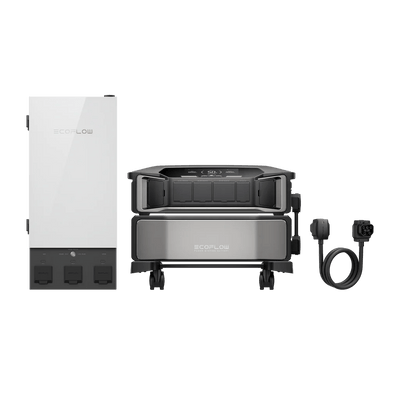
Every backup generator has two primary electrical limits: continuous output and energy storage. With a battery system, continuous power capacity in kilowatts meets your electrical load, while stored energy in kilowatt-hours determines total runtime. For example, a 10-kWh battery powering a steady 2-kW load provides approximately 5 hours of runtime before accounting for inverter efficiency losses. When the battery drains, output stops completely.
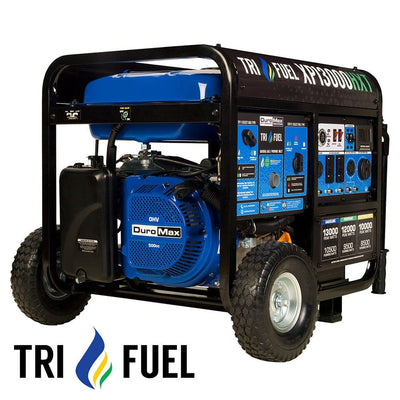
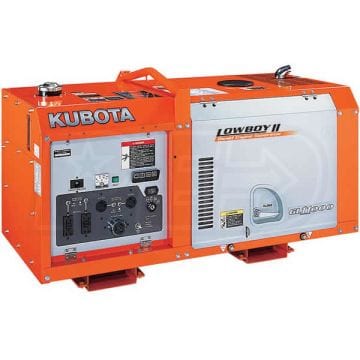
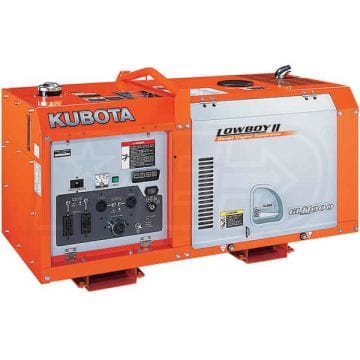
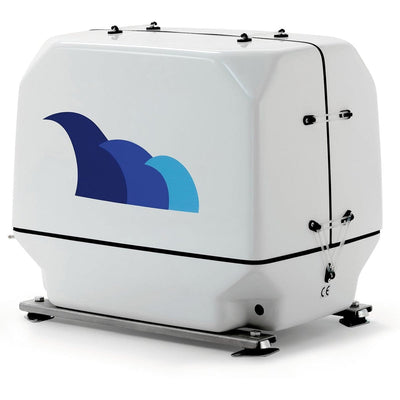
In contrast, conventional gas generators produce steady electricity continuously as long as fuel remains in the tank. An engine running on gasoline can power large inductive startup loads with ease. However, it cannot adjust its fuel consumption down to zero when powering only a phone charger. To see how various battery capacities compare across portable sizes, read our solar generator comparison.

Safety, Placement, and Exhaust Hazards
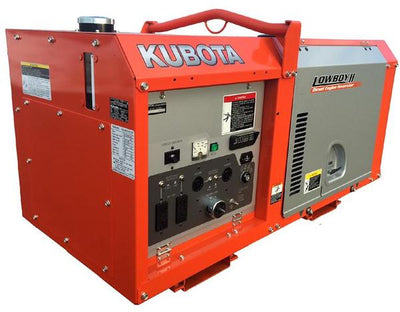
Operating safety creates the clearest dividing line between these two generator categories. Combustion engines produce carbon monoxide, an odorless and invisible gas that can prove fatal within minutes. For safe operation, gasoline-powered generators must never run inside an enclosed space, garage, or within 20 feet of windows, doors, or vents. You must keep them outside in dry conditions and run heavy extension cords through an exterior opening.
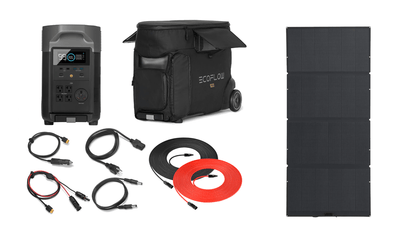
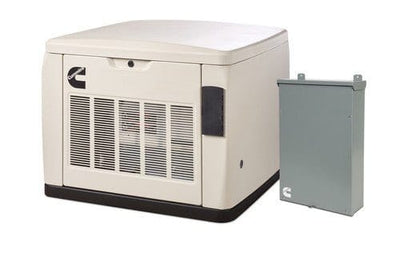
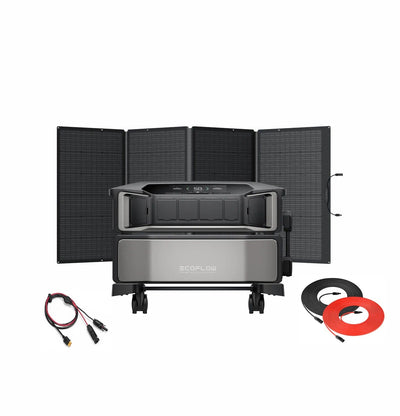
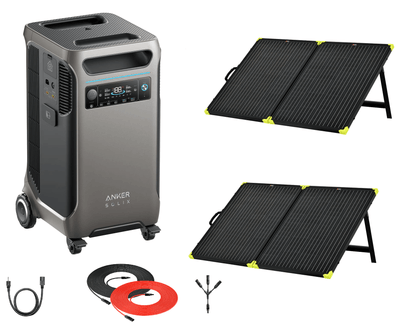
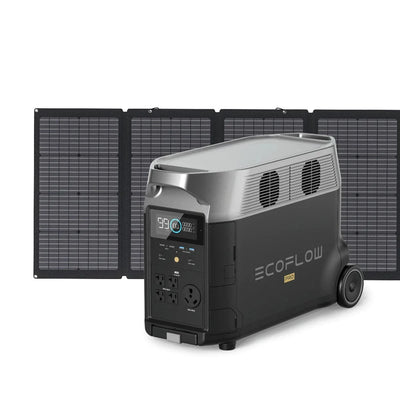
Solar generators use lithium battery cells and an internal inverter instead of a combustion engine. They emit zero exhaust gases and operate with negligible sound. You can safely place a solar power unit beside your bed, inside a home office, or in a tight apartment closet. If you prefer outdoor fuel power with fewer refueling headaches, examine natural gas generators connected directly to utility lines.

Fuel Availability and Extended Outage Runtime
During severe storms between June 1 and November 30, regional fuel distribution often halts. Local gas stations lose grid electricity, run out of fuel, or enforce rationing. Storing dozens of gallons of gasoline at home requires fuel stabilizer and introduces substantial fire hazards. Solar power systems depend only on available daylight. Once storms pass, your solar panels recharge the battery packs every day for free without relying on open supply routes or fuel deliveries.
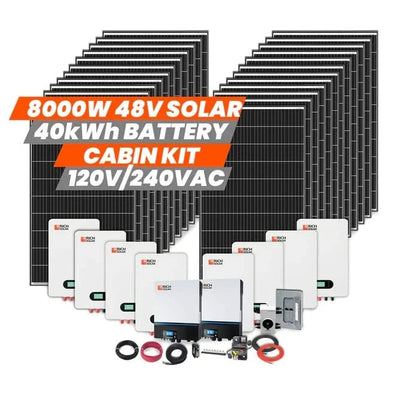
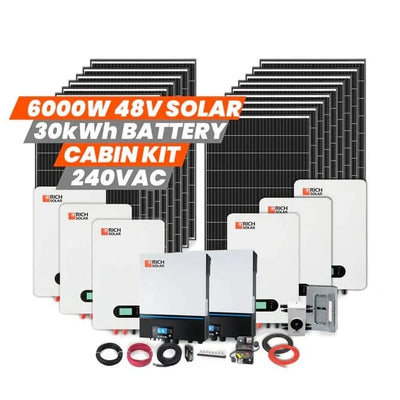
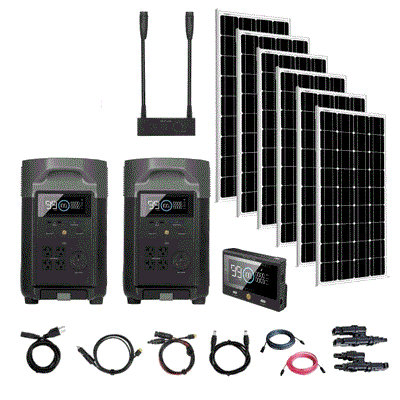
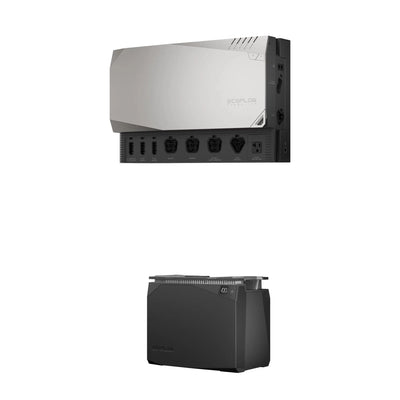
Many homeowners assume standard rooftop solar panels work automatically during blackouts, but that is rarely the case. Standard grid-connected solar systems shut off during an outage, requiring dedicated energy storage and an appropriate inverter to supply power at night. If you want a complete off-grid setup for a remote cabin, review off-grid solar generators. For a broader look at separate components, consult our guide to a solar generator versus battery bank.

Maintenance, Reliability, and Long-Term Costs
Your long-term maintenance habits should strongly influence this purchase decision. Gas generators feature internal combustion engines with carburetors, spark plugs, filters, and motor oil. They require oil changes after every 50 to 100 hours of runtime. If you store a gas unit with untreated fuel inside the bowl, gum deposits will clog the jets. That common oversight leaves you stranded with a generator that will not start during an emergency.
Solar generators cost significantly more per watt of continuous output upfront, but they require virtually zero ongoing maintenance. You simply keep the battery charged between 50 and 80 percent in storage and check it periodically. There are no valves to adjust, oil pans to drain, or fuel lines to flush. If you want to compare portable all-in-one stations against modular battery equipment, read our solar generator versus power station comparison.
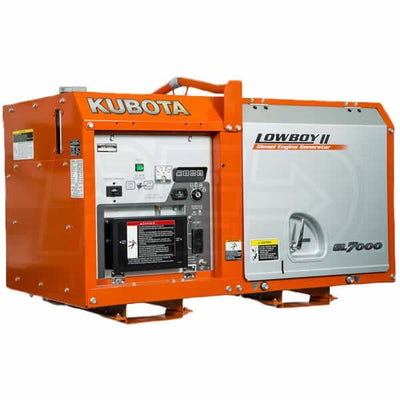
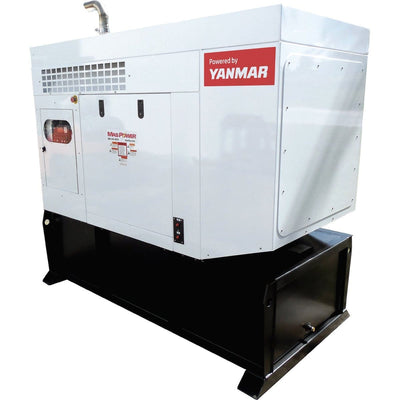
Businesses, job sites, and large estates face unique challenges that small portable units cannot resolve. When you need clean, quiet battery power to support heavy power tools or medical facilities without exhaust, explore commercial solar generators. These heavy units provide high-voltage split-phase output and rapid solar charging. They bridge the gap between small portable packs and noisy industrial combustion units.
Matching Your Generator to Your Outage Plan
I prefer selecting your power source based on your property layout and outage risks. If you live in a townhouse, condo, or suburban neighborhood with close neighbors, buy a solar generator. It handles communications, CPAP machines, lights, and small refrigerators safely indoors. If you must power central air conditioning, a well pump, and heavy heaters, a fuel-burning generator provides that massive continuous wattage.
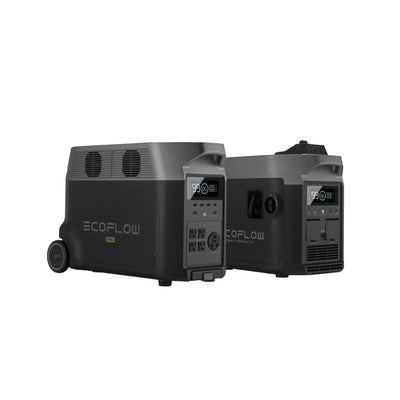
Many experienced homeowners deploy a hybrid approach that captures the benefits of both designs. You can run an outdoor fuel generator for several hours during the day. That daytime run cools down your freezer, pumps water, and charges your solar battery station at maximum speed. At night, you shut the engine off to eliminate noise and fumes. Your charged battery then runs your essential bedroom circuits until morning. Calculate your running wattage before hurricane season begins to choose the right system.
Frequently asked questions
Can a solar generator start a refrigerator?
Yes, if its inverter handles the refrigerator's starting watts and its battery stores enough energy for the outage. Check both ratings because startup demand can exceed running draw.
Can I plug a generator into a wall outlet?
No. Use a properly installed transfer switch or interlock to prevent dangerous backfeeding. Have a qualified electrician handle panel connections.
Will solar panels recharge a battery on a cloudy day?
Usually, but cloud cover, shade, and winter sun reduce charging speed. Keep reserve capacity and confirm the panel input range for your unit.
How much gasoline should I store for an outage?
Use the model's fuel-use rate at your expected load to estimate gallons for the outage. Follow local storage limits and rotate fuel before it degrades.
← Older Post Newer Post →