 (954) 249-2314
Solar Generator Comparison: Size Home Backup Power
Every solar generator comparison you make comes down to two numbers, including how many watts your appliances draw, and how many hours you need them to run. So before you look at any hardware, add up your essential loads. It's the first thing we tell every homeowner.
If you're only running small electronics and medical devices, a modest battery and a light unit will do. For home refrigerators, well pumps, and air conditioning, though, you'll need a large battery, high continuous wattage, and plenty of solar charging.
Understanding Capacity and Inverter Output
When you're comparing solar generators, look at continuous output and battery capacity separately. Check the continuous output to see which appliances you can run at the same time, and the battery capacity to find out how long you can keep them running without any solar coming in.
As the Department of Energy explains, energy capacity is the total electricity a storage device can hold, while power capacity is the electricity released at once. Keep in mind that no battery is completely efficient. You'll lose some of that stored energy when the unit converts it into household power, so you'll always get less out than the battery holds.
That's why we recommend sizing your battery 20 percent above your estimated daily use. With that margin, you'll still have enough to cover the conversion losses, even if some of your loads run longer than you planned.
Surge is the other number to watch. Motors in refrigerators and air conditioners need a brief burst of extra power when they start up, so make sure that your inverter's peak surge rating meets or exceeds the starting wattage of your largest motor. Check both the running and starting watts before you buy, and you won't have to deal with nuisance trips.
Do you want to know how a power station differs from a complete solar generator? Then you can hop over to read our guide to solar generators versus power stations.

Solar Generator Comparison Chart
Use the chart below to compare the models we carry, from portable units up to home backup systems.
| Model | Continuous Output | Battery Capacity | Key Detail | When to use it |
|---|---|---|---|---|
| Jackery Explorer 1000 | 1,000W to 1,200W range | 1,002Wh | Recharges from a wall outlet in about 7 hours | Electronics, CPAP, lights, camping |
| Anker SOLIX C1000 Gen2 | 2,000W | 1,024Wh | Fast wall recharging | A refrigerator, microwave, or power tools |
| Bluetti AC300 with B300 | 3,000W, 6,000W surge | 3,072Wh | Expands to 12,288Wh | A couple of essentials at once |
| Anker F3000 | 3,600W, 6,000W surge | 3,072Wh | LiFePO4 rated for 3,000 cycles to 80% | Heavier combined loads |
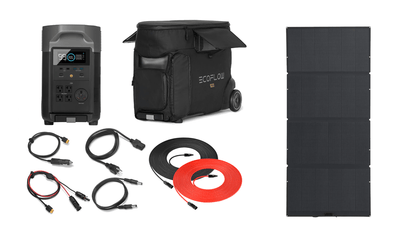
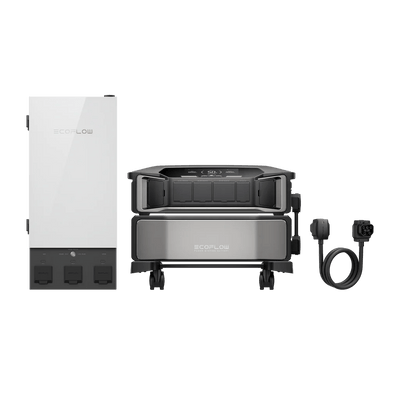
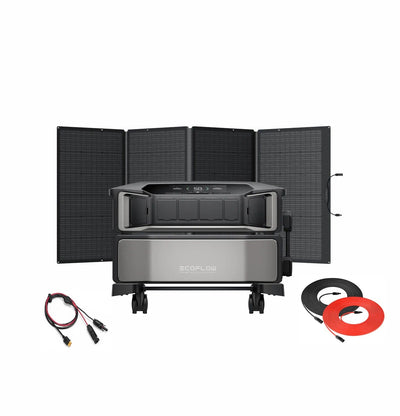
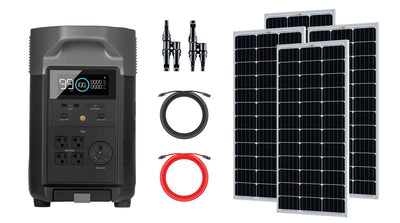
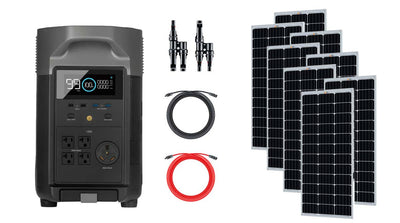
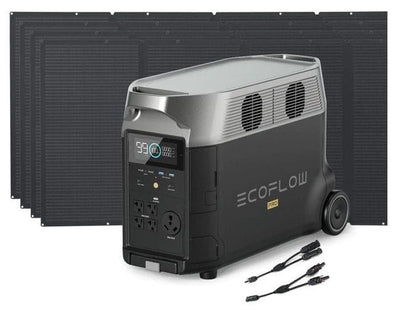
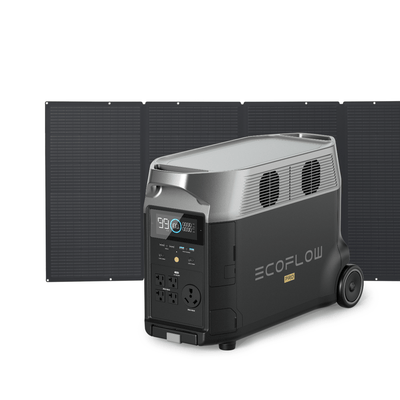
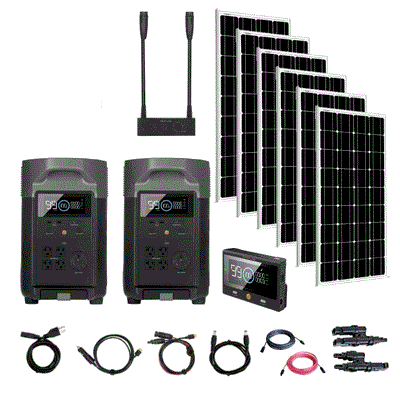
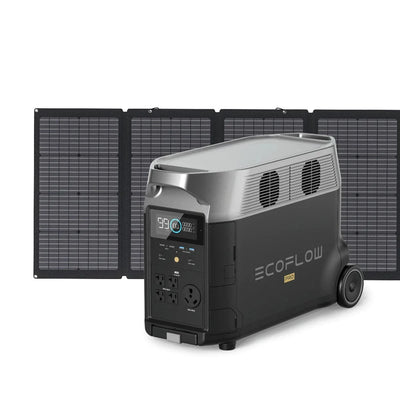
| EcoFlow DELTA Pro | 3,600W at 120V | 3,600Wh | 7,200W at 240V with two units and the Double Voltage Hub | Heavier combined loads, 240V option |
| Anker SOLIX F3800 | 6,000W at 120V and 240V | 3,840Wh | Expands to 26.9kWh | Well pumps and other 240V circuits |
| PECRON F5000LFP | Up to 7,200W at 240V | 5,120Wh | 6,400W solar input, 30A 240V outlet | Home circuits through a transfer switch |
For compact needs, you'll find units in our portable solar generators that are easy to move and produce no exhaust. However, homes with 240-volt loads or heavy heating equipment need 5000-watt solar generators to handle motor startup surges.

Solar Recharging and Weather Dependencies
A large battery only helps you if you can recharge it, so check the unit's maximum solar input just as closely as its battery size.
Solar electricity production varies with season, time of day, cloud cover, dust, haze, shadows, rain, snow, and surface dirt. During hurricane season, storms bring overcast skies and prolonged rain. So keep in mind that an undersized solar array will leave your batteries depleted during extended grid interruptions.
We like to pair a high-capacity battery with an array that can recharge it in about five hours of strong sun. Think about panel tilt, too, since it affects how well you charge through the year. And after a storm, be sure to wipe leaves and debris off the panels, because dirt cuts their output.
For permanent off-grid installations, explore our article on solar generators versus battery banks to evaluate custom expansion options.

Comparing Solar and Fuel Generators
Your choice between fuel and solar comes down to safety, noise, and your local fuel supply. Battery storage runs with little noise and no fumes, and you can scale it to fit your needs. Since there's no exhaust, you can run a battery power station indoors, as long as you follow the manual's ventilation, clearance, and temperature limits.
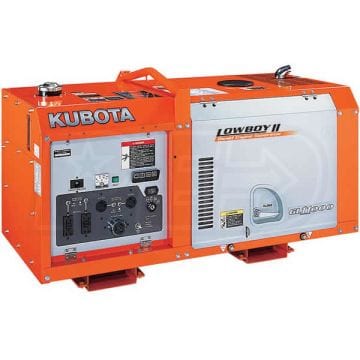
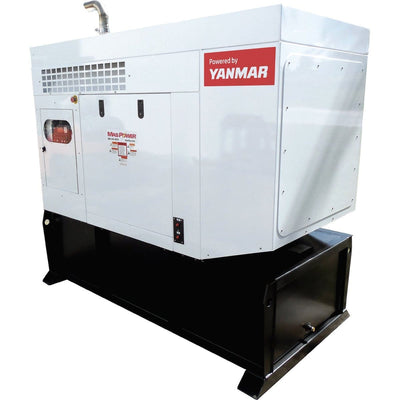
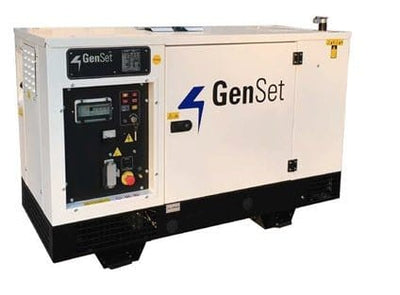
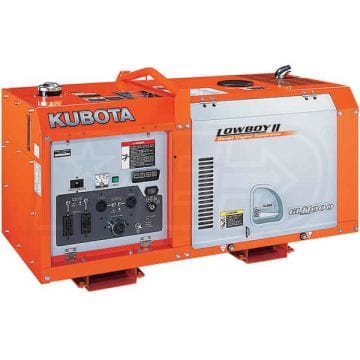
Portable fuel generators need a lot more care. You have to run them outdoors, at least 20 feet from your home, with the exhaust pointed away. Never run one in a garage or near an open window, because of the carbon monoxide risk.
You can refuel a gas generator quickly from a can, while a solar generator doesn't need any stored fuel at all. You'll find a detailed comparison of the two in our guide comparing solar generators with gas generators.
Sizing Your Setup for Home Backup
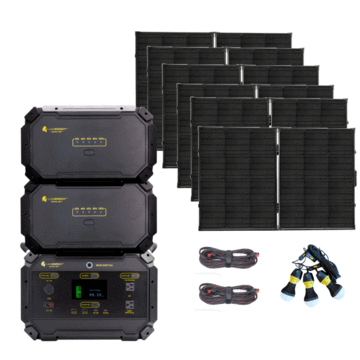
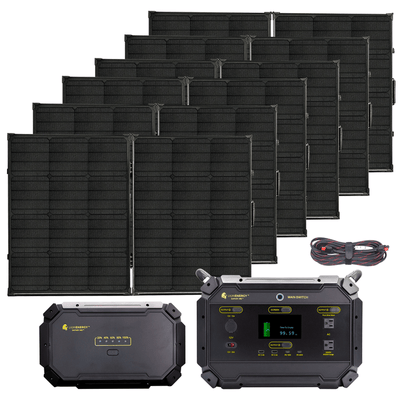
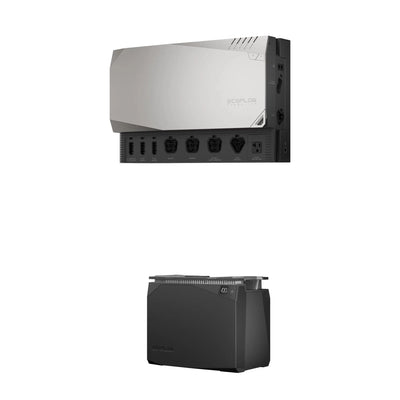
If your goal is to protect household essentials during long blackouts, look at dedicated solar generators for home backup. These larger platforms integrate directly with manual transfer switches or critical-load subpanels.
Always talk to a licensed electrician before connecting any power station to your residential wiring. They'll check the grounding and isolate your circuits so that your setup doesn't push power back into the grid (backfeeding) and utility line workers stay safe.
Most home backup units run on lithium iron phosphate (LFP) batteries, which last thousands of charge cycles. You should also review manufacturer warranties, expansion battery ports, and proprietary ecosystem rules. To compare leading equipment manufacturers side by side, consult our solar generator brands guide.
Finally, test the whole system, solar panels and cables included, on a clear afternoon before bad weather arrives, so that you'll know how it performs when the lights go out. And if you'd like help with the sizing, our team is happy to walk through it with you.
Frequently asked questions
Can I add batteries to a solar generator later?
You can, but only if the model supports compatible expansion batteries and the manufacturer allows that setup. Before you count on adding capacity later, check the expansion limit, the matching battery type, and the charging method.
Can a solar generator power a 240-volt well pump?
It can't if the unit is only rated for 120 volts. Even with enough running watts, a unit can still fall short of the pump's startup demand, so have a licensed electrician check the voltage, surge, and transfer equipment before you buy.
What if several cloudy days limit solar charging?
Set a daily load priority list and reserve battery capacity for critical devices before the outage. Reduce optional loads or arrange another recharge source when the clouds keep your panels from replacing what you use.
Do I need an electrician to use a portable solar generator?
No, not for standalone equipment connected as the manufacturer permits. Any connection to home wiring, a transfer switch, or a critical-load subpanel requires a qualified electrician to isolate circuits safely.
← Older Post Newer Post →