 (954) 249-2314
Best Solar Panel Generator: How to Choose the Right System
The best solar panel generator is the one that runs your real loads, accepts enough solar input for your conditions, and includes, or clearly identifies, the panels and cables you need. For outages, off-grid living, and camping, fit comes before brand.
What a Solar Panel Generator Actually Includes
In practical terms, a solar generator combines a battery power station, an inverter that converts stored DC energy into household-style AC power, and solar panels that recharge the battery. It is not one standardized product category: federal energy guidance describes photovoltaic generation and battery storage as technologies that can be combined to make electricity available later. That is why package contents matter.
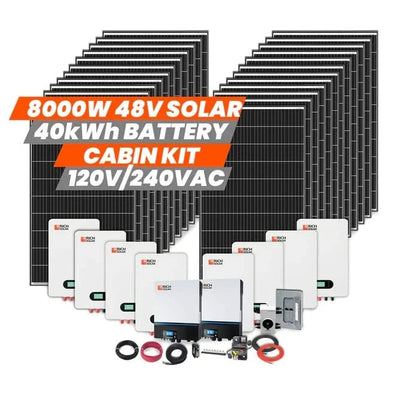
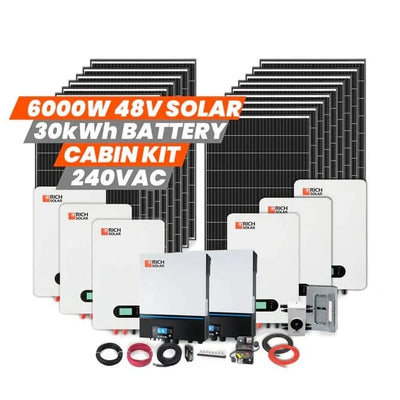
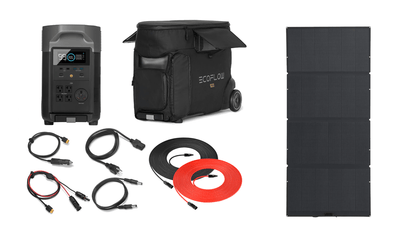
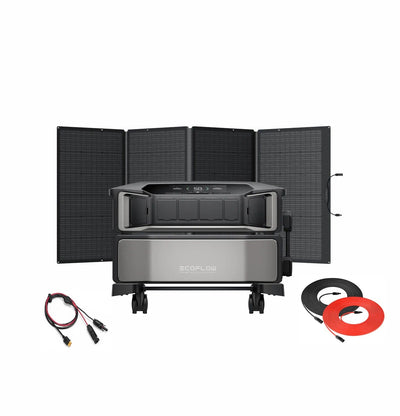
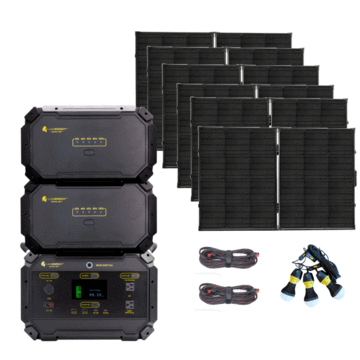
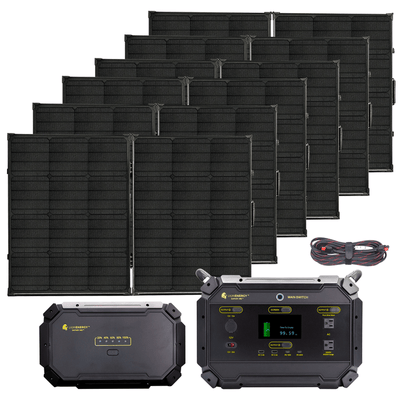
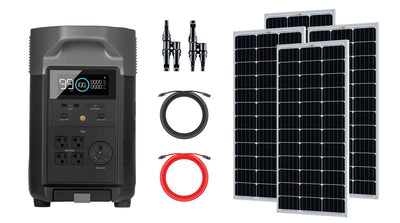
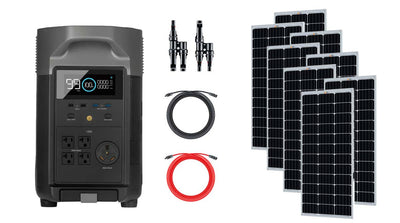
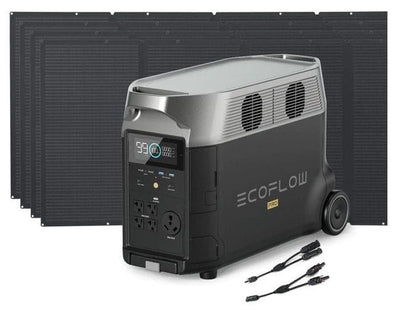
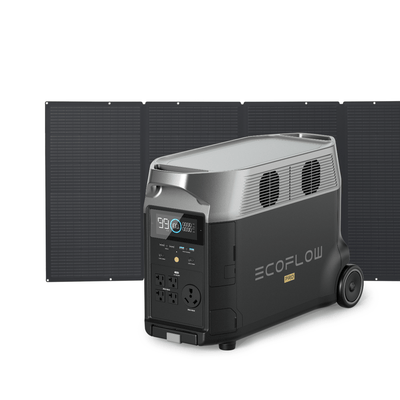
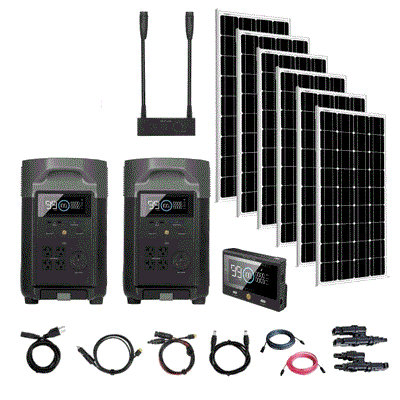
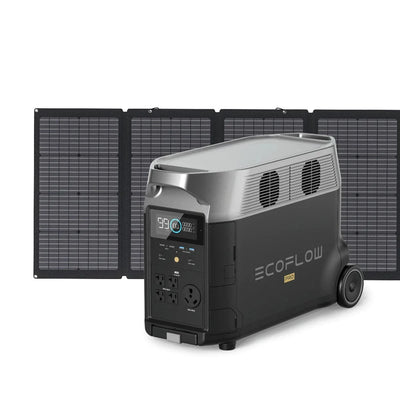
At All Pro Generators, we offer everything from portable power stations paired with foldable panels to expandable home-backup packages with high-capacity batteries and rigid arrays. Some kits include panels; other power stations are panel-ready but sold separately. Compare the complete working system, not just the battery box.

Best Solar Generator With Panels: Start With Real Loads
At All Pro Generators, we’ve watched buyers focus on brand names when the load list is really what drives the decision. The best generator with solar panels is not automatically the largest system. It is the one with enough inverter output, battery capacity, and solar input for what you will actually run.
- Build your load list by recording every refrigerator, light, medical device, computer, tool, or appliance you expect the system to power.
- Separate running watts from startup watts because motors and compressors may require a brief surge when they switch on.
- Estimate daily energy in watt-hours, the amount of energy used over time, by combining each load’s wattage with its expected operating time.
- Add practical headroom for inverter losses, changing loads, and days when solar charging produces less energy than expected.
Match the System to the Setting
Not every buyer needs whole-home scale. Portability, capacity, and panel style should follow where the system will work.
| Use | Best broad system type | What matters most |
|---|---|---|
| Camping and travel | A compact best portable solar generator candidate with foldable panels | Manageable weight, simple setup, and enough outlets for electronics, lights, or a portable refrigerator |
| Remote or outdoor work | A portable power station with higher continuous inverter output | Tool startup demand, panel durability, charging options, and room to expand |
| RV or off-grid use | An expandable battery system with portable or mounted panels | Daily energy use, storage space, panel-input limits, and repeatable daytime charging |
| Home outages | A higher-capacity system sized around essential circuits | Refrigeration, medical loads, battery expansion, transfer equipment, and cloudy-weather planning |
How to Compare the Best Solar Panel Generators
A complete best solar generator kit comparison starts with what is actually in the box. We document product configurations, battery chemistry, specifications, warranties, availability, pricing, shipping, and support terms where supplied, but some products may be out of stock or have incomplete price fields.
- Battery capacity in watt-hours and available expansion options
- Continuous inverter wattage and supported startup surge
- Included panel wattage, quantity, cables, connectors, and adapters
- AC, vehicle, and solar charging methods supported by the system
- Current total package price, warranty terms, availability, shipping, and support
Panel wattage alone does not establish compatibility. Open-circuit voltage, the panel voltage before a load is connected, must fit the power station’s input window, while current and total wattage must remain within their limits. For example, we document the EcoFlow DELTA 3 Classic at 11 to 60V, 15A, and up to 500W, while the Anker F3000 uses 11 to 60V, 15A, and up to 1,000W. The same voltage range does not guarantee the same wattage ceiling.
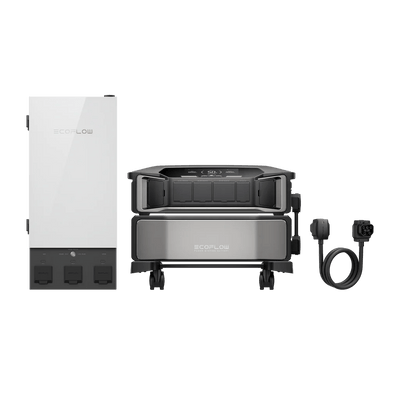
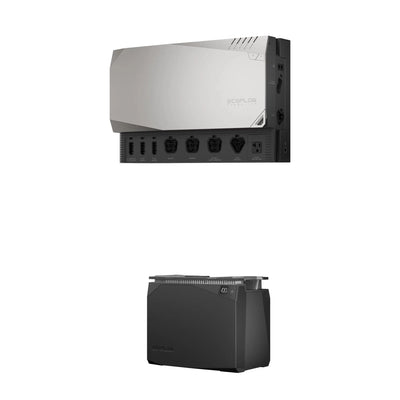
For larger home loads, our ecoflow delta pro ultra collection shows the expandable end of the category, where battery modules and substantial solar arrays make more sense than a lightweight camping setup.

Treat Recharge Times as Planning Estimates
Nameplate panel wattage is not guaranteed harvested energy. The available solar resource changes with location, time of day, clouds, dust, shade, and surrounding terrain, according to the U.S. Energy Information Administration. Panel angle, temperature, conversion losses, and power being consumed during charging also affect the result. The honest trade-off appears during long outages with heavy cloud cover, which can reduce solar charging exactly when stored energy matters most.

Use our recharge estimator to test stated battery and panel inputs, then plan conservatively. If home continuity is the goal, compare those estimates with your essential-load list in our best solar generator for power outage guidance.
Make Home Backup Safe and Practical
Never connect a portable power station to household circuits through an ordinary receptacle. Current can backfeed into the utility system, creating a serious hazard; archived CDC outage-safety guidance explains that danger. A permanent home connection needs compatible transfer equipment or a panel interlock that isolates utility power, plus qualified or licensed installation and any site-specific electrical materials.
Also compare operating and storage temperatures, inverter waveform, listed safety certifications, and noise information. Check pass-through behavior, whether the unit can recharge while powering connected loads, because manufacturers do not specify that feature or battery-transport restrictions consistently across every system.
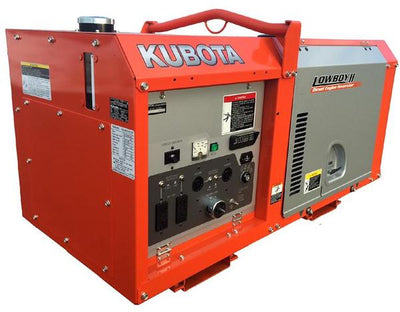
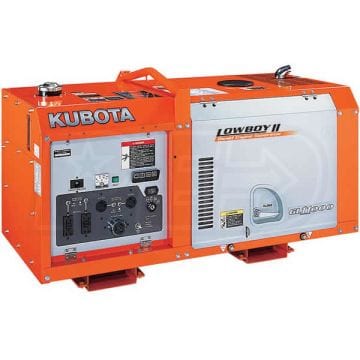
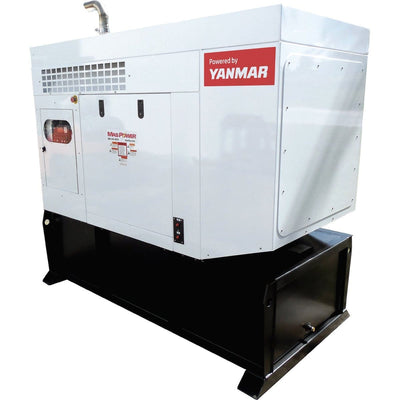
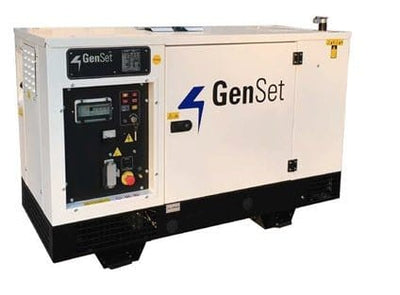
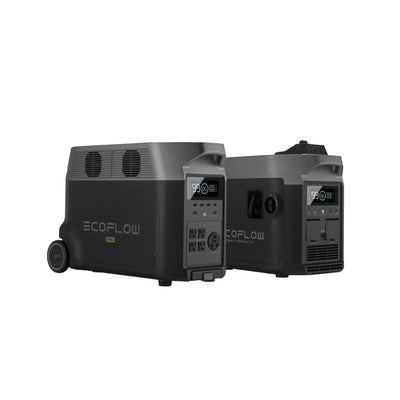
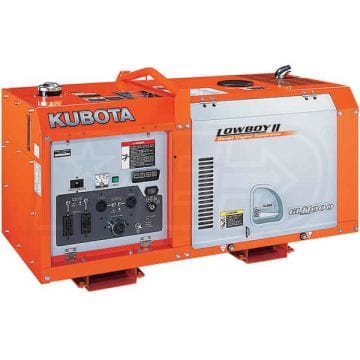
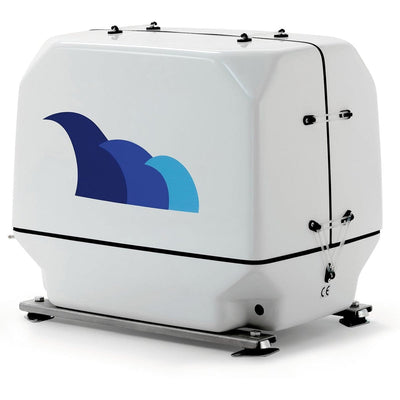
For extended emergencies, the best way to prepare is often to have both: solar battery power for quiet essential loads and a properly operated fuel generator for another charging or power option. Our best emergency solar generator guidance can help you build that plan around the equipment you truly need.
Choose the System That Fits
The right generator is the one that fits your real loads, your weather, and the way you plan to use it. Confirm the complete package, verify every electrical input limit, and leave room for imperfect solar days. Do that, and the sun can bring genuine freedom and peace of mind to your backup plan. Thank you for visiting!
Frequently asked questions
Do solar generators always include solar panels?
No. Some solar generators are complete bundles, while others are power stations sold without panels. Confirm the exact panels, cables, connectors, and adapters included before comparing package prices.
How do I size a solar generator for my needs?
List every device you want to run, including its running watts, startup watts, and expected daily operating time. Choose an inverter that can handle the combined load and enough battery capacity for the energy you expect to use.
Can I connect a solar generator directly to my home wiring?
Not through an ordinary wall receptacle. A permanent connection requires compatible transfer equipment or a panel interlock that isolates utility power, along with installation by a qualified or licensed professional.
How long does it take to recharge a solar generator with panels?
Recharge time depends on battery capacity, accepted solar-input wattage, available sunlight, panel angle, shade, temperature, conversion losses, and power being used while charging. Manufacturer estimates under ideal sun are planning references, not guaranteed results.
← Older Post Newer Post →