 (954) 249-2314
Best Solar Generator for Power Outage: What to Compare
The best solar generator for power outage protection is the one that can start your hardest load, run your essentials for the expected outage, and recharge in your real weather. For many homes, that means an expandable 120/240V lithium iron phosphate (LFP) system; for an apartment or short outage, a smaller portable unit is the smarter buy.
Start with the outage, not the logo
There is no universal winner because a refrigerator and router create a very different job from a well pump, central air conditioner, or breaker panel. Federal connection guidance likewise distinguishes plugging appliances into portable equipment from supplying household circuits through a transfer switch. The right backup begins with the circuits you refuse to lose.
Load list first, capacity second.
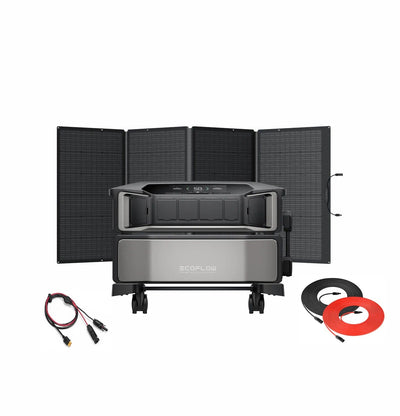
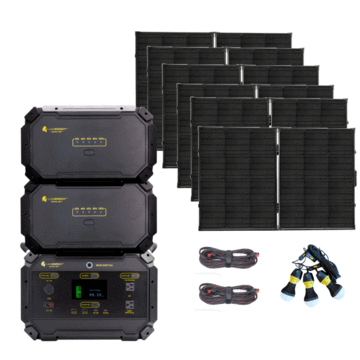
A solar generator combines a battery power station, an inverter that turns stored DC energy into household AC power, and compatible solar panels. Panels are not necessarily included, so compare the complete charging setup rather than the battery alone.
- Continuous output in watts tells you how much equipment the inverter can run at once.
- Startup surge is the brief, higher demand created when a motor or compressor starts.
- Stored energy in watt-hours indicates potential runtime; usable watt-hours provide the more realistic calculation.
- Voltage matters because well pumps, central air conditioners, and some panel circuits require 240V split-phase power.
For phones, a router, lights, CPAP equipment, and a refrigerator, portability may matter more than panel integration. Our best emergency solar generator guide focuses on that smaller, grab-and-go job.
Our practical picks by outage size
Not every buyer needs whole-home scale. We group models by portable emergency, moderate, essential-circuit, near-whole-home, and whole-home use, then compare published capacity, continuous output, voltage, solar input, expansion, and appliance compatibility.
| Outage job | Practical starting point | Published core specifications | Best fit |
|---|---|---|---|
| Portable backup | Anker SOLIX F3000 | 3,072Wh; 3,600W; 120V (240V by pairing two units) | Refrigerator, communications, lights, and CPAP |
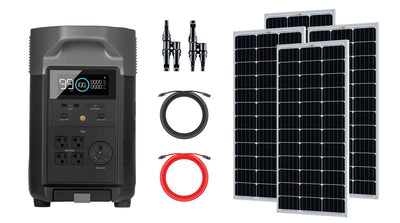
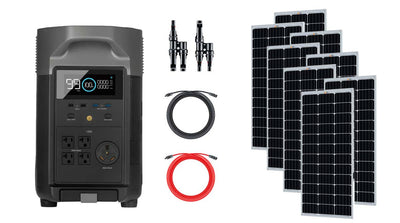
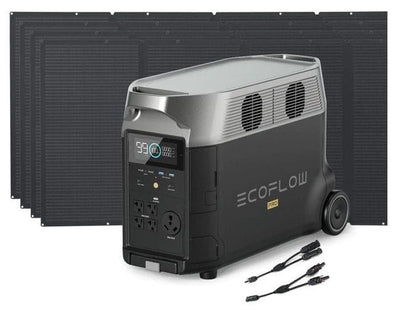
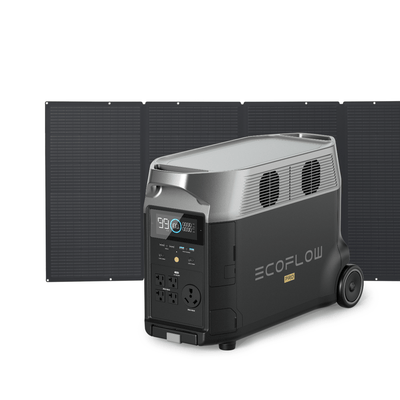
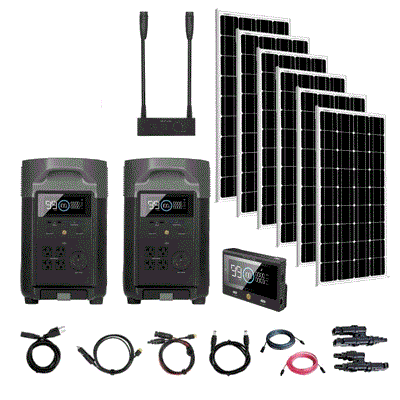
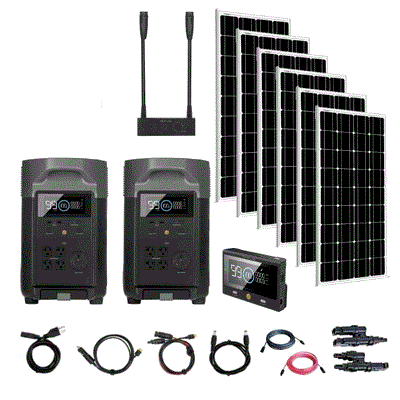
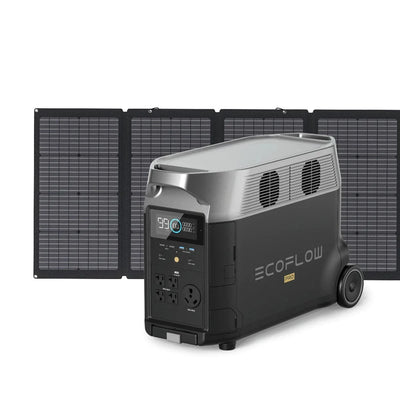
| Moderate backup | EcoFlow Delta Pro 3 | 4,000W; dual 120/240V capability | Large individual appliances and flexible portable backup |
| Essential circuits | Anker SOLIX F3800 Plus | 3,840Wh; 6,000W; 120/240V | Refrigerator, freezer, sump pump, lights, and medical equipment |
| Large backup | Jackery 5000 Plus | 5,040Wh; 7,200W; native 120/240V | Selected circuits and staged expansion |
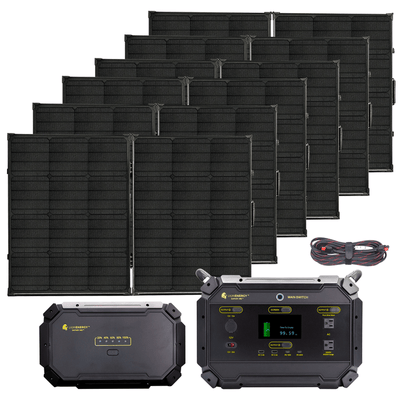
| Near-whole-home | Nature’s Generator MyGrid 10K | 10,496Wh; 10,000W; 208/240V | Heavy loads, substantial storage, and high solar-input potential |
These are manufacturer specifications and publisher-described features, not independent laboratory comparison results. Availability can also change between in-stock and preorder status. Our complete model comparison provides more specifications, while the best large solar generator guide concentrates on extended and higher-load backup.

Estimate runtime without fooling yourself
Runtime starts with usable watt-hours divided by average load watts, but that result is only an estimate. Inverter losses consume energy, refrigerators and pumps cycle, and several appliances may start together. A refrigerator averaging 200W is not the same load as a refrigerator drawing 200W continuously, and its compressor can demand much more for a moment at startup.
- List every appliance or circuit you refuse to lose during the outage.
- Record each load’s running watts and startup watts from its label or manufacturer specifications.
- Divide the generator’s usable watt-hours by the expected average running load for an initial runtime estimate.
- Leave headroom for inverter losses, motor surges, changing loads, and battery-protection limits.
Battery duration during one outage is different from service life across years of charging cycles. If both matter, our guide to the longest lasting solar generator separates runtime, expansion capacity, battery chemistry, and cycle ratings.
Match voltage, surge, and connection method
Direct appliance connection is the simplest arrangement: plug supported equipment into the power station and stay within its outlet, continuous-output, and surge limits. Selected-circuit backup is different. It feeds chosen circuits through transfer equipment that prevents backup power from energizing utility wiring, a dangerous condition called backfeeding.
Feeding circuits through a panel requires a compatible transfer switch or inlet arrangement installed by a qualified electrician. Never connect a power station directly to household wiring or use a male-to-male cord. Portable electrical equipment should also remain dry and should not be handled while you are wet or standing in water; follow this electrical safety guidance during setup and operation.
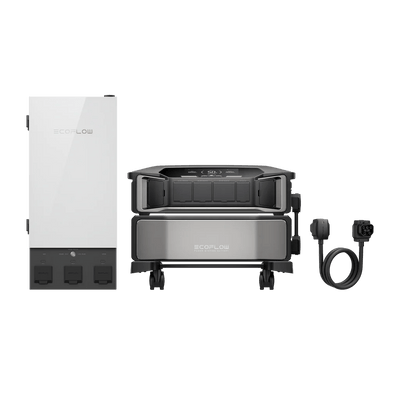
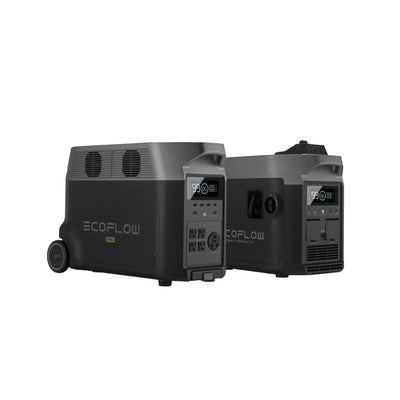
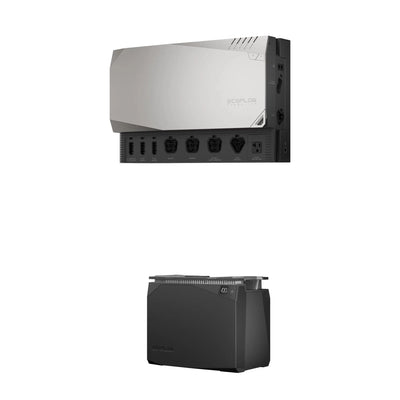
Our supported arrangements include Nature’s Generator systems with a six-circuit manual transfer switch, EcoFlow DELTA Pro with a Smart Home Panel serving up to 10 circuits, and anker solix e10 configurations using a manual Smart Inlet Box or automatic Power Dock. The equipment must match the system and installation.

Treat maximum solar input as a ceiling
A generator’s maximum solar-input number does not promise that charging speed during an outage. Panel ratings use controlled test conditions, while actual output changes with sunlight intensity, season, time of day, angle, temperature, shading, and weather, as explained in DOE solar-performance guidance. Heavy clouds and rain can therefore slow recharging exactly when storm damage has cut grid power.
We recommend conservative panel and battery sizing rather than relying on ideal solar specifications. A larger array can help when conditions are favorable, but AC wall charging or fuel-generator charging gives you another path when sunlight falls short.
A full battery before the outage starts is a plan, not an assumption.

Build a backup plan, not a showroom plan
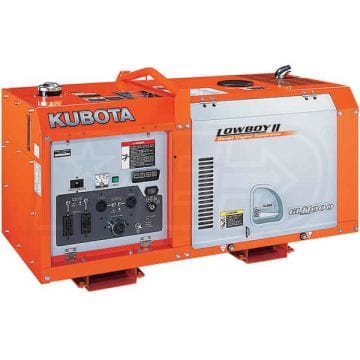
The honest trade-off appears during long outages with heavy cloud cover or sustained high loads. Solar power is quiet and practical for essential indoor backup, but it is not automatically a complete replacement for fuel in every situation. Durability also extends beyond cycle counts to construction, storage, weather protection, and support, which we examine in which solar generators are the most durable.
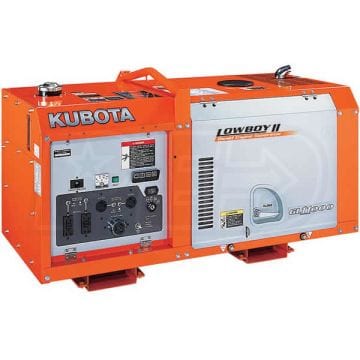
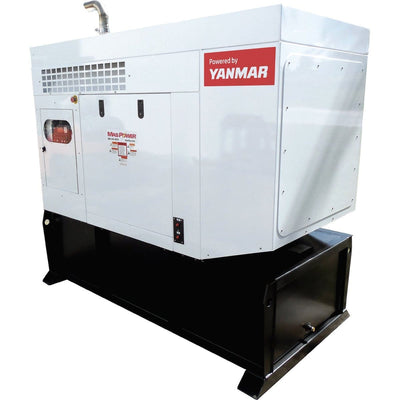
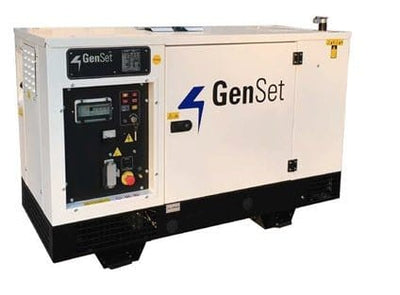
Keep both: a fuel-powered fallback and a solar reserve for the essentials.
Our USA-based specialists can match a system to your actual load list, voltage requirements, home setup, local weather, and expected outage length. Getting those details right before storm season is far easier than discovering a missing outlet, undersized battery, or incompatible panel connection after the power fails. Thank you for visiting!
Frequently asked questions
What size solar generator do I need for a power outage?
Start with the running and startup wattage of every essential load. A 2,000 to 4,000Wh unit may cover basic appliances during a short outage, while pumps, air conditioning, selected circuits, or longer runtimes call for greater output, capacity, and possibly 240V support.
How long will a solar generator run a refrigerator?
Divide the generator’s usable watt-hours by the refrigerator’s average wattage, then allow for inverter losses and compressor cycling. Confirm that the generator’s surge rating can also handle the refrigerator’s startup demand.
Can I connect a solar generator to my breaker panel?
Only with compatible transfer equipment installed by a qualified electrician. Never connect a portable power station directly to household wiring or use a male-to-male cord. Appliances can instead be plugged directly into the generator within its rated output.
Will solar panels recharge a generator during a storm?
They may provide some energy, but rain, cloud cover, shading, temperature, panel angle, and limited daylight can reduce output substantially. Begin with a full battery and retain AC or fuel-generator charging as a fallback for a long outage.
← Older Post Newer Post →