 (954) 249-2314
Best Solar Generator Kit: How to Choose the Right System
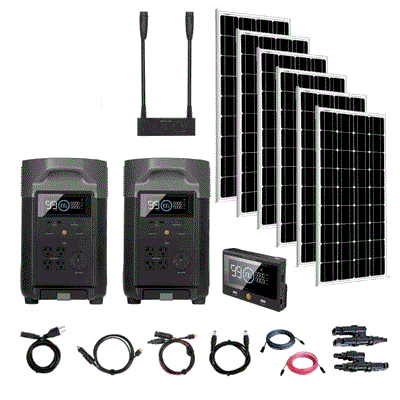
The best solar generator kit is the one sized for the life you need to keep running. For substantial home backup, our clearest complete-kit recommendation is the EcoFlow DELTA Pro 10.8kWh system with two extra batteries and 1,200 watts of solar. Camping, off-grid living, and lighter emergency loads may call for a smaller system.
Build Your Load List Before Comparing Kits
Start with the appliances and devices that actually matter during an outage. Watts describe power at a given moment, while watt-hours describe energy used over time; one watt-hour equals one watt used for one hour, as this electricity measurement guide explains. Your system must provide enough watt-hours for the desired runtime while keeping continuous and startup demand within the inverter’s limits.
- Write down every refrigerator, light, medical device, fan, computer, pump, or other item you need to operate.
- Record each device’s running wattage and startup wattage from its nameplate or manufacturer specifications.
- Estimate daily energy use by multiplying each device’s running watts by the hours you expect it to operate.
- Add capacity for conversion losses, changing conditions, and loads that may run longer than expected.

A full battery before the outage starts is a plan, not an assumption.
Know Whether You Are Buying a Kit
“Solar generator kit” is a useful shopping term, not a formal technical category. Federal PV system guidance describes the underlying equipment as photovoltaic generation combined with components such as battery storage, charge control, and an inverter that converts DC electricity to AC. In practical terms, a complete kit includes the power station plus the panels and connection equipment needed for its advertised configuration.
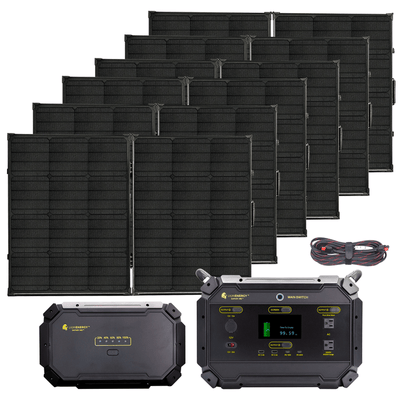
- Standalone stations include models such as the Jackery 2000 V2 and EcoFlow DELTA 3 Classic.
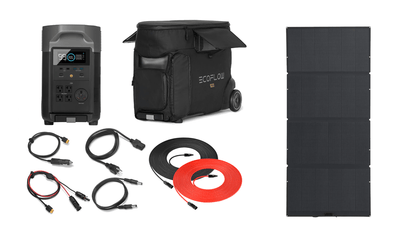
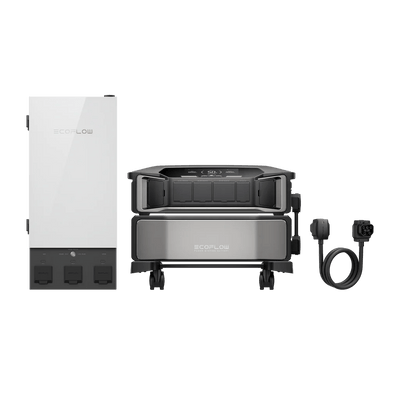
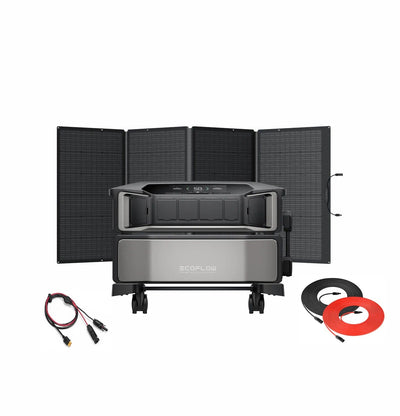
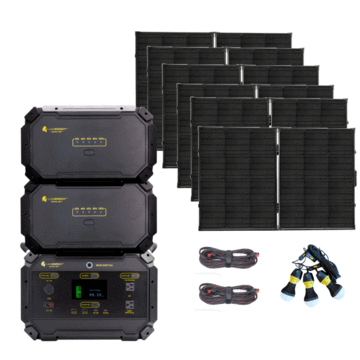
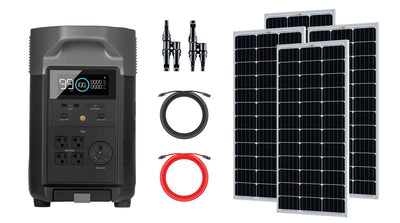
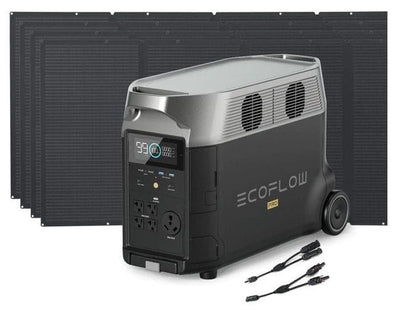
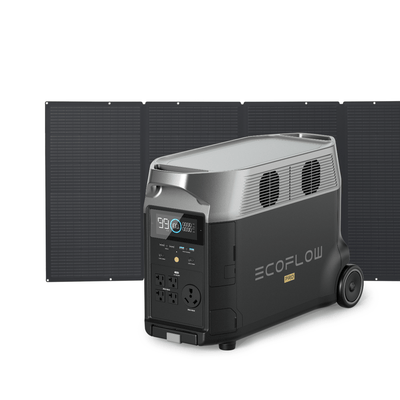
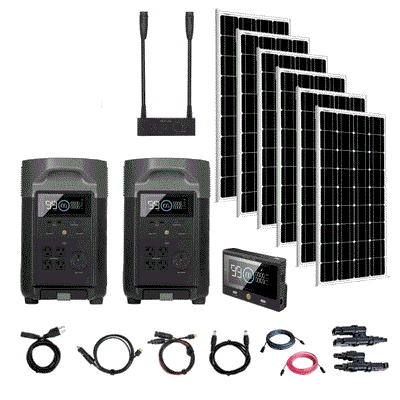
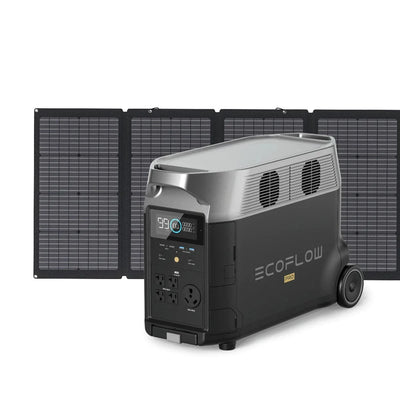
- Our EcoFlow DELTA Pro package adds two extra batteries and three 400W solar panels.
- The Anker F3000 bundle adds an expansion battery, 400W panel, and connection cables.
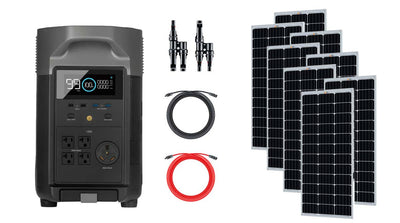
- The Rich Solar kit includes four 100W panels, extension cables, and parallel connectors.
Our Solar Generator Kit Shortlist
Not every buyer needs whole-home scale. We recommend these systems by practical setting rather than pretending one model wins every situation. Readers focused specifically on extended blackouts can also compare our best solar generator for power outage guidance.
| System | Best starting point for |
|---|---|
| Anker SOLIX F3800 Plus | Whole-home backup with 120V/240V output and expansion to 53.8kWh |
| Nature’s Generator Powerhouse Platinum Plus WE | Emergency or off-grid power with wind capability |
| Ecoflow Delta Pro Ultra | Modular systems that scale as your backup needs grow |
| Anker SOLIX F3000 | 120V essential circuits, pairs with a second unit for 240V |
| Jackery HomePower 3600 Plus | Rolling home backup that expands to 21kWh |
| Anker s2000 | Camping, remote work, and essential outage loads |

Compare the Specifications That Change Performance
Compare continuous output, surge output, battery capacity, chemistry, solar-input limits, charging time, weight, warranty, ports, and expansion. For perspective, we list the Jackery HP3600 Plus at 3,600W continuous, 7,200W surge, and 3,584Wh of LiFePO4 capacity. It weighs 77.2 pounds, carries a five-year warranty, and supports expansion up to 21.5kWh. Those details reveal far more than a product name or one headline wattage.
Panel compatibility deserves the same attention. Series connections increase voltage, while parallel connections increase current, so the final array must remain inside the power station’s voltage and current limits. Check connectors, polarity, adapters, and required charge-control equipment before buying. Our best solar panel generator comparison can help when panel performance is the priority.
Match Portability to the Way You Travel
For camping, consider total carrying weight, setup space, panel size, and whether you can move every component without help. A compact station may suit phones, cameras, lights, and a portable refrigerator better than a heavy expandable system. Our best portable solar generator guide concentrates on that balance. RV and remote-cabin buyers should also confirm where panels can receive direct sunlight and how cables will reach the station safely.
Treat Runtime and Solar Estimates Honestly
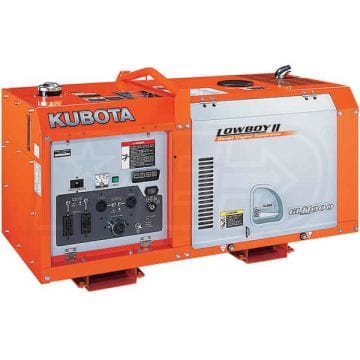
Runtime depends on the load, how frequently appliances cycle, and conversion losses. Solar estimates depend on input limits and actual conditions. Our Anker F3000 recharge estimate assumes full sun and 1,000W of input, while the BLUETTI SP100L’s 100W standardized rating may be closer to 90W under ideal real-world conditions. Shade, panel angle, heat, and clouds can reduce that further. For severe-weather planning, use our best emergency solar generator guidance and consider keeping fuel-based backup available. The best way to prepare for an outage is to have BOTH.
Connect Home Backup the Safe Way
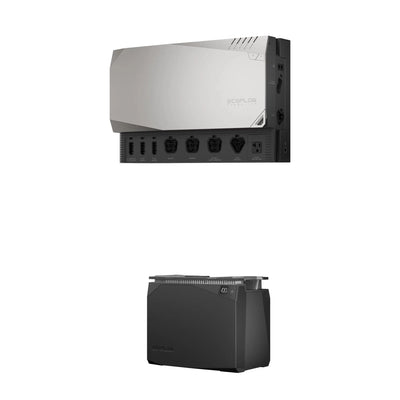
Individual appliances can plug directly into a compatible power station, but powering household circuits is different. Manual transfer equipment and automatic integration products can connect supported systems to selected circuits or broader home loads. Never connect a portable power source to household wiring in a way that can backfeed the utility. Transfer-switch safety guidance explains that transfer equipment must isolate utility and backup power, and installation should be completed by a qualified electrician. Budget separately for wiring, breakers, conduit, permits, and site-specific electrical work when those items are not included.

Choose the System That Fits Your Life
Solar power stations can range from roughly $500 to $10,000 or more, while home-backup kits may reach approximately $3,000 to $20,000 or more before site work. Compare the complete configuration rather than the lowest advertised station price, and watch our black friday deals when timing is flexible. Build the load list, verify every connection, and buy enough battery for the day you need to cover. Embrace the power of the sun and the peace of mind a properly sized system can bring. Thank you for visiting!
Frequently asked questions
What is the best solar generator kit for home backup?
Our clearest complete home-backup recommendation is the EcoFlow DELTA Pro 10.8kWh system with two extra batteries and 1,200 watts of solar. The right choice still depends on your essential loads, desired runtime, available sunlight, and home-integration plans.
How many watt-hours should a solar generator kit have?
Calculate the wattage of each essential device, multiply it by the expected hours of use, and total the results. Add room for inverter losses and unexpected demand. For outage planning, we prefer enough battery capacity to support essential loads for approximately 24 hours before recharging.
Can I connect any solar panel to a portable power station?
No. The panel array’s voltage, current, connector, and polarity must match the power station’s solar-input specifications. You may also need compatible adapters or a charge controller. Never exceed the manufacturer’s stated DC input limits.
Can a solar generator kit connect directly to a home electrical panel?
Only through compatible transfer or home-integration equipment. Transfer equipment must isolate backup power from utility power to prevent backfeeding. A qualified electrician should install transfer switches and complete applicable wiring, breaker, permit, and code work.
← Older Post Newer Post →