 (954) 249-2314
Best Emergency Solar Generator: A Practical Buying Guide
The best emergency solar generator is the one sized for the devices you must run, their startup demand, and the hours you need them. Match those loads to battery capacity, inverter output, recharge options, portability, and a safe connection plan before choosing a model.
Build Your Emergency Load List First
There is no universal winner for a blackout at home, a remote cabin, and a storm-ready travel kit. The U.S. Department of Energy explains that solar battery storage can hold solar electricity and discharge it during an outage without waiting for a fuel delivery. The correct size still depends on your required energy, output, charging routes, and intended loads.
- List every essential device, including refrigerators, lights, phones, fans, computers, medical equipment, and communication gear.
- Calculate watt-hours by multiplying each device’s watts by its expected hours of use, then add the results. Federal photovoltaic guidance recommends measuring actual consumption when possible because nameplate ratings can be higher than normal operating demand.
- Check continuous output against the combined running load, then check surge output, the brief burst available for equipment starting up, against motor-driven appliances.
- Add room for inverter and other conversion losses instead of treating the battery’s advertised capacity as fully usable energy.

Compare the Numbers That Affect an Outage
Capacity in watt-hours tells you how much energy the battery stores. Continuous watts describe the steady load the inverter can deliver, while surge watts matter when refrigerators, pumps, or tools start. Solar input limits how quickly compatible panels can refill the battery, and weight determines whether “portable” means one-person carry or a wheeled system.
| Factor | What to compare | Why it matters |
|---|---|---|
| Battery capacity | Watt-hours and usable energy | Determines approximate runtime |
| Continuous output | Combined running watts | Prevents steady overloads |
| Surge output | Largest startup demand | Supports motors and compressors |
| Solar input | Input limit and panel compatibility | Sets the best-case solar recharge rate |
| Portability | Weight, wheels, and handles | Affects setup and evacuation use |
Runtime is never just one headline number. A smaller load can run longer, while heating equipment and other high-wattage appliances can empty a battery quickly. The more battery power you have, the better, provided the system still fits your budget, available space, and practical setup plan.
The longest-lasting generator is the one that fits your actual load, connection plan, and maintenance reality.
Match the System to the Situation
Not every buyer needs whole-home scale. At All Pro Generators, we offer compact portable stations for small devices, systems for essential appliances, and expandable configurations for larger home and off-grid loads. Start with the job, then compare the products built for it.
- Small devices and lightweight travel: We position the Jackery Explorer 500 V2 for phones, electronics, and portable use. Compare this class in our best portable solar generator guide.
- Essential-appliance backup: The Anker SOLIX S2000 and C1000 Gen2 suit buyers planning portable support for selected essentials. Our best solar generator for power outage guide explores that use case.
- Stronger appliance support: We position the Jackery Explorer 1500 V2 above compact-device duty for readers with more demanding appliance loads.
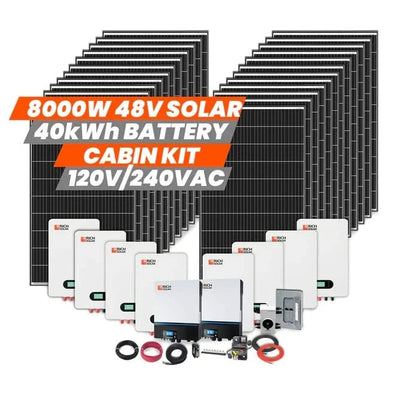
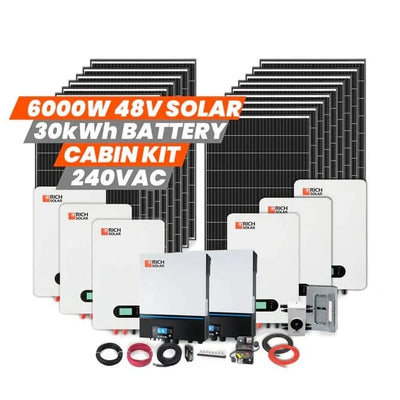
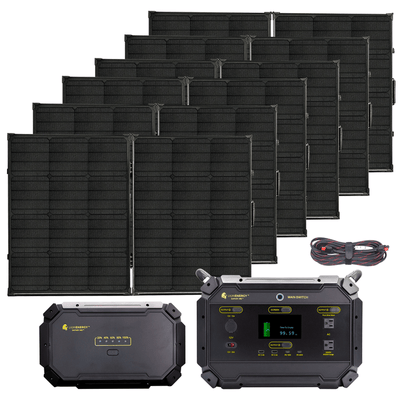
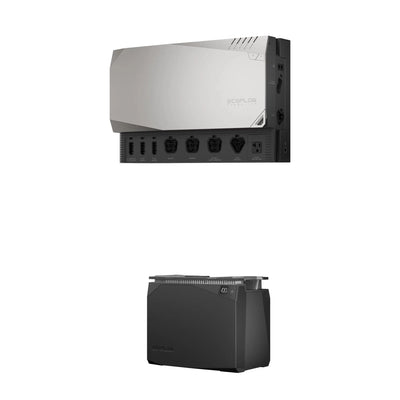
- Larger backup: Anker SOLIX E10 configurations are intended for whole-home and off-grid applications. Begin with our best large solar generator comparison before committing to that scale.
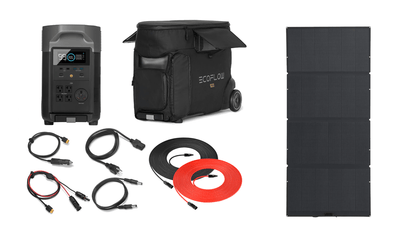
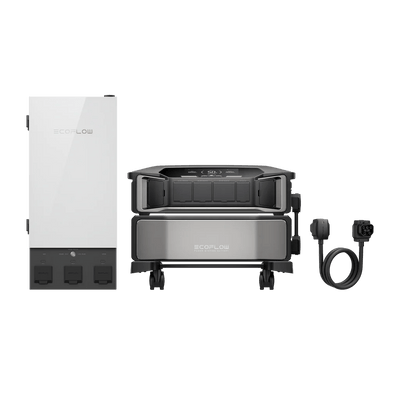
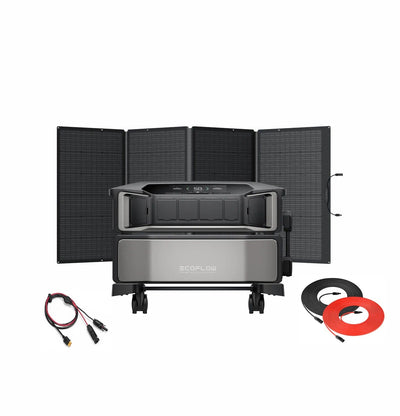
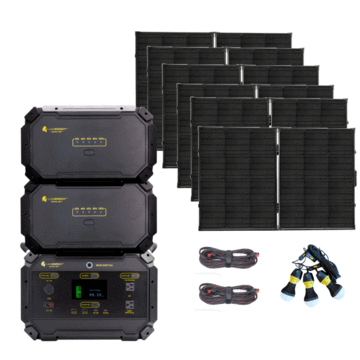
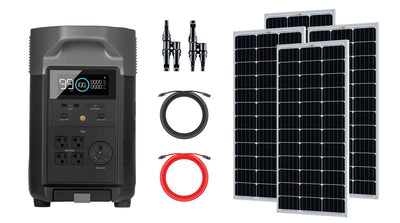
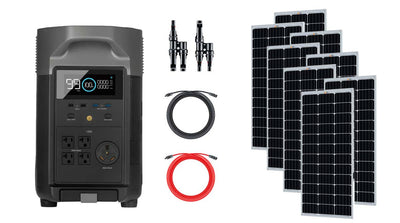
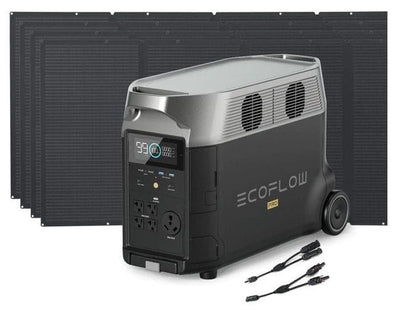
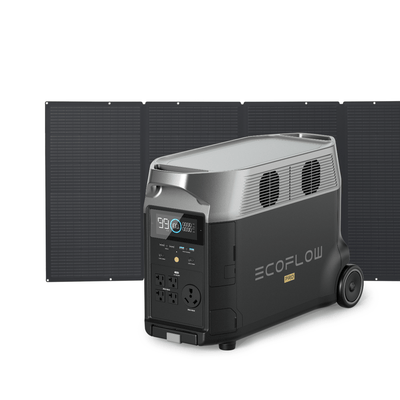
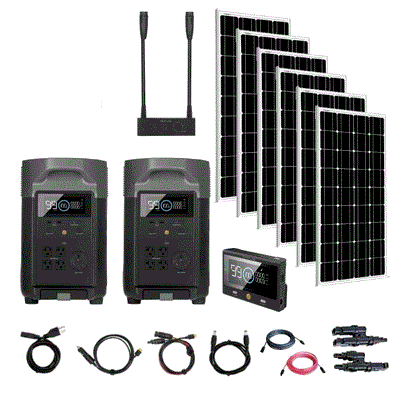
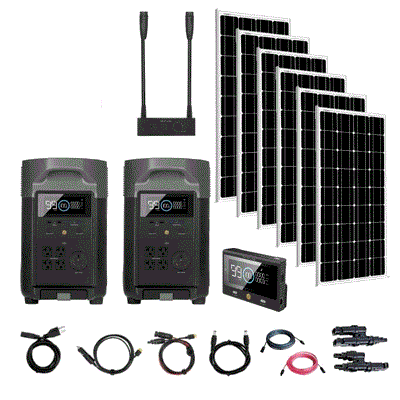
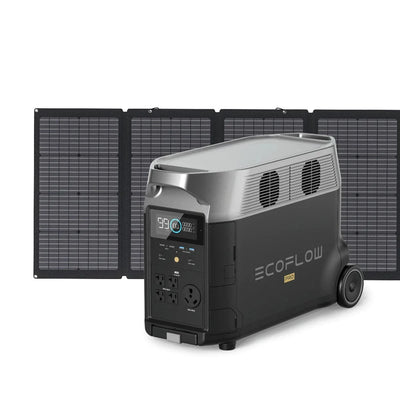
For another expandable solar package, review the ecoflow delta pro ultra 400w solar panels configuration and compare it with your completed load list.

Plan More Than One Charging Route
Check the documented AC, solar, and vehicle-charging methods for the model you are considering. We document capacity, output, solar-input limits, charging methods, and panel compatibility across systems including the Jackery Explorer 1500 V2, Anker SOLIX S2000, EcoFlow DELTA 3 Max, Nature’s Generator Elite, Lion Energy Safari+2 XPs, OSCAL PowerMax 3600, and EcoFlow RIVER 2 Pro. Our best solar panel generator guide can help with the panel side of the decision.
Treat solar recharge times as best-case planning figures, not promises. Available sunlight, shade, panel orientation, season, panel configuration, and the unit’s input ceiling all affect charging. The honest trade-off appears during a long storm with heavy cloud cover, exactly when daily recharging matters most.

Make the Household Connection Safe
A portable power station must never be connected to household wiring in a way that can backfeed utility lines. Official generator connection guidance warns that backfeeding an electrical panel without proper transfer equipment is dangerous. Supplying household circuits requires a suitable transfer switch or approved interlock installed by a qualified electrician according to local code.
- Keep the power station isolated from household wiring unless an approved connection system is installed.
- Have a qualified electrician select and install the required transfer equipment.
- Test the completed backup plan before an emergency places the system under pressure.
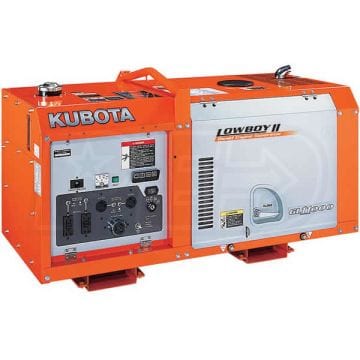
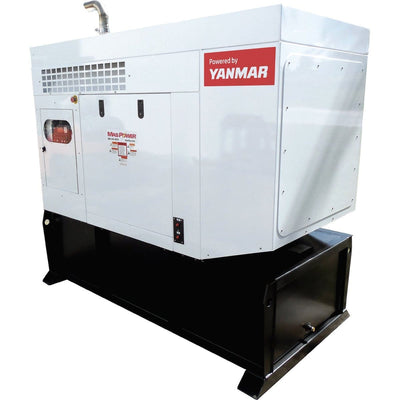
Look beyond the purchase-day specifications as well. We provide ownership details covering warranty, availability, service, expansion, storage, installation, and shipping across selected portable, expandable, and conventional generator systems. Review the current documentation for the exact configuration you plan to buy.
Build a Backup Plan You Can Use
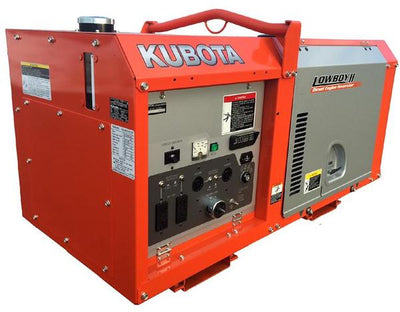
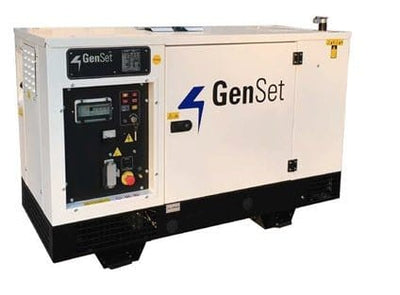
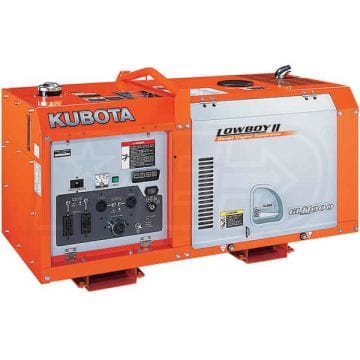
The best generator is the one that arrives, gets set up, and gets tested before you need it under pressure. For severe, multi-day outages, keep both: a fuel-powered fallback and a solar reserve for the essentials. Power should meet you where you are, at home, off-grid, or out under open skies. Thank you for visiting!
Frequently asked questions
What size emergency solar generator do I need?
Add the watt-hours required by every essential device, allow for conversion losses, and confirm that the inverter can support both continuous and startup loads. Choose additional capacity if you expect longer outages or limited solar charging.
Can an emergency solar generator run a refrigerator?
It can if its continuous output supports the refrigerator’s running wattage, its surge output handles startup demand, and its battery has enough usable capacity for the required runtime.
How long does it take to recharge a portable solar generator?
Recharge time depends on battery capacity, the unit’s solar-input limit, connected panel wattage, sunlight, shading, panel orientation, season, and whether AC or vehicle charging is also available.
Can I connect a solar generator to my home electrical panel?
Only through suitable transfer equipment installed according to local code. A portable power station must never be connected in a way that could backfeed utility lines; have a qualified electrician design and install the connection.
← Older Post Newer Post →