 (954) 249-2314
Longest Lasting Solar Generator: How to Choose One
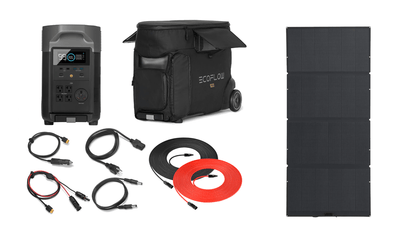
The longest lasting solar generator is not decided by one specification. Among the options we document, the EcoFlow Delta Pro reaches 6,500 cycles, while the Anker SOLIX S2000 and Jackery Explorer 1500 V2 reach up to 6,000 cycles under different capacity thresholds. Your actual loads, charging conditions, and connection plan still determine the strongest choice.
What Are the Most Long-Lasting Solar Generators?
There is no single authoritative longevity ranking. A useful comparison must consider cycle life, retained capacity, usable energy, power output, and operating conditions. The DOE storage overview distinguishes energy capacity from power capacity and identifies portable units as smaller-scale solar-and-storage applications. Capacity tells you how much energy is stored; power tells you what the unit can run at one time.
| Model | Published cycle figure | Stated threshold |
|---|---|---|
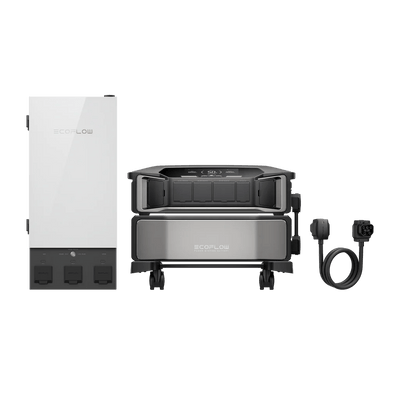
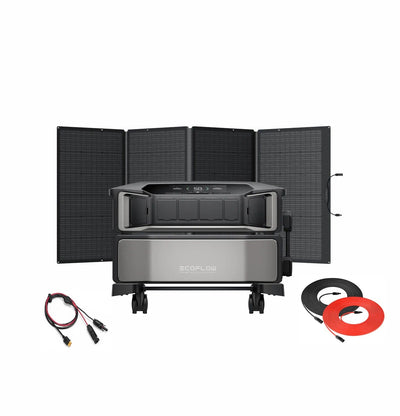
| EcoFlow Delta Pro | 6,500 cycles | Not stated in our comparison record |
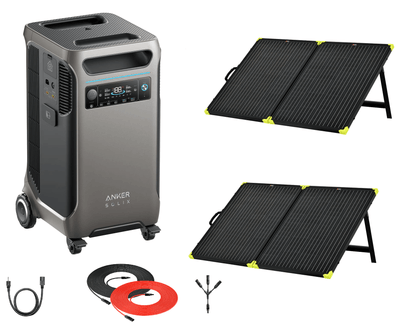
| Anker SOLIX S2000 | 6,000 cycles | 80% capacity |
| Jackery Explorer 1500 V2 | Up to 6,000 cycles | 70% capacity |
| EcoFlow RIVER 2 Pro | 3,000 cycles | 80% or more capacity |
| Lion Safari XP | 2,500-plus cycles | Full depth of discharge |
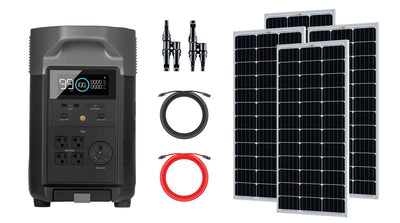
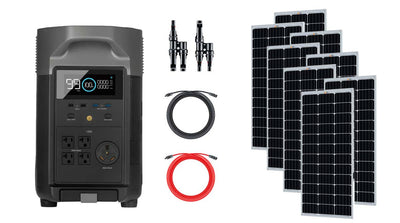
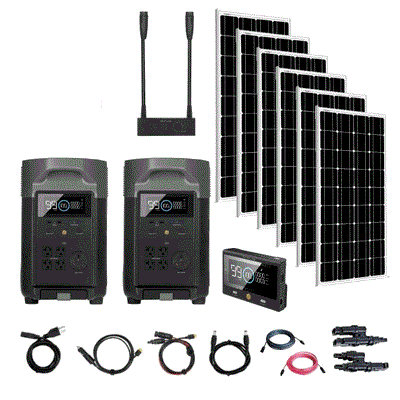
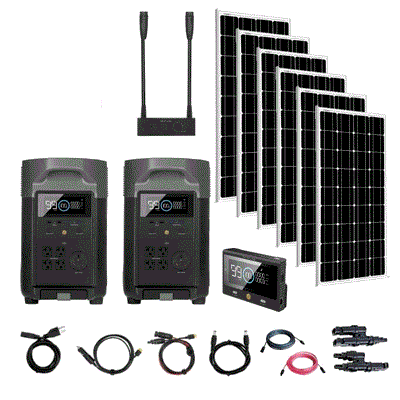
These are documented figures, not a uniform laboratory ranking. An Anker rating to 80% capacity is not directly comparable with a Jackery rating to 70%. Readers focused on construction and field life should also compare which solar generators are the most durable. You can then review complete solar panel generators rather than treating a battery alone as the entire system.

How to Read a Cycle-Life Rating
Cycle life is the number of charge-and-discharge cycles completed before a battery reaches a specified performance threshold. Depth of discharge means the percentage of stored energy removed during each cycle. The battery cycle-life definition ties cycle count to a specified depth of discharge and performance criterion. End of life commonly means capacity has declined to about 80% of its original level, although another threshold may be specified.
Battery chemistry matters too. The DOE chemistry comparison rates lithium iron phosphate, commonly shortened to LiFePO4 or LFP, as having high cycle life and very good safety with lower energy density. That trade-off often means more weight for a given capacity, but strong long-term cycling potential.
- Cycle count and the retained-capacity threshold attached to it
- Depth of discharge used during testing
- Warranty length, service access, and replacement-battery availability
- Battery chemistry and the unit's expected operating environment
The longest-lasting generator is the one that fits your actual load, connection plan, and maintenance reality.
Estimate Runtime Before Comparing Output
We publish battery capacity, continuous output, surge output, and solar-input limits for multiple models, but we do not have uniform inverter-efficiency figures or runtime test conditions across every unit. Runtime numbers mean little without knowing the connected load and test conditions. A larger battery may run essentials longer, while the most powerful solar generator may be the better fit for high startup demands.
- Build your load list from every device that must operate during the same period.
- Verify the continuous and surge ratings against the largest motor-driven startup load.
- Estimate ideal runtime by dividing usable watt-hours by the combined running watts.
- Compare recharge time using solar-input limits that match your panels and expected sunlight.
A high solar-input spec assumes ideal conditions. Panel angle, shade, clouds, and limited daylight can slow recharging, so maximum input should never be treated as guaranteed daily energy. The honest trade-off appears during multi-day storm outages, when heavy cloud cover can restrict solar production exactly when stored power matters most.

Match Longevity to Where You Need Power
Home backup
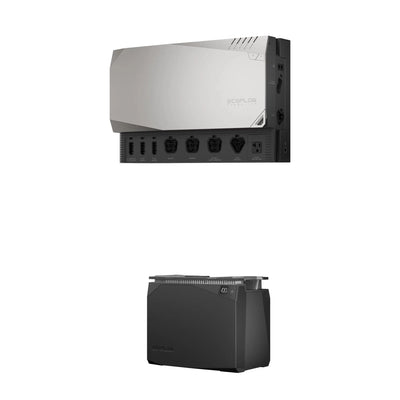
Prioritize refrigeration, communications, medical equipment, lights, and heating controls before adding high-draw appliances. Not every buyer needs whole-home scale. If several large circuits must remain available, compare the best large solar generator and confirm that its output, expansion options, and jackery solar generators fit the load calculation.
Camping and RV travel
Weight, storage space, charging access, and quiet operation can matter more than maximum capacity on the road. Our solar rv generators cover mobile setups where a manageable unit that gets used regularly is a better investment than oversized capacity left at home.
Remote and commercial work
For communications, tools, mobile service, or remote equipment, compare daily energy demand with recharge opportunity. Higher-capacity commercial solar generators make sense only when their output and stored energy match the work being performed.
Connect the Unit Safely and Manage the Load
Battery solar generators produce no exhaust fumes or carbon monoxide, so they are suitable for indoor use. Appliances can connect directly when their combined running and startup demands remain within the unit's ratings. Household-circuit or electrical-panel connections are different: we require a properly rated transfer switch or listed panel interlock installed by a qualified electrician. Never connect a portable generator to a wall outlet.
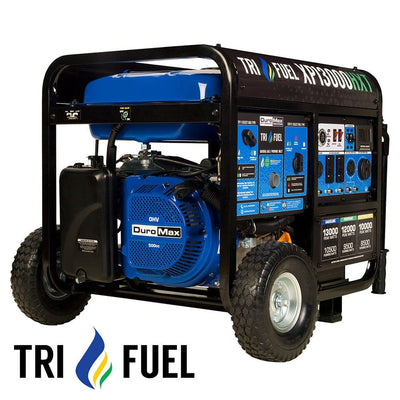
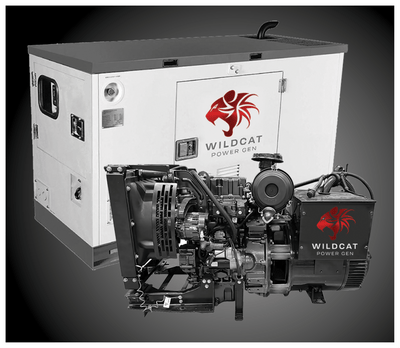
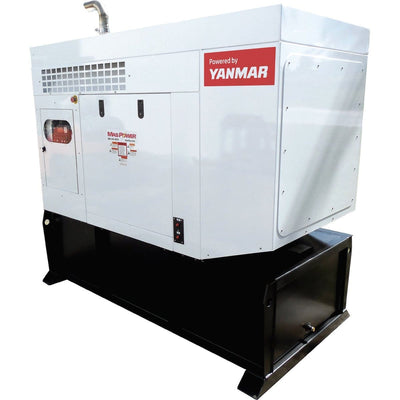
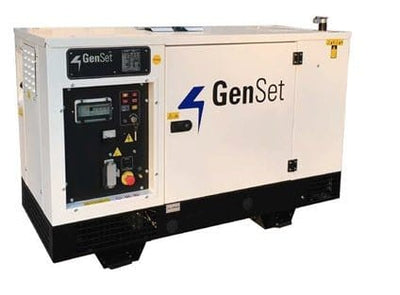
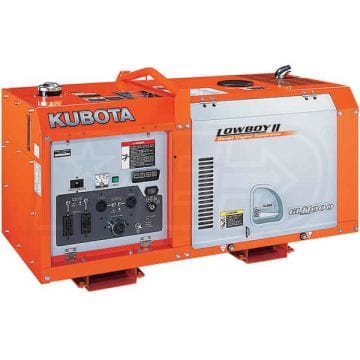
For extended outages, the best way to prepare is to have BOTH. A battery solar generator can cover quiet indoor essentials, while a gasoline or propane unit supplies heavier loads outdoors when sunlight is limited. Our guide to two-fuel backup options explains that side of the plan. This hybrid approach is also worth considering when choosing the best emergency solar generator.

Make the Final Choice Before the Storm
Choose the capacity and output that cover your real load list, then compare cycle thresholds, solar recharge limits, warranty support, and connection requirements. Order early enough to inspect the equipment, charge it fully, connect the panels, and test every essential load. The best generator is the one that arrives, gets set up, and gets tested before you need it under pressure.
Prepare while the skies are clear, and your solar generator will be ready for the outage, campsite, or remote job ahead. Thank you for visiting!
Frequently asked questions
Which solar generator has the longest battery life?
Among the options we document, the EcoFlow Delta Pro is rated at 6,500 cycles, while the Anker SOLIX S2000 and Jackery Explorer 1500 V2 are rated for up to 6,000 cycles. Their retained-capacity thresholds and test conditions differ, so the figures are not directly interchangeable.
What does a solar generator cycle rating mean?
A cycle measures battery use against a specified depth of discharge. The rating indicates how many cycles the battery can complete before reaching a defined performance or retained-capacity threshold.
Can a battery solar generator be used indoors?
Yes. Battery solar generators produce no exhaust fumes or carbon monoxide and are suitable for indoor use. Fuel-powered generators must remain outdoors and safely away from doors, windows, and vents.
Can a long-lasting solar generator power a house?
It can power selected household loads when its continuous output, surge rating, and battery capacity are sufficient. A qualified electrician must install a properly rated transfer switch or listed panel interlock before connecting a portable unit to household circuits.
← Older Post Newer Post →