 (954) 249-2314
Best 4000 Watt Solar Generator for Home Backup
During a long outage, the best 4,000-watt solar generator is one that is going to give you clean, quiet power for your critical household circuits. At this output, you can run a full-size refrigerator, a deep freezer, a microwave, and your internet equipment at the same time. We recommend this size if you want serious backup but don't want to maintain a fuel-burning engine..
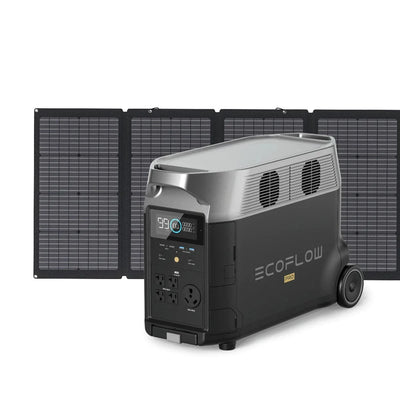
Our picks for this size sit right around 4,000 watts. With the EcoFlow DELTA Pro, you get 3,600 watts and can reach 4,500 watts using X-Boost, while the Anker F3000 gives you 3,600 watts with a 6,000-watt surge. To choose between the two, compare your continuous load with how many watt-hours each one stores and how quickly your panels can refill each battery.
What a 4,000-Watt Solar Generator Can Power
The more output you have, the more motors you can start at once. On a smaller system, you'll trip the inverter when several compressors or pumps switch on together. At 4,000 continuous watts, you've got room for your refrigerator and deep freezer to cycle on while your other loads keep running.
Make sure that you check the surge rating, too. Sump pumps and well pumps draw a burst of current when they start, and with the Anker F3000, you can handle surges of up to 6,000 watts.
Does your well pump run on 240 volts? Then you'll need a system with 240-volt output, because you can't run 240-volt appliances without it. With the EcoFlow DELTA Pro, you can get there by linking two units through the EcoFlow Double Voltage Hub, which gives you 240 volts and 7,200 watts.

Our Picks Around 4,000 Watts
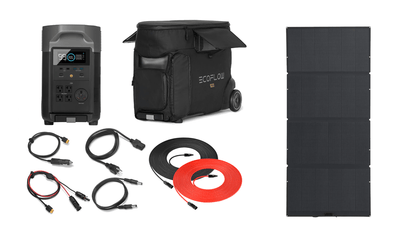
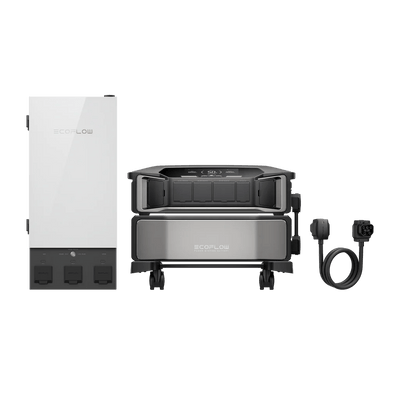
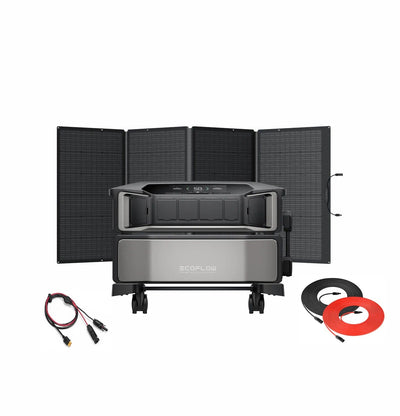
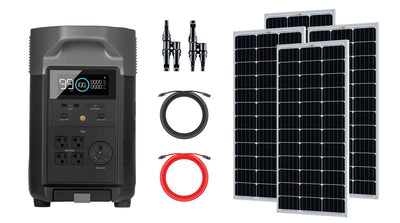
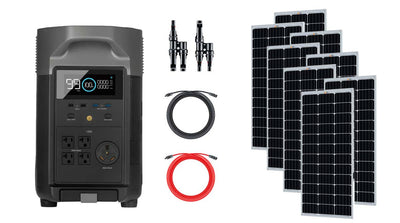
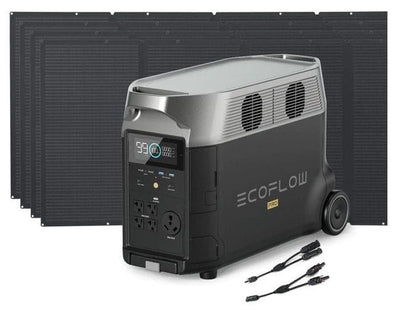
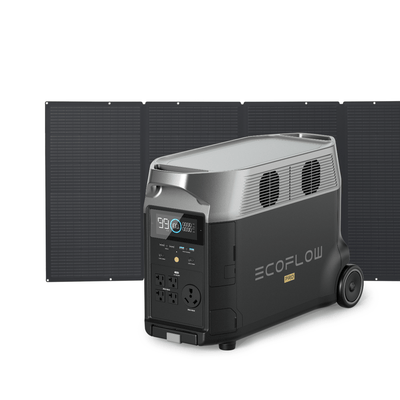
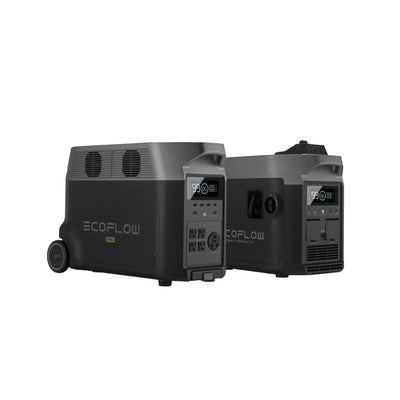
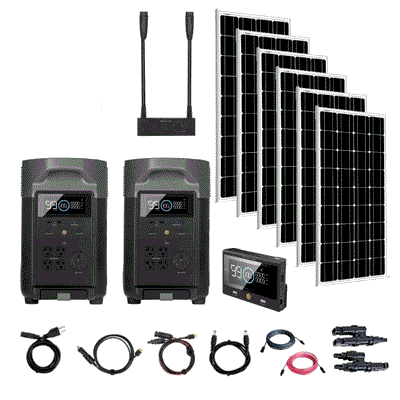
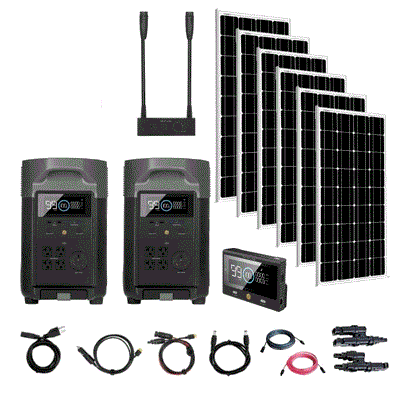
Our first pick, the EcoFlow DELTA Pro, runs 3,600 watts at 120 volts from a 3,600Wh battery. Using EcoFlow's X-Boost feature, you can reach 4,500 watts, and you can expand the storage to 25kWh by adding batteries.
If surge capacity matters most to you, look at the Anker F3000. You get 3,600 watts with a 6,000-watt surge, and its 3,072Wh LiFePO4 battery is rated for 3,000 cycles before it drops to 80 percent capacity.
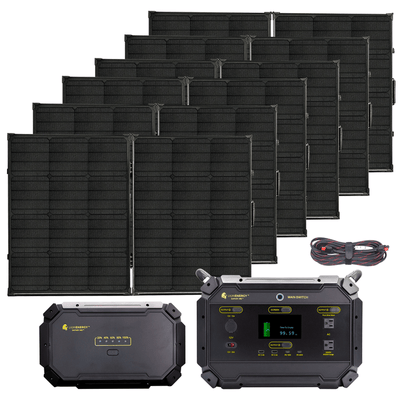
Once your loads run well past 4,000 watts, you'll want the Anker SOLIX F3800, which gives you 6,000 watts at 120V and 240V and expands to 26.9kWh. And for a permanent whole-home setup, take a look at the Nature's Generator MyGrid 10K, which is designed to be installed with rigid solar panels.
Balancing Inverter Output and Usable Battery Capacity
You can run as many appliances at once as the inverter wattage allows, and you can keep them running for as long as the battery capacity, measured in watt-hours, holds out. For a fuller explanation, see the Department of Energy's solar and storage basics. Put a continuous 2,000-watt load on a 2,000-watt-hour battery, and you'll drain it in under an hour once you count the inverter losses.
Aim for at least 4,000 to 6,000 watt-hours of battery with a 4,000-watt inverter. For long storm outages, choose a system that you can expand with extra batteries. Lithium iron phosphate (LFP) batteries, which you'll find in units like the Anker F3000, can handle thousands of charge cycles.
Chemistry also affects how deeply you can drain the battery. Drain an older lead-acid bank past 50 percent, and it'll wear out quickly. You can discharge an LFP battery much more deeply without that rapid wear, so you get to use more of its rated capacity.
When a storm knocks out the power for days, an undersized battery will leave you rationing every watt. With extra batteries, though, you can keep your essentials running overnight, when your panels aren't producing anything.

Solar Panel Sizing and Daily Replenishment
Your 4,000 watts come from the battery, not straight from the panels. The solar array's job is to refill that battery, so if your panels can't replace what you use each day, you'll eventually run the battery empty.
For a system in this class, plan on 1,200 to 2,400 watts of solar panels, and make sure that you stay within the unit's solar input limit. Most regions get four to five peak sun hours on clear days, so with a 2,000-watt array, you can produce about 8,000 watt-hours in good conditions. That's enough to cover a day of essentials and refill the battery before sunset.
Before you wire the panels, check the maximum open-circuit voltage and current on the solar charge controller. As long as you stay inside that window, you won't damage the unit.
Safe Indoor Operation and Transfer Switch Connections
Since a solar generator produces no exhaust, you can run it indoors, as long as you follow the manual's ventilation, clearance, and temperature limits. Try to keep the battery in a dry utility room or garage.
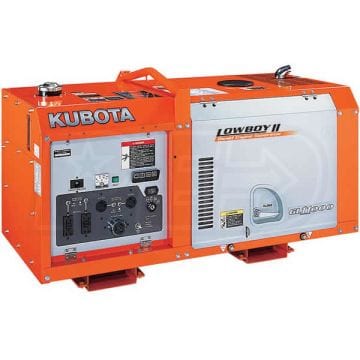
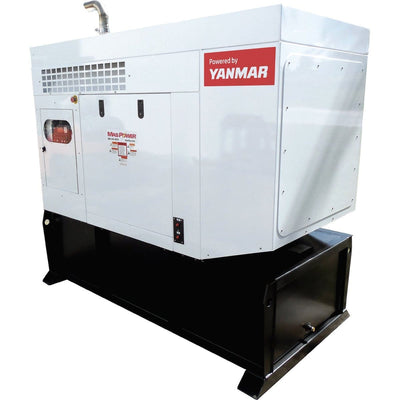
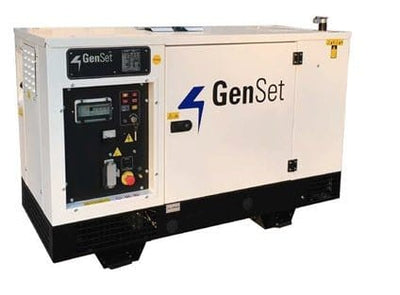
You have to be much more careful with a gas generator. Its exhaust contains carbon monoxide, so you need to run it outdoors, at least 20 feet from your home, with the exhaust pointed away from windows and doors.
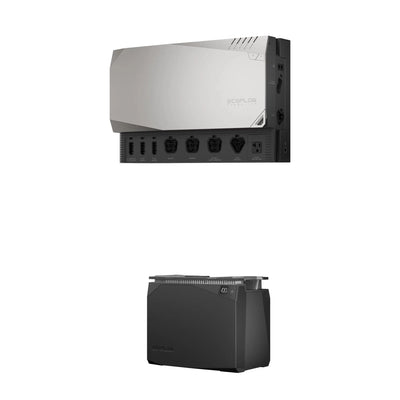
Do you want to power your household circuits? Then have a qualified electrician install a manual transfer switch and an inlet box. The switch is there for safety, too, because it keeps power from flowing back into the utility lines (backfeeding), which could endanger line workers. EcoFlow owners can use a Smart Home Panel to connect their system to selected circuits instead. Either way, you'll be able to run your lighting, refrigeration, and pump circuits without stringing extension cords across your living room.

Comparing Sizing Options for Your Property
Choose your size based on your load list and how often you'll move the unit. You'll find units for electronics and camping in our guide to 1,000-watt solar generators. If you only need a refrigerator, a microwave, or power tools one at a time, read our guide to 2,000-watt solar generators.
When you need to run a couple of essentials at once, like a refrigerator and a sump pump, check out our guide to 3,000-watt solar generators. And for well pumps, electric water heaters, central air, and other 240-volt loads, head to our guide to 5,000-watt solar generators.
Whichever size you choose, list your appliances' starting wattages before you settle on a setup. Check the labels, work out where your panels will go, and then pick the configuration that covers your household's essentials. If you'd like a hand with the numbers, our team at All Pro Generators is happy to help.
Frequently asked questions
Does a 4,000-watt inverter guarantee 4,000 watts at every outlet?
No. The output you get can vary by outlet, voltage, battery charge, and operating mode, so check the continuous and surge ratings for the specific ports you plan to use.
Can I connect two systems to increase output?
Yes, but only when the manufacturer supports it, as EcoFlow does when you link two DELTA Pro units with a Double Voltage Hub. Keep in mind that extra batteries give you more runtime, not more inverter output, and always stick to the approved connection method.
How should I estimate overnight runtime?
Multiply each device's watts by the hours you'll use it, add up everything that runs together, and then allow for inverter losses and a reserve. Your runtime will also change with the battery's condition and the temperature.
Can a 4,000-watt solar generator start central air conditioning?
It can, but only if its starting surge, voltage, and continuous output match the air conditioner's nameplate requirements. Before you rely on it, have an electrician review the connection.
← Older Post Newer Post →