 (954) 249-2314
Best Portable Solar Generator: A Practical Buying Guide
The best portable solar generator is the one that can start your real loads, store enough energy for the hours you need, and recharge in your actual weather, not one universal model. Battery systems have separate energy capacity, meaning how much they store, and power capacity, meaning how much they release at once; conversion losses and changing solar conditions also affect performance, as the Department of Energy explains in its solar and storage guidance.
What Is the Best Portable Solar Generator?
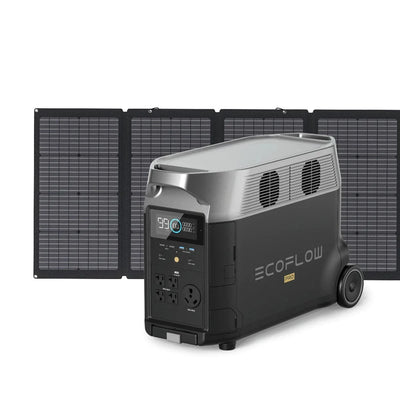
At All Pro Generators, we’ve watched buyers focus on brand names when the load list is really what drives the decision. We offer models such as the EcoFlow RIVER 2 Pro, Delta Pro, and other battery power stations for portable, emergency, off-grid, and home-backup use. Not every buyer needs whole-home scale.
The best solar portable generator for regular travel may be compact, while the best portable solar power generator for a blackout may be heavier because capacity matters more. Is the best solar generator portable enough for the person who must load it, place it, and store it? That practical question can eliminate the wrong class immediately.
For camping, the best solar powered portable generator keeps the load list modest and transport manageable. For outages, the best portable solar powered generator may trade easy lifting for longer coverage. The best portable power station solar generator is therefore matched to a specific job, not selected because it has the largest number on every specification line.
The Best Portable Solar Generators by Use Case
The best portable solar power generators separate into clear capacity and output tiers. We compare battery capacity, continuous output, startup surge, the brief extra power motors can demand, solar-input limits, voltage, portability, and expandability before matching a model to the load list.
| Use case | Current starting point | Published capability |
|---|---|---|
| Best small solar generator | EcoFlow RIVER 2 Pro | Portable, emergency, and off-grid duty for modest loads |
| Moderate 120V backup | EcoFlow Delta 2 Max | 2,048Wh capacity, 2,400W output, and 1,000W solar input |
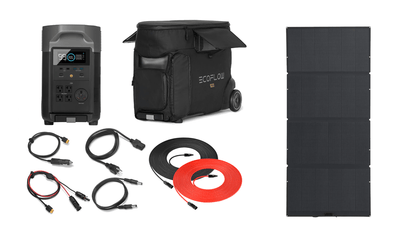
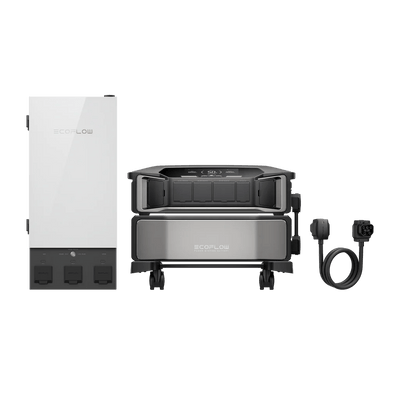
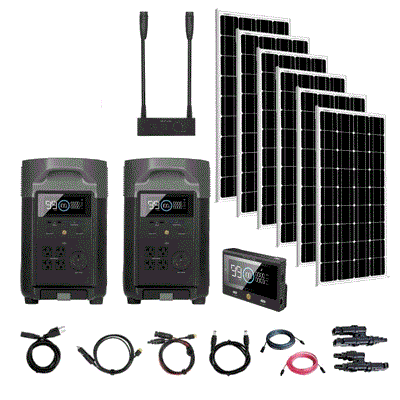
| Expandable portable backup | EcoFlow Delta Pro | Starts at 3.6kWh and 3,600W; expands through its ecosystem |
| Higher-demand 120/240V use | ecoflow delta pro 3 | 4,000W output with dual 120V/240V capability |

What makes the best solar power station portable in practice is whether you can move and place it where it will be used. The best portable solar power station for travel may be a RIVER 2 Pro; the best solar portable power station for larger loads may begin with Delta Pro. The best portable solar power stations do not belong in one weight or capacity class.
Headline specifications matter less than what the system can reliably do when your power is out.
Best Solar Panels for Portable Power Station Charging
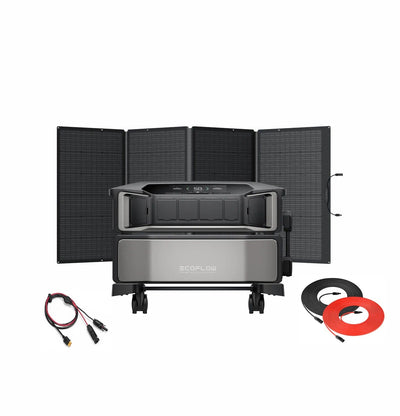
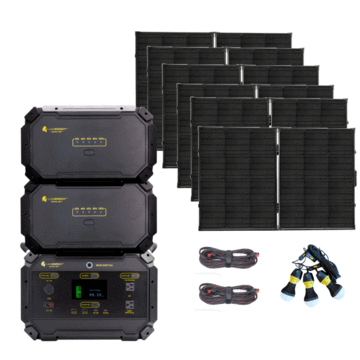
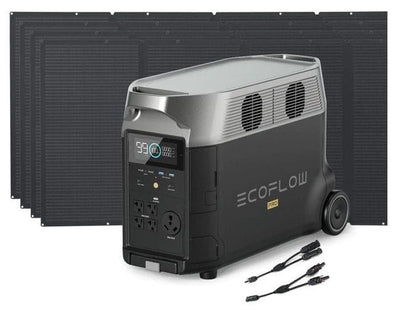
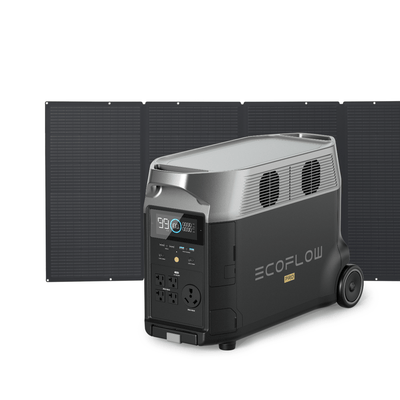
The best portable power station with solar panel included is not automatically the best value. The panel must match the station’s input voltage, current, wattage, and connector. The best portable power station with solar panels also needs a configuration that stays inside those electrical limits, while the best portable power station with solar needs enough panel capacity for realistic weather rather than ideal laboratory sunlight.
- Check the solar-input window. Panel open-circuit voltage, current, and combined wattage must remain within the power station’s documented limits.
- Confirm the connector and supported configuration. Adapters, series wiring, parallel wiring, and charging accessories must match the model guidance.
- Plan for imperfect sunlight. Clouds, shade, panel orientation, dirt, and storm conditions can slow charging below the published maximum.

For a panel-first comparison, our best solar panel generator guide narrows the choices around charging hardware and intended use.
Size Output and Capacity Around Real Loads
Capacity cannot compensate for insufficient output, and high output does not guarantee long runtime. Our matching process considers both, along with voltage and recharge options. If storm readiness is the main job, use our best emergency solar generator comparison to focus on essential-load coverage.
- Running load: the combined power required while selected devices operate.
- Startup demand: the highest motor or compressor surge in the load list.
- Voltage: 120V for common plug-in loads or 240V where equipment requires it.
- Outage duration: the expected operating time before solar, wall, or generator charging becomes available.
A refrigerator, router, lights, and CPAP create a different requirement from a well pump or air conditioner. The honest choice begins with those loads and the hours they must run.
Battery Safety, Durability, and Home Integration
Lithium batteries require protection from short circuits, physical damage, improper charging, and unsuitable transport packaging. Incidents can occur during use, charging, or storage, according to the CPSC’s battery safety information. Our product guidance states operating and storage temperatures, transport precautions, battery-care intervals, protection features, charging requirements, and water-exposure restrictions for each applicable system.
Battery chemistry and cycle ratings matter for repeated use, but housing, protection systems, storage, and service matter too. Our guide to which solar generators are the most durable examines that longer ownership question.
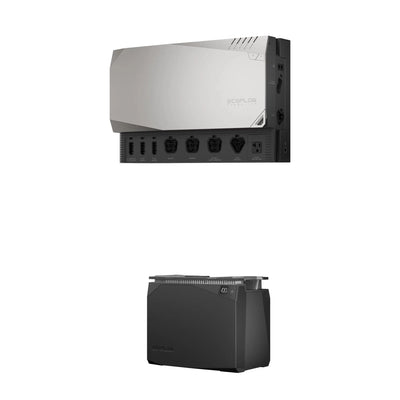
Plugging appliances directly into a power station is different from supplying a building’s circuits. Equipment connected to building wiring needs a properly installed transfer switch or another approved isolation method because direct connection can create dangerous backfeed, as explained in OSHA’s portable generator safety guidance. We support selected systems through equipment such as transfer switches, the EcoFlow Smart Home Panel, Anker SOLIX Power Dock, and Smart Inlet Box, with qualified installation for applicable wiring, permitting, and code work. Our best solar generator for power outage guide covers that use case in more depth.

Make the Final Choice
- Write down every critical device. Include its running wattage, startup demand, voltage, and expected daily operating time.
- Eliminate systems that cannot meet the required output or voltage. Capacity cannot fix an inverter that will not start the load.
- Choose enough battery capacity for the expected operating window. Allow room for conversion losses and loads that cycle unpredictably.
- Verify the complete recharge and installation plan. Panel compatibility, wall charging, accessories, storage, and professional electrical work all belong in the purchase decision.
The right generator is the one that fits your real loads, your weather, and the way you plan to use it. Our USA-based specialists can compare that list with current portable, off-grid, emergency, and home-backup options before you order.
Frequently asked questions
How much capacity does a portable solar generator need?
Capacity depends on the devices you need to run and the required runtime. Add their running loads, account for high-startup appliances, and choose enough stored energy for the expected outage or trip.
Can a portable solar generator run a refrigerator?
Yes, if its continuous and surge output can handle the refrigerator and its battery has enough usable capacity. Refrigerator consumption varies, so check the appliance label and allow for inverter losses.
Can I use a portable solar power station indoors?
Battery power stations do not produce combustion exhaust while operating, but they still require ventilation, dry conditions, approved charging equipment, and compliance with the manufacturer’s temperature and placement instructions.
Do I need a transfer switch for a portable power station?
Not when appliances are plugged directly into the power station. Supplying circuits through a breaker panel requires approved integration equipment and qualified professional installation.
← Older Post Newer Post →