 (954) 249-2314
Best Large Solar Generator for Home Backup in 2026
The best large solar generator is the one that can start your hardest load, store enough energy for the outage, and recharge in the weather you actually get. Our strongest starting points are EcoFlow DELTA Pro Ultra and Ultra X, Jackery 5000 Plus, Nature’s Generator MyGrid 10K, and Anker SOLIX E10.
What makes a solar generator genuinely large
A high capacity solar generator needs both energy and power. Watt-hours measure stored energy; watts measure how much power the inverter can deliver at once. The U.S. Department of Energy similarly distinguishes energy capacity from power capacity. A large capacity solar generator with an impressive battery can still be the wrong choice if its output, voltage, or motor-starting surge cannot support your equipment.
- Continuous output must cover everything expected to run at the same time.
- Surge output must handle the brief startup demand from pumps, refrigerators, air conditioners, and tools.
- Native 120/240V split-phase support is essential when the load list includes common 240V household equipment.
- Solar input, expansion capacity, charging methods, and system weight determine how well the unit fits long outages or mobile use.
Load list first, capacity second.
How our leading large systems compare
These choices cover different levels of home backup rather than one universal winner. Compare the system as it ships today, not only its eventual expansion ceiling, and confirm current specifications for the exact configuration you plan to order.
| Model | Published capacity | Continuous output | 120/240V | Maximum solar input |
|---|---|---|---|---|
| EcoFlow DELTA Pro Ultra | 6,144Wh per unit | 7,200W | Yes | 5,600W per inverter |
| EcoFlow DELTA Pro Ultra X | 12kWh kit | 12,000W | Yes | 10,000W total DC |
| Jackery 5000 Plus | 5,040Wh | 7,200W | Yes | 4,000W |
| Nature’s Generator MyGrid 10K | 10,496Wh | 10,000W | Yes, 208/240V | 12,000W |
| Anker SOLIX E10 | Configuration-dependent | Configuration-dependent | Confirm configuration | Configuration-dependent |

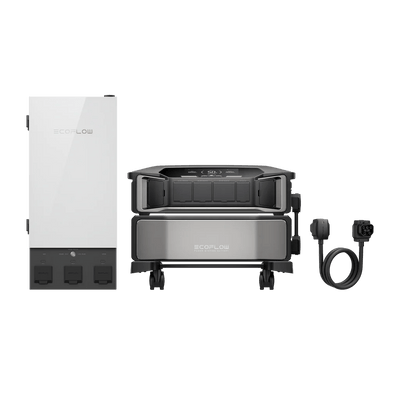
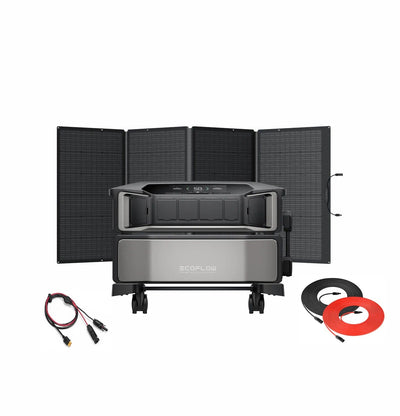
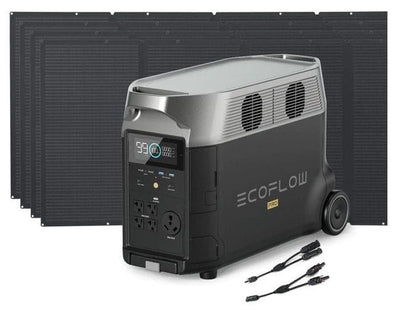
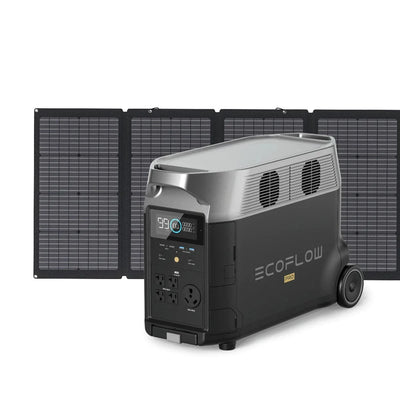
The DELTA Pro Ultra is our balanced starting point for serious expandable home backup, while the Ultra X moves up to 12,000W for heavier demand. MyGrid 10K stands out when solar-input capacity is the priority. Readers focused primarily on peak output can compare the most powerful solar generator options. Jackery 5000 Plus combines native 240V support with expansion to 60kWh; our jackery solar generators collection shows the available configurations.
Match the system to the setting
Not every buyer needs whole-home scale. The Anker SOLIX F3800 Plus pairs 3,840Wh with 6,000W output, 120/240V capability, and expansion for essential circuits such as refrigeration, a sump pump, lights, and medical equipment. If easy movement matters more than panel backup, compare our best portable solar generator choices instead. Travelers can narrow the field through solar rv generators, while daily worksite and business loads deserve the heavier-duty focus of commercial solar generators.
Plan the panels and charging path
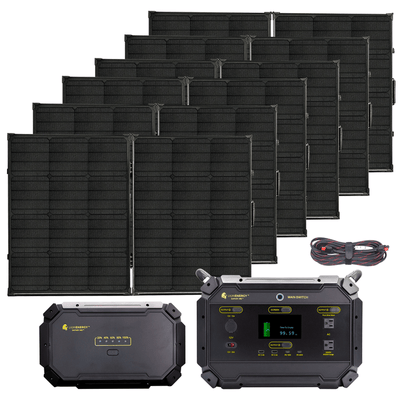
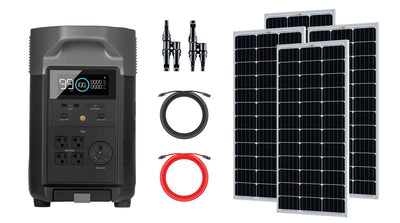
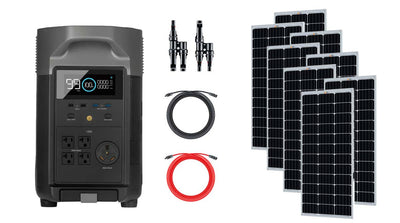
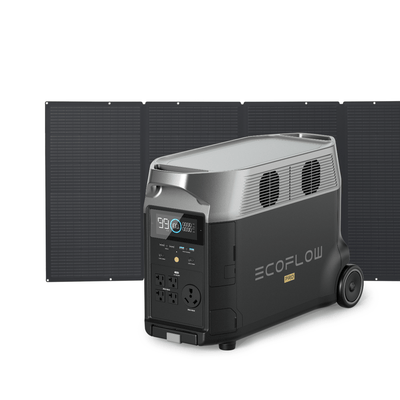
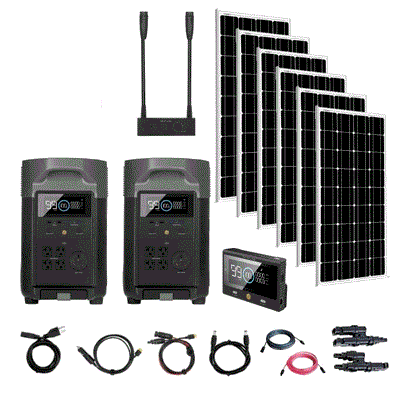
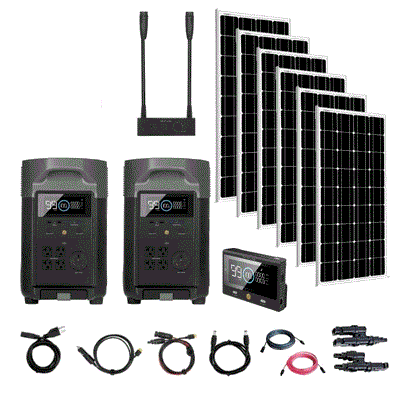
A high solar-input spec assumes ideal conditions. Panel wattage, voltage, current, connectors, cable length, shading, and weather all affect real charging. The DELTA Pro Ultra, for example, provides separate high- and low-voltage photovoltaic inputs, but every array still needs to remain within the stated electrical limits. Check which cables and adapters are included and which extensions must be purchased separately. Our solar panel generators provide a practical place to compare systems, while the best solar generator kit guide helps when you prefer a packaged charging setup.

Selected circuits and whole-home backup are different
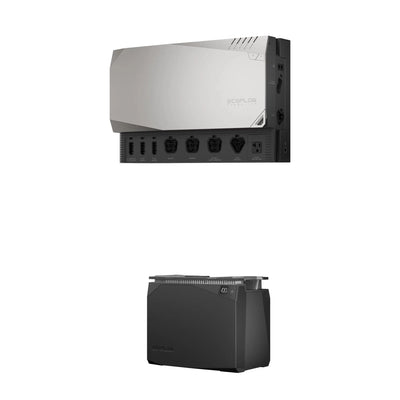
Plugging appliances directly into a generator is different from feeding household circuits. Selected-circuit backup serves a planned group of essentials; whole-home backup requires enough output and storage to manage broader demand. Compatible equipment can include an Anker SOLIX Power Dock or Smart Inlet Box, an EcoFlow Smart Home Panel, or an approved transfer switch, a device that isolates backup power from the utility supply. Feeding a breaker panel without the right equipment is dangerous and can backfeed utility lines. Permits, code compliance, and site-specific electrical work may apply, so panel connections belong with a licensed electrician.

Battery life and ownership still matter
Several large systems carry five-year warranties and use LFP, or lithium iron phosphate, batteries with published multi-thousand-cycle expectations. Warranty length and cycle rating are not the same thing, so confirm coverage for the complete configuration. Keep the equipment dry, protect it from water and impact, follow its operating and storage temperature limits, and inspect cables and connections periodically. Damaged batteries, enclosures, or electrical components require qualified service or replacement rather than a home repair.
Choose from the load list outward
- Build your load list with the running watts, startup watts, and expected operating hours for every essential device.
- Eliminate systems that cannot provide the voltage or surge output required by your hardest load.
- Choose enough initial battery capacity for the expected outage instead of relying entirely on future expansion.
- Verify the complete charging path, including panels, input limits, cables, adapters, and a low-sun fallback.
- Schedule professional panel work early enough to complete permits, installation, charging, and testing before storm season.
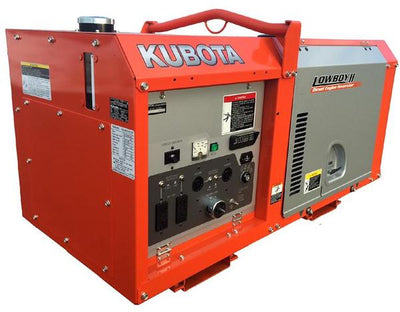
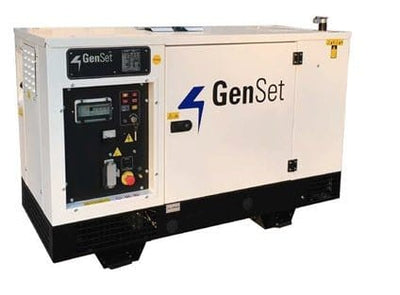
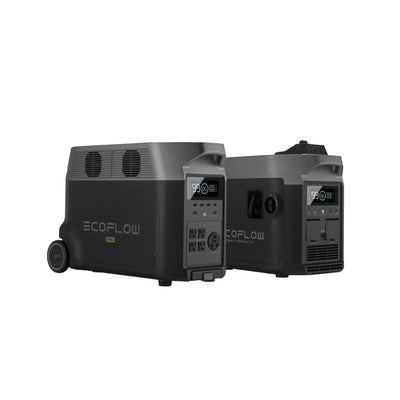
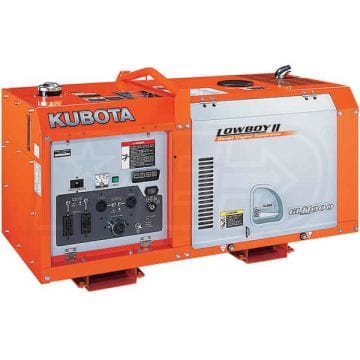
For multi-day outages, the best way to prepare is often to have BOTH: a battery system for quiet power and a fuel generator for backup charging when sunlight falls short. Our best emergency solar generator comparison can help refine that plan. Our USA-based specialists can also match a system to your load list, home configuration, and expected outage. The best system is the one that fits the life you need to keep running. Thank you for visiting!
Frequently asked questions
How much battery capacity does a large solar generator need?
Capacity depends on your loads and expected outage length. Essential-circuit backup often starts around 2,000 to 4,000Wh, while sump pumps, air conditioning, or near-whole-home coverage may require 6,000Wh or more with room to expand.
Can a large solar generator power an entire house?
Yes, if the system has sufficient battery capacity, output, surge headroom, 120/240V support, and compatible home-integration equipment. A licensed electrician should handle panel connections and required transfer equipment.
How long does a large solar generator take to recharge with solar panels?
Charging time depends on battery size, panel wattage, the generator’s solar-input limit, weather, shading, and daylight. Maximum solar-input ratings assume ideal conditions, so plan for slower charging during storms or cloudy weather.
Is a solar generator enough for a multi-day outage?
It can be when loads are modest and recharging conditions are good. Heavy loads and poor sunlight may make a hybrid setup more practical, with the battery supplying quiet power while a fuel generator provides backup charging.
← Older Post Newer Post →