 (954) 249-2314
Most Powerful Solar Generator: A Whole-Home Guide
For home outages, off-grid living, or heavy portable loads, the most powerful solar generator is the system that can reliably start your equipment, run it for the required time, and recharge under your actual conditions, not simply the model with the largest number on its product page.
There is no single measure of power
“Most powerful” is not an official standardized product category. Federal guidance instead describes the separate functions of batteries and inverters, the equipment that changes battery DC electricity into appliance-ready AC electricity, rather than naming an overall winner. Those inverter and storage functions are exactly why one system can lead in output while another leads in runtime or expansion.
Battery power and capacity also vary by chemistry, while cycle life depends on temperature, charge rate, cycle count, and depth of discharge, according to federal battery technology guidance. Watt-hours matter, but they are only part of the picture. Compare continuous output, surge handling, stored energy, solar input, operating limits, and service support separately.
Headline specifications matter less than what the system can reliably do when your power is out.
How the largest documented systems compare
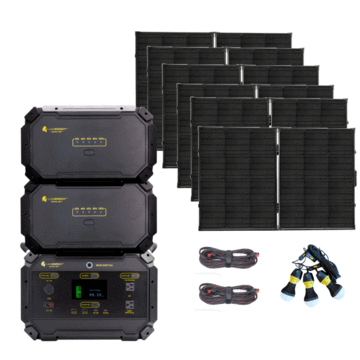
In our current documented lineup, the anker solix e10 Ultra Kit has the highest listed continuous AC output at up to 15.36 kW and solar input at up to 18 kW. Its included battery storage is 24.576 kWh. These are serious whole-home solar backup specifications. The distinction between output and storage is important: continuous AC output determines how much combined load the system can carry at once, while battery storage determines how long that load can remain powered. Solar input then affects how quickly available sunlight can replace consumed energy.

| Measure | What it means | Documented example |
|---|---|---|
| Continuous output | Power available during normal operation | Anker SOLIX E10 Ultra Kit: up to 15.36 kW |
| Surge output | Brief power available when motors start | Anker SOLIX F3800: up to 9,000 W |
| Included storage | Energy supplied in the stated configuration | Anker SOLIX E10 Ultra Kit: 24.576 kWh |
| Expandable storage | Maximum supported battery capacity | Jackery HP3600 Plus: up to 57.6 kWh |
| Solar input | Maximum accepted panel power | Anker SOLIX E10 Ultra Kit: up to 18 kW |
The E10 leads those documented output and solar-input figures, but the Jackery leads the listed expansion figure. That is why a best large solar generator comparison should begin with the job, not a universal ranking.
Turn battery capacity into realistic runtime
Nameplate watt-hours do not equal delivered appliance runtime. Conversion losses, battery condition, temperature, load, and operating limits affect usable AC energy, as documented in battery performance research. For a rough estimate, divide usable AC watt-hours by the appliance load in watts, then leave room for losses and cycling. A useful estimate starts with the circuits that will actually run together, not every appliance in the house. A low average load can produce a long estimate, while a space heater or other steady high-draw device can consume the same battery much faster.
Our comparison data includes refrigerator runtimes, recharge times under stated conditions, and measured-use examples. In one test, an Anker SOLIX F3800 ran a 1,600 W space heater for more than two hours. If outage duration matters most, compare those practical results alongside our longest lasting solar generator guidance.

- Build your load list. Record the running wattage of every appliance and circuit you need during an outage.
- Find the largest starting surge. Motors in refrigerators, pumps, compressors, and HVAC equipment can briefly demand much more than their running wattage.
- Estimate the required runtime. Multiply the combined running load by the number of hours you need, then account for conversion losses and recharge conditions.
Choosing the most powerful home solar generator
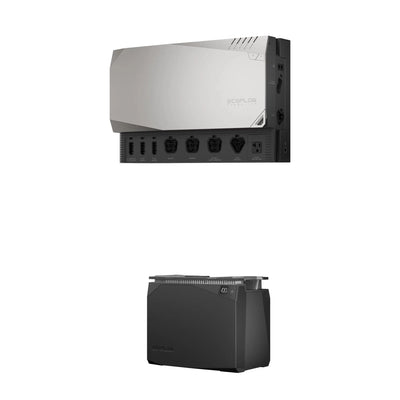
Not every buyer needs whole-home scale. A system supporting premises wiring must match your 120/240V loads and use approved transfer equipment or a manufacturer-specified power dock. We treat professional installation, permits, local electrical codes, grounding, service configuration, and utility requirements as part of the purchase, not optional extras. That planning has to happen before equipment is ordered because connection method and service configuration can determine which loads the system can serve. A large inverter does not make an improvised premises connection acceptable, and portable plug-in use is not the same as an integrated home-backup installation.

Compare the complete configuration price, including batteries, panels, transfer equipment, installation, and permits. Solar-input capacity is useful only when the panel array and local conditions can deliver it; our best solar panel generator guidance can help match charging equipment to the system.
Look beyond the largest headline rating
Check battery chemistry and ownership details before ordering. We document LFP, or lithium iron phosphate, batteries with thousands of cycles, stated charging and discharging temperature ranges, five-year warranties, and service-life estimates reaching ten years on selected systems. A battery-management system should monitor voltage, current, and temperature, but warranty coverage and reachable service still matter.
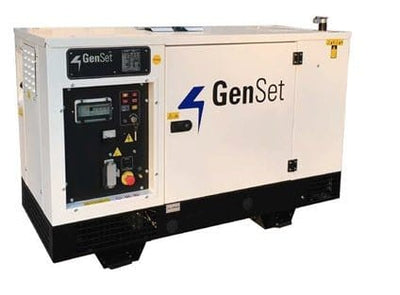
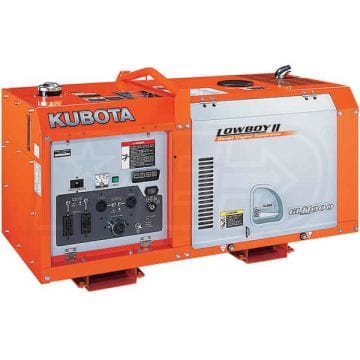
For extended storm preparation, a hybrid plan remains practical: let the battery carry essential overnight loads quietly, then preserve a properly operated fuel generator for periods when heavy cloud cover limits solar recharge. Compare use cases in our top 10 solar generators before paying for capacity your load list does not require.
Buy before the pressure arrives, and confirm the full system, not just the inverter headline. Thank you for visiting! Our USA-based team is ready to help you work through the loads, installation, and backup plan.
Frequently asked questions
What is the most powerful solar generator?
There is no universal winner because output, storage, solar input, surge handling, and expansion measure different capabilities. In our documented lineup, the Anker SOLIX E10 Ultra Kit has the highest listed continuous AC output at up to 15.36 kW and solar input at up to 18 kW.
Can a solar generator power an entire house?
A properly sized system can support selected circuits or broad whole-home loads, but the result depends on the appliance load list, starting surges, battery capacity, 120/240V support, connection equipment, and installation. High-demand heating and cooling loads can change the calculation quickly.
How do I estimate solar-generator runtime?
Divide usable AC battery energy in watt-hours by the expected load in watts. The result is an estimate in hours, but conversion losses, temperature, battery condition, operating limits, and appliance cycling can reduce actual runtime.
Is a larger battery always the better choice?
No. A larger battery can extend runtime, but it does not guarantee enough inverter output, surge capacity, solar input, or connection support for your loads. Battery chemistry, cycle rating, warranty, installation needs, and service access also affect long-term value.
← Older Post Newer Post →