 (954) 249-2314
Solar Generator Brands: Compare Power, Capacity, and Recharge
When you're comparing solar generator brands, look at how each manufacturer balances continuous output, battery capacity, and solar charging speed. Every brand designs its systems for different jobs, from light campsite power to whole-home backup.
Before you start comparing, though, you'll need to list your essential loads and their running wattages first. Once you know how much power you need, you can pick the brand whose equipment fits your home.
Core Metrics Behind Solar Generator Performance
Every solar generator combines an inverter, a battery pack, and an internal charge controller. These compact systems operate as small-scale solar-plus-storage equipment that pairs clean electricity generation with stored energy for emergency use.
When you compare brands, don't forget to check both power capacity and energy capacity. Power capacity, measured in kilowatts, is the most you can draw at any given moment, and energy capacity, measured in kilowatt-hours, tells you how long your appliances can run.
Keep in mind that no battery system is perfectly efficient. You'll lose some energy when the unit converts stored direct current into household alternating current, so you'll always get less usable energy than the capacity printed on the unit.
With these limits in mind, you're much less likely to run into unexpected shutdowns. For how a power station differs from a full solar generator kit, see our guide on the solar generator versus power station comparison.

Evaluating Solar Recharge and Weather Realities
In a long outage, you can only keep a solar generator powering your home for as long as you can recharge it. You can also recharge most units from a wall outlet while the grid is up, from a car outlet, or from a gas generator.
Real-world solar generation fluctuates across seasons and throughout the day. Cloud cover, passing shadows, dust, haze, rain, snow, and surface dirt reduce your incoming panel wattage. Because of these factors, you should evaluate solar input ratings separately from total battery storage capacity.
A higher solar input limit lets you connect more panels, so you'll charge faster on clear days. Under heavy cloud, though, your panels will produce less, and a high input rating can't and won't change that.

Leading Manufacturers and Their Practical Ecosystems
The main brands we carry differ in how far you can expand their systems and what voltage they give you.
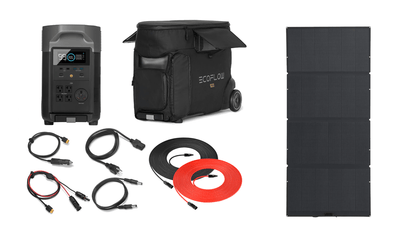
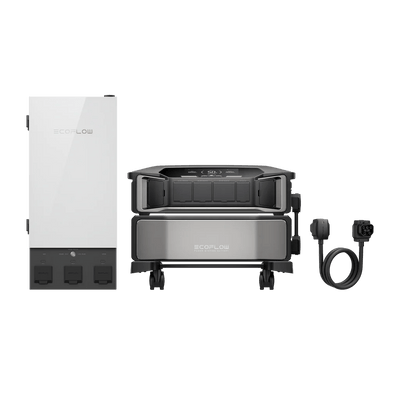
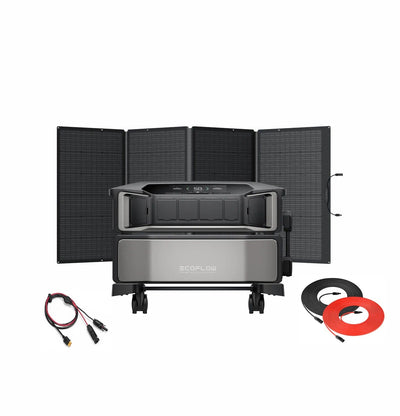
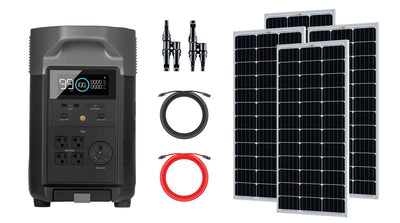
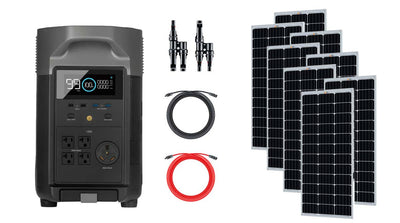
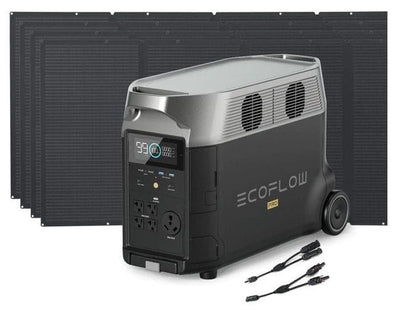
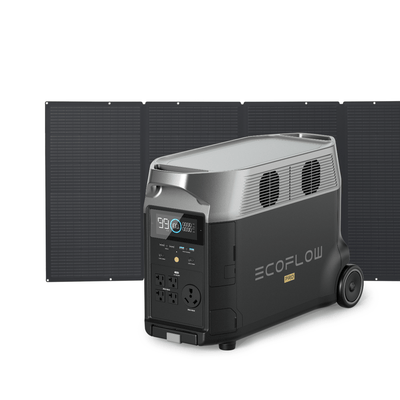
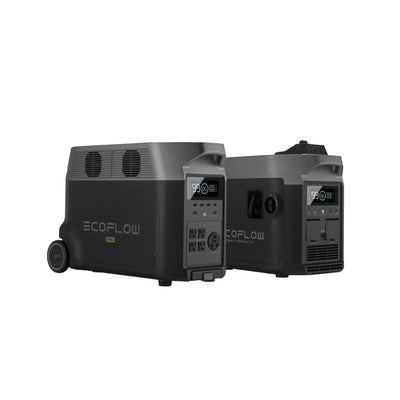
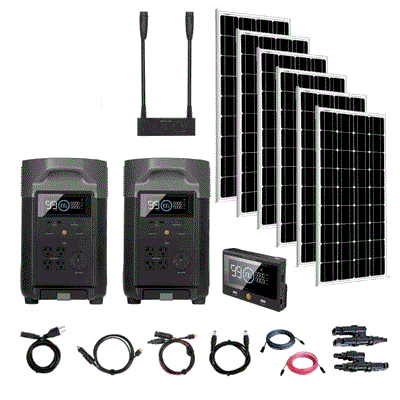
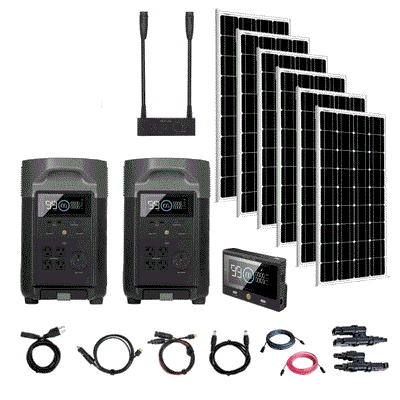
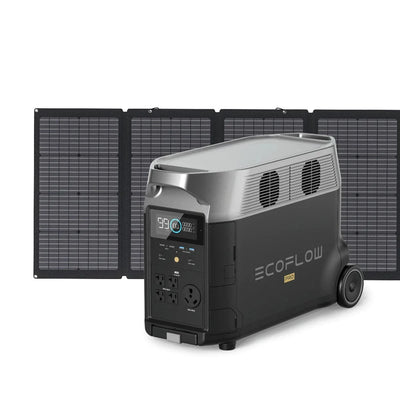
With EcoFlow solar generators, you get plenty of room to expand. You can grow the EcoFlow DELTA Pro to 25kWh with extra batteries, and if you link two units through EcoFlow's Double Voltage Hub, you'll get 240 volts.
If your priority is dependable portability, you should take a look at the Jackery solar generators. The Explorer 1000 gives you a 1,002Wh portable unit, while the HP3600 Plus starts at 3.6kWh, expands to 57.6kWh, and works with a manual transfer switch for home backup.
Homeowners who need split-phase 120-volt and 240-volt power often look at Anker solar generators. The SOLIX F3800 gives you 6,000 watts at 120V and 240V, which is enough for 240-volt loads like well pumps.
If you'd like wind charging as well as solar, you can get both with Nature's Generator solar generators. The Nature's Generator Lithium 3600 kit, for example, comes with a 150-watt wind turbine, so you can keep charging after the sun goes down.
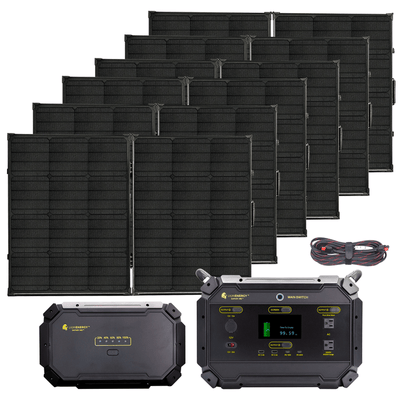
We also carry Bluetti, Pecron, OSCAL, and Lion Energy systems, and you can compare specific models, including Bluetti and PECRON units, in our comprehensive solar generator comparison guide.

Safety Standards and Residential Electrical Integration
Connecting clean backup power to permanent household wiring requires careful attention to electrical safety standards. Portable power equipment faces strict testing limits before entering the market.
Under UL 2743, portable power pack certification standards limit lithium-ion storage to an aggregate of 20 kilowatt-hours. Systems exceeding that storage threshold require evaluation under UL 9540 standards for permanent residential energy installations.
Certification for mobile usage does not grant automatic approval for stationary residential installation. Combining individually listed parts does not create a certified overall assembly. Always hire a licensed electrician to install an approved manual transfer switch or critical loads panel.
A lot of homeowners assume that their rooftop solar panels will power the house during a blackout. But most rooftop systems that feed the utility grid (grid-tied systems) shut off when the grid goes down, unless you've paired them with battery storage and an inverter that can run without the grid.
To evaluate dedicated home storage systems alongside mobile options, read our guide comparing a solar generator versus battery bank setup.
Selecting the Right System for Storm Outages
During hurricane season, you'll want power you can count on. Because a battery power station produces no exhaust, you can run it indoors, as long as you follow the manual's ventilation, clearance, and temperature limits.
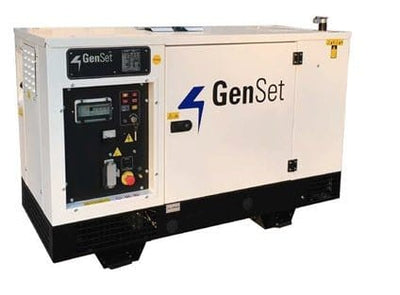
Are you still weighing solar against a gas engine? Then read our guide examining a solar generator versus gas generator.
Start by listing your critical circuits, like medical devices, refrigeration, and communication equipment, and add up their continuous watts and surge requirements.
Then set up and test your panels and battery on a bright day, well before a storm threatens. Once you know your recharge rate, you'll know how your system will perform when the grid goes down, and our team is happy to help if you get stuck on the numbers.
Frequently asked questions
How Can I Estimate a Solar Generator's Runtime?
Divide the usable battery watt-hours by the load in watts, and then allow for conversion losses. Treat the answer as an estimate, though, because appliances cycle on and off and solar conditions change.
Why Can a Full Battery Still Fail to Start an Appliance?
Stored energy tells you how long the unit can run, but inverter output tells you how much power it can deliver at once. So before you blame the battery size, compare the appliance's startup demand with the inverter's peak rating.
Does UL 2743 Certification Approve a Home Installation?
No. It addresses portable power-pack use. Verify that the complete storage and transfer arrangement is listed for stationary use before a licensed electrician installs it.
What Should I Test Before Hurricane Season?
Use the manufacturer's instructions to test each planned load and measure panel recharge before the season starts. Record the battery level and recharge time, then revise your load plan if results differ from expectations.
← Older Post Newer Post →