 (954) 249-2314
Benefits of Having a Generator for Home Backup Power
The benefits of having a generator are most obvious the moment the power goes out: the refrigerator stays cold, the sump pump keeps running, and the house does not go dark. We see this play out at All Pro Generators across residential, commercial, and off-grid customers, and the pattern is consistent. Outages are lasting longer and happening more often, and the gap between a manageable inconvenience and a genuine emergency usually comes down to whether backup power was ready before the storm arrived.
What a Generator Actually Protects
Generators do not prevent outages.
What they do is keep the circuits that matter most from going dark while the grid is down.
For most households, that list looks similar: refrigerator, freezer, sump pump, furnace or HVAC, lights, and communication devices.
Each of those represents a different kind of risk.
Food safety is immediate.
A refrigerator keeps perishables safe for only about four hours with the door closed.
A full freezer buys roughly 48 hours; a half-full freezer about 24.
An outage that stretches past those windows means groceries, medications, and any frozen inventory go in the trash.
For a small food business, that loss can reach thousands of dollars from a single event.
A sump pump failure during a storm is a different problem entirely. The same heavy rain that knocks out the grid is the reason the pump needs to run. When it cannot, basements flood, turning an electrical outage into a water-damage claim at the worst possible moment.
For some households, generator benefits are not about comfort at all.
People who rely on home medical devices, refrigerated medications, or powered mobility equipment face a safety problem the instant the grid goes down.
Extreme heat and winter cold both become dangerous quickly when heating and cooling systems cannot run, particularly for older adults and young children.
These situations move a generator from a nice-to-have into a genuine preparedness necessity.

How Generator Type Shapes the Benefit
The type of generator you choose determines which protection you actually get. The most useful way to think about it is along two lines: how long can it run, and what loads can it handle at once. Reviewing generator uses alongside runtime and load capacity can clarify which type best fits your needs.
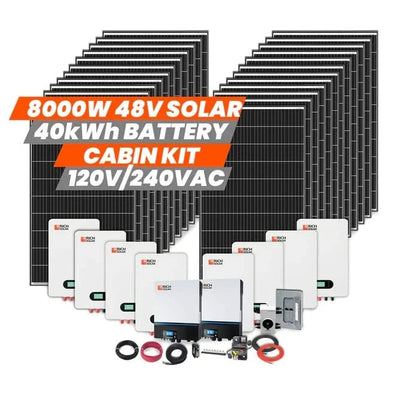
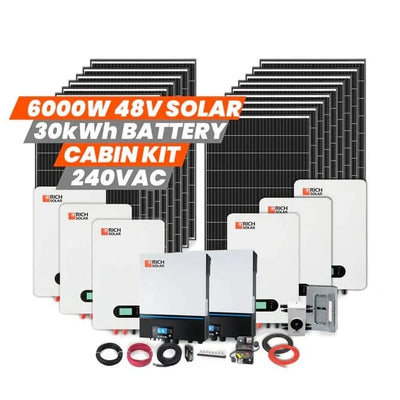
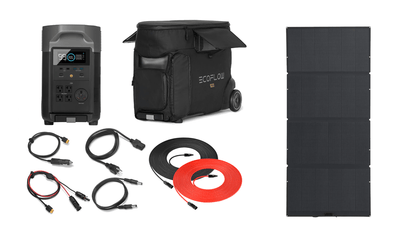
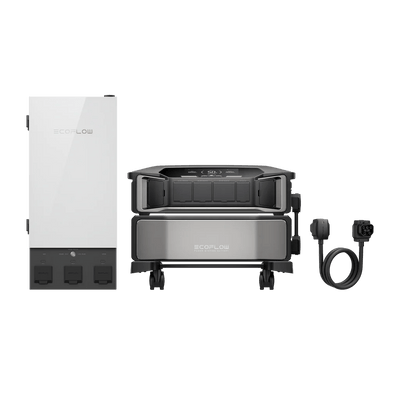
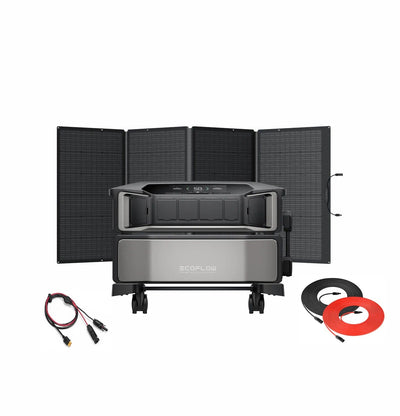
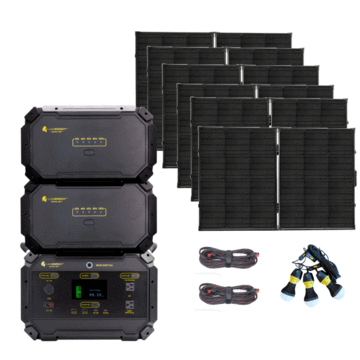
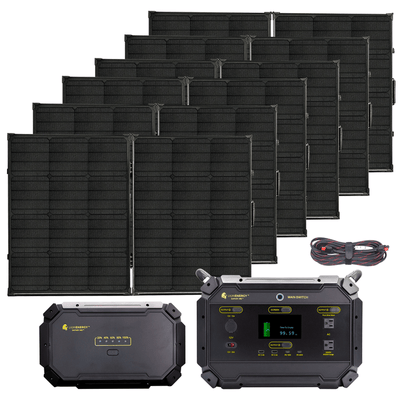
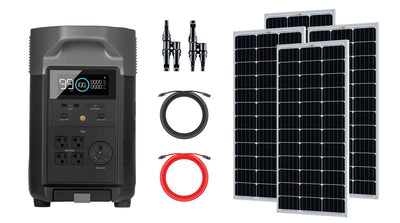
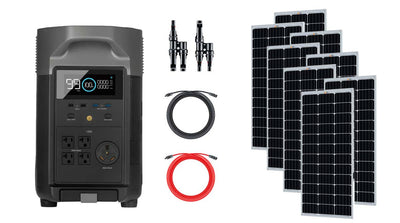
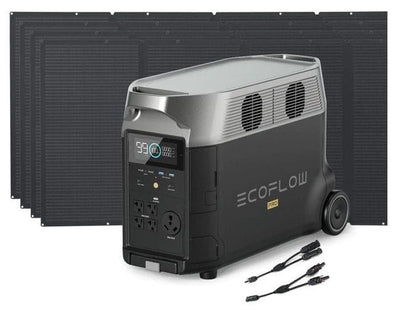
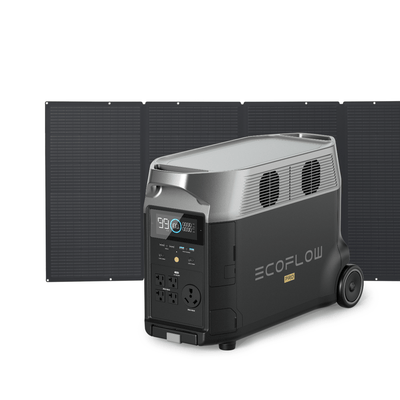
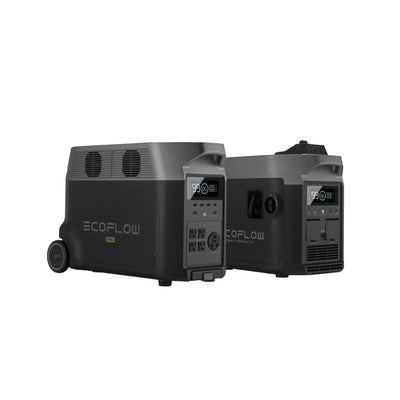
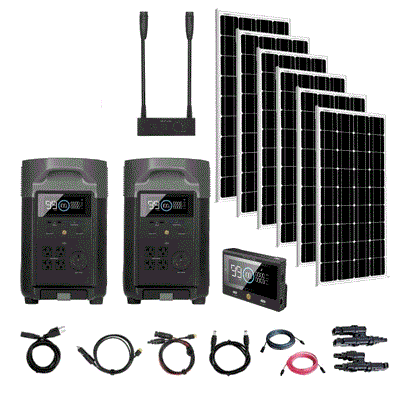
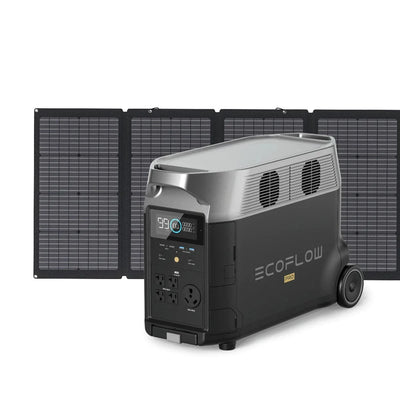
Solar generators and battery power stations, like the EcoFlow Delta Pro Ultra, the Anker Solix F3800, or the Jackery 5000 Plus, are quiet and produce no fumes, making them suitable for indoor use. That makes them well-suited for medical devices, sensitive electronics, and situations where you need power in a bedroom or workspace. Their capacity is finite, but pairing them with solar panels can extend runtime substantially for off-grid or multi-day scenarios.
Combustion generators, whether gasoline, propane, natural gas, or diesel, offer refueling-based endurance.
They can run as long as you have fuel, which makes them the practical choice for extended outages and heavier loads like central air conditioning or a whole-home transfer.
The firm safety rule: every combustion generator must run outside, at least 20 feet from any door, window, or vent, with exhaust pointed away from the structure.
One portable generator can produce as much carbon monoxide as hundreds of cars, and garages, carports, and open windows are not safe alternatives to genuine outdoor placement.
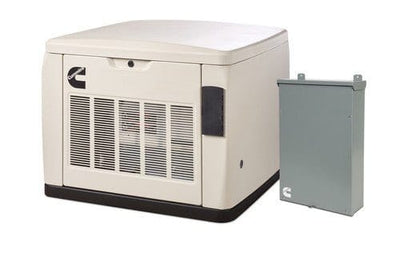
Home standby units connect permanently to your home's electrical system and start automatically when the grid fails. A Cummins whole-home standby, for example, runs on natural gas or propane from an existing line or tank, removing the fuel-storage and manual-start burden. The cost is higher, typically $10,000 or more installed, but the automation suits homeowners who travel frequently or cannot afford to be caught off guard.
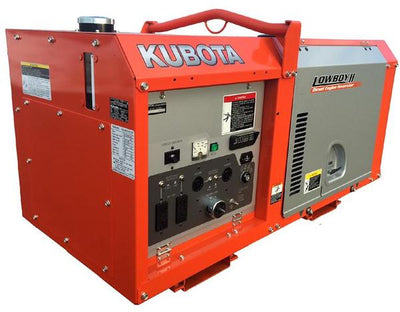
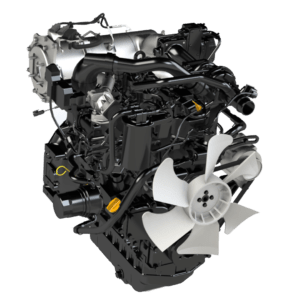
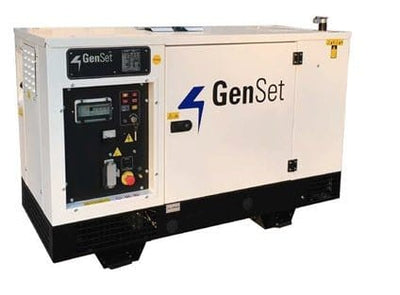
Diesel generators occupy a different category when the need is commercial, industrial, or prime power.
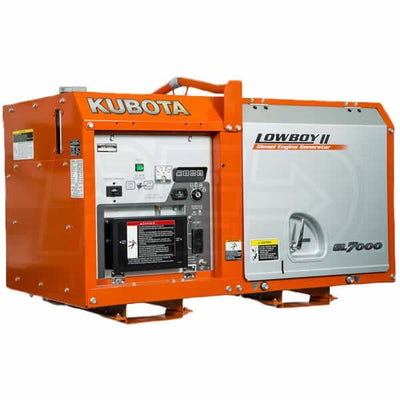
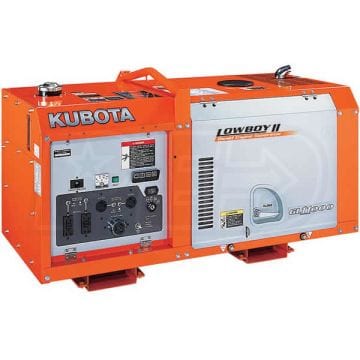
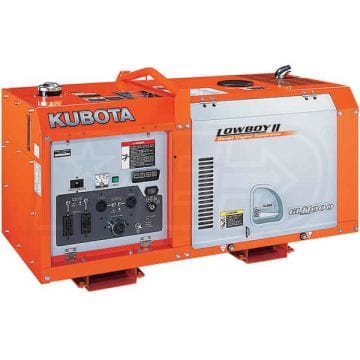
The Kubota GL14000 is rated at 12 kVA continuous output with EPA Tier 4 Final compliance and can run 11 hours at half load.
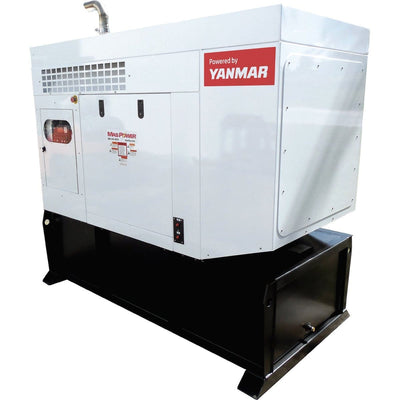
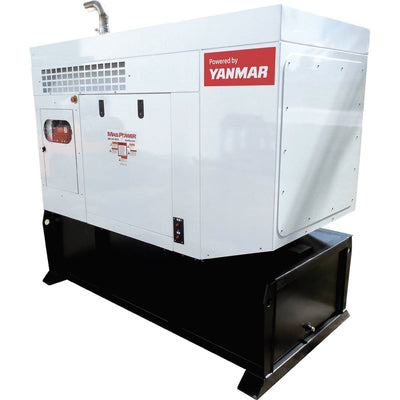
Yanmar's diesel lineup is built with the same durability-first approach.
These are not portable convenience units; they are equipment built for sustained, heavy-duty operation.
Generator Benefits at a Glance
| Generator Type | Best Benefit | Key Tradeoff |
|---|---|---|
| Solar / Battery Power Station | Indoor-safe, quiet, fuel-free backup for essential loads and medical devices | Finite capacity; recharge depends on solar or grid access |
| Portable Gas / Dual Fuel / Tri-Fuel | Extended runtime through refueling; handles heavy home loads | Outdoor use only; CO risk; manual start and refueling required |
| Home Standby (Natural Gas / Propane) | Automatic whole-home backup with no manual intervention | Higher installed cost; requires professional installation |
| Diesel (Portable or Industrial) | Durable prime and continuous power for commercial or worksite use | Fuel storage and maintenance required; not a casual backup choice |
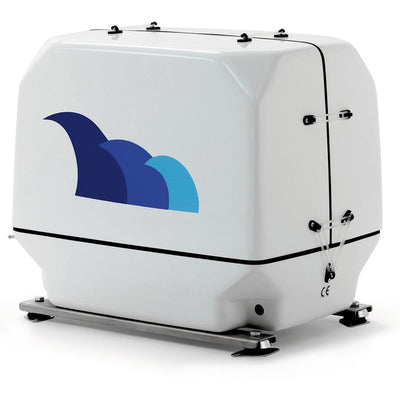
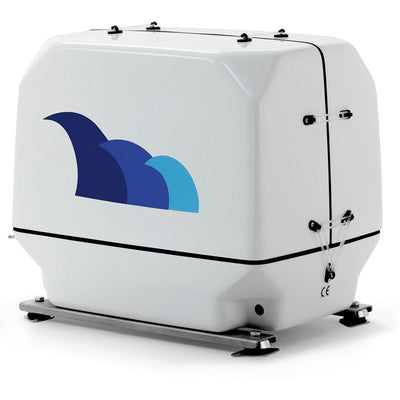
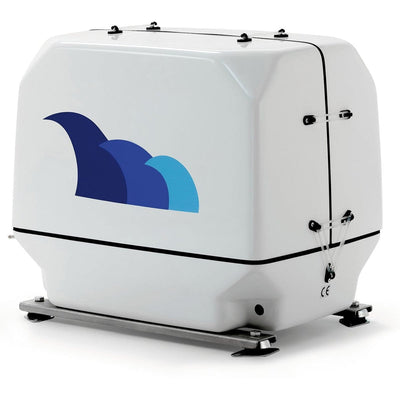
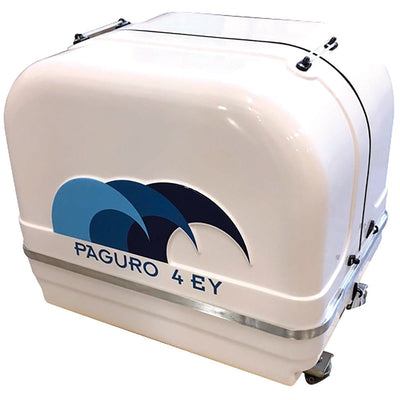
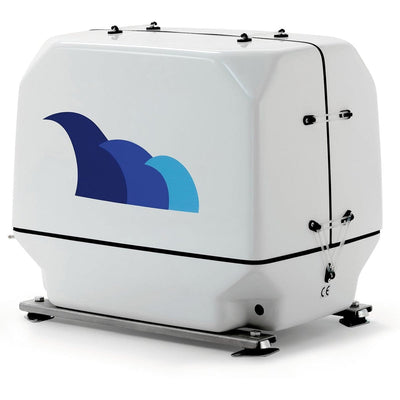
| Marine Generator | Onboard vessel power for appliances, systems, and electronics | Purpose-built for boats; not interchangeable with land-based units |
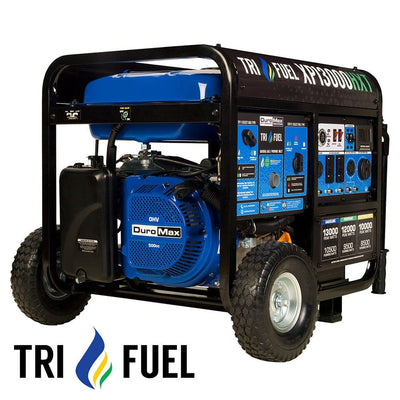
If you are choosing between a solar power station and a combustion portable, the honest deciding factor is runtime versus safety simplicity. Units like the Anker Solix F3800 or the Nature's Generator MyGrid 10K are compelling where quiet, fuel-free operation matters. But the DuroMax XP13000HXT tri-fuel portable delivers 13,000 watts and runs on gasoline, propane, or natural gas, which is a meaningful advantage when local fuel supply becomes uncertain after a major storm.
Sizing, Fuel, and What to Think Through Before You Buy
The most common mistake we see is chasing a wattage number without thinking through the actual loads.
Running watts and starting watts are not the same thing.
Motors like sump pumps and refrigerator compressors draw a surge of power at startup that can be two to three times the running load.
Add those starting-watt requirements together to find your actual peak demand.
A generator in the 3,000 to 8,000 watt range handles the essential-circuit scenario well: a full-size refrigerator, a sump pump, lights, a TV, and small electronics.
Getting above 8,000 watts opens up options for HVAC and multiple large appliances running simultaneously.
Runtime matters too.
A unit that runs at least 10 hours at half load on a single tank means you can sleep through the night without a manual refuel.
Fuel choice deserves deliberate thought. Comparing the best tri fuel generators can help homeowners balance fuel flexibility, runtime, and availability during extended outages. Comparing the best dual fuel generators can help balance fuel flexibility, runtime, and availability during extended outages.
Gasoline is widely available but may be in short supply after a major storm.
Propane stores well and does not degrade the way gasoline does.
Natural gas suits installed standby units where a utility line is already in place.
Dual fuel generators let you run on either gasoline or propane, and tri-fuel generators extend that to natural gas, which can be a real advantage when a single fuel source becomes unavailable.
Transfer switches matter more than many buyers expect. Extension cords work in a pinch for a few circuits, but a transfer switch lets you power entire home circuits safely and keeps the generator properly isolated from the grid. Most transfer switches require 5,000 watts or more of generator output to support 220-volt circuits.
Buy Before the Storm, Not After
Atlantic hurricane season runs from June 1 through November 30, and demand spikes as soon as a storm develops in the Atlantic.
U.S. electricity customers averaged 11 hours of interruptions in 2024, with weather-related events driving 80% of major outages over the past two decades.
That trend is not improving.
Waiting until a storm is already developing is waiting too long.
Overnight generator shipping is generally not available, and when it is, it can cost as much as the generator itself.
Most manufacturers simply do not offer it.
The time to act is before demand spikes, not after a watch is issued.
We process orders daily and ship as fast as any retailer can, but freight logistics during storm surge are outside anyone's control.

The generator benefits you are counting on during an emergency depend on equipment that is already ordered, delivered, and ready. Here is how to approach the decision before you are under pressure.
- Identify which circuits are truly essential: refrigerator, freezer, sump pump, furnace or AC, medical devices, and communications.
- Add up running watts and starting watts for those loads to find the generator capacity you actually need, not just a round number.
- Choose a fuel type based on what you can reliably store or access in your area, and consider dual fuel or tri-fuel options for flexibility when supply chains are stressed.
- Decide between portable essential-load backup, automatic home standby, solar and battery storage, or diesel prime power based on your outage risk, budget, and use case.
- Order well before hurricane season peaks, because shipping lead times are real and overnight delivery is rarely available from any manufacturer.
Whether you are looking at portable solar generators for quiet off-grid flexibility, diesel units for durable commercial use, or a tri-fuel portable for fuel-flexible home backup, the right starting point is your load list and your outage risk. Our team at All Pro Generators can help you match those needs to the right equipment before you need it most.
Frequently asked questions
Are the benefits of having a generator worth the cost?
Usually, if outages threaten food, medical equipment, heating, cooling, work, or water systems. Compare the generator and installation cost with likely losses, outage frequency, and the value of keeping only essential circuits running.
What should I power first during an outage?
Prioritize medical equipment, refrigerators and freezers, sump or well pumps, heating or cooling, lighting, and communications. Make a running-watt and starting-watt list because motors can briefly require much more power when they start.
Is a solar generator safer than a fuel generator indoors?
Battery power stations produce no combustion fumes, but they still need to be used exactly as the manufacturer directs and may have limited runtime. Gasoline, diesel, propane, and natural-gas generators must stay outdoors, at least 20 feet from doors, windows, and vents, with exhaust pointed away.
When should I buy a generator before hurricane season?
Buy and test the equipment before a storm is approaching, ideally before hurricane season begins on June 1. Overnight generator delivery is generally unavailable, and storm-driven demand can create stockouts or shipping delays.
← Older Post Newer Post →