 (954) 249-2314
Best Standby Generators for Home Backup Power
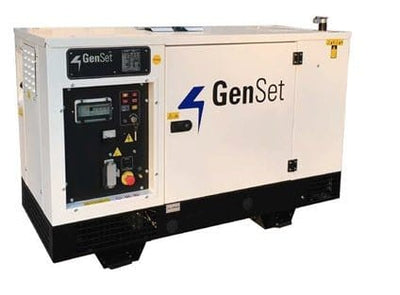
The best standby generators for US homeowners are permanently installed, automatic systems that run on natural gas or liquid propane and start within seconds of a grid outage.
No manual startup, no extension cords, no fuel run in the rain.
At All Pro Generators, we see the decision get complicated fast once you factor in loads, fuel, and installation timing. Understanding generator uses can help clarify which backup system fits your home and priorities.
Which system is right comes down to what you cannot afford to lose.

What to weigh before you pick a size or brand
- Loads you actually need to keep running. A refrigerator, furnace blower, sump pump, lights, and internet router together land in the 8 to 14 kW range. Add central air conditioning, a water heater, or an electric range and you cross into 15 to 26 kW territory. Start with your real loads, not the largest number that sounds safe.
- Essential-circuit versus whole-home coverage. Essential-circuit coverage protects a defined subset of your home at lower cost and smaller generator size. Whole-home coverage connects most or all circuits, but it does not mean every large load runs simultaneously unless the generator and transfer switch are explicitly sized for that.
- Automatic transfer switch compatibility. The ATS is part of the system, not an afterthought. Your home's service amperage, 100 A, 150 A, or 200 A, determines which switch fits. A managed ATS can let a smaller generator serve a home with multiple 240-volt loads by controlling which heavy loads run at the same time.
- Fuel source. Natural gas eliminates fuel storage and can run as long as the gas utility stays on. Propane gives you stored fuel on-site but introduces tank capacity and refill logistics that matter during extended storm scenarios. Natural-gas output is typically 1 to 2 kW lower than the same unit's propane rating, so the nameplate number can be optimistic depending on your supply.
- Installation, permitting, and placement. Standby generators require professional installation, licensed gas work, permits, and a final inspection. Units generally need at least 18 inches from the structure and 5 feet from any door or window. These clearances affect safety, warranty validity, and whether the system passes inspection.
- Warranty and local service access. Warranty structures differ meaningfully across brands. A longer or broader warranty matters less if no service technician in your area supports that brand.
- Storm timing. A permanent standby system cannot be ordered, shipped, permitted, installed, and inspected in a few days. Planning before hurricane season, June 1 through November 30, is the only realistic path.
Standby generator classes and who each one serves
Essential-circuit coverage: 10 to 14 kW
This class covers what most households genuinely need during an outage: refrigerator, freezer, furnace blower, sump pump, lights, internet, and a handful of outlets.
A refrigerator draws about 700 running watts but needs roughly 2,200 additional starting watts.
A half-horsepower furnace fan runs around 800 watts with about 2,350 starting watts.
A sump pump of the same size adds 1,050 running watts and 2,200 starting watts.
A well-selected essentials package can land below 7,500 running watts.
The Briggs & Stratton PowerProtect 13 kW is a solid example: 13 kW on liquid propane, 11.5 kW on natural gas, 37 kVA motor-starting capability, 69 dB(A) operating sound, and a 7-year comprehensive limited warranty at a starting MSRP of $4,460 before installation, ATS, and shipping. Generac's 10 kW Guardian sits at the entry point of this tier with Wi-Fi remote monitoring and a 5-year limited warranty. Installed costs in this class typically run around $7,000, $10,000 including the ATS and professional installation.
Partial-to-managed whole-home coverage: 18 to 26 kW
Central air conditioning changes the sizing conversation entirely. A typical central A/C unit can draw 3,000 to 5,000 running watts on its own, and electric water heaters or electric ranges push demands higher still. This is where a 22 to 26 kW air-cooled standby paired with a smart load-management transfer switch delivers coverage that feels like whole-home backup for most families, cycling heavy loads rather than running them all at once.
The Briggs & Stratton PowerProtect 26 kW delivers 26 kW on LP and 24 kW on natural gas, with 65.5 kVA motor-starting capability, a 125 A breaker, a quieter 65 dB(A) operating level, and a 10-year comprehensive limited warranty at a starting MSRP of $6,970. Generac's air-cooled home standby range reaches up to 28 kW. Generator-unit costs in this class run roughly $4,500, $7,500 for a 22 kW system before installation.
Large home or light-commercial: 26 kW and above
Homes with electric heat, multiple A/C zones, or genuinely simultaneous heavy-load demands often need liquid-cooled systems in this range.
Small businesses, institutions, and commercial properties typically start here as well.
Unit costs alone can reach $7,000, $12,000 before installation, permitting, and commissioning.
A professional load survey before purchasing is not optional at this scale.
How the major standby brands compare
| Brand | Output range (air-cooled residential) | Warranty | Fuel options | Notable feature |
|---|---|---|---|---|
| Briggs & Stratton | 13 to 26 kW | 7 to 10 years (comprehensive limited) | LP / Natural gas | Long warranty; strong motor-starting kVA ratings |
| Generac | 10 to 28 kW | 5 years (limited) | LP / Natural gas | Widest range; Wi-Fi/Mobile Link monitoring; integrated surge-protection ATS |
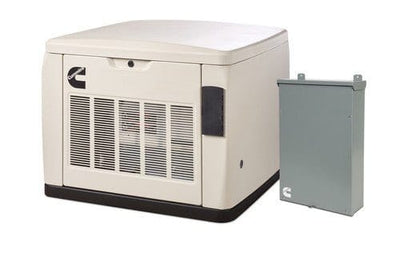
| Cummins (QuietConnect) | 13 to 20 kW (residential) | 5 years / 2,000 hours | LP / Natural gas | Certified-electrician install required; authorized dealer network |
| Kohler / Rehlko | Varies by model | 5 years / 2,000 hours (generator + ATS) | LP / Natural gas | Single warranty covers both generator and ATS: parts, labor, and travel |
Warranty structure deserves more attention than most buyers give it.
A 10-year comprehensive warranty on the 26 kW Briggs unit is meaningfully different from a 5-year limited warranty when installation and service costs are already substantial.
Kohler's coverage of both the generator and the ATS under one warranty is a practical convenience that often gets overlooked.
None of these differences make one brand the universal best stand by generator for every home, they shift the math depending on your budget, local service options, and how long you plan to stay in the home.
Alternatives for buyers who cannot install a permanent system
A permanently installed standby is the right answer for automatic, long-duration backup. For a clear overview of how automatic transfer switches detect outages, shift loads, and support routine maintenance planning, see Best Practices for Standby Generator Operations and Maintenance | PNNL. It is not the right answer for every situation. If you need power quickly before a storm, cannot complete a permanent installation, or want flexible power you can move and use off-grid, other options are more practical. Before hurricane season, the CPSC recommends testing smoke and carbon monoxide alarms, reviewing generator safety instructions, and confirming that emergency supplies include working backup power equipment CPSC Warns of Generator, Carbon Monoxide and Fire Hazards Ahead of Hurricane Season | CPSC.gov.
For flexible off-grid backup, compare the best tri fuel generators before choosing a portable system. For flexible off-grid power, compare the best dual fuel generators before choosing a portable system.
For flexible, off-grid power, compare the best propane generators before choosing a portable model. For portable backup, comparing the best gas generators can help you find a practical option when permanent installation is not feasible.
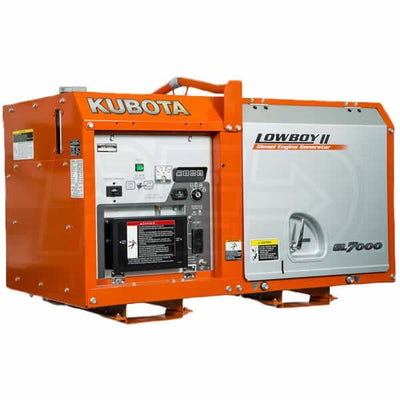
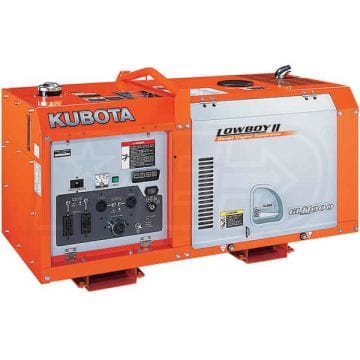
For portable backup needs, comparing the best diesel generators can help you choose a durable off-grid power option. For flexible off-grid power, compare the best solar generators before choosing a portable backup option.
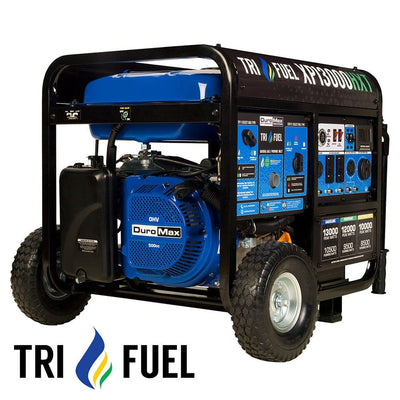
- Portable dual-fuel and tri-fuel generators suit homeowners who need serious output without permanent installation. The Duromax XP13000HXT is a 13,000-watt tri-fuel model that runs on gasoline, propane, or natural gas, a genuine advantage in areas where gas service survives a storm. These units require manual setup and strictly outdoor operation but can power hardwired appliances through a transfer switch.
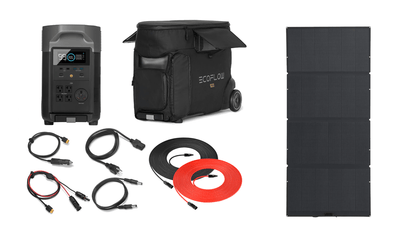
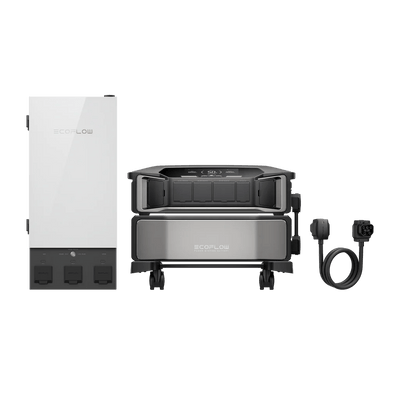
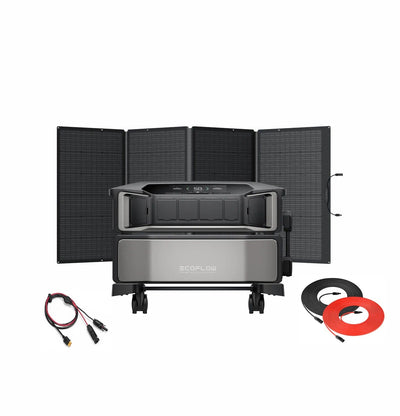
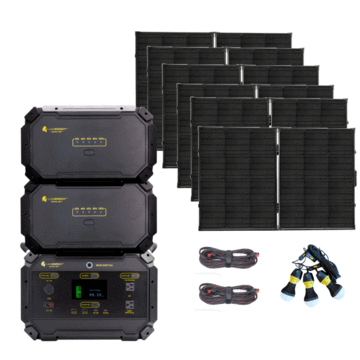
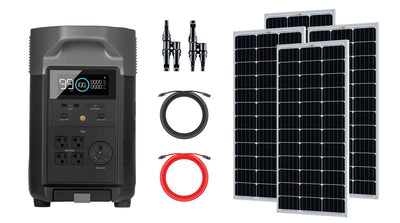
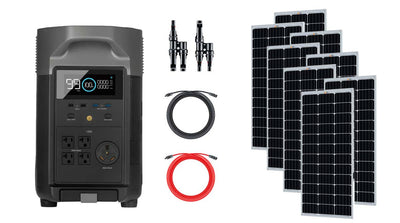
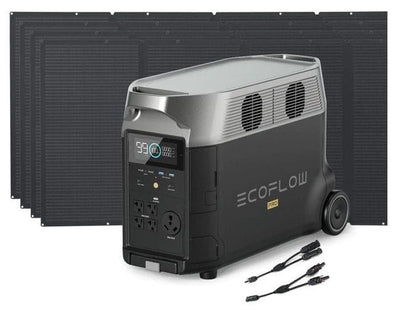
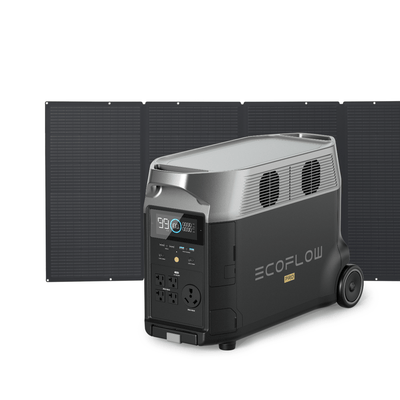
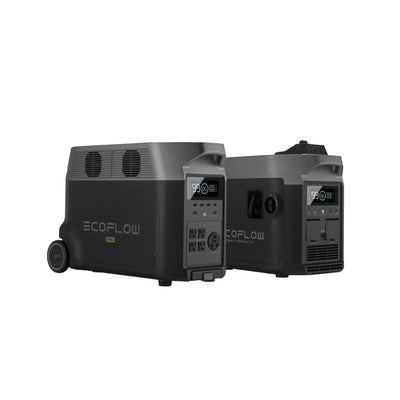
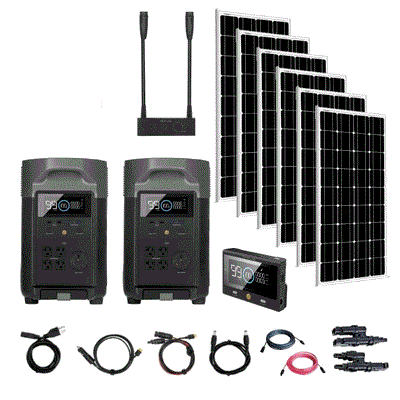
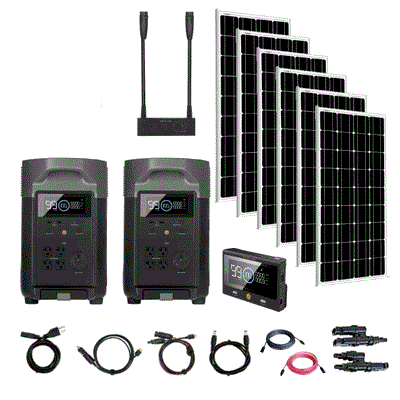
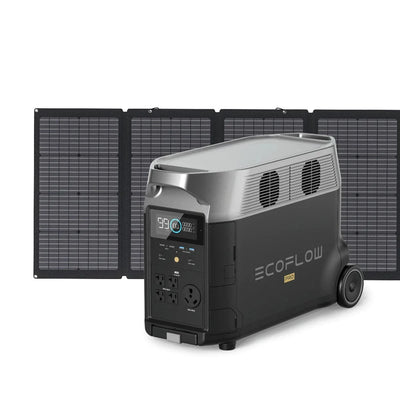
- Solar power stations are quiet, produce no exhaust, and charge from solar panels or a wall outlet. Brands like EcoFlow and Anker Solix have pushed capacity high enough that a unit like the Anker Solix F3800 or an EcoFlow Delta Pro can handle a meaningful subset of home loads. They work well for phones, lights, internet gear, and CPAP machines. For renters or anyone who needs low-effort backup for smaller loads, they are a capable and increasingly practical option.
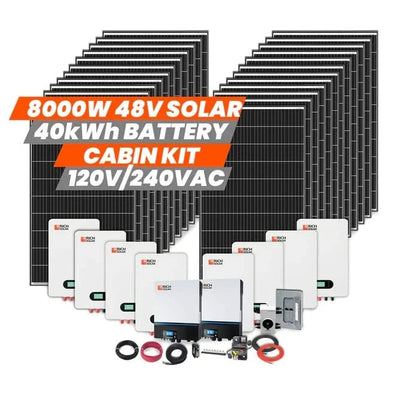
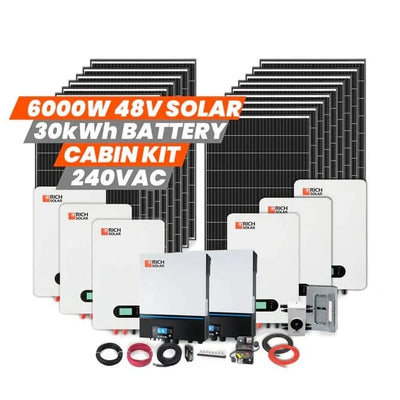
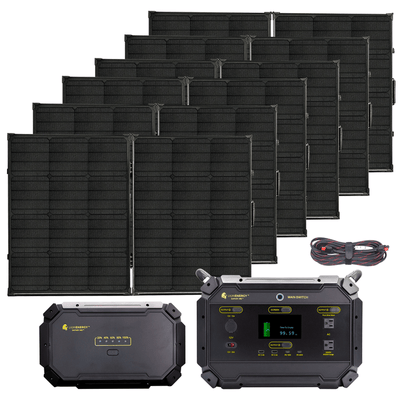
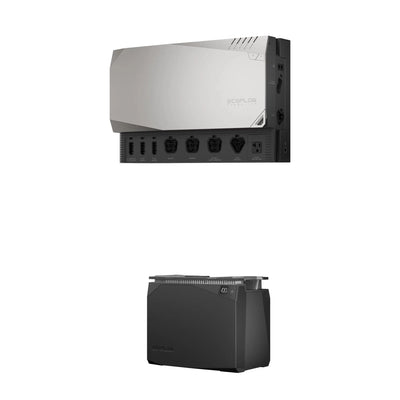
- Home backup solar kits cover essential circuits with the added benefit of solar recharging between outages. Nature's Generator's MyGrid 10K and similar whole-home solar kit systems are worth evaluating when quiet operation, no exhaust, and renewable input are priorities.
From load list to final decision
- List every load you refuse to lose. Get running-watt and starting-watt figures for each major appliance: refrigerator, furnace blower, sump pump, medical equipment, central A/C, water heater. That list determines your minimum generator size before any brand discussion begins.
- Decide between essential-circuit and whole-home coverage. If your list stops at refrigerator, furnace, sump pump, lights, and internet, a 10 to 14 kW system likely covers you well. If you want central air and most circuits live, plan on 18 to 26 kW with a managed transfer switch.
- Commit to your fuel source before sizing. Natural gas is usually the simpler path if service is available. If propane is your only option, factor tank capacity and post-storm refill timing into your planning. Switching fuels after installation requires parts changes and reprogramming.
- Get a professional load survey and installation quote. A licensed electrician or certified installer can measure your actual circuit loads, match an ATS to your service amperage, pull permits, and complete the inspection. This step validates your size choice before you spend money on the wrong unit.
- Compare warranty terms and local service coverage by brand. Confirm that service technicians for your chosen brand operate within a reasonable distance. A longer warranty provides real value only if someone can honor it.
- Order well before storm season. Standby installation involves consultation, ordering, shipping, gas and electrical work, permits, and inspection. That process cannot be compressed into a few days. If you are in a hurricane-risk area, act before June 1.

For most homeowners protecting essential circuits, a 10 to 14 kW standby with a properly matched ATS is the practical entry point.
For whole-home coverage with central air, the 22 to 26 kW class with a managed transfer switch is where the conversation usually lands.
If a permanent installation is not possible before the next storm, a capable portable tri-fuel generator or a well-sized solar power station is a smarter move than waiting.
Our US-based team can help you work through sizing, fuel type, and the right setup for your home before you order. Because NOAA defines the Atlantic hurricane season as June 1 through November 30, plan generator selection, permitting, installation, maintenance, and fuel arrangements before peak storm threats arrive Tropical Cyclone Climatology | National Hurricane Center.
Frequently asked questions
Can a standby generator run during a natural gas outage?
Not if natural gas is its only fuel source. Consider liquid propane only when you have adequate tank capacity and a dependable refill plan, especially during extended storms.
Do I need a permit for a home standby generator?
Usually, local authorities may require permits and inspections for the electrical and fuel connections. Confirm requirements with your installer before ordering, because approval can affect placement, scheduling, and startup.
Can I switch a standby generator from natural gas to propane later?
Do not assume it is a simple fuel-line change. Conversion may require model-specific parts and controller adjustments, so verify compatibility with the manufacturer or a qualified technician first.
What should I do if I cannot install one of the best standby generators before a storm?
A portable power station can provide short-term power for lights, internet equipment, phones, and medical-device charging without exhaust. It will not replace whole-home backup, but it may be the safer practical option when permitting and installation cannot be completed in time.
← Older Post Newer Post →