 (954) 249-2314
Best Portable Generators for Home Backup and Emergencies
The best portable generators in 2026 depend almost entirely on what you need to power and for how long. At All Pro Generators, we see buyers shopping for several distinct things: a quiet battery station for indoor-safe backup, a high-output gas unit for extended outages, a dual or tri-fuel generator for storm-season fuel flexibility, or a diesel workhorse for continuous heavy use. Getting that category right first makes the rest of the decision straightforward.
What actually determines which generator is best
The first question is not wattage.
It is what must stay powered and for how long.
A homeowner who needs lights, a refrigerator, and a sump pump during a twelve-hour outage has a very different problem than someone who needs central AC, a well pump, and continuous power for three days after a hurricane.
Both might search for the best portable power generator, but they are shopping for fundamentally different machines.
- Wattage: starting watts versus running watts. Motors, refrigerators, sump pumps, and air conditioners all draw a startup surge, sometimes two to three times their running load. A half-horsepower sump pump can require 2,200 starting watts and only 1,050 running watts. Size for the largest likely startup load, not just the total running load.
- Runtime and fuel logistics. Gas and diesel generators can run for days with proper fuel supply and safe outdoor operation. Battery power stations are limited to stored capacity, and after a storm, gas stations may be closed or have long lines.
- Indoor versus outdoor safety. Fuel-powered generators produce carbon monoxide and must be operated outdoors, at least 20 feet from any door, window, or vent. Battery power stations produce no direct emissions and can be used inside. This single factor eliminates one entire category for some buyers.
- Noise and neighbor proximity. Inverter generators and battery power stations run significantly quieter than conventional open-frame gas units, which matters for neighborhoods, RVs, and campgrounds.
- Transfer switch or extension cords. Powering hardwired circuits like a well pump, central HVAC, or sump pump through your home's panel requires a properly installed transfer switch or interlock, done by a licensed electrician. Extension cords alone cannot handle those loads.
- Appliance sensitivity. Sensitive electronics, computers, medical devices, and modern HVAC control boards do better with cleaner, more stable power. Inverter generators and battery power stations typically deliver lower total harmonic distortion than conventional open-frame units.
Battery power stations and portable solar generators
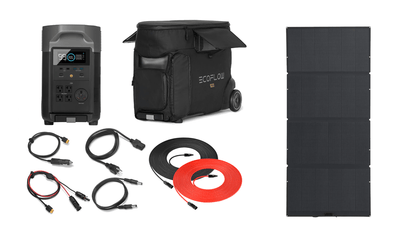
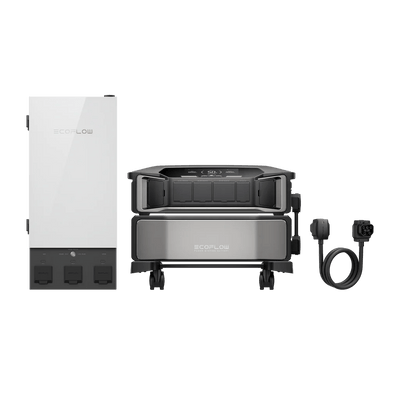
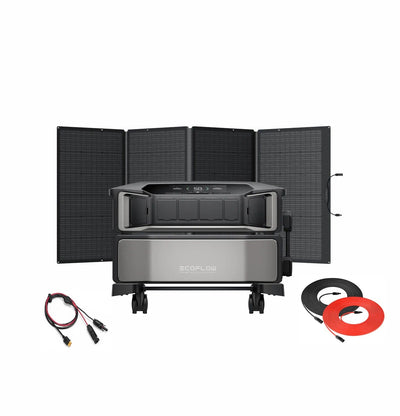
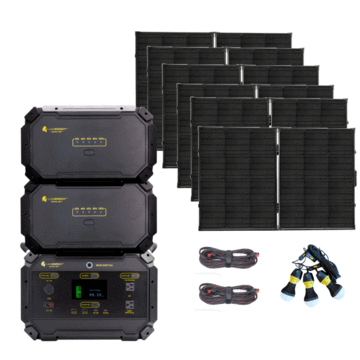
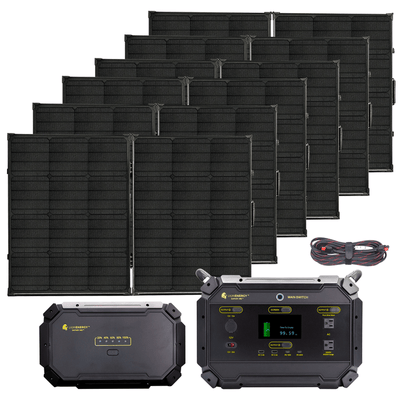
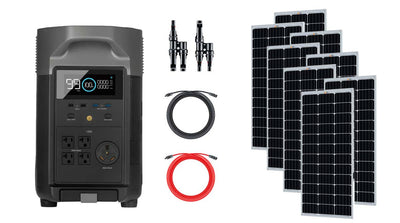
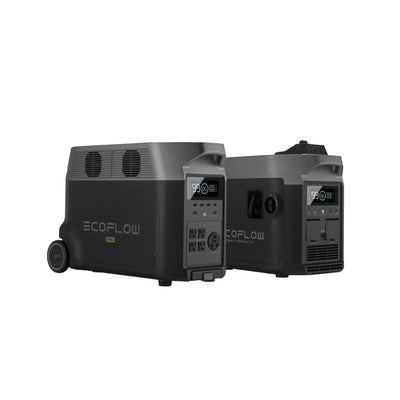
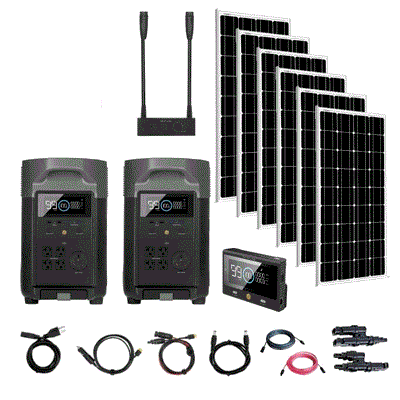
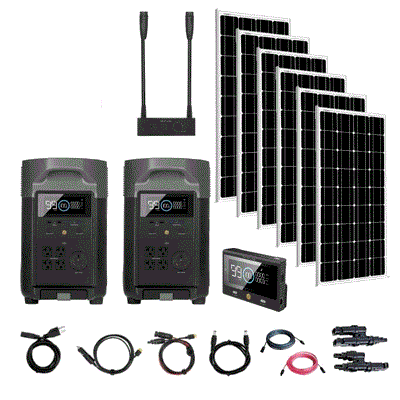
Portable solar generators, also called battery power stations, are rechargeable lithium iron phosphate units that run quietly, produce no direct emissions, and are safe for indoor use. They are the best portable electric generator option for apartments, condos, people with medical equipment, or anyone who cannot operate a fuel unit outdoors. The tradeoff is capacity: even large units are constrained by their stored energy, and recharging during an extended outage depends on solar panels, a vehicle, or shore power.
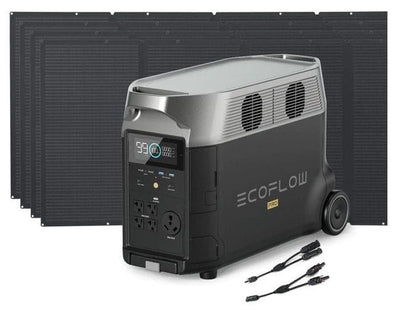
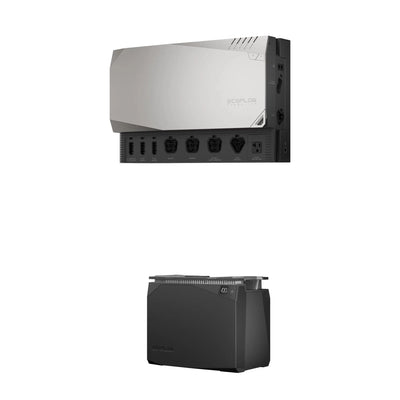
The EcoFlow Delta Pro Ultra is our top-priority solar generator, with 6,144 Wh per battery, 7,200 W continuous AC output, and LFP chemistry rated for 3,500 cycles. The system expands up to 90 kWh and 21.6 kW, which moves it into genuine home-backup territory. The EcoFlow Delta Pro Ultra X scales further, starting at 12.288 kWh and reaching up to 184.32 kWh with three inverters and 12 kW of 120/240V output per inverter.
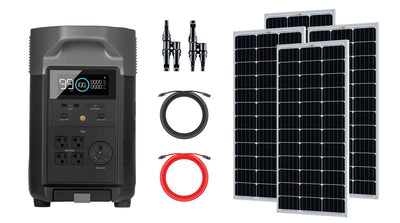
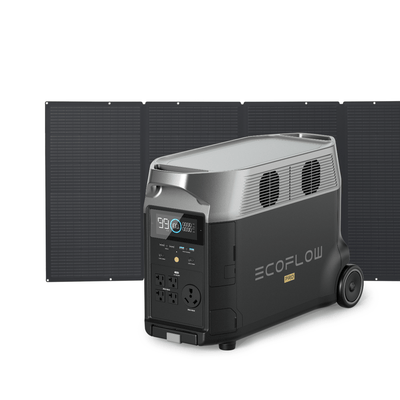
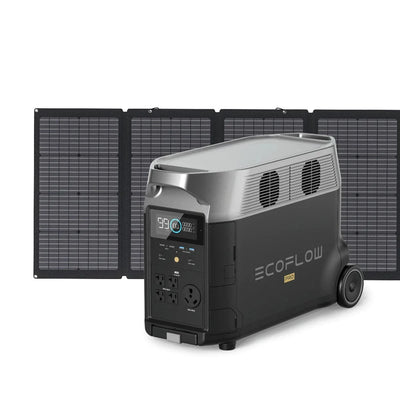
For a more portable form factor, the EcoFlow Delta Pro 3 delivers 4,096 Wh, 4,000 W rated output with 240V capability, and up to 2,600 W solar input.
The Anker Solix F3800 and Anker Solix F3800 Plus each carry 3,840 Wh and 6,000 W of 120/240V output, with the Plus model adding up to 3,200 W solar input.
The Jackery HomePower 3600 Plus offers 3,584 Wh, 3,600 W rated output with a 7,200 W surge, and expansion to 21 kWh, though 240V output requires two units connected in parallel.
For higher continuous output in a single unit, the Nature's Generator MyGrid 10K brings 10,496 Wh of LFP capacity, 10,000 W continuous output, and native 120/240V split-phase power.

Gas, dual-fuel, and tri-fuel portable generators
When an outage may last several days and refueling is realistic, fuel-powered portables remain the most practical high-output option. A conventional gas portable can run six to twelve hours on a tank depending on load, then be refueled and keep going. The output ceiling is also higher: gas portables commonly reach 10,000 to 13,000 watts, well above what most battery stations offer today. For shoppers comparing conventional models, our guide to the best gas generators is a useful related option.
Fuel flexibility matters most during hurricane season.
After a major storm, gas stations may be closed or have lines stretching for hours.
Dual-fuel generators run on gasoline or propane, and propane has a real advantage: it stores indefinitely, does not clog carburetors during long storage, and can be stockpiled well before a storm.
Tri-fuel units add natural gas, which is useful where a home has a gas line that stays live during an outage, though that is not guaranteed.
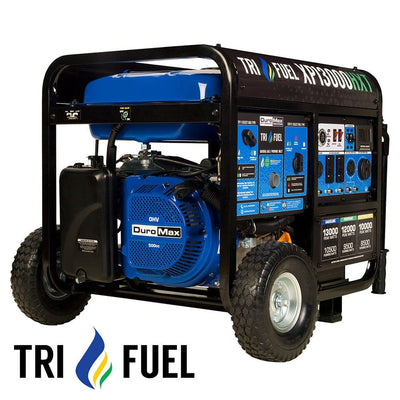
The Duromax XP13000HXT is a strong example of the tri-fuel category: 13,000 peak watts on gas, 12,000 on propane, and 11,000 on natural gas, with 120/240V output, CO sensor auto-shutdown, and less than 5% THD.
It is a large machine at 240 lb dry, but it covers serious home backup loads.
Our dual fuel and tri-fuel collections both carry Duromax options for buyers who want storm-season fuel insurance.
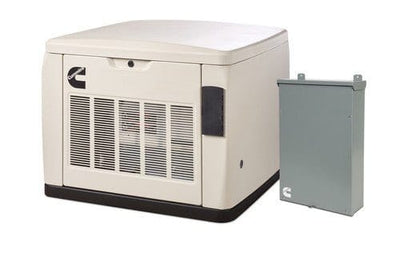
For a dual-fuel option with electronic fuel injection, the Cummins Onan P9500DF EFI delivers 9,500 peak watts on gas and 8,550 on propane, with a 6.6-gallon tank and CO auto-shutdown.
Portable diesel generators
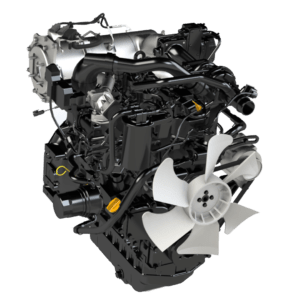
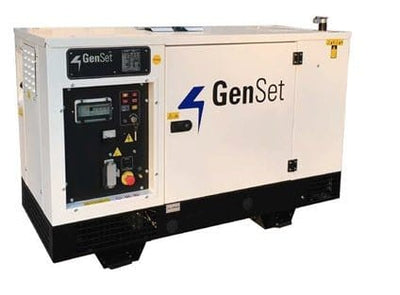
Diesel is the heavy-duty end of the portable conversation. These units are built for continuous or prime-power demands: jobsites, business operations, institutions, or remote locations where the generator may run for long stretches. Diesel fuel is denser in energy than gasoline, diesel engines handle sustained loads well, and there is no carburetor to gum up during storage.
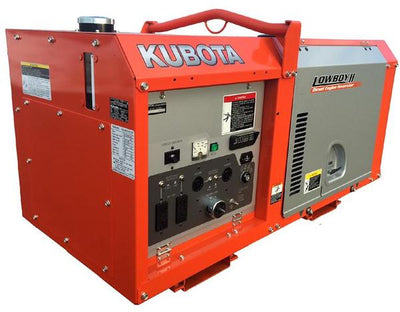
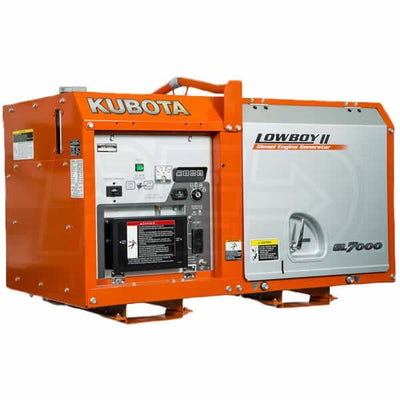
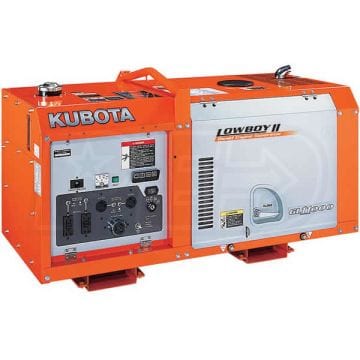
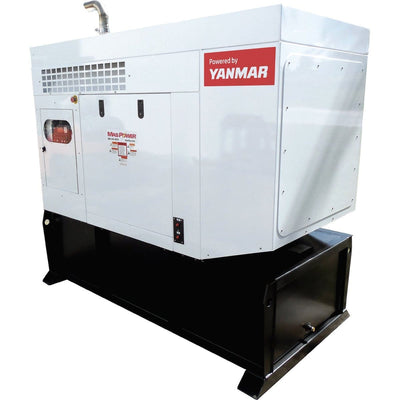
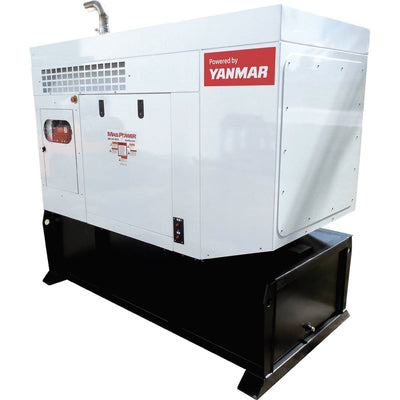
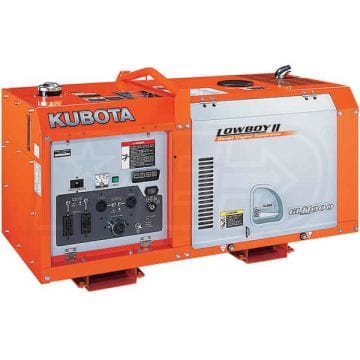
The Yanmar YDG5500N is a compact, direct-injection air-cooled diesel unit with 5.5 kVA maximum and 5.0 kVA continuous output, purpose-built for reliable operation where mobility still matters. For heavier commercial needs, the Kubota GL14000 LowboyPro delivers 12 kVA prime and 14 kVA standby output with a 9.62-gallon tank, sound-attenuated enclosure, and one-side maintenance access designed for rental fleets and jobsites. Our portable diesel generators collection covers this range for buyers whose loads and runtime expectations go beyond what a residential gas unit can sustain.
Side-by-side: which type fits which situation
| Generator type | Typical output range | Best for | Key tradeoff |
|---|---|---|---|
| Battery power station / portable solar generator | 1,000 to 21,000+ Wh (expandable) | Indoor-safe backup, apartments, short to medium outages, sensitive electronics | Limited by stored capacity; recharge time matters during extended outages |
| Gas portable (conventional) | 1,800 to 17,500 W | High-output home backup, extended outages with fuel supply, general portable power | Outdoor use only; CO risk; fuel storage and post-storm availability |
| Dual-fuel portable | Up to ~9,500 W running (gas) or ~6,750 W (propane) | Storm prep with fuel flexibility, storage-friendly propane backup | Slightly reduced output on propane; natural gas not included |
| Tri-fuel portable | Up to ~10,500 W running (gas), ~9,500 W (propane), ~8,500 W (natural gas) | Maximum fuel flexibility, homes with gas line backup option | Larger and heavier; natural gas output is lower than gas |
| Portable diesel | 3.5 to 12+ kVA continuous | Heavy-duty or prime power, jobsites, commercial and institutional use | More weight and cost; less common fuel at residential level |
| Inverter generator | 1,000 to 7,000 W typical | RV, camping, sensitive electronics, neighbor-friendly backup | Lower peak output; higher cost per watt than open-frame gas |
If your priority is clean, quiet power for indoor use and you already have or plan solar panels, battery power stations are the clearest starting point. If storm-season fuel logistics drive the decision, dual-fuel and tri-fuel portables are worth the closer look.
Alternatives for specific buyers
Boat owners need to treat this category separately.
Standard residential portable generators are not suitable substitutes for marine gensets: ABYC electrical requirements for AC grounding and neutral bonding differ from residential codes, and carbon monoxide risk in an enclosed boat space is especially serious.
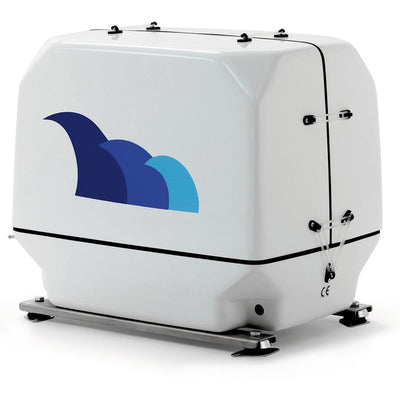
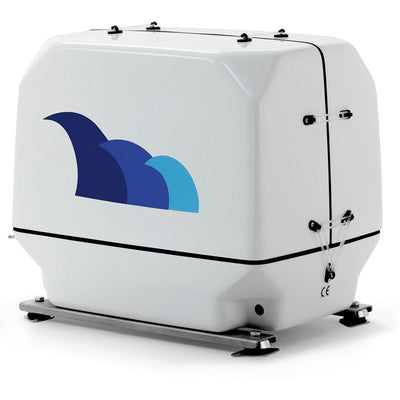
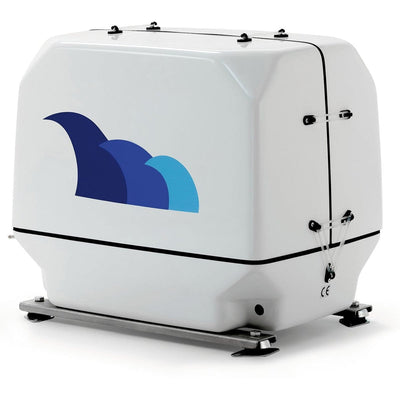
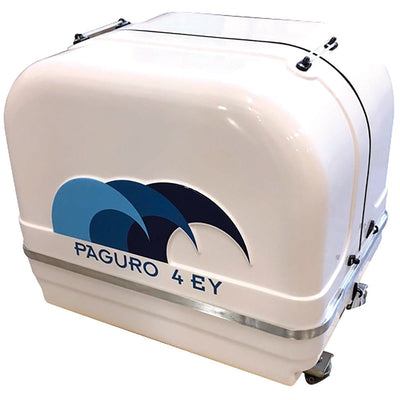
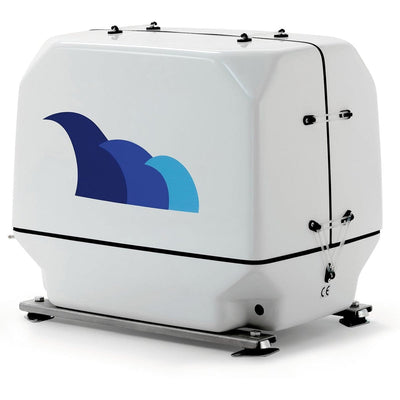
Marine generators from brands like MASE and Paguro are built for onboard exhaust routing, seawater cooling, and marine electrical compliance.
If you own a boat and need onboard power, that is a different conversation from home backup.
Small businesses, colleges, and institutions with continuous or prime-power demands are usually better served by larger diesel portables or standby-style systems than by residential gas portables. For larger facilities or whole-home coverage, compare the best standby generators before choosing a portable system. The runtime demands and load profiles are different enough that a sizing conversation with our team before ordering saves time and money.
How to choose the best portable generator for your situation
Carbon monoxide from fuel-powered generators kills nearly 100 people per year in the U.S. on average and can render a person unconscious before symptoms appear.
Keep that rule in front of every other decision: operate fuel-powered units outdoors only, at least 20 feet from any door, window, or vent, with exhaust directed away from the building. For extension-cord safety, OSHA advises using three-wire cords that provide grounding for connected tools and equipment and warns that wet cord connectors can create a path for current to reach people eTool : Construction - Electrical Incidents - Flexible Cords | Occupational Safety and Health Administration.
Never run a gas or diesel unit inside a garage, basement, or carport, even with the door open.
- List every appliance you need to power and look up both the running watts and starting watts for each one. Motors, refrigerators, sump pumps, and AC units all surge at startup and will catch you undersized if you plan only for running loads.
- Add your total running watts, then add the highest single starting-watt load on top of that sum. That is the output you need to cover simultaneously, not every surge at once, but the largest one while everything else is already running.
- Decide whether indoor-safe, quiet operation is a hard requirement. If it is, a battery power station is your category. If high output and multi-day runtime matter more and you can safely operate outdoors, move to fuel-powered options.
- Choose your fuel strategy. For storm prep, dual-fuel portables give propane as a backup when gas supply is uncertain. Tri-fuel adds natural gas for homes where that supply stays live. Diesel suits heavy continuous loads and buyers who can manage that fuel type.
- Plan your connection method before you buy. Extension cords work for portable appliances. Hardwired circuits need a properly installed transfer switch or interlock kit. Contact a licensed electrician and get that in place before a storm is in the forecast.
- Buy early in the season. Order with enough lead time for standard shipping, test the unit at home, store or stabilize your fuel supply, and confirm your transfer equipment is in place. Overnight shipping on generators is generally not available from most manufacturers, and when it is possible, the cost can equal or exceed the generator itself.

Atlantic hurricane season runs June 1 through November 30, and in our experience, demand spikes sharply once a storm develops in the Atlantic, sometimes before it makes landfall. For additional hurricane preparation guidance, see Preparing for Hurricanes or Other Tropical Storms | Hurricanes | CDC.
The best electric portable generator for any situation is the one already on your property, tested, and fueled before the season starts. Understanding the benefits of having a generator can help you decide which backup power option fits your property and needs.
Waiting until a storm is two days out means empty shelves and no fast shipping option to fix it.
Browse our solar generators, dual-fuel, tri-fuel, and diesel collections, or reach out to our USA-based team to talk through the right fit for your load and location.
Frequently asked questions
Can a portable generator power a whole house?
Usually not without careful load planning and the right 120/240-volt setup. Central air conditioning, electric water heaters, well pumps, and ranges may require a larger unit plus a properly installed transfer switch, while smaller models are better for selected essential circuits.
What size portable generator do I need for a sump pump?
Check both running and starting watts, because a typical sump pump may need about 500 to 1,200 running watts and 1,000 to 2,500 starting watts. Leave additional capacity for refrigerators, fans, lights, or other equipment that may start at the same time.
Are portable power stations safe to use indoors?
Battery power stations do not produce fuel exhaust, so they can generally be used indoors when the manufacturer permits it and ventilation, charging, and clearance instructions are followed. Fuel-burning generators must remain outdoors, never in a home, garage, porch, or carport.
What should I check before buying one of the best portable generators?
Confirm the model’s running and surge wattage, voltage, fuel or recharge plan, noise level, outlet type, and whether it supports your intended transfer switch or inlet. Also verify shipping timing before hurricane season, since overnight generator delivery during an active storm is generally unavailable.
← Older Post Newer Post →