 (954) 249-2314
Best Diesel Generators for Homes, Farms, and Businesses
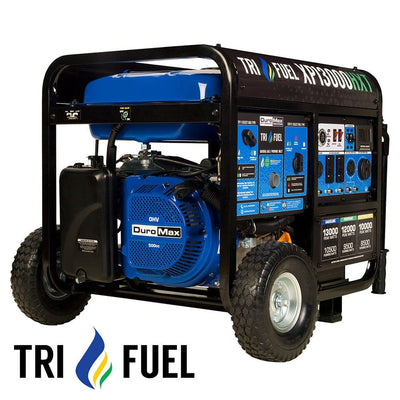
The best diesel generators for most US buyers come from Yanmar, Kubota, or Cummins, depending on how much power you need, how long it has to run, and where it has to sit. At All Pro Generators, we carry all three and get asked every week which one fits a specific situation. Diesel is genuinely excellent for sustained loads, remote locations, and fuel-storage scenarios, but it is not automatically the right choice for every home or business. If you are comparing fuel flexibility rather than diesel capacity, see our guide to the best tri fuel generators.
When diesel is actually the right call
Diesel generators earn their place when the load is heavy, the run time is long, and the fuel needs to sit in a tank rather than flow from a pipeline. Liquid diesel stores safely on site, carries more energy per gallon than propane, and does not depend on a utility gas line that a hurricane or earthquake can disrupt. For farms, job sites, rural properties, and commercial operations running equipment around the clock, those advantages are real.
For many homeowners, the picture is more nuanced. Understanding the benefits of having a generator can help homeowners decide whether diesel is worth the added maintenance and fuel-storage requirements.
Natural gas standby units, propane systems, or solar backup with battery storage can be simpler to install, quieter to live with, and easier to fuel between outages.
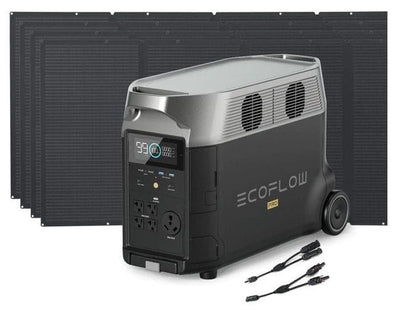
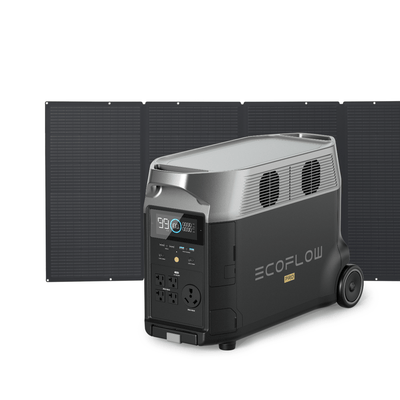
If your main goal is keeping the refrigerator and a few lights running during a grid outage without significant maintenance overhead, a gas or propane standby or a quality solar power station may create less complexity.
Diesel shines when sustained heavy loads, extended run times, or remote access make stored liquid fuel a genuine advantage over a pipeline or repeated gasoline runs.
What actually makes one diesel generator better than another
Before settling on a brand or model, run through these criteria. The right answer to each one changes which generator belongs on your short list.
- Running watts vs starting watts: Your total running load matters, but the starting surge of the largest motor determines the minimum generator size. A half-horsepower well pump needs around 1,000 running watts but can demand over 2,100 watts to start. Size for the surge, not just the steady draw.
- Output voltage: If you need to run a well pump, central AC, electric dryer, or a whole-home transfer switch, you need 120/240V output. Confirm the model you are considering actually provides it, not just 120V receptacles.
- Duty cycle: Are you powering a job site all day, running through a multi-day outage, or starting the generator once a week for a few hours? Portable open-frame units and enclosed industrial sets are built for different duty cycles.
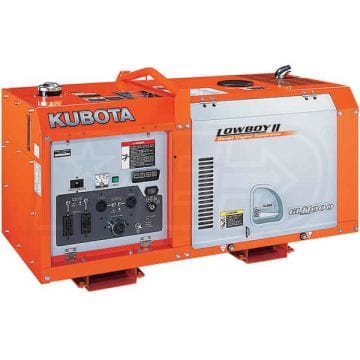
- Portability vs enclosure: An open-frame portable unit weighs roughly 80 to 110 kg. An enclosed industrial unit like the Kubota GL14000 LowboyPro ships at over 1,000 pounds. Placement, delivery, and site preparation are part of the purchase decision.
- Noise: Open-frame portable diesels typically produce 82 to 85 dB at 7 meters. Enclosed units can come in closer to 65 to 67 dB at rated load. Local ordinances and neighbors matter.
- Emissions compliance: Confirm the model meets EPA Tier 4 Final requirements and, if you are in California, CARB compliance as well.
- Maintenance access and parts support: Diesel engines need regular oil changes, filter replacements, fuel quality checks, and load testing. Choose a brand with US service support and available parts.
- Total cost of ownership: The purchase price is only the start. Factor in fuel, service intervals, installation or transfer-switch work, and whether your load requires professional sizing help.
The diesel generators we recommend by use case
Portable backup, farms, ranches, and remote work: Yanmar YDG3700
The Yanmar YDG3700W-6EI is what we recommend when someone needs a reliable portable diesel generator for home backup on critical loads, contractor work, farm or ranch power, or remote property maintenance.
It produces up to 3,700 watts maximum and 3,500 watts continuous at 120/240V single-phase, which covers most critical-load scenarios when you have done an honest load calculation.
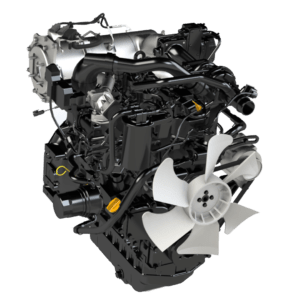
The Yanmar L70 direct-injection diesel engine starts electrically with a recoil backup, includes low-oil protection, and runs on a 13-liter tank with approximately 9 hours of operating time.
Open-frame construction keeps weight manageable at around 81 kg with electric start, and 82 dB at 7 meters is typical for this output class.
This is a diesel generator for home emergency use and field work, not a whole-house solution.
More capacity for demanding backup and field use: Yanmar YDG5500
When the YDG3700 is not quite enough, the Yanmar YDG5500W-6EI steps up to 5.5 kVA maximum and 5.0 kVA continuous.
It uses the same direct-injection air-cooled diesel engine design with AVR voltage regulation, electric start, forced lubrication, and low-oil engine stop protection.
The 13-liter tank supports approximately 6 hours of runtime at rated load, so refueling is part of extended-use planning.
At 108 kg and 85 dB at 7 meters, it is heavier and louder than the YDG3700, but handles a wider range of simultaneous loads including 240V circuits that smaller portables cannot serve.
The 2-year or 2,000-hour warranty reflects the durability Yanmar builds into this engine family.

Enclosed industrial power for job sites and heavy commercial use: Kubota GL14000 LowboyPro
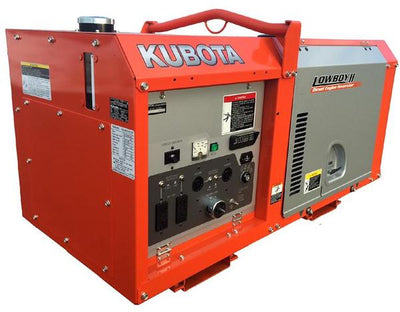
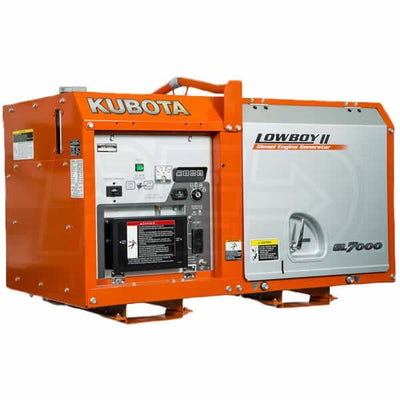
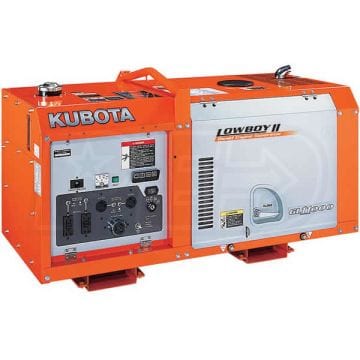
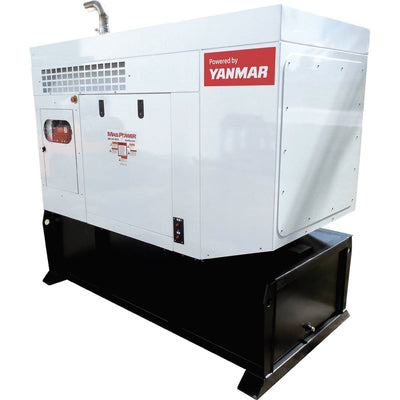
The Kubota GL14000 LowboyPro Industrial Diesel Generator is a fundamentally different machine. It produces 12 kW rated and 14 kW surge at 120/240V single-phase, runs a Kubota D902 diesel engine at 3,600 rpm, and meets both EPA Tier 4 Final and CARB emissions requirements. The steel enclosure brings no-load noise down to 65 dB and rated-load noise to 67 dB at 7 meters, far more usable in occupied areas than an open-frame unit of similar output.
A 9.62-gallon diesel tank supports roughly 11 hours at 50% load and 7 hours at full load, with fuel consumption around 0.85 gallons per hour at half load.
The unit weighs 904 pounds and ships at over 1,000 pounds, so liftgate delivery, site prep, and receiving logistics are not afterthoughts.
It includes a built-in spill containment system rated at 186% of total fluid volume, overcurrent protection, and multiple engine shutoffs.
At $14,638, the GL14000 is priced for buyers who need heavy-duty site power and long-running capability, not occasional household backup.
Commercial, prime, and large standby: Cummins diesel systems
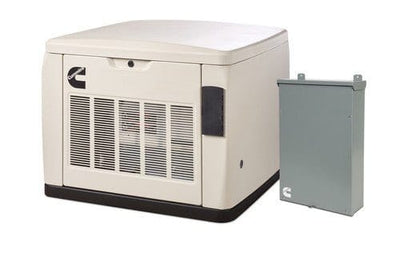
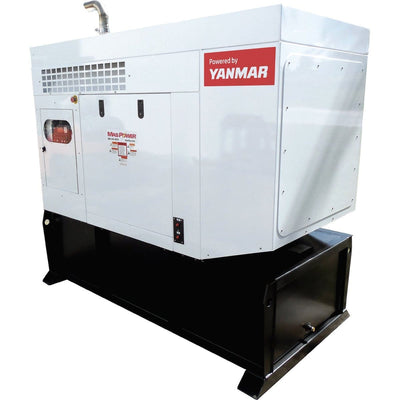
For commercial or institutional buyers who need diesel standby, prime, or continuous power at scale, Cummins is a serious path.
The industrial diesel portfolio runs up to 1,000 kW, with options for sound-attenuated enclosures and rated configurations for standby, prime, and continuous use.
The right Cummins model depends entirely on your site load, duty cycle, and local code requirements.
Sizing and quoting for this class of equipment requires a proper conversation, and our US-based generator specialists handle exactly those questions.
Side-by-side: how these generators compare
| Model | Rated Output | Voltage | Enclosure | Weight | Noise at 7m | Runtime | Best For |
|---|---|---|---|---|---|---|---|
| Yanmar YDG3700W-6EI | 3,500 W continuous / 3,700 W max | 120/240V single-phase | Open frame | 81 kg | 82 dB | ~9 hr (13L tank) | Portable backup, farms, contractors, remote work |
| Yanmar YDG5500W-6EI | 5,000 W continuous / 5,500 W max | 120/240V single-phase | Open frame | 108 kg | 85 dB | ~6 hr (13L tank) | Heavier backup loads, 240V circuits, field use |
| Kubota GL14000 LowboyPro | 12,000 W rated / 14,000 W surge | 120/240V single-phase | Steel enclosure | 904 lb (410 kg) | 65 to 67 dB | ~11 hr at 50% load | Job sites, commercial, industrial, heavy-duty site power |
| Cummins commercial diesel | Varies (up to 1,000 kW) | Site-specific | Optional sound-attenuated | Varies | Varies | Varies | Commercial, prime, continuous, institutional standby |
Noise and weight are not footnotes in that comparison. The difference between an open-frame portable and a 900-pound enclosed unit affects where you can legally place it, how it gets delivered, and what your neighbors experience during a multi-day outage. Factor those realities in before focusing only on wattage.
Alternatives worth considering for specific buyers
Not every buyer searching for a diesel generator for home use ends up needing one. Reviewing common generator uses can help determine whether diesel power is the right fit for your home or project. For buyers who want fuel flexibility, comparing the best dual fuel generators may reveal a more practical alternative. If diesel is not the right fit, compare these options with the best propane generators for cleaner-burning household backup.
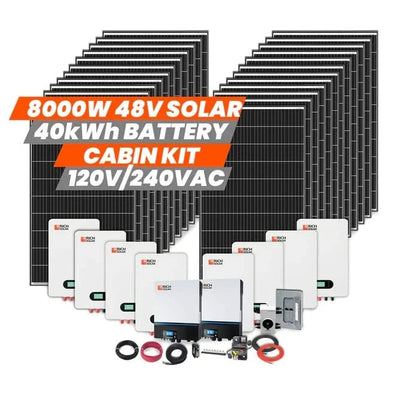
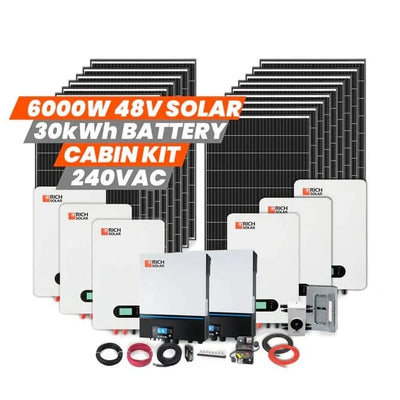
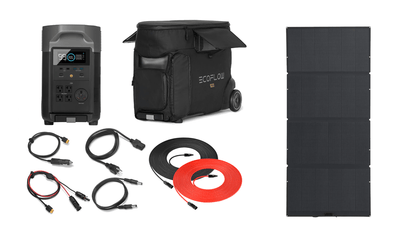
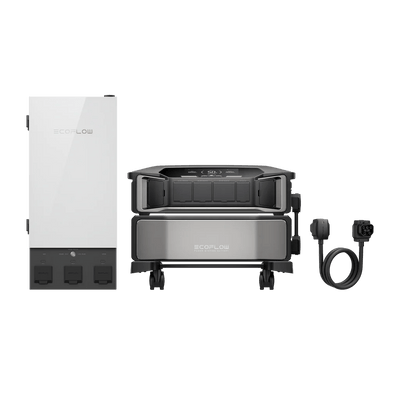
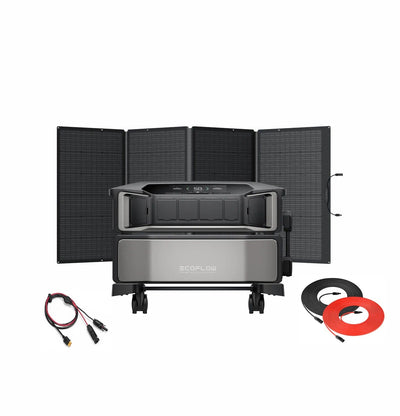
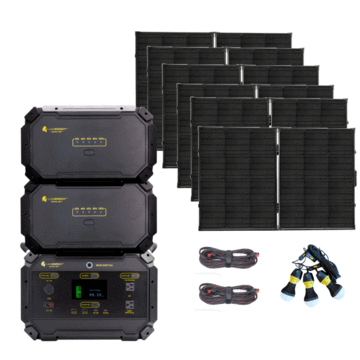
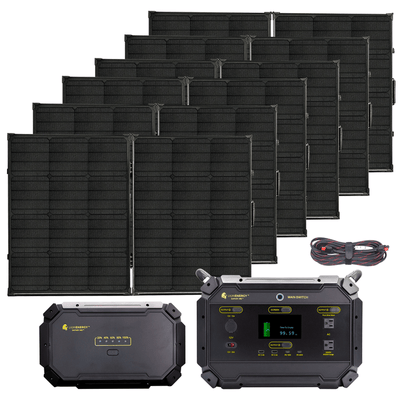
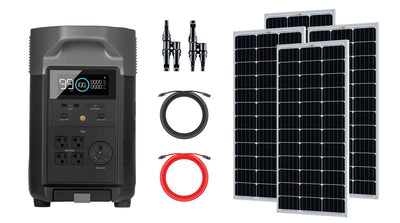
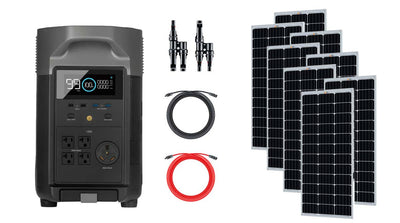
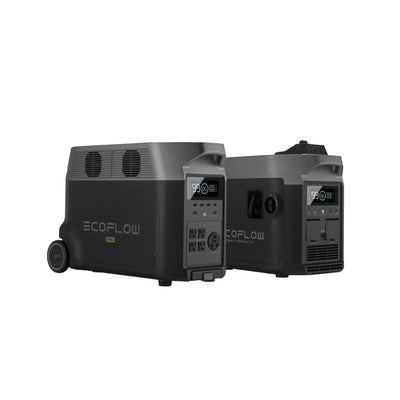
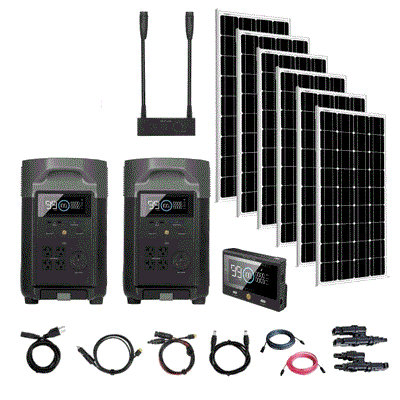
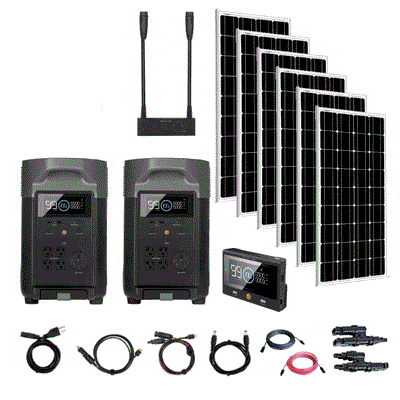
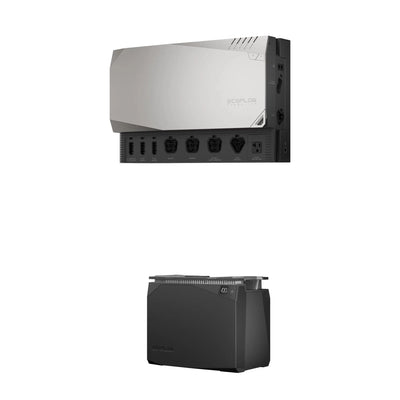
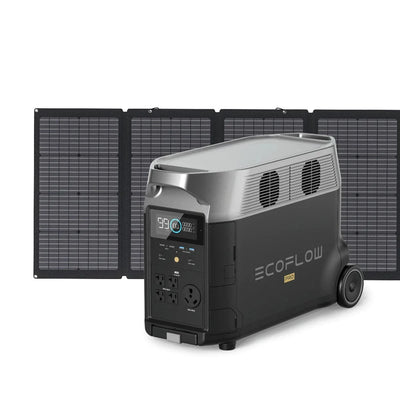
If your loads are modest and your primary goal is keeping critical appliances running quietly and safely, a solar power station or home battery backup is worth a hard look.
These units produce no exhaust, can operate indoors, and require no fuel storage.
Solar backup suits low-to-moderate critical loads well, though it cannot sustain high continuous draws the way a diesel generator can.
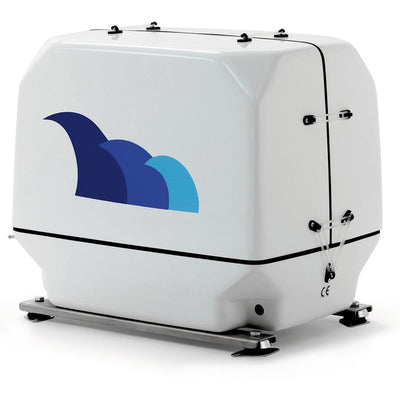
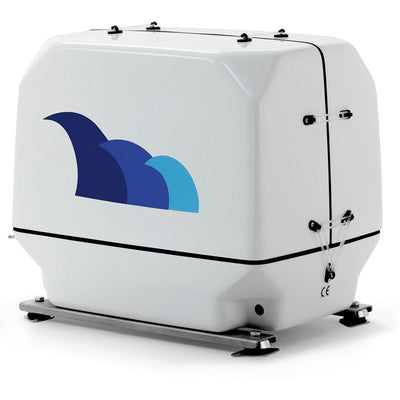
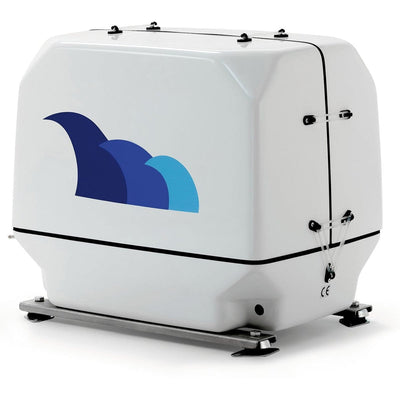
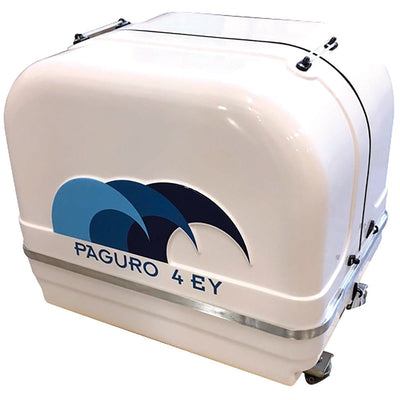
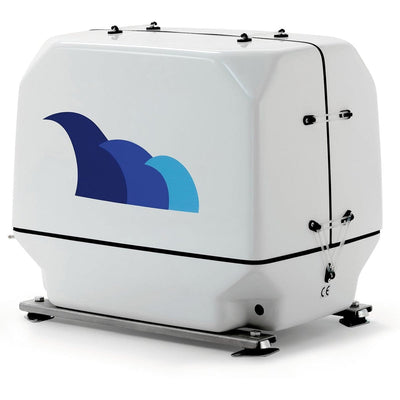
Buyers who want fuel flexibility for storm prep sometimes find a dual-fuel or tri-fuel portable a more practical match, since those units can run on gasoline when diesel supply is constrained after a regional storm. Marine buyers should note that a land-based unit is not a suitable marine installation. Boat-specific ventilation, exhaust routing, fuel systems, and carbon monoxide detection requirements put marine generator sets in a separate category with their own standards.
Ownership realities and how to choose
Diesel's durability advantage is real only if the generator is maintained.
Standard service intervals typically include oil and filter changes, fuel filter and air filter replacement, coolant checks, and belt inspection, with 240 operational hours a common reference point for continuous-duty units.
Diesel fuel stored in a standby tank should also be tested and treated annually.
Old or contaminated diesel causes hard starts and injector problems when you need the machine most.
Running a diesel generator at very light loads for extended periods can cause wet stacking, where unburned fuel accumulates in the exhaust system and leads to power loss and accelerated wear. Diesel generators generally need to carry at least 30% of their rated load during regular operation. If your normal demand is much lower than the generator's capacity, a smaller unit is often a better match than running a large one lightly for years.
Safety placement matters for any combustion generator.
Keep it at least 25 feet from your home with the exhaust pointed away from doors, windows, and vents.
Never connect a generator directly to your home's electrical panel without a proper transfer switch installed by a qualified electrician. OSHA’s Grounding Requirements for Portable Generators | OSHA Fact Sheet explains when a portable generator frame must be bonded to its receptacle grounding terminals and when a structure connection requires a grounding electrode system and qualified electrician.
Backfeed from an improperly connected generator is dangerous to utility workers and to your own equipment.
For whole-home or 240V transfer, a licensed electrician and an automatic transfer switch are required.
With those realities in mind, here is a direct decision path.
- Calculate your load before picking a model. List every appliance or circuit you need to power, note the running watts for each, and identify the one with the highest starting surge. Add running watts for everything you want to run simultaneously, then add the starting surge of the largest motor. That total is your minimum generator size.
- Confirm you need 120/240V output. If your load includes a well pump, central AC, electric dryer, or a panel-level transfer switch, the generator must provide 120/240V. Both Yanmar models and the Kubota GL14000 provide this; verify it for any unit you consider.
- Match the enclosure type to the site. If you need portability and can handle open-frame noise, the Yanmar YDG3700 or YDG5500 is the practical choice. If the installation is semi-permanent, noise matters, and the load justifies it, the enclosed Kubota GL14000 is a much more comfortable long-term solution.
- Plan the fuel supply, not just the tank. Know how long the onboard tank supports your load, what refueling looks like during a multi-day outage, and whether local fuel supply could be constrained after a regional storm. When searching diesel power generators for sale intended as standby units, a larger external tank extends run time significantly but adds local code and storage compliance requirements.
- Plan delivery and installation before you need the generator. Heavy freight units require a liftgate truck and a clear receiving area. Transfer-switch work requires scheduling a qualified electrician. We process and ship orders quickly, but freight transit and installation take time. Order before hurricane season, not when a storm is already forming in the Gulf.
- Call us if sizing is unclear. Commercial loads, three-phase requirements, prime or continuous-duty applications, and Cummins commercial diesel options all benefit from a direct conversation. Our US-based team handles exactly these questions.

For portable field and backup power, the Yanmar YDG3700 and YDG5500 are strong, well-supported options with proven engines and real manufacturer warranties.
For demanding site power where noise, enclosure, and runtime matter, the Kubota GL14000 LowboyPro is in a different class.
For commercial, institutional, or large standby needs, Cummins requires a quote built around your specific loads.
Match the machine to the job, and the best diesel generator choice becomes straightforward.
Frequently asked questions
What is the best diesel generator for home backup?
For smaller emergency loads, a portable Yanmar such as the YDG3700 or YDG5500 may fit, while whole-home backup usually requires a professionally sized standby system and transfer switch. Diesel is not automatically the simplest residential choice, so compare it with propane, natural gas, or solar based on fuel access, noise, installation, and expected outage length.
How do I size the best diesel generator for my needs?
Add the running watts of the equipment you plan to use, then add the largest starting-watt demand from motors such as pumps, refrigerators, or air conditioners. Also confirm the generator supplies 120/240-volt power if you need a well pump, central air conditioner, electric dryer, or panel-connected circuits.
Is a portable diesel generator suitable for a job site or farm?
It can be a strong fit when you need sustained power, onsite diesel storage, and equipment that can be moved between locations. Check the unit's rated output, receptacle types, lifting or transport requirements, noise, emissions compliance, and whether your tools will keep the engine above very light loads.
What should I do before buying a diesel generator for hurricane season?
Order early enough for freight delivery, electrical work, fuel planning, and a test run before demand rises. Portable combustion generators must remain outdoors at least 25 feet from the home with exhaust pointed away from openings, and any connection to household wiring requires a qualified electrician and proper transfer equipment.
← Older Post Newer Post →