 (954) 249-2314
Generator Uses: What Can a Generator Power?
Generators power everything from home refrigerators and sump pumps to medical devices, worksite tools, and marine air conditioning. The full range of generator uses is wide, and the right match depends far more on which loads matter most and for how long than on raw wattage. At All Pro Generators, we work with homeowners, businesses, off-grid property owners, and boat owners regularly, and the most useful thing we can say upfront is this: understanding your actual power needs before you shop makes every other decision easier.
What a generator can actually power
The range runs from a compact solar power station keeping a CPAP machine, phone chargers, and a router running overnight, all the way to a large standby unit powering a whole house through a week-long outage. Most people fall somewhere in between, and the real planning work is matching the machine to the loads that matter most.
During an outage, the loads that tend to matter first are refrigeration, communications, water supply, climate control, and medical devices. Convenience appliances come after. Trying to run everything at once is how people end up overloading a generator that was genuinely sized for the critical list.
Motor-driven appliances carry two wattage numbers.
Running watts is what a device needs to keep operating.
Starting watts is the brief surge a motor needs to kick on, which is always higher.
A refrigerator might draw 150 to 400 running watts but briefly demand 800 to 1,200 watts to start its compressor.
A half-horsepower well pump runs at 750 to 1,000 watts and surges to 1,500 to 2,000 watts at startup.
A half-horsepower sump pump runs at 500 to 800 watts and starts at 1,000 to 1,600 watts.
Your generator must handle that startup spike on top of everything else running at that moment.
Nameplate data and owner's manuals are more reliable than broad online estimates.

Generator types and what they do best
Using a generator well starts with choosing the right category for the job, not just the right wattage number. Each type involves genuine trade-offs in cost, convenience, fuel logistics, and capability.
| Generator Type | Best Uses | Key Trade-Off |
|---|---|---|
| Portable gas, dual-fuel, or tri-fuel | Home backup, jobsite, storm prep, camping | Manual start, outdoor placement, fuel storage required |
| Home standby (propane or natural gas) | Whole-house or critical-circuit backup, automatic response | Higher cost, licensed installation required |
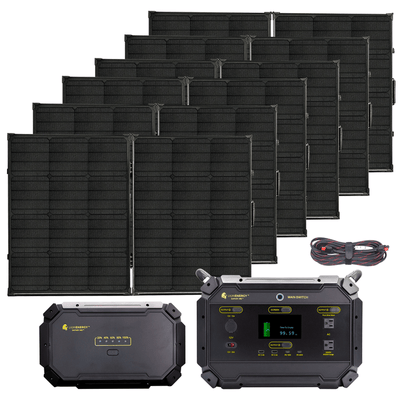
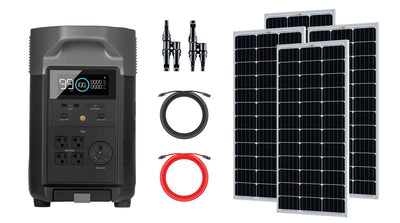
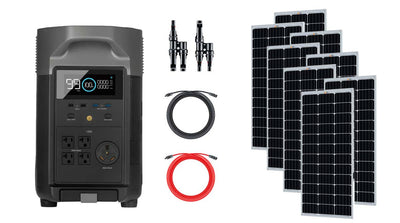
| Solar power station or portable solar generator | Quiet backup for medical devices, communications, low-draw loads, off-grid use | Limited by battery watt-hours and solar recharge conditions |
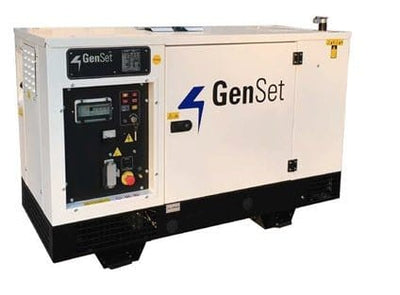
| Diesel generator (portable or industrial) | Heavy worksite, commercial, prime power, longer runtime | Diesel fuel logistics, higher upfront cost, excellent durability |
| Marine generator | Boat AC, refrigeration, battery charging, onboard galley systems | Marine-rated installation required; not interchangeable with land units |
Portable generators are the most flexible entry point.
Gas models are common, but dual fuel generators add propane as an option.
Propane stores without degrading the way gasoline does, which matters when a storm hits and you need fuel that has been sitting in a tank for months.
Tri-fuel generators go further by adding natural gas, which can be critical when a hurricane shuts down local gas stations.
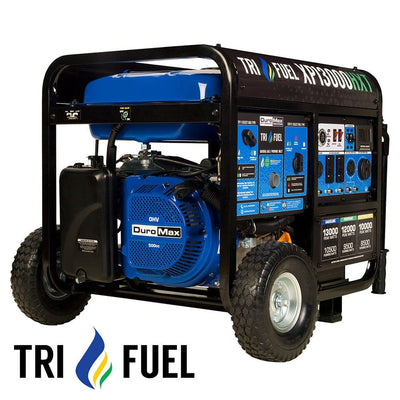
A Duromax XP13000HXT Tri-Fuel Generator delivers 13,000 watts on gasoline, propane, or natural gas with a CO Alert system, which is exactly the kind of fuel flexibility that earns its keep in a real emergency.
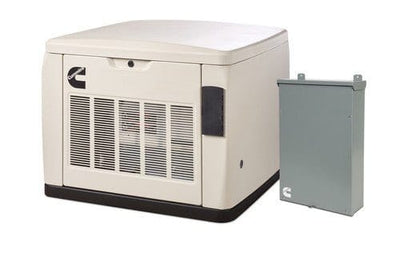
Standby generators connect to your home or business electrical panel through a transfer switch and start automatically when the grid drops. They can run for days or weeks on propane, or essentially indefinitely on a natural gas line as long as utility service holds. Cummins QuietConnect residential home standby units, manufactured in the United States, range from 13 to 150 kW and represent the most integrated automatic response available for homeowners who do not want to manage the process manually.
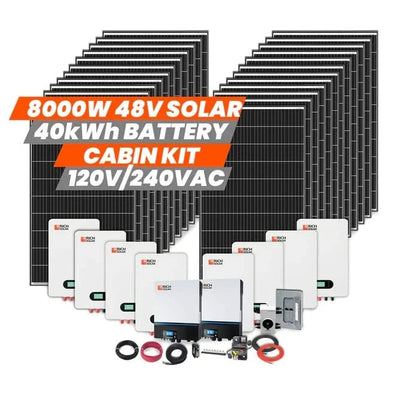
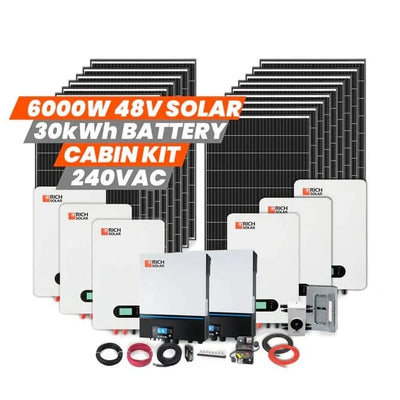
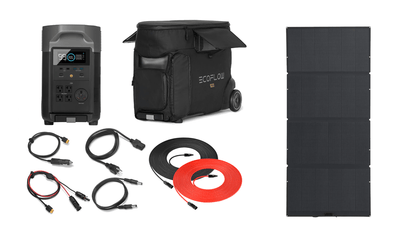
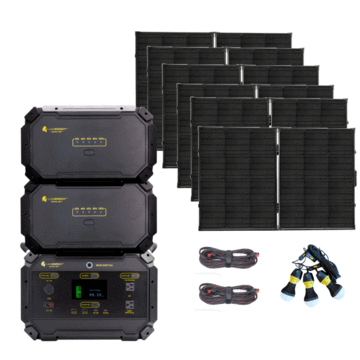
Solar generators and battery power stations store energy rather than burn fuel.
No fumes, no noise concerns, no outdoor placement rules for the unit itself.
That makes them excellent for CPAP machines, routers, phone chargers, and LED lights during an outage.
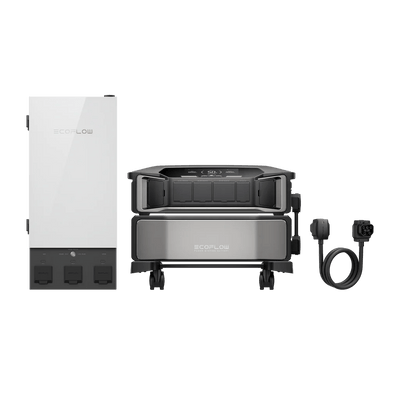
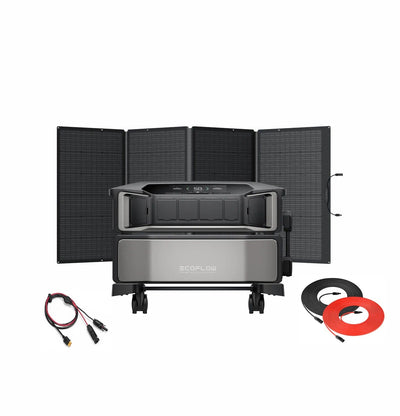
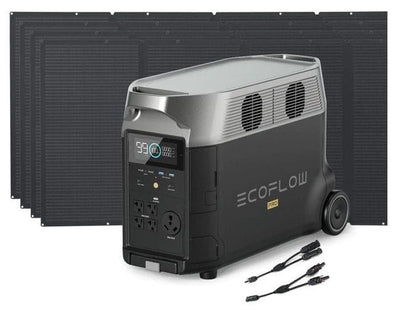
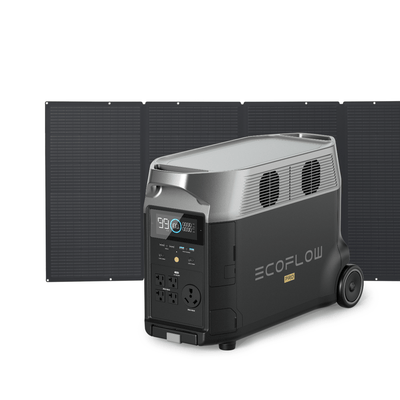
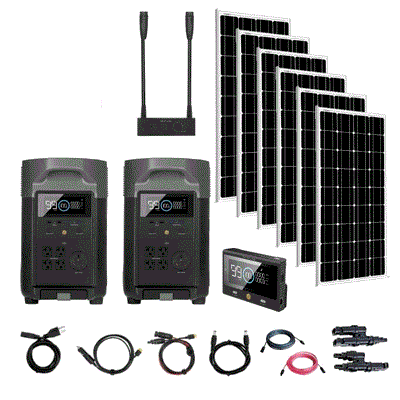
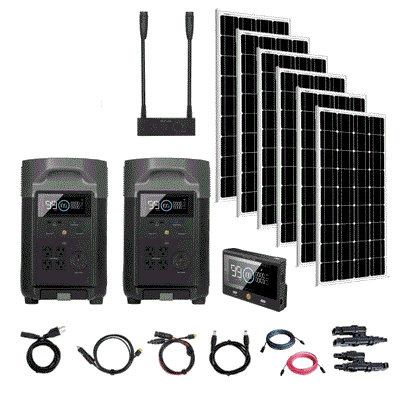
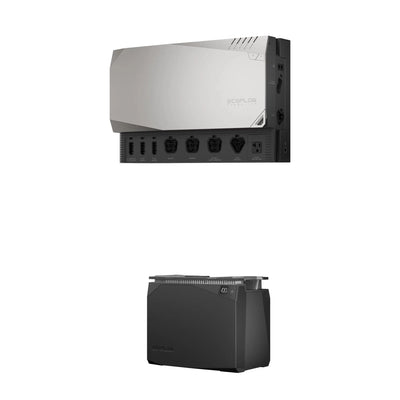
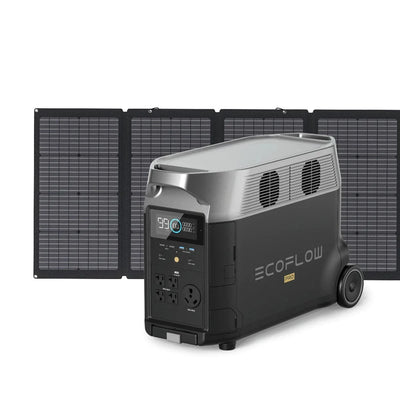
The EcoFlow Delta Pro Ultra can output up to 7,200 watts with solar input up to 5,600 watts per inverter, making it genuinely capable of powering critical home circuits when properly integrated.
The Anker Solix F3800 carries 3,840 Wh and outputs up to 6,000 watts.
The Jackery Solar Generator 5000 Plus offers 5,040 Wh with 120V/240V capability.
These are serious systems, but battery watt-hours, not marketing language, determine how long they last.
Diesel generators occupy their own category for heavier, longer-duration, commercial, and industrial work.
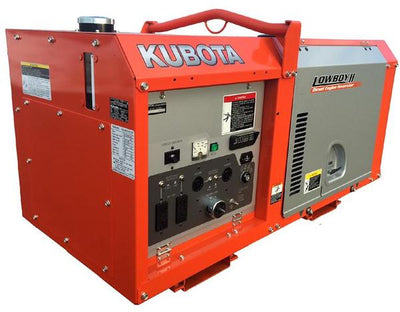
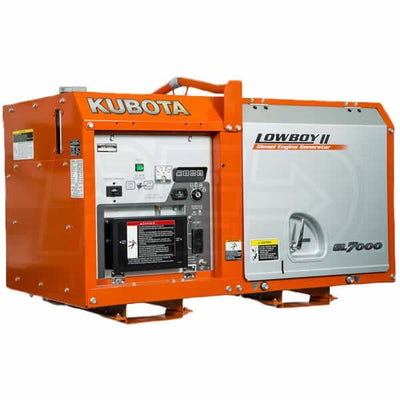
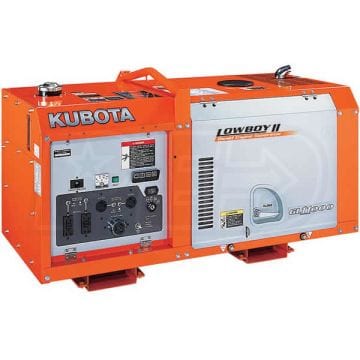
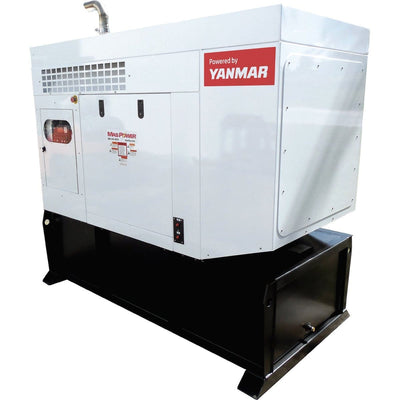
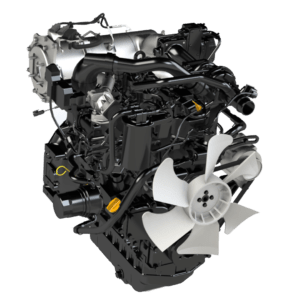
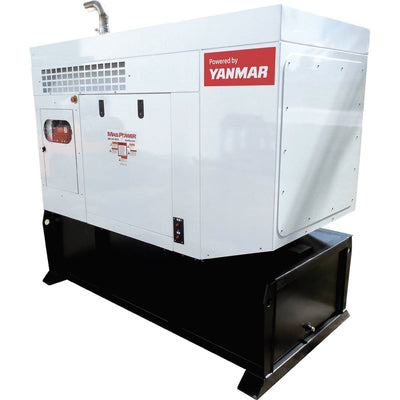
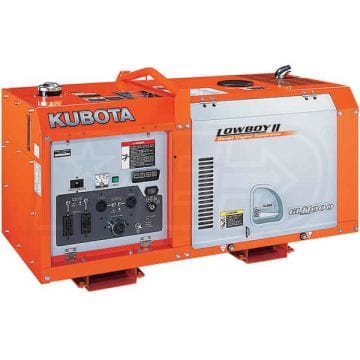
The Kubota GL14000 LowboyPro delivers 12 kVA rated output from a 9.62-gallon tank, running roughly 7 hours at full load and up to 15 hours at lighter loads. Yanmar diesel units, made in Japan and built for long engine life, include the YDG5500N at 5.0 kVA.
For worksites and prime power applications, portable diesel generators are worth serious consideration.
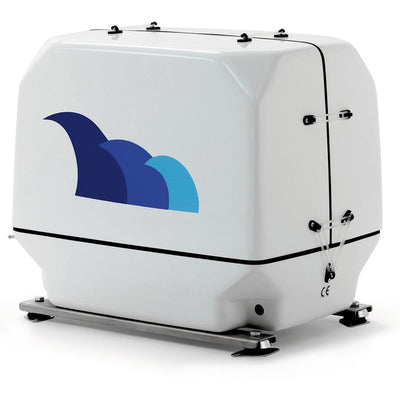
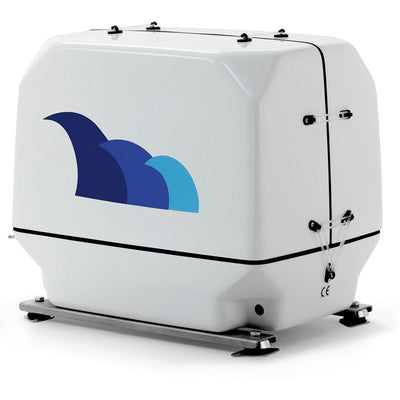
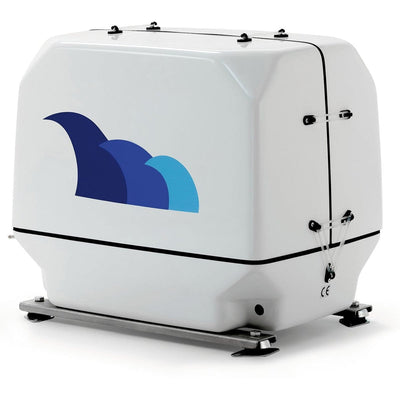
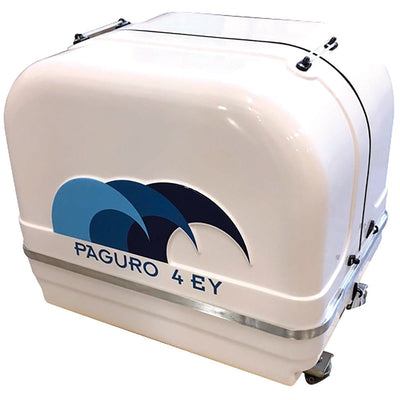
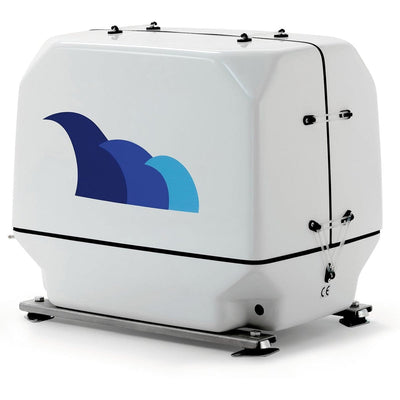
Marine generators are a separate category entirely: marine-rated gensets such as the MASE IS 5.0 are specifically designed for onboard installation and the corrosive environment of a boat.
Adapting a land-based unit for marine use is not the right approach, and marine AC loads alone can draw 1,400 to 2,000 watts continuously.
How to size a generator for your loads
Sizing comes down to two numbers: total running watts of everything you plan to run simultaneously, and the starting watts of the largest motor on that list. Work through it in order.
- List every appliance or device you want to run at the same time. Start with critical loads: refrigeration, water, heating or cooling, medical devices, communications.
- Check the owner's manual or data plate on each device for running watts. If only amps are listed, multiply amps by voltage (usually 120) to convert to watts.
- Identify the single motor-driven appliance with the highest starting watt requirement. This is often a well pump, sump pump, or refrigerator compressor.
- Add the total running watts of your simultaneous loads, then add the starting watts of that largest motor to find your peak load requirement.
- Apply a 20% safety margin to the peak number. This protects the generator from strain and leaves room for load variation. If your calculation lands at 4,800 watts, a 6,000-watt generator is a practical minimum.
- Compare that final figure to the generator's rated output, not maximum output. Rated output is what the unit sustains continuously.
For a solar power station, the same output math applies, but you also need to account for watt-hours of stored capacity versus expected outage length. A refrigerator cycling at 150 to 400 running watts over 24 hours will consume roughly 1,500 to 3,000 watt-hours depending on the model and ambient temperature. Factor in whether solar panels can recharge the unit during daylight hours, because an overcast stretch changes the math significantly.
Generator safety: the rules that matter
Carbon monoxide is the most serious risk with any fuel-burning generator.
CO is colorless and odorless and can incapacitate or kill quickly.
Never run a gas, diesel, or propane generator inside a home, basement, or garage.
The CDC is explicit: keep it at least 20 feet from any door, window, or vent, and install a battery-powered CO detector in your home whenever a fuel-burning generator is running.
This applies every time, not just during major storms.
Backfeeding is the second major hazard.
Plugging a generator directly into a wall outlet or using a male-to-male extension cord to feed power into your home wiring can energize utility lines and seriously injure or kill workers making repairs.
It can also damage your home's wiring and connected appliances.
A properly installed transfer switch or interlock kit isolates generator power from the grid.
When your plan involves house circuits rather than plugging devices directly into the generator, a licensed electrician needs to be part of the installation.
Extension cords add their own risks.
Use heavy-duty, outdoor-rated cords with a grounding conductor, and confirm the wire gauge is sufficient for the load you are running. OSHA's Grounding Requirements for Portable Generators | OSHA Fact Sheet advises following the manufacturer's grounding instructions and using heavy-duty extension cords with a grounding conductor.
Undersized cords overheat.
Plugging appliances directly into the generator is always the safer approach when the cord length allows it.

Storm prep, maintenance, and getting the timing right
Hurricane season runs from June 1 through November 30, and demand for generators spikes fast when a storm is named and tracking toward land.
Supply chains tighten, inventory drops, and shipping lead times stretch.
Overnight generator shipping is generally not possible, and when it is available it can cost as much as or more than the generator itself.
Order and test your equipment before a storm appears in the forecast, not while it is developing in the Atlantic.
Maintenance is not optional either.
A generator sitting in a garage for two years may fail to produce power even if the engine runs, because stored machines can lose their residual magnetism.
Run portable generators periodically, keep fuel stabilizer in stored gasoline, and drain fuel properly when preparing for long-term storage.
Solar power stations should be checked and recharged every one to three months, with long-term storage at around 50% charge.
A generator that does not start during a storm is just a piece of metal.
One practical note on food safety during outages: a closed refrigerator holds food safely for about 4 hours, and a full freezer holds for roughly 48 hours. A generator plan that cycles refrigeration rather than running everything continuously can stretch both fuel and battery capacity meaningfully.
Work through your load list, check the nameplate data on your actual appliances, and involve a licensed electrician when transfer switches or house circuits are part of the plan. We carry options across all of these categories, from portable solar generators and dual fuel portables for flexible home backup to tri-fuel models and portable diesel generators for heavier demands. Our US-based team can help you match the right unit to your actual situation. Understanding the benefits of having a generator can help you decide which backup power option best fits your home or business.
Frequently asked questions
Can a generator run a refrigerator and sump pump at the same time?
It may, but both motors can draw extra starting watts, so add their starting demands rather than only their running watts. Check each nameplate or manual, then leave a safety margin before adding other appliances.
How do I use a generator for a well pump?
Confirm the pump’s starting and running wattage first, because well pumps can briefly require much more power than their normal draw. For a permanent connection, have a licensed electrician install compatible transfer equipment instead of plugging the pump into household wiring.
Can a solar generator power a whole house overnight?
Only if its inverter output, battery capacity, and home integration match the loads, and runtime may be limited by the battery’s watt-hours. Reduce demand by powering essential circuits, cycling refrigeration, and recharging from solar when conditions allow.
How often should I test a generator before storm season?
Test it before hurricane season and periodically afterward, using the intended loads rather than letting the engine run with no plan. Verify oil, fuel or battery condition, extension cords, transfer equipment, and any required maintenance before a storm is approaching.
← Older Post Newer Post →