 (954) 249-2314
Top 10 Solar Generators for Home Backup in 2026
For home outages, cabins, or demanding portable work, the top 10 solar generators are the models below, but the strongest choice depends on your load, voltage, and recharge plan. We rank serious home-backup systems first, then smaller units that make more sense when mobility matters.
What makes a solar generator a top choice?
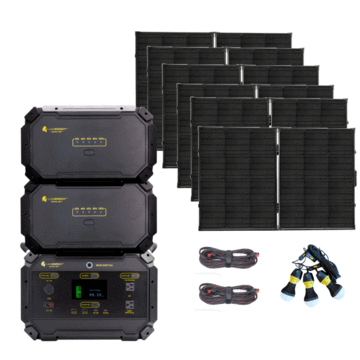
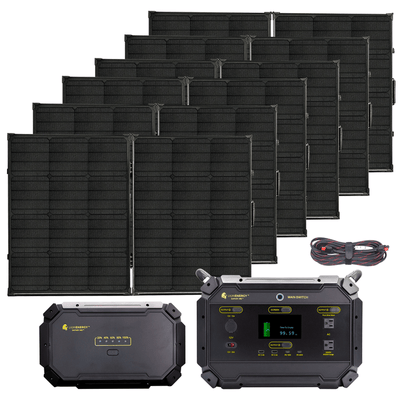
A solar generator combines photovoltaic panels, battery storage, and an inverter, which changes stored DC electricity into AC power for appliances. The basic solar-system components explain why the power station stores energy rather than generating it through combustion. A standalone portable battery power station becomes a solar-generator setup when compatible panels are added.
There is no universal, authoritative top ten without defined criteria. Batteries, rooftop solar, and emergency generators are distinct distributed energy resources, so we compare these battery systems by load fit, capacity, continuous and surge output, 120/240V capability, solar input, battery life, expandability, recharge choices, switchover speed, safety, integration, and warranty. Load list first, capacity second.

The top 10 models compared
The table compares the published specifications that separate light emergency coverage from serious home backup. Native 120/240V split-phase output means a system can supply both common household voltages without pairing two separate units. For maximum-output candidates, our most powerful solar generator comparison narrows the field further.
| Model | Battery capacity | Continuous output | Voltage | Maximum solar input | Best fit |
|---|---|---|---|---|---|
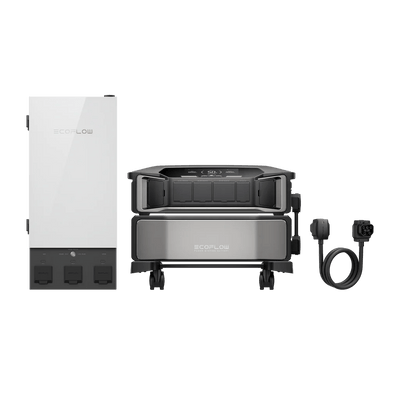
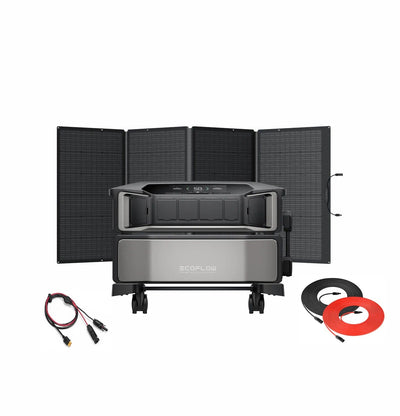
| EcoFlow Delta Pro Ultra | 6,144Wh per unit | 7,200W | 120/240V | 5,600W per inverter | Expandable home backup |
| EcoFlow Delta Pro Ultra X | 12kWh kit | 12,000W | 120/240V | 10,000W total DC | High-output whole-home backup |
| Jackery 5000 Plus | 5,040Wh | 7,200W | 120/240V | 4,000W | Smart-transfer backup |
| Nature's Generator MyGrid 10K | 10,496Wh | 10,000W | 208/240V | 12,000W | Solar-heavy sites |
| Anker Solix F3800 Plus | 3,840Wh | 6,000W | 120/240V | 3,200W | Essential circuits |
| Anker Solix F3800 | 3,840Wh | 6,000W | 120/240V | 2,400W | Expandable backup |
| Nature's Generator Powerhouse | 4,800Wh base | 7,200W split-phase | 120/240V | Solar and wind charging | Expandable backup |
| EcoFlow Delta 3 Max | 2,048Wh | 2,400W | 120V | 500W | Shorter outages |
| EcoFlow Delta 3 Max Plus | 2,048Wh | 3,000W | 120V | 1,000W | Expandable backup |
| Jackery HP3600 Plus | 3,584Wh | Listed by configuration | 120V | 1,000W | Portable moderate backup |
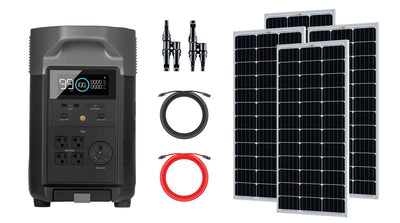
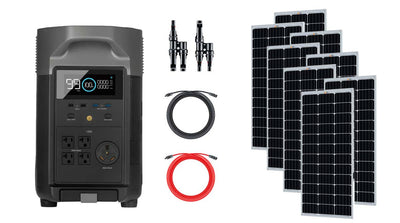
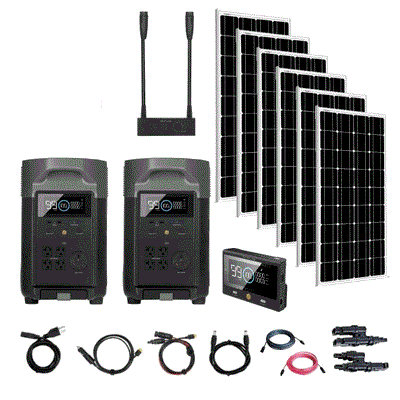
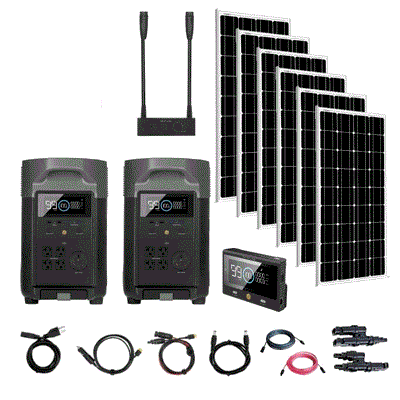
These are power-station systems, but the exact configuration may be sold alone or as a kit with panels and accessories. Lithium iron phosphate, commonly shortened to LFP, is the long-cycle battery chemistry used throughout much of this class. Expansion ceilings are useful, but they do not describe the storage included on delivery. The shipped configuration is the number that matters on day one.

Which model fits your use case?
Whole-home and high-demand backup
The EcoFlow Delta Pro Ultra is our leading starting point for serious 120/240V backup, while the Ultra X raises initial capacity and output. Jackery's 5000 Plus adds a strong smart-transfer path. For sites where panel absorption is the priority, the MyGrid 10K stands apart with its 12,000W solar-input ceiling, but that remains an ideal-condition ceiling, not a storm-day promise.
Essential circuits during an outage
The Anker F3800 Plus and F3800 balance 6,000W output with expandable storage and 120/240V support. They are practical for a refrigerator, freezer, sump pump, lights, and selected medical equipment when the combined load stays within the system's limits. Our best solar generator for power outage guide goes deeper into outage duration and load planning.
Portable and shorter-duration power
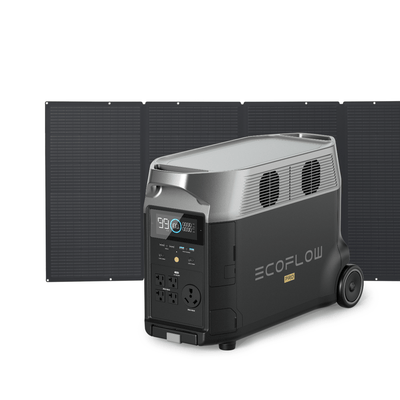
Not every buyer needs whole-home scale. The Delta 2 Max and Jackery HP3600 Plus are better matched to shorter outages, cabins, and portable essentials, while the Delta Pro 3 provides more output for demanding single appliances. Weight still matters: floor-standing systems are movable, but they are not carry-anywhere devices. Compare our best portable solar generator choices when frequent transport is the priority.
Specifications, packages, warranties, and price
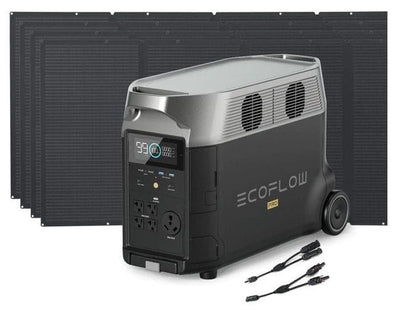
On our individual product pages, we document capacity, output and surge ratings, solar-input limits, charging times, battery chemistry, included cables or panels, warranty terms, package choices, and current pricing where available. Weight, dimensions, ports, and connector compatibility also deserve attention because two similar batteries can be very different to move or install. Seasonal black friday deals may change the value calculation, but the cart still needs to show the exact battery, panels, cables, and integration hardware included.
Home backup connections and transfer equipment
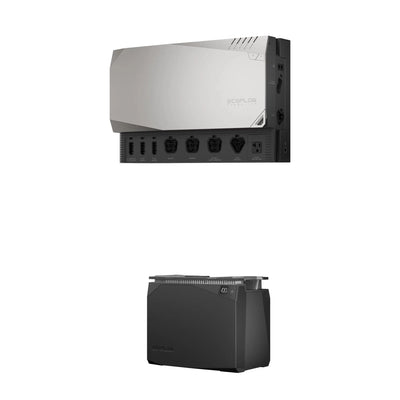
Appliances can plug directly into suitable power-station outlets, provided the cord and load remain within their ratings. A circuit panel is different. FEMA's generator connection guidance calls for transfer equipment that isolates the home from utility power; without that isolation, backfeed can energize utility lines and endanger workers. Compatible transfer switches, Smart Home Panels, Power Docks, or inlet equipment generally require a licensed electrician. Output, motor-starting surge, voltage, and circuit ratings still limit what the installation can run.

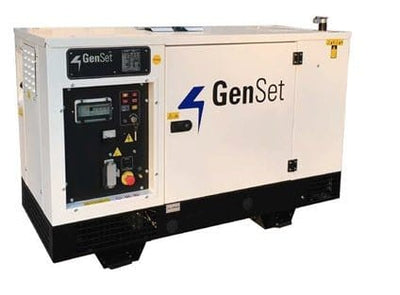
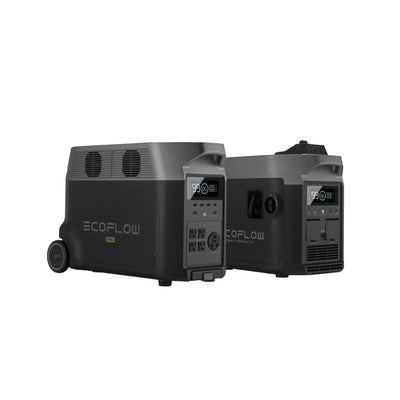
For emergency planning, battery storage works best when its limits are acknowledged before bad weather arrives. Heavy multi-day loads and poor sunlight may justify a hybrid setup in which a fuel generator recharges the battery. Our best emergency solar generator guide helps separate short essential coverage from extended preparedness.
Buy before the pressure arrives
- Build your load list by recording the running and startup wattage of every appliance you expect to operate.
- Set your voltage requirement by identifying any well pump, central air conditioner, or other critical 240V load.
- Choose battery capacity around the expected outage duration, allowing for inverter losses and limited solar production.
- Plan recharging around realistic sunlight while keeping AC or fuel-generator charging available as a fallback.
- Verify the exact configuration by reviewing included panels, cables, expansion batteries, integration hardware, warranty, and delivery timing.
A full battery before the outage starts is a plan, not an assumption. The best system is the one that fits the life you need to keep running, and our USA-based team can help match that system to your actual loads and home setup. Thank you for visiting!
Frequently asked questions
Which solar generator is best overall for home backup?
We rank the EcoFlow Delta Pro Ultra as the strongest starting point for serious 120/240V home backup. The better choice can change if you need more initial storage, greater solar input, easier portability, or a different expansion path.
Can one of the top 10 solar generators power an entire house?
Yes, selected systems can support whole-home or near-whole-home backup when their output, storage, voltage, and integration equipment match the home. Heavy loads may require expansion batteries or multiple inverters, and panel integration generally requires professional installation.
Do solar generators include solar panels?
Not always. Some configurations are standalone power stations, while others are bundles containing panels, cables, batteries, or home-integration equipment. Package contents should be confirmed for the exact configuration being purchased.
How much solar-generator capacity do I need?
Capacity depends on the wattage of your essential loads and how long they must operate. The system also needs enough continuous output and surge capability for appliances with motors or compressors, including refrigerators, pumps, and air conditioners.
← Older Post Newer Post →