 (954) 249-2314
Best Gas Generators for Home Backup and Storm Preparation
The best gas generators for home backup power are right-sized gasoline-powered portables from brands like Duromax and Cummins, though the honest answer is that "best" shifts depending on your load, your fuel plan, and how you intend to connect the machine. We have been helping homeowners work through these decisions since 2018, and the pattern we see most often is buyers fixating on peak-watt numbers instead of the running capacity that actually determines whether the lights stay on.
What actually separates a good generator from a frustrating one
- Running watts, not peak watts. Starting watts cover brief motor-surge moments for refrigerators, sump pumps, and furnace blowers. Running watts are what the machine sustains continuously, and that is the number your load list needs to fit inside. A refrigerator can draw 150 to 400 running watts but surge to 800 to 1,200 on startup. A half-horsepower well pump adds another 750 to 1,050 running watts and up to 2,200 starting watts on top of that.
- What you need to power. Decide early whether your goal is refrigerator, lights, internet, and a sump pump, or whether you want to run selected circuits through the panel. Essential-circuit protection in the 7,500 to 10,500 running-watt range covers most homes well. Central AC or a large well system moves you into the 10,000-watt-plus tier.
- Outlet configuration and connection plan. A 50A, 240V receptacle supports a panel interlock or transfer switch rated up to 12,000 watts. A 30A, 240V outlet limits that to 7,200 watts regardless of what the peak-watt sticker says. A licensed electrician should confirm your panel connection setup before you buy. Running a generator into a wall outlet backfeeds the utility line and is genuinely dangerous.
- Inverter versus conventional design. Inverter generators produce cleaner power for sensitive electronics and throttle down under light loads, which improves fuel efficiency and reduces noise. Conventional open-frame designs typically deliver more watts per dollar and make more sense when raw capacity and value carry more weight than a clean sine wave.
- Fuel flexibility. Gasoline is familiar and widely available, but a dual fuel portable that also runs on propane gives you a real advantage when gas stations sell out after a storm. A tri-fuel model adds natural gas for homes with a compliant line connection. The flexibility matters only when you have the tanks, fittings, and realistic fuel supply to back it up.
- CO safety features. Automatic CO sensor shutdown is a standard expectation on any best gas generator we recommend. It is not optional when the machine is used near a home.
- Runtime, tank size, and maintenance realism. Runtime specs are quoted at 25% or 50% load. An 8.3-gallon tank at 50% load gives you roughly 8 to 9 hours between fill-ups. Confirm that oil, air filters, spark plugs, and fuel parts are available before a storm, not during one.
- Warranty and support. A 5-year warranty signals the manufacturer stands behind the machine. Parts availability and US-based support matter just as much when something goes wrong mid-outage.
Strong options by buyer type
A few models consistently match the real-world situations homeowners describe when they call us.
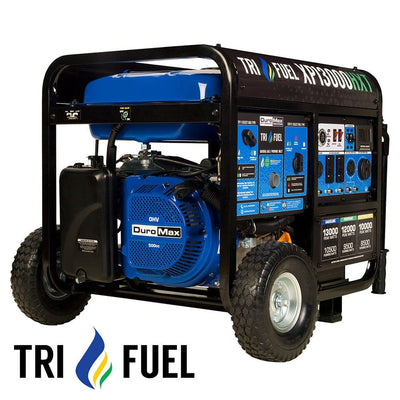
Best gas generator for large-load backup: Duromax XP13000HX Dual Fuel
The Duromax XP13000HX runs on gasoline or propane, delivering 13,000 peak watts and 10,500 running watts on gasoline, with 12,500 peak and 10,000 running on propane. That running-watt headroom handles a sump pump, well pump, refrigerator, furnace blower, and several additional loads simultaneously without pushing the machine to its limit.
The 8.3-gallon tank stretches to 17 hours at 25% load and holds about 8.5 hours at 50% load on gasoline.
It includes CO sensor shutdown, electric and recoil start, GFCI outlets, a 14-50R 240V receptacle for panel connection, and a 5-year warranty.
At 74 dB it is not quiet, but conventional open-frame generators at this output rarely are.
The dual fuel capability is a practical advantage during hurricane season when gas lines form fast and a pre-filled propane tank becomes your real backup.
Tri-fuel flexibility: Duromax XP13000HXT and Cummins Onan P11000iTF
The Duromax XP13000HXT adds natural gas to everything the XP13000HX offers.
Gasoline output stays at 13,000 peak and 10,500 running watts.
Propane drops slightly to 12,000 peak and 9,500 running.
Natural gas comes in at 11,000 peak and 8,500 running.
The natural gas connection requires 6.0 to 9.0 inches of water column and 225,000 BTU at full load, so confirm your home line can supply that before purchasing.
The unit ships with a propane regulator, a 15-foot natural gas hose, and adds remote start alongside electric and recoil.
Our tri-fuel portable generators collection includes this model for buyers who want all three fuel options.
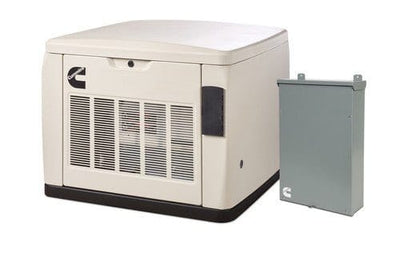
For buyers who want inverter-quality output at a still-substantial capacity, the Cummins Onan P11000iTF is a tri-fuel inverter model with 11,000 peak and 9,000 running watts on gasoline.
Inverter design keeps total harmonic distortion under 3%, which matters for medical equipment or sensitive electronics.
It includes a built-in CO sensor shutdown.
The tradeoff is a higher price relative to the open-frame Duromax units.
Smaller essential-circuit coverage: Cummins Onan P5000iDF EFI
If your goal is refrigerator, lights, internet, a sump pump, and phone charging, a 10,000-watt machine is more than you need.
The Cummins Onan P5000iDF EFI is a dual fuel inverter with 5,000 peak and 3,900 running watts on gasoline and 4,500 peak and 3,500 running on propane.
A 3.4-gallon tank delivers 16.8 hours at 25% load and 13 hours at 50% load, giving it one of the better runtime-to-tank-size ratios in its class.
EFI improves cold starting and fuel metering.
CO sensor shutdown is standard.
For a smaller home or targeted essential-circuit backup, this is a well-supported option that does not over-buy on capacity.

Side-by-side comparison
| Model | Fuel Options | Running Watts (Gas) | Peak Watts (Gas) | Tank Size | CO Shutdown | Start Type | Warranty |
|---|---|---|---|---|---|---|---|
| Duromax XP13000HX | Gas / Propane | 10,500 W | 13,000 W | 8.3 gal | Yes | Electric + Recoil | 5 years |
| Cummins Onan P11000iTF | Gas / Propane / Natural Gas | 9,000 W | 11,000 W | Not specified | Yes | Electric | Varies |
| Cummins Onan P5000iDF EFI | Gas / Propane | 3,900 W | 5,000 W | 3.4 gal | Yes | Electric + Recoil | Varies |
For most homeowners who need high running capacity and fuel options without paying a premium for inverter technology, the Duromax XP13000HX or XP13000HXT are the practical choices. Clean inverter output or a smaller essential-load footprint points toward the Cummins Onan models. Start with your actual watt requirements and fuel plan, and the right row in that table becomes clear.
When a different fuel type or technology makes more sense
Gasoline is the default for most portable generator buyers, but it is not always the best gas for generator storage and storm prep. For gasoline storage and handling on covered worksites, OSHA’s 1926.152 - Flammable liquids | Occupational Safety and Health Administration requires approved containers and portable tanks, including approved safety cans or DOT-approved containers for quantities of 5 gallons or less.
Propane holds its quality in a tank for years without degrading, so a pre-filled propane supply stays ready even when gas stations are overwhelmed or closed after a major storm.
Natural gas removes the storage question entirely for homes with an existing service line, though the connection requires adequate BTU delivery and code-compliant installation.
Both fuels produce slightly lower output than gasoline in the same machine, a tradeoff worth knowing before you commit.
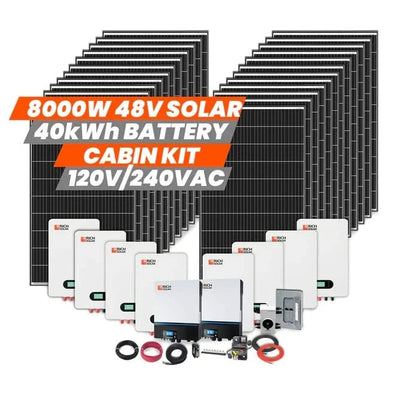
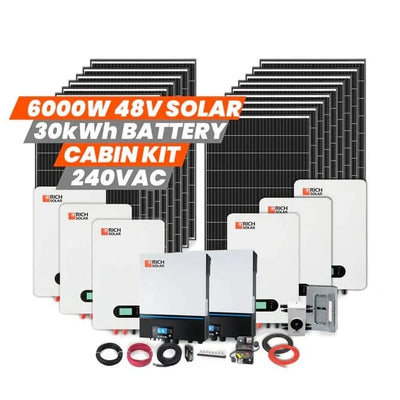
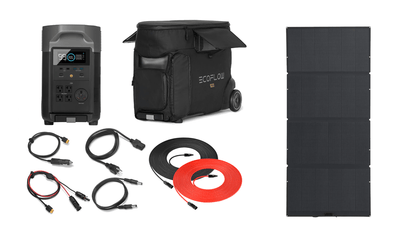
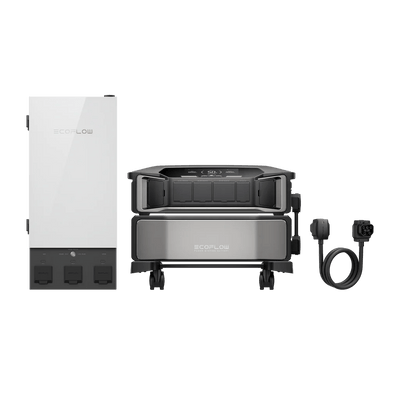
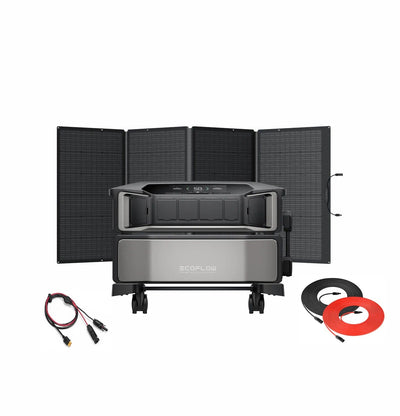
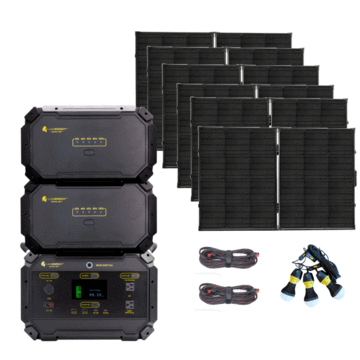
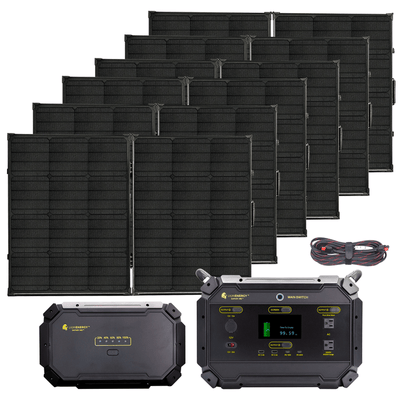
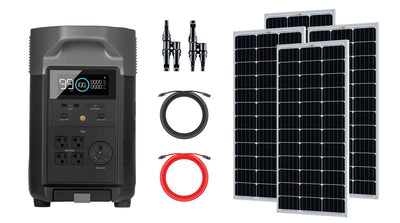
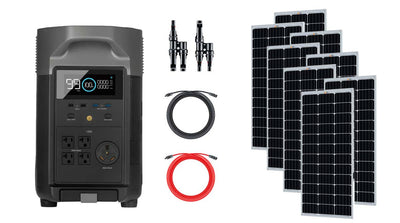
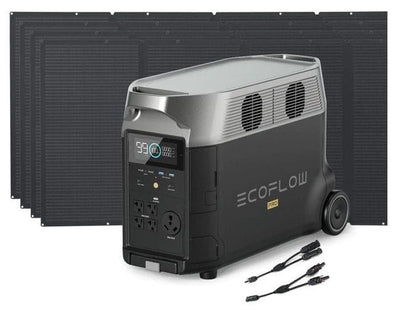
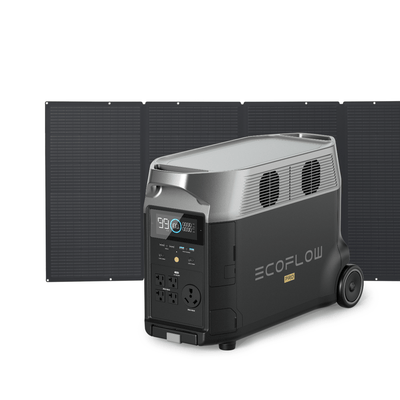
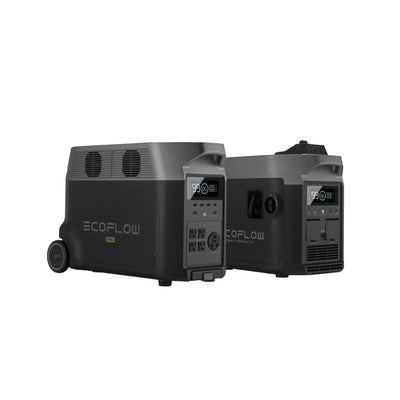
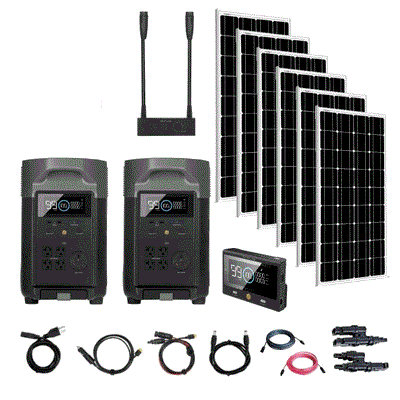
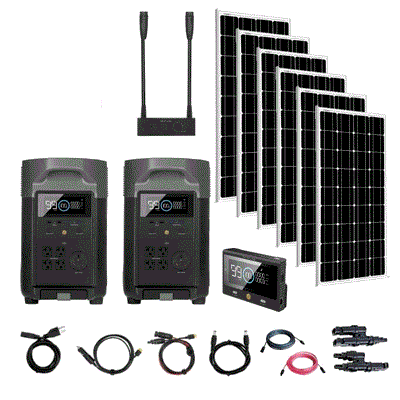
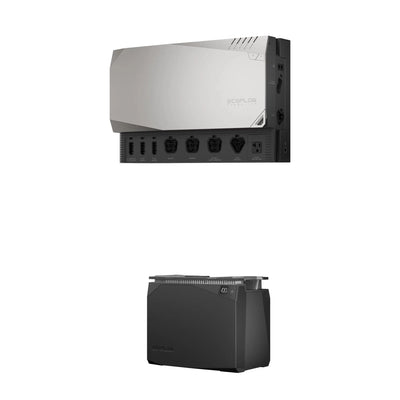
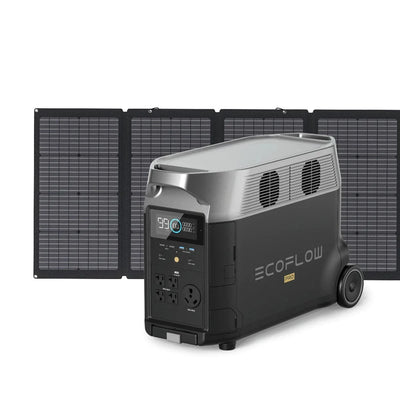
Battery and solar power stations are a genuinely better answer for quiet, indoor-safe loads: internet, lights, phone charging, and sensitive electronics during short or moderate outages.
There is no exhaust, no fuel storage, and no noise.
The limitation is capacity and recharge time when an outage stretches beyond a day or two.
Many experienced storm-prep households run both: a battery unit for indoor essentials and a gasoline or propane generator for heavy loads and longer outages.
We carry solar generators and portable power stations for buyers whose situation calls for that approach.
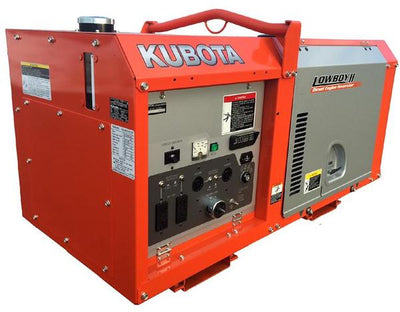
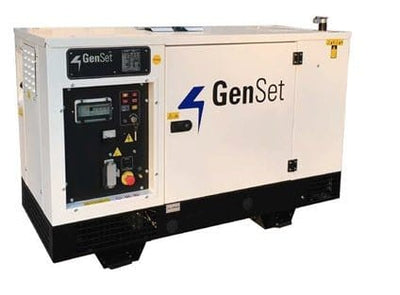
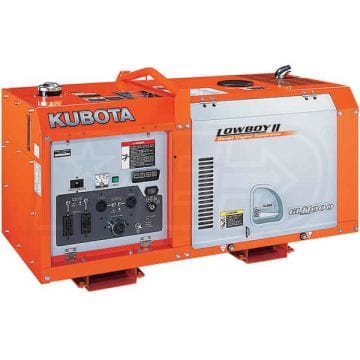
For commercial, industrial, or continuous prime-power applications, diesel generators offer better fuel efficiency at sustained heavy loads and longer service intervals. For residential hurricane backup, a gasoline or dual-fuel portable is typically more practical.
What fuel to put in a gasoline generator
Use clean, fresh, unleaded gasoline with a minimum 87-octane pump rating. That is consistent guidance from Duromax, Honda, Briggs and Stratton, and virtually every small-engine manufacturer. E10, gasoline blended with up to 10% ethanol, is generally acceptable when your owner's manual permits it and the fuel is fresh and rotated regularly.
E15 and higher-ethanol blends attract moisture, can damage fuel-system components, and fall outside the warranty coverage of most small engines. Do not use them regardless of cost or pump availability.
Ethanol-free 87-octane is the preferred choice when available, particularly for stored emergency fuel.
It keeps longer and does not absorb moisture the way ethanol-blended fuel does.
Add a quality fuel stabilizer to any stored gasoline: stabilizer can keep fuel viable for up to 24 months and prevents the gum and varnish buildup that causes hard starting after storage.
For storage beyond 30 days, the Duromax manual advises running the carburetor dry and draining both the tank and carburetor bowl.
The principle carries across brands: old fuel sitting in a carburetor is the most common reason a generator will not start when you actually need it.
Safety and ownership essentials
A gasoline generator produces carbon monoxide in concentrations that can become lethal indoors within minutes. CO is odorless and gives no warning. The rules below are not suggestions.
- Run the generator outdoors only, at least 20 feet from the house, with exhaust directed away from all doors, windows, and vents. Never operate it in a garage, even with the door open.
- Use a licensed electrician for any panel connection. A transfer switch or interlock kit is the correct way to connect a generator to your home's electrical system. Plugging into a wall outlet backfeeds the utility line and is a documented cause of electrocution for utility workers and neighbors.
- Use rated extension cords when plugging appliances directly into the generator. Choose heavy-duty, outdoor-rated cords with a three-prong grounding plug, rated in watts or amps at or above the connected load. Inspect insulation before every use.
- Store gasoline in approved containers away from living areas and any fuel-burning appliances. Rotate stored fuel on schedule rather than letting it sit for extended periods.
- Test the generator before storm season, not when a storm is 48 hours out. Run it under load, confirm it starts cleanly, check the oil level, and verify the outlets work. We are in the Atlantic hurricane season right now, and ordering or testing after a named storm develops means you may not receive a machine in time. Generator shipping is generally not available overnight, and demand spikes hard once storms are forming.
- Keep maintenance supplies on hand: oil, air filter, spark plugs, and an extra fuel filter. These are not items to track down during a multi-day outage.

How to choose the right model
- List your essential loads and add up the running watts. Refrigerator, sump pump, furnace blower, well pump, lights, and internet router are the common starting point. Include the starting-watt surge for every motor load and size the generator so its running-watt rating comfortably exceeds your total.
- Decide on your connection approach. Appliances plugged in with extension cords require no panel work. Running selected circuits through the panel requires an electrician-installed transfer switch or interlock and the appropriate 30A or 50A outlet on the generator. Confirm this plan before purchasing.
- Choose your fuel strategy. If you can reliably store propane or access a natural gas line, a dual fuel or tri-fuel model gives you meaningful outage flexibility. If gasoline only is your plan, rotate stored fuel on schedule and use stabilizer in any gas held beyond 30 days.
- Match the model to your capacity tier. Modest essential loads for a smaller home point toward the Cummins Onan P5000iDF EFI. Full-home circuit backup with well pumps and sump pumps points toward the Duromax XP13000HX or XP13000HXT.
- Confirm CO safety features and warranty before finalizing. Automatic CO sensor shutdown is non-negotiable. A 5-year warranty shows the manufacturer is standing behind the machine.
The most reliable generators are the ones that match the actual load, the realistic fuel supply, and the connection setup you have in place. Understanding the benefits of having a generator can help you weigh backup capacity, fuel planning, and connection requirements before choosing a model.
If you need automatic whole-home backup rather than portable coverage, compare the best standby generators for a permanent installation.
Browse our gas generators collection, check the dual fuel and tri-fuel categories if fuel flexibility is a priority, and reach out to our team if you want to talk through wattage or connection questions before you order. Hurricane season is already underway, and the right time to buy is well before a named storm puts generators on backorder. For additional preparation guidance, see What to Do Before the Tropical Storm or Hurricane | National Weather Service, which recommends preparing before hurricane season begins and checking emergency equipment such as generators and storm shutters.
Frequently asked questions
What size gas generator do I need for my house?
Add the running watts of the appliances you will use, then account for the largest starting surge from a pump, refrigerator, or furnace blower. For panel connection, verify that the generator’s actual running-watt rating matches the inlet and breaker, since a 50-amp outlet does not automatically mean 12,000 watts are available.
Is ethanol-free gasoline best for a generator?
Ethanol-free gasoline is often the better choice for fuel you plan to store, but fresh E10 can be acceptable when the generator manual permits it. Avoid E15 or higher, use the required octane, and add stabilizer before storage according to the manufacturer’s instructions.
Can I run a gas generator during a hurricane?
Yes, but only outdoors, at least 20 feet from the home, with exhaust directed away from doors, windows, and vents. Never operate it in a garage or enclosed area, and test the generator under an expected load before the storm arrives.
Should I buy a gasoline, dual-fuel, or tri-fuel generator?
Choose gasoline-only for simple portable backup when fresh fuel is readily available, dual fuel for gasoline and propane flexibility, or tri-fuel when natural-gas access is important. Propane stores more easily, while natural gas requires a safe, code-compliant connection with adequate pressure and supply capacity.
← Older Post Newer Post →